




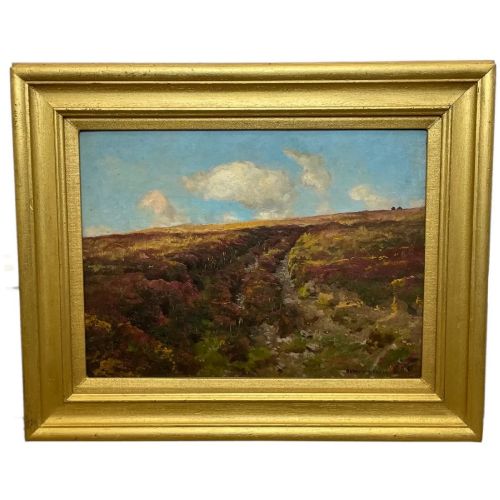
Framed Oil Landscape Art
Framed oil landscape art brings scenes of the countryside and coast onto the wall inside heavy wooden housings.
Framed Oil Landscape Art
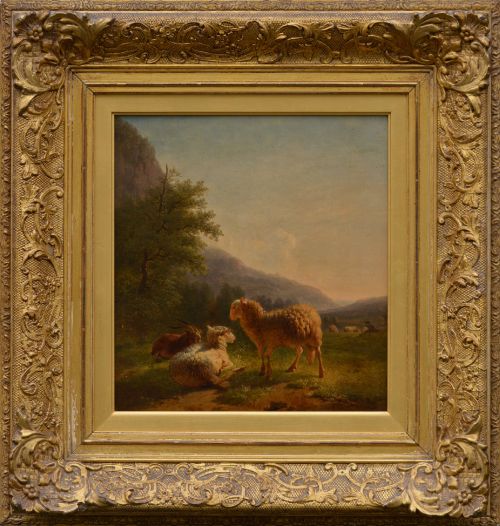
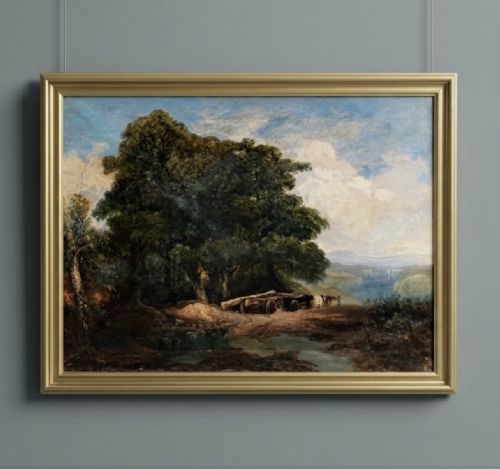
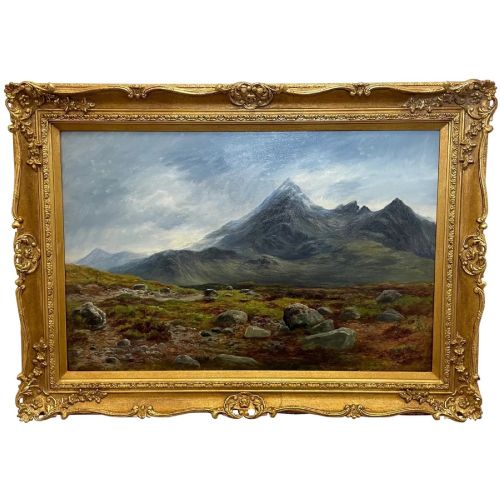
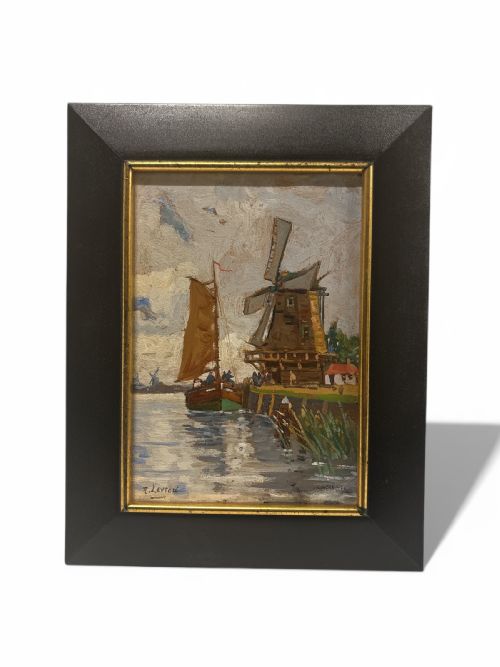
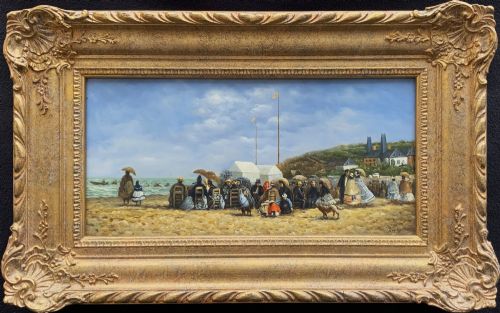
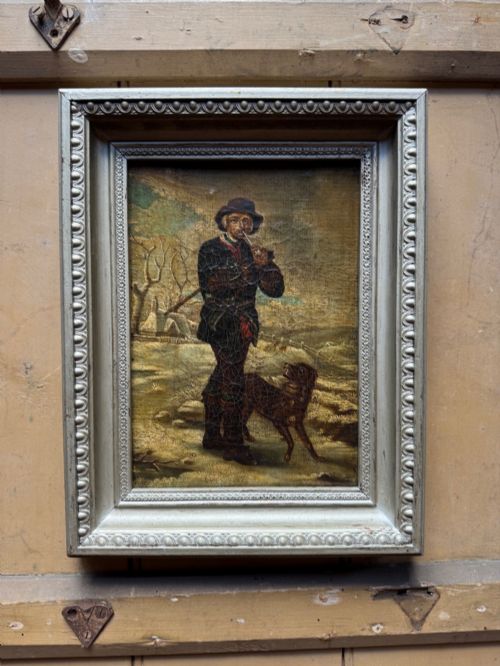
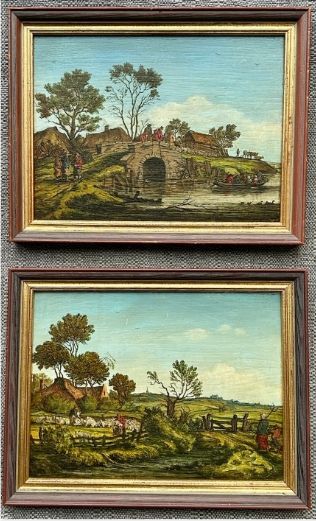
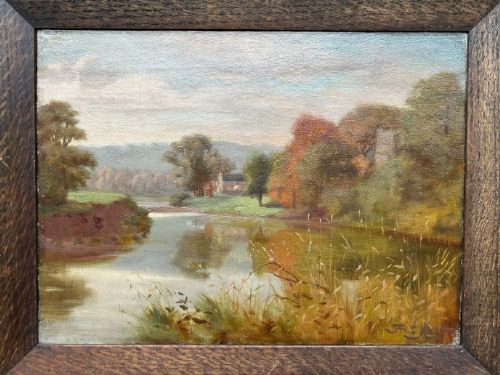
When searching for framed oil landscape art, buyers encounter painted representations of the natural world created during the nineteenth and twentieth centuries. These works depict rural vistas, woodland paths, marine views, and agricultural scenes set within protective surrounds.
The selection here includes canvases and wood panels originating from British, French, and Flemish schools. Styles range from Victorian romanticism to post-impressionist and Edwardian interpretations of open terrain.
How they were made
Artists painted oil pigments onto woven canvas supports or prepared wood panels, building up texture through brushwork. These finished works were then mounted inside wooden frames, frequently enhanced with gesso and gilt finishes.
The physical construction combines stretched fabric secured to wooden stretcher frames or rigid board supports placed directly into rebated mouldings.
Framed Oil Landscape Art Retail Price Guide 2026
Typical asking prices for framed oil landscape art among the pieces listed under this phrase on Sellingantiques today, from the lower quarter to the upper quarter. They describe what is for sale here now, not the wider market.
Listings feature works spanning the nineteenth century through to the nineteen-sixties, utilising oil paint on canvas and wood panels.
What varies in quality
The strength of the composition and the handling of light separate more accomplished works from simpler decorative pieces. Finer paintings demonstrate subtle tonal transitions in skies and foliage, whereas lesser examples rely on formulaic brushwork.
Framing material also contributes to the overall standard, with carved and gilded wood surrounds offering greater substance than plain or later replacements.
Eugène Verboeckhoven·Richard Sebastian Bond·William Beattie-Brown·William H Myers·George Graham·Clifford Hanney·William Howard Hardy·Frederick Marriott·Arthur Wardle·John Horace Hooper·Reginald Arthur Borstel·William Joseph Shayer Senior·Alfred Fontville de Breanski Jr·Sidney A Court·Kershaw Schofield·George Houston·Robert Morson Hughes·Thomas Barker of Bath·Thomas W Lascelles·James Kay·Augusto Alberici·Kevin Platt
The Framed Oil Landscape Art Glossary
- Gesso
- A plaster mixture applied to wooden frames before gilding or painting to create a smooth, sculptural surface.
- Canvas
- A heavy woven fabric stretched across a wooden frame to serve as a support for oil paint.
- En plein air
- A French term describing paintings executed outdoors in direct contact with the landscape.
- Panel
- A flat piece of wood used as a rigid alternative to canvas for supporting oil paint.
Framed Oil Landscape Art: Frequently Asked Questions
How do I hang a heavy framed oil landscape?
These works require secure wall fixings, such as screws inserted directly into wall studs or heavy-duty cavity anchors, due to the combined weight of the wooden frame and canvas.
Traditional brass picture wire fixed securely to the sturdy wooden stretcher or frame back ensures the piece hangs evenly against the partition.
What is the difference between canvas and panel paintings?
Canvas works utilise woven fabric stretched over a wooden frame, offering slight flexibility and a visible textile texture beneath the pigment layers. Wood panels provide a rigid, solid support that prevents the cracking sometimes associated with aged fabric.
Both methods were common across the nineteenth and early twentieth centuries, depending on the artist's preference for portability or surface smoothness.
How do I identify the period of the frame?
Period frames often display hand-applied gesso moulding and gold leaf that shows natural crazing and wear consistent with age. Construction details at the reverse corners, such as hand-cut mitres and older fixings, help confirm the age of the surround.
Matching the style of the frame to the date of the canvas is standard, though many older works were reframed later in their history.
Where should I display these paintings at home?
Placing oil landscapes away from direct sunlight and steady moisture sources preserves both the pigment stability and the wooden frame. Rooms with stable indoor temperatures prevent the expansion and contraction that can harm canvas supports.
Wall spaces above mantelpieces or along hallway landings offer prominent positions where the scale of the landscape can be appreciated.