



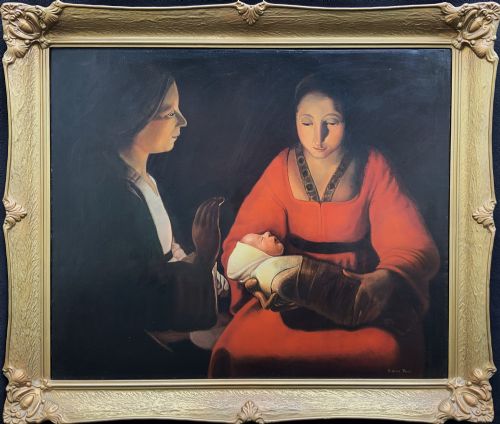
Gilt Framed Canvas Art
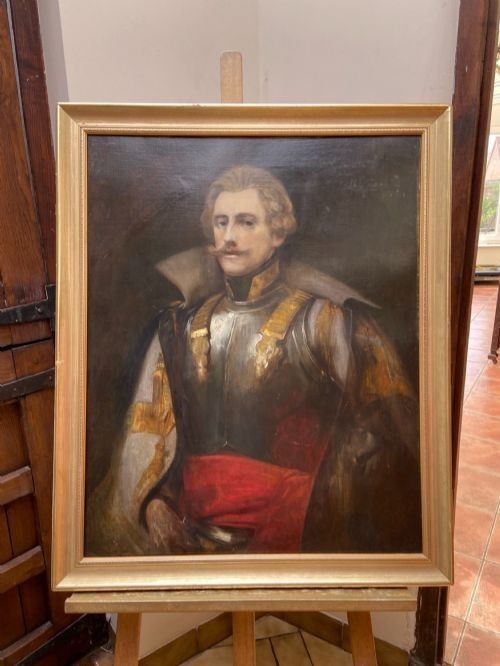
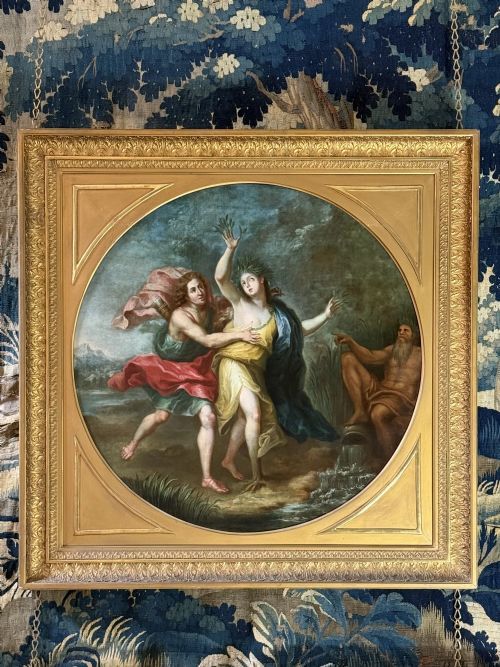
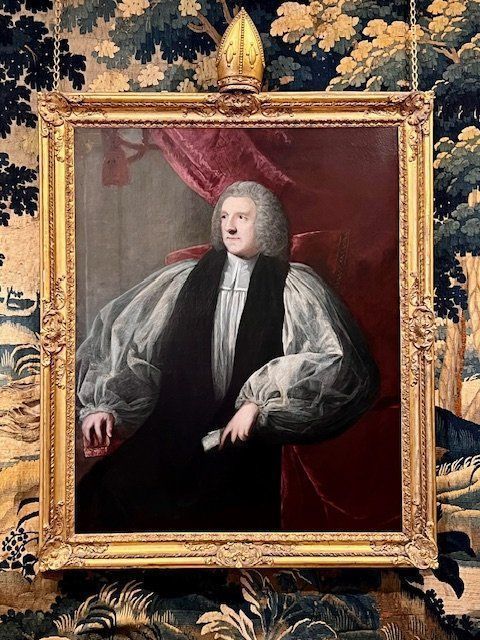
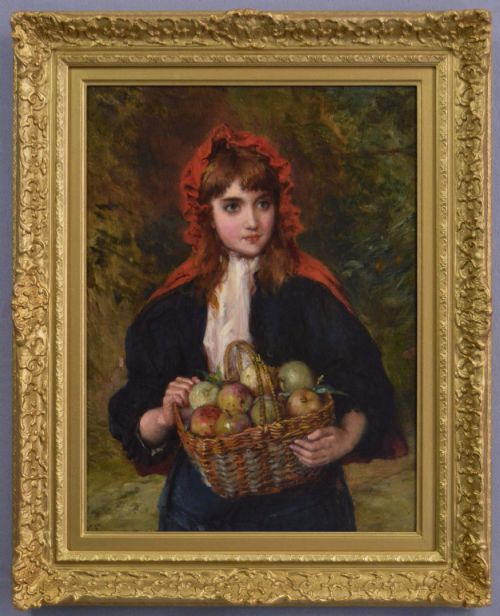
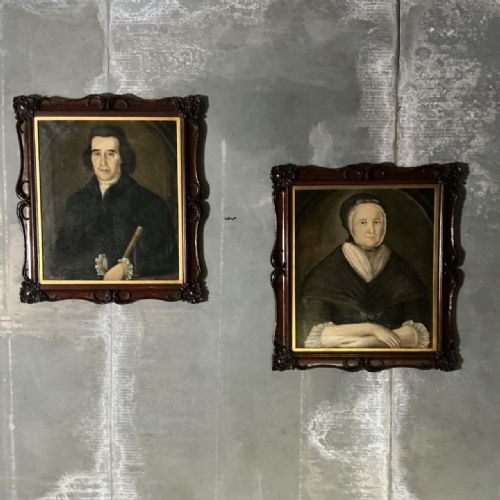
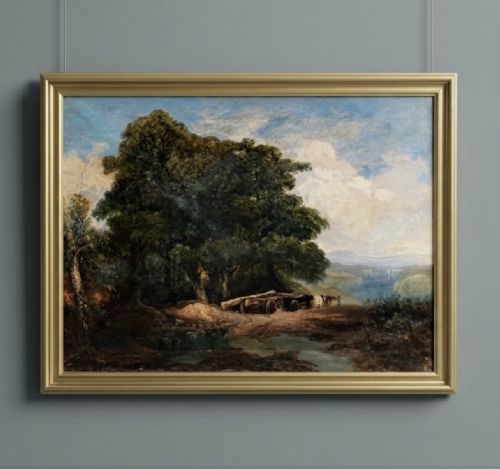
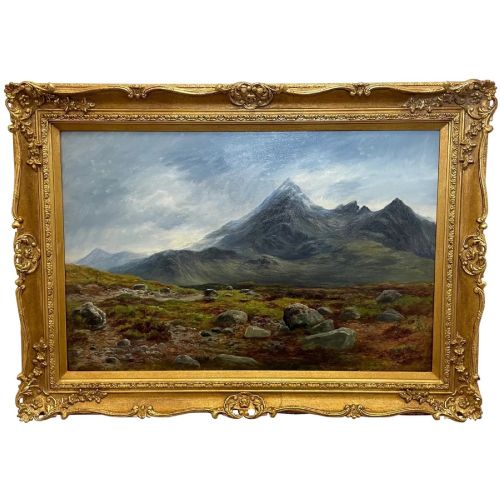
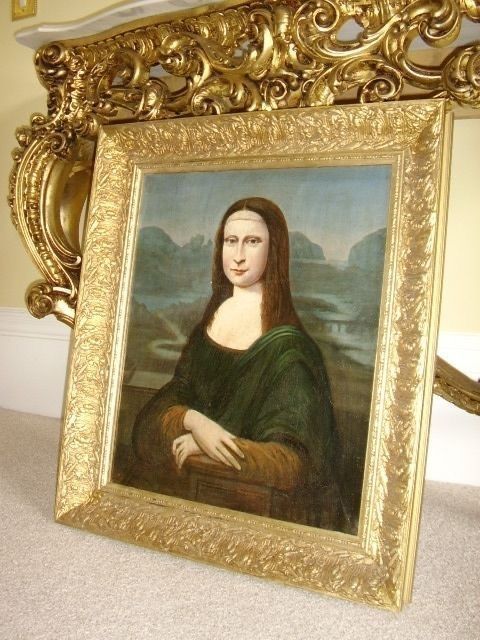
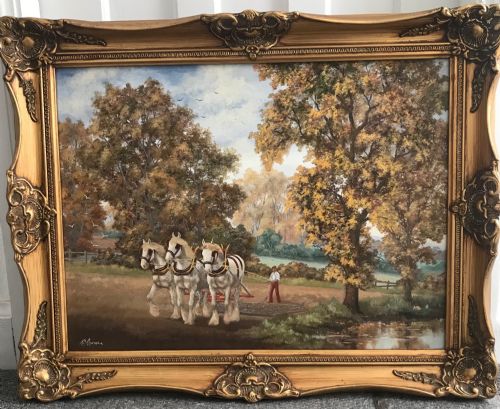
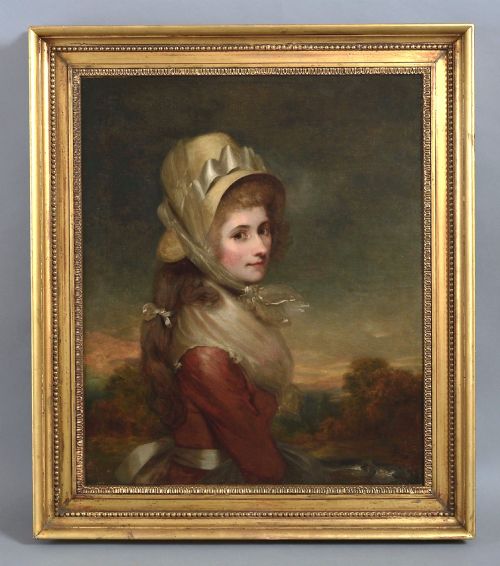
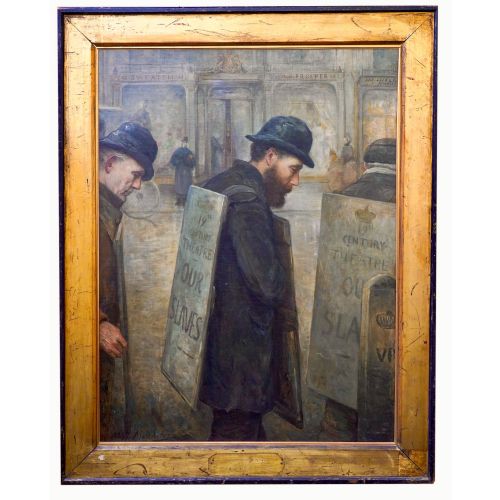
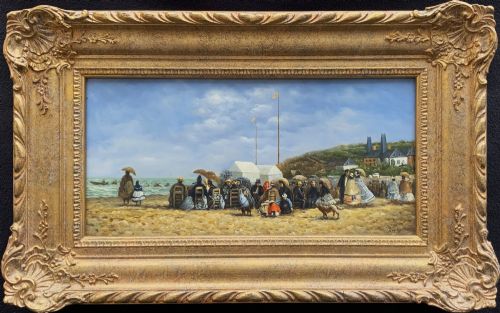
When choosing gilt framed canvas art, you are selecting a historic oil painting housed within a carved and gilded wooden border.
Gilt Framed Canvas Art
Gilt framed canvas art encompasses historic oil paintings executed on canvas supports and enclosed within ornate wooden surrounds finished in gold leaf or metallic paint. These works span multiple centuries, originating from the seventeenth, eighteenth, and nineteenth centuries alongside mid-twentieth-century examples.
The dominant forms within this selection are traditional oil portraits and landscape paintings reflecting periods such as the Georgian, Victorian, and Baroque eras. Buyers encounter both intimate cabinet-sized canvases and monumental historical depictions set into substantial decorative surrounds.
Subjects range from noble figures and ecclesiastical portraits to pastoral scenes, maritime views, and botanical still-lifes. Many pieces represent specific regional schools, including British and French artistic traditions from past centuries.
Materials and Construction
Artists painted primarily with oil on woven canvas supports, applying pigment in layers over prepared grounds to achieve lasting depth and luminosity. The resulting works demonstrate traditional brushwork and pigment mixing characteristic of their respective periods.
The accompanying frames consist of wooden carcasses shaped with carved ornamentation or moulded gesso layers. Craftsmen then applied fine sheets of gold leaf or metallic gilt finish directly to the prepared wooden surfaces to create a reflective border.
Gilt Framed Canvas Art Retail Price Guide 2026
Typical asking prices for gilt framed canvas art among the pieces listed under this phrase on Sellingantiques today, from the lower quarter to the upper quarter. They describe what is for sale here now, not the wider market.
Artistic movements represented include Georgian, Victorian, Baroque, and French Rococo styles across various portrait and landscape subjects.
Assessing Artistic Merit
Quality rests upon the skill of the brushwork, the anatomical accuracy or compositional balance of the subject, and the expressive handling of light and shadow. Works by documented hands or established regional schools command greater artistic interest.
The integrity and craftsmanship of the enclosing surround also influence the piece, with hand-carved wooden mouldings and original period gilding representing higher standards than later replacements or crude restorations.
Charles Antoine Coypel·Sir Joshua Reynolds·William Oliver·Richard Sebastian Bond·Jean Baptiste Van Loo·William Beattie Brown·Jozsef Molnar·Sir Martin Archer Shee·Felix Stone Moscheles·Georges de La Tour·John Hayls·John Maler Collier·Dumini Leopoldo·Sir Peter Lely·Arthur Wardle·Jeremiah Davison·I Berezny·Francois Boucher·John Horace Hooper·William McAlpine·Reginald Arthur Borstel·Michael Dahl·Thomas Murray·Constantyn Netscher·Lemuel Francis Abbott
The Gilt Framed Canvas Art Glossary
- Gesso
- A plaster-like mixture applied to wooden frame bases as a smooth surface for gilding. This material is built up before being carved or moulded with decorative motifs.
- Giltwood
- Timber that has been decorated with gold leaf or metallic powder. It forms the primary structural and decorative material for traditional picture frames.
- Oil on Canvas
- Pigments bound in a drying oil applied to a stretched woven fabric support. This medium allows for rich colour blending and gradual drying times.
- Baroque
- An artistic style prevalent during the seventeenth and early eighteenth centuries characterised by drama, tension, and rich ornamentation. Works from this period display deep tonal contrasts and dynamic compositions.
- Post-Impressionism
- A French art movement developing from the rejection of impressionist limitations that prioritised symbolic content and structured brushwork. This style emerges in later nineteenth and twentieth-century canvas works.
Gilt Framed Canvas Art: Frequently Asked Questions
How do I date a canvas painting?
Dating relies upon examining the preparation of the canvas, the stretching techniques on the wooden bars, and the chemical composition of the pigments. Stylistic clues within the clothing and hair of portrait sitters also provide reliable chronological markers.
Secondary evidence such as old handwritten labels, framing construction methods, and workshop stamps on the reverse offer further confirmation of the period of creation.
What is the history of gilt frames?
Gilt frames evolved from simple structural wooden surrounds into elaborate works of art designed to complement the status of the painting within. Artisans applied thin layers of gold leaf over chalk gesso to create reflective surfaces that caught candlelight in historic interiors.
Over the centuries, frame styles shifted from heavy Baroque carvings to restrained neoclassical profiles and ornate Victorian moulded compositions.
How should I care for oil on canvas?
Paintings require stable indoor environments away from direct sunlight, dampness, and rapid fluctuations in temperature and humidity. Such conditions prevent the canvas fabric from slackening and protect the oil paint layer from cracking.
Dust should be removed gently using a soft, dry brush without applying moisture or commercial cleaning solvents to the paint or the gilded frame surface.
How do I hang a heavy framed painting?
Large historic works require secure fixing directly into masonry walls or wooden stud work using appropriate heavyweight picture hooks and brackets. Relying solely on standard plaster wall fixings can lead to structural failure.
Professional installation is recommended for monumental pieces to ensure the weight is evenly distributed and the frame remains level.