



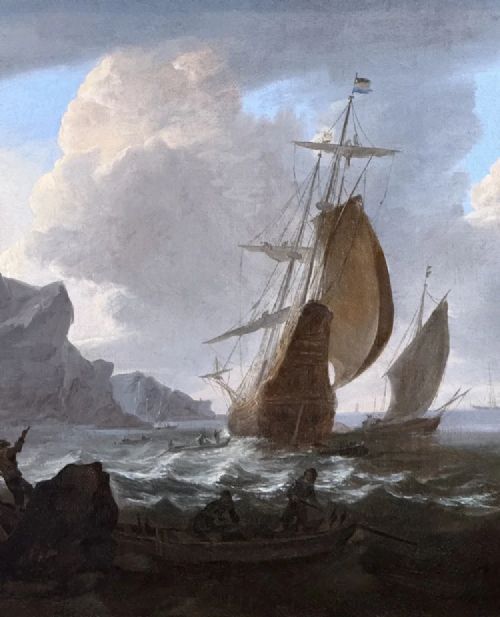
Framed Coastal Landscape
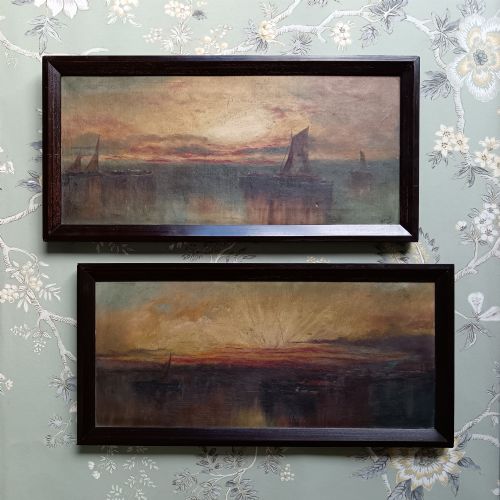
A framed coastal landscape brings the light and movement of the shore into a room, offering windows of open water and sky.
Understanding the Framed Coastal Landscape
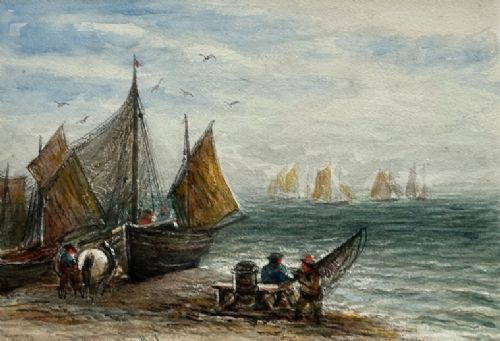
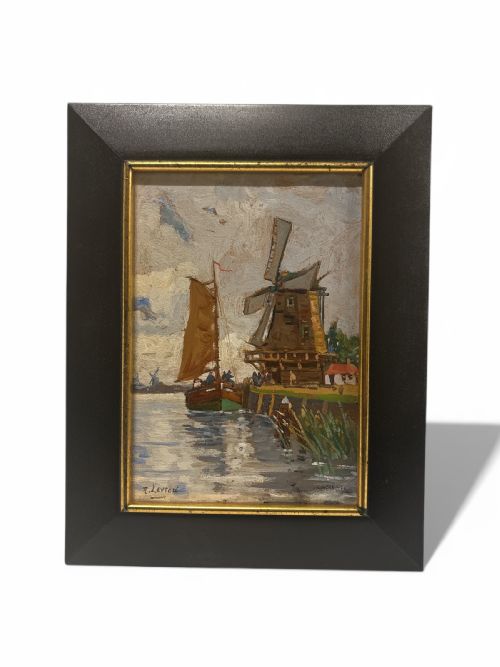
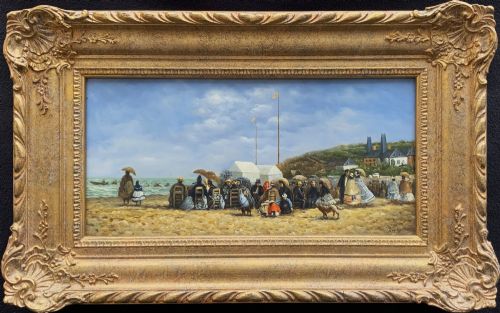
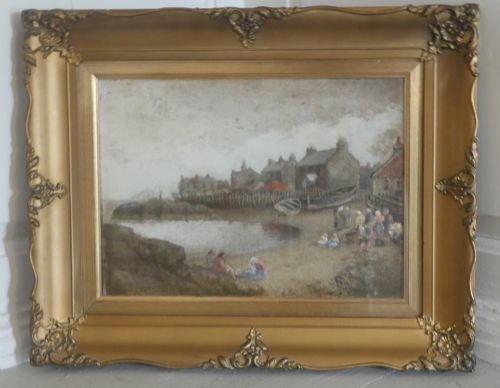
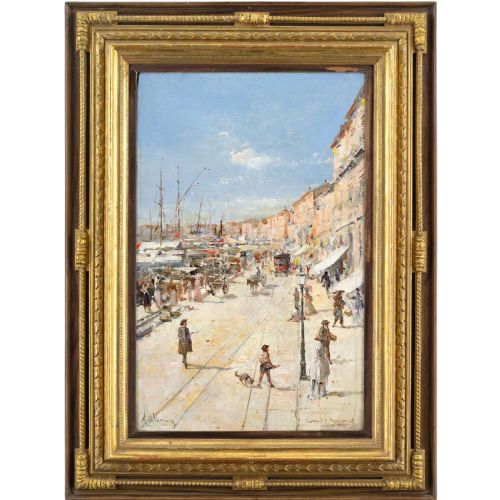
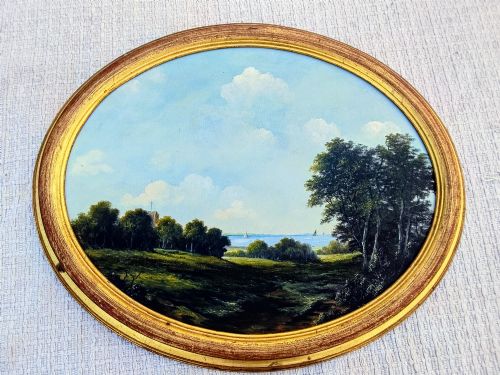
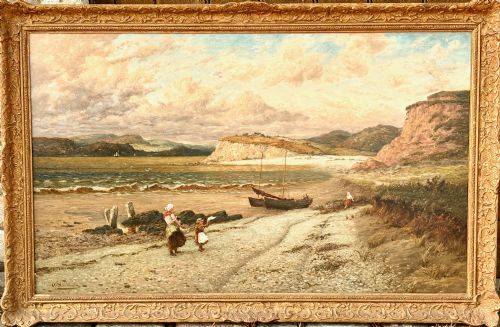
A framed coastal landscape captures the sea, shorelines, and maritime activity through painted surfaces designed for display. These works bring historical views of British and international waters into domestic interiors.
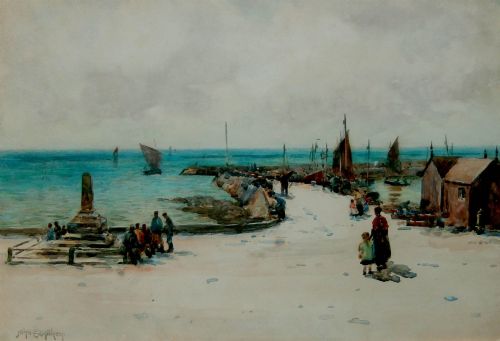
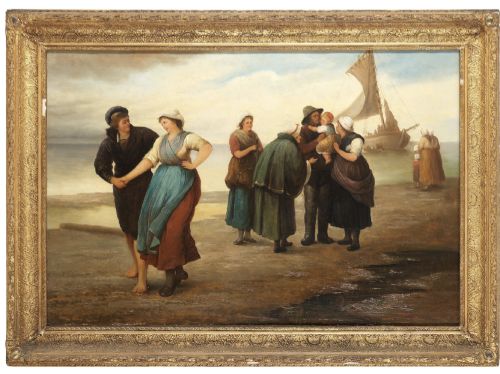
Most examples found here date from the Victorian era through the mid-twentieth century, encompassing both rural beaches and busy harbour scenes. Works range from modest watercolours on paper to substantial oil paintings on canvas and board.
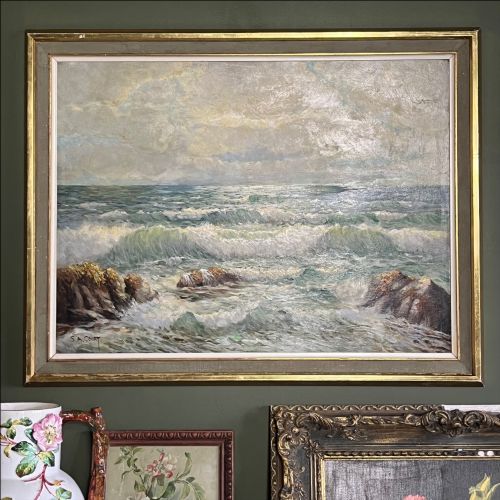
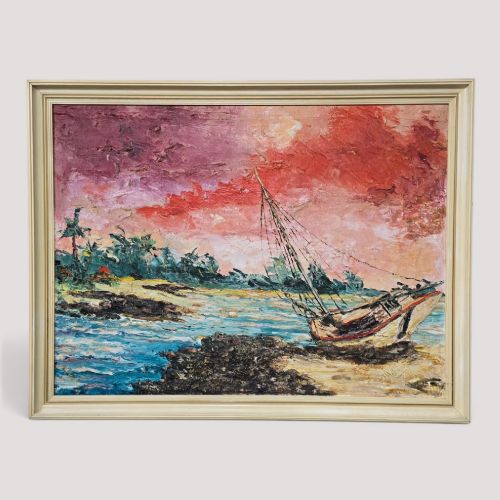
Styles vary from detailed nineteenth-century maritime recording to looser mid-century impressionism. Viewers encounter compositions ranging from serene sunset waves to atmospheric coastal cliffs.
Materials and Techniques
Artists utilise traditional mediums including oil paint and watercolour to capture shifting light over water. Canvases, wooden boards, and heavy paper form the foundational supports for these maritime scenes.
The physical build of these pieces relies on oil and pigment application, sometimes showing thick impasto for crashing waves or delicate washes for calm sea air. Wood and gilt frames complete the works, providing structural edge and period context.
Retail Price Guide 2026
Typical UK retail prices for framed coastal landscape, calculated from the Sellingantiques database of over a million retail prices indexed since 2003. This retail price guide relies exclusively on Sellingantiques data; no external sources or auction records are used, so the figures do not describe the wider market.
The inventory spans styles from nineteenth-century maritime art to mid-century impressionism.
Assessing Quality and Execution
Quality rests in the artist's handling of light, atmosphere, and spatial depth rather than the mere subject matter. Stronger works demonstrate confident brushwork that conveys the texture of water and movement of the air.
Materials and framing contribute significantly to the overall presence of a piece. Original gilt and wood frames that suit the period of the painting elevate the work compared to later, mismatched replacements.
James Fry·John McDougal·T.S. Wallis·Antonio Godoy·Walter Holmes·Samuel Edward Kelly
The Framed Coastal Landscape Glossary
- Board
- A rigid flat panel, often wood or compressed material, used as a painting support instead of stretched canvas.
- Gilt
- A thin application of gold leaf or gold-coloured finish used to decorate the wooden frames surrounding these artworks.
- Impressionism
- A style of painting focusing on light and its changing qualities rather than precise detail, often featuring visible brushstrokes.
- Maritime
- Pertaining to the sea, ships, and coastal environments, describing works that document nautical life and shorelines.
- Watercolour
- A paint consisting of water-soluble pigments used on paper to create luminous, translucent washes of colour.
Frequently Asked Questions
How do I date a coastal painting?
Dating relies on the style of the brushwork, the framing materials, and the canvas support. Period signatures and biographical dates of the artist offer the firmest guide.
Changes in fashion and framing construction across the nineteenth and twentieth centuries also help narrow the decade of creation.
Where should I hang a coastal landscape?
These works suit rooms with good indirect natural light that complements the marine palette. Avoid direct, harsh sunlight to protect watercolour pigments and oil varnishes.
Pairing the frame with neutral wall colours allows the depth of the sea and sky to draw the eye.
What is the difference between oil and watercolour?
Oil paint uses a drying oil binder, allowing for thick textures and rich, buildable layers on canvas or board. Watercolour relies on water-soluble pigments on paper, producing lighter and more transparent effects.
Oils are generally heavier and require protective wooden frames, whereas watercolours traditionally sit behind glass.
Are these works all British?
While many pieces capture British shores such as Devon or Dorset, the selection includes international scenes like Brazilian harbours and Dutch waterways. Artists travelled widely to record different coastal lights and topographies.
The regional origin is often indicated by the title inscribed on the reverse or the style of the composition.