


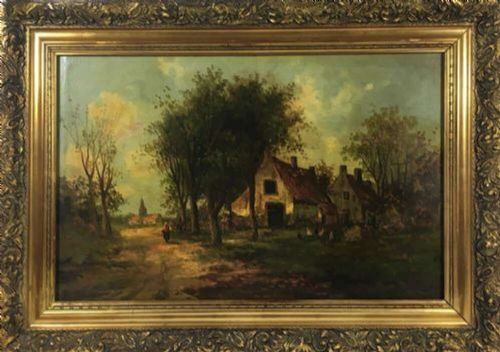

19th Century Oil Landscape
A 19th century oil landscape captures the natural world through rich pigments and textured brushwork, bringing historical pastoral scenes directly into your room.
Understanding the 19th century oil landscape
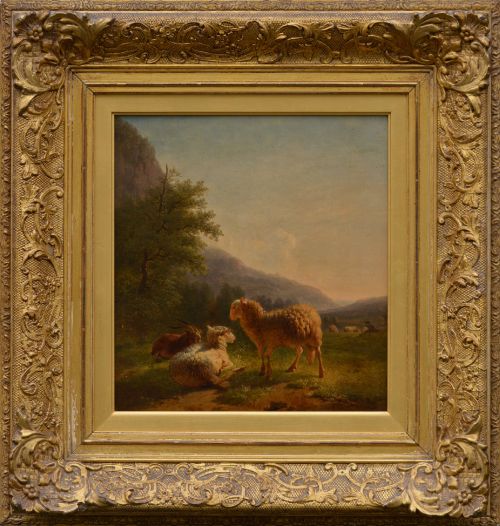
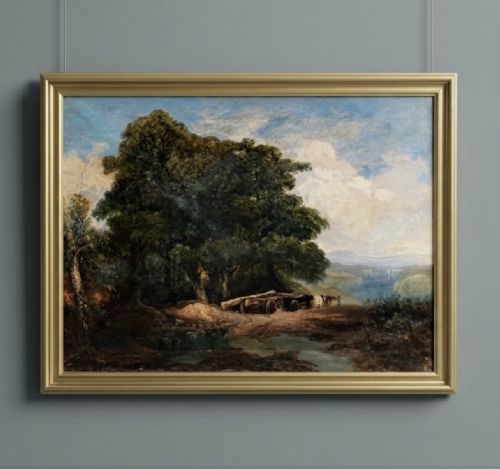
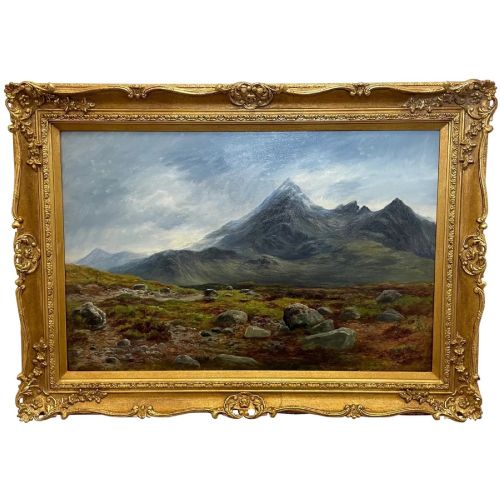
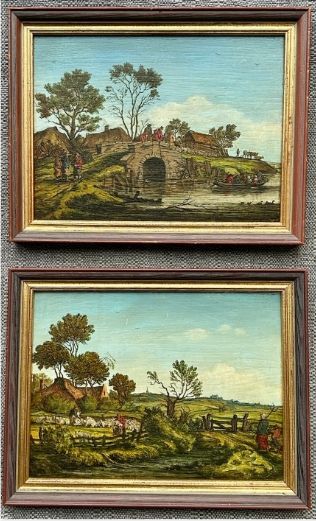
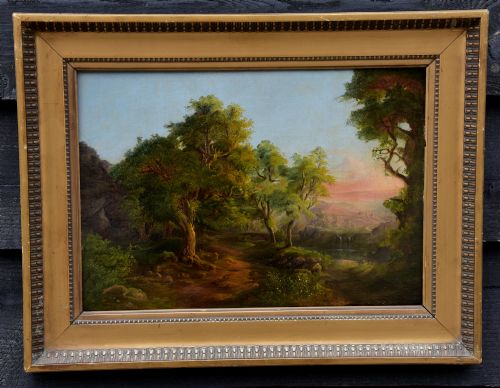
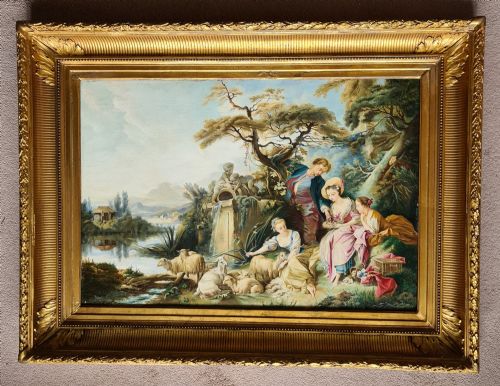
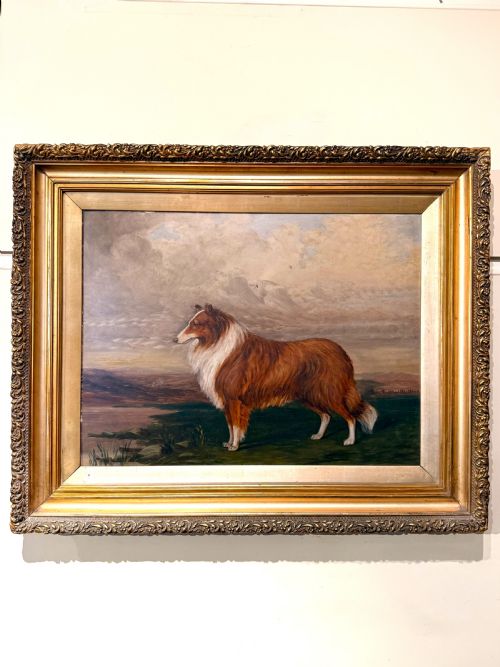
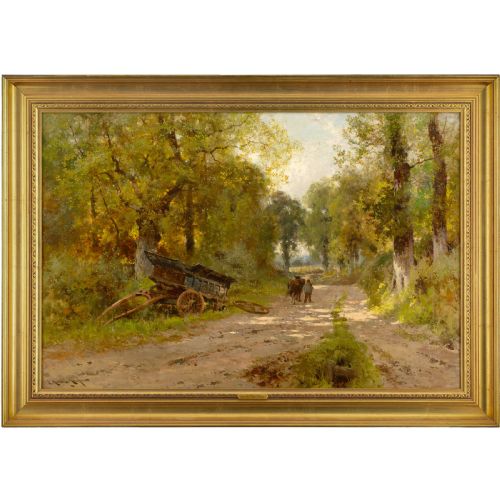
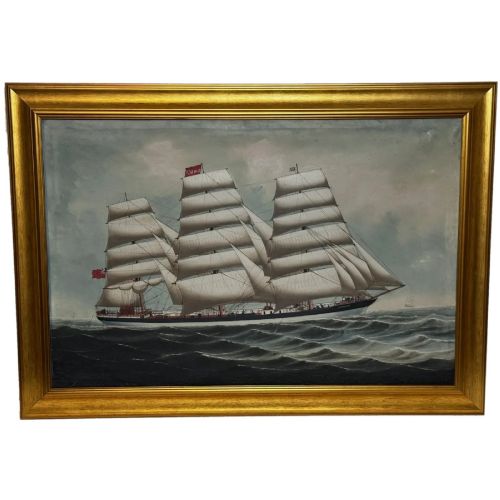
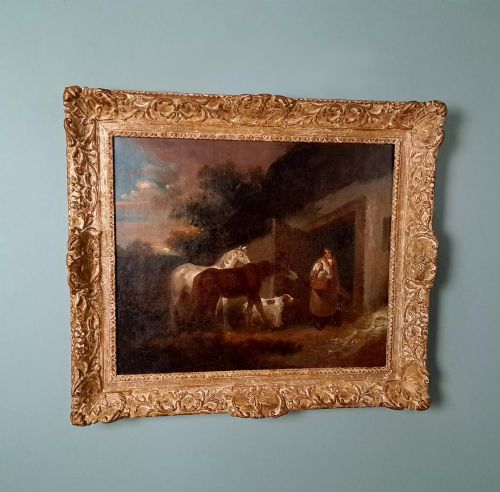
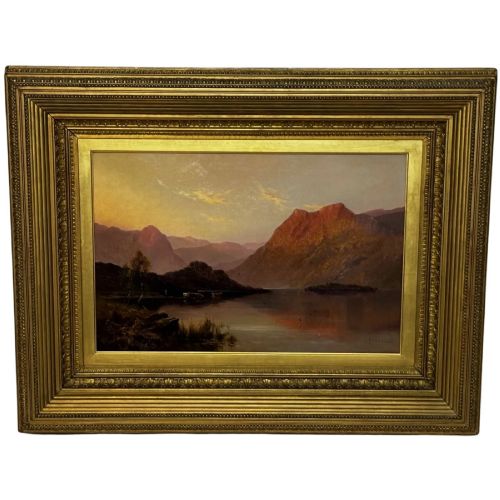
A 19th century oil landscape depicts rural views, pastoral scenes, rivers, and coastal settings through painted surfaces that reflect the artistic movements of the era. Buyers encounter works spanning British impressionism, realism, and Victorian sporting art alongside continental European school pieces.
The subjects range from quiet farmsteads and Scottish highlands to dramatic waterfalls and moonlit river pathways. Canvas, wood panel, board, and card serve as the primary supports for these historical works.
Materials and construction
Painters applied oil paint onto woven canvas stretched over wooden frames, prepared wooden panels, mahogany wood boards, milk glass, and heavy card supports. Artists built up textures using loaded brushes and palette knives to create depth in foliage, skies, and water.
Surrounds often consist of decorative gesso and giltwood frames that complement the tonal balance of the painted composition. Secondary supports sometimes include canvas laid onto board to stabilise fragile historic fabrics.
Retail Price Guide 2026
Typical UK retail prices for 19th century oil landscape, calculated from the Sellingantiques database of over a million retail prices indexed since 2003. This retail price guide relies exclusively on Sellingantiques data; no external sources or auction records are used, so the figures do not describe the wider market.
Listings feature works spanning the nineteenth and early twentieth centuries, executed in oil on canvas, wood panel, board, and card.
Factors determining quality
The nuance of light and atmospheric perspective separates standard decorative works from masterly compositions that capture the true essence of the terrain. Superior handling of pigment creates palpable depth in clouds, water surfaces, and distant hills.
The integrity of the original support and the sympathetic preservation of the paint surface dictate the long term success of the piece. Matching the painting with an appropriate period gilt frame enhances the overall visual impact of the artwork.
Frederick Waters Watts·William Greaves·Henry Schouten·John Falconar Slater·Samuel John Egbert Jones·Anthony Graham·Gerrit Hendrik Göbel·Léon Richet·John Morison·William H Harriott·James Aumonier·Clarence Roe·Franz Hoepfner·Henry Cheadle·Robert Weir Allan
The 19th Century Oil Landscape Glossary
- Gesso
- A plaster mixture applied to wooden frames as a smooth base before gilding with gold leaf. This material allows intricate moulded decorative details to catch the light.
- Giltwood
- Timber that has been coated with a thin layer of gold leaf or gold paint. It provides a luminous border that isolates the painted scene from the surrounding room.
- Panel
- A flat piece of wood, such as mahogany, utilised as a rigid support for painting instead of flexible canvas. Panels offer a stable surface that prevents the cracking common in aged cloth.
- Impressionism
- An artistic style focusing on accurate depiction of light and its shifting qualities rather than strict botanical or architectural accuracy. Painters utilised rapid brushstrokes to convey the fleeting effects of weather.
- Verso
- The back of the canvas, panel, or paper support. Signatures, titles, and dealer stamps often reside here rather than on the front face.
Frequently Asked Questions
How do I care for a canvas painting?
Keep the artwork away from direct sunlight and dramatic shifts in household temperature to prevent the canvas from warping. Dust the surface gently with a soft, dry brush without applying pressure.
Avoid using water, chemical cleaners, or damp cloths on either the oil paint or the gilt frame. Professional conservators should handle any deep cleaning or canvas tightening.
What subjects appear most frequently?
Rural river scenes, sheep grazing on moorland, and pastoral farmsteads dominate the surviving output of this period. Coastal views, moonlight pathways, and highland hills with stags also recur regularly across British and continental schools.
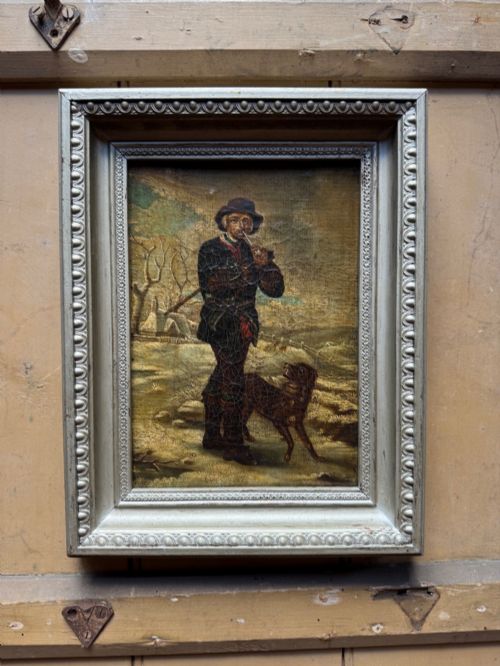
Human figures and livestock often provide scale within these sweeping natural vistas, reflecting the era's fascination with agrarian life.
How can I identify the age of the piece?
Examine the reverse of the artwork for stretcher construction, handwritten inscriptions, exhibition labels, and maker stamps. The composition, clothing styles of any figures, and the material of the panel or canvas offer strong chronological clues.
Original frames often match the prevailing decorative tastes of the decade in which the painting was completed.
Are these works signed by the artists?
Many examples feature visible signatures or monograms applied by the painter, occasionally accompanied by dates on the front face. Other works bear inscriptions, artist names, or titles written on the verso or the frame.
Unsigned pieces frequently attribute to specific schools or followers of master painters based on brushwork style and regional technique.