


English Country Cottage Painting
These English country cottage painting works capture rural domestic life on canvas and paper, offering an enduring glimpse into pastoral heritage.
English Country Cottage Painting
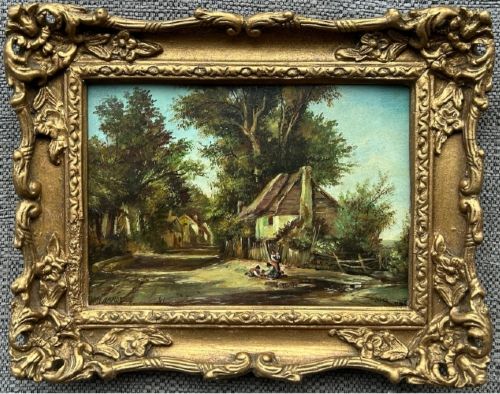
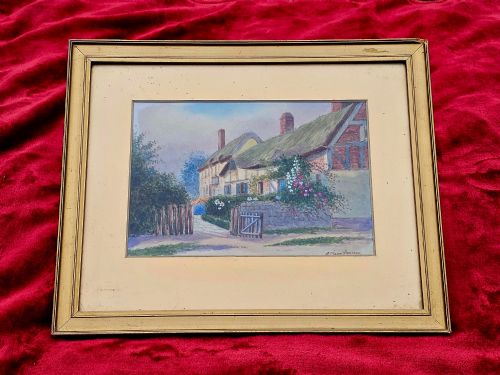
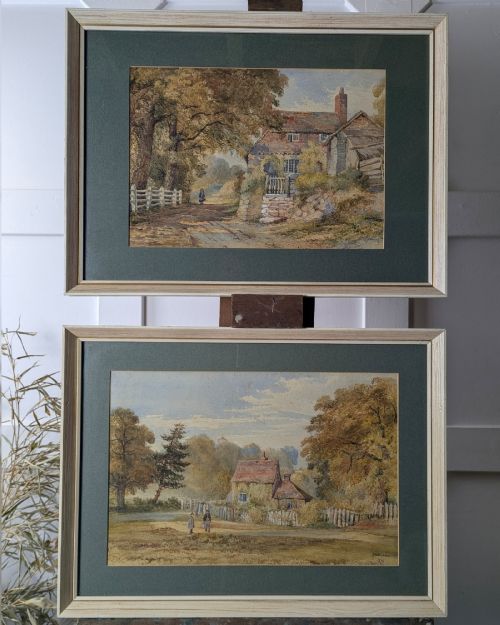
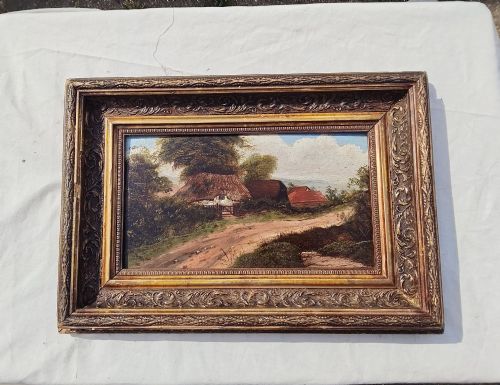
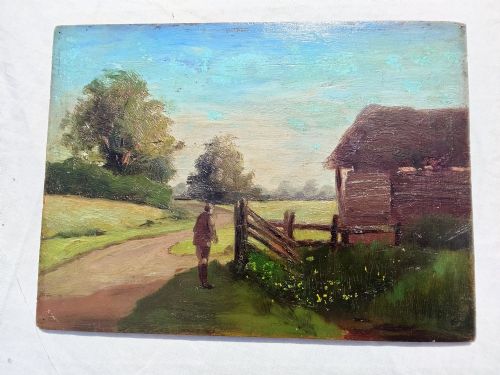
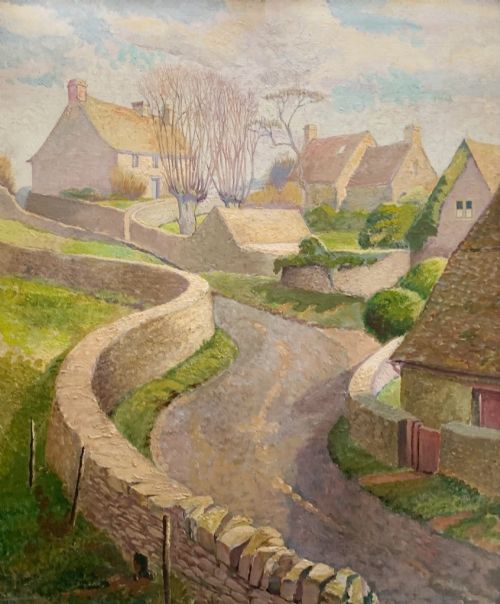
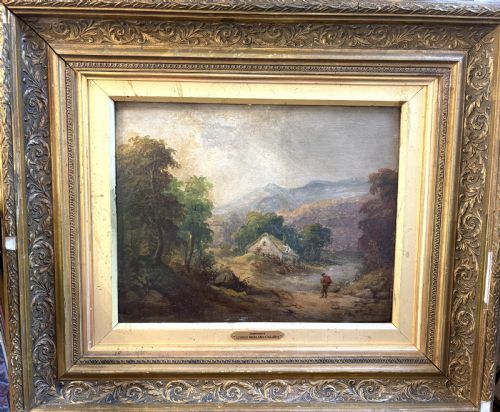
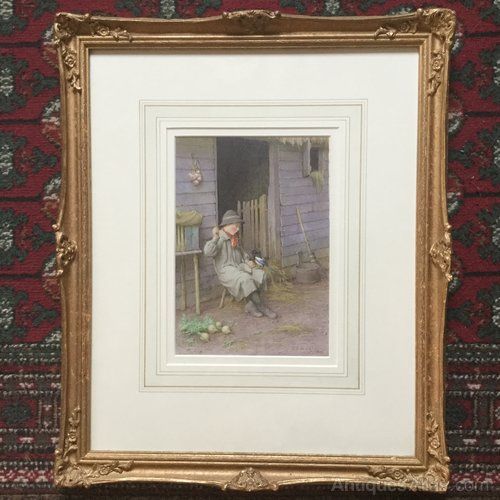
An english country cottage painting brings rural life inside, typically featuring thatched roofs, village lanes, and country gardens. The works available span the nineteenth and early twentieth centuries, capturing the quiet charm of rural settlements across Britain.
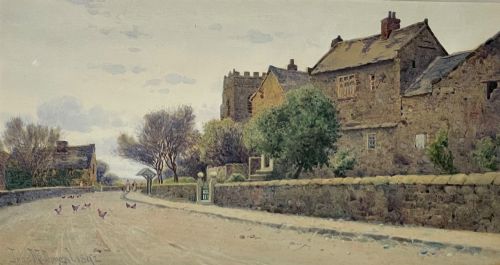
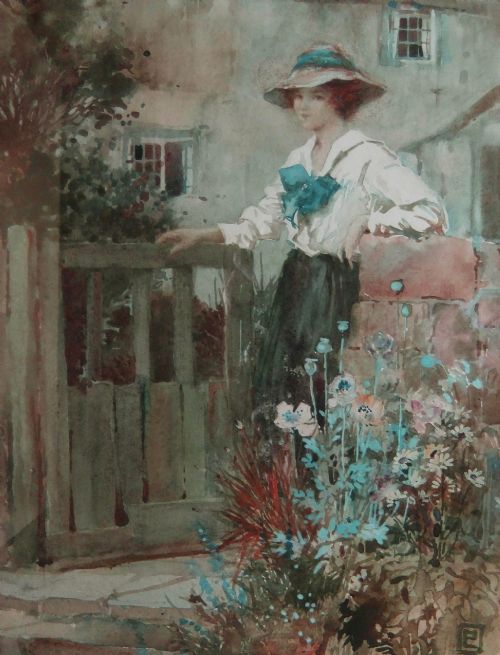
Buyers will encounter both delicate watercolours and substantial oil paintings within this genre. These pieces often depict specific named locations alongside idealised pastoral landscapes framed by artists of the British School and English Pastoral Realism.
The subject matter centres on domestic vernacular architecture, often populated by figures, gardeners, or animals such as ponies and hens. Such scenes document a vanished or rapidly changing countryside as recorded by Victorian, Edwardian, and British Impressionist painters.
Materials and Technique
Artists worked primarily in oil paint on canvas or board, and watercolour pigment on paper. Canvases provide texture and depth for oil compositions, whilst watercolours rely on the luminous quality of the paper beneath.
Watercolour paintings frequently employ fine brushwork to detail thatched roofs, foliage, and masonry. Oil paintings utilise layered pigment to build rich tones across farmsteads and rural landscapes under various daylight conditions.
Retail Price Guide 2026
Typical UK retail prices for english country cottage painting, calculated from the Sellingantiques database of over a million retail prices indexed since 2003. This retail price guide relies exclusively on Sellingantiques data; no external sources or auction records are used, so the figures do not describe the wider market.
Recorded materials span paper, canvas, wood, oil paint, watercolour pigment, and glass across nineteenth and twentieth-century works.
Evaluating the Work
Quality rests in the precision of the draughtsmanship and the artist's handling of light and atmosphere. Stronger examples display confident brushwork that brings texture to thatch, foliage, and rustic brickwork without stiffness.
Compositional balance and narrative detail elevate certain works above standard topographical records. The integration of figures, domestic animals, and well-observed natural light distinguishes superior paintings within the genre.
William Greaves·Helena Maguire·Harry Sylvester Stannard·David Woodlock·Theresa Sylvester Stannard·Alfred Leyman·Georgina Lara·Amy Antill
The English Country Cottage Painting Glossary
- Watercolour paint
- A water-soluble medium consisting of pigment suspended in a water-based solution. It creates translucent washes prized for delicate atmospheric effects.
- Oil paint
- A slow-drying medium made by mixing pigments with oils such as linseed. It allows for rich colour blending and textured impasto application.
- British Impressionism
- A late nineteenth and early twentieth-century painting movement focused on capturing light and everyday scenes with loose brushwork. Artists working in this style moved away from strict academic finish.
- English School
- A collective term for artists working in Britain across various centuries. It denotes national tradition rather than a unified stylistic academy.
- Thatch
- A traditional roofing material made of dry vegetation such as straw or reed. Its textural qualities form a central visual element in many rural cottage scenes.
Frequently Asked Questions
How do I date an English country cottage painting?
Dating relies upon stylistic markers, costumes of any figures depicted, and framing materials. Signatures and dated inscriptions provide the most reliable chronological anchors.
Comparison with documented works by known artists from the Victorian and Edwardian periods further refines the likely execution date.
What is the difference between watercolour and oil versions?
Watercolour paintings are executed on paper and typically displayed behind glass for protection. They offer a lighter, more translucent rendering of rural light.
Oil paintings utilise canvas or board supports and present heavier textures with deeper colour saturation. They generally require different framing without protective glazing.
Where were these rural scenes usually painted?
Artists travelled across rural counties including Devon, Nottinghamshire, and Yorkshire to record vernacular architecture. Many works depict specific named inns, cottages, and village lanes.
Others combine observed elements into idealised pastoral compositions characteristic of English Pastoral Realism.
How should I display and care for these paintings?
Watercolours require protection from direct sunlight to prevent fading of the pigments on paper. They should be hung in stable environments away from damp conditions.
Oil paintings on canvas benefit from moderate humidity and occasional professional cleaning of the varnish surface. Both types should avoid extreme temperature fluctuations.