

19th Century Watercolour Painting
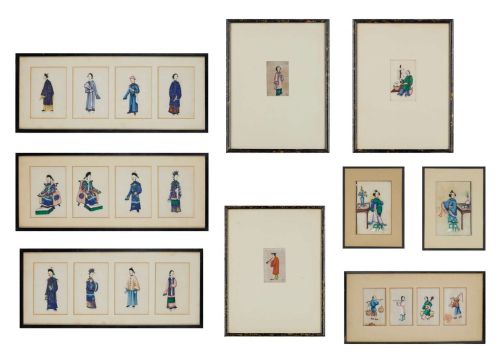
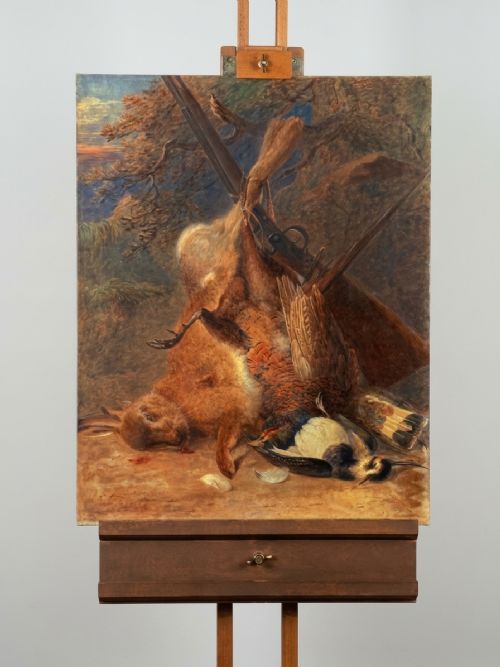
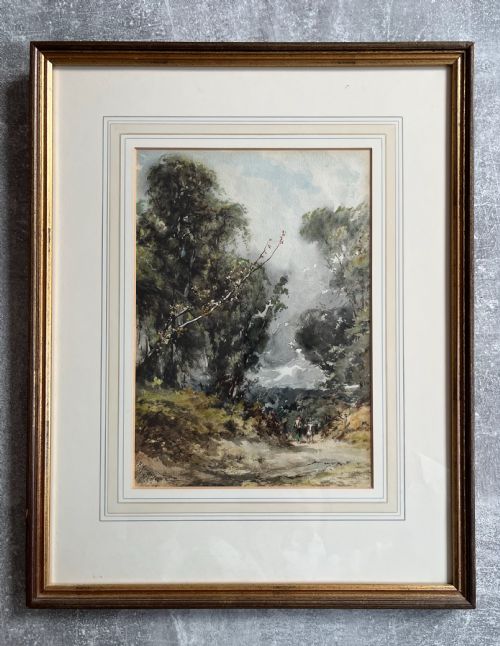
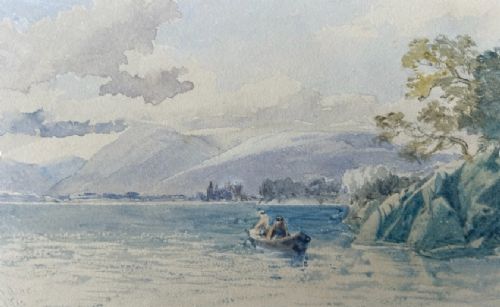
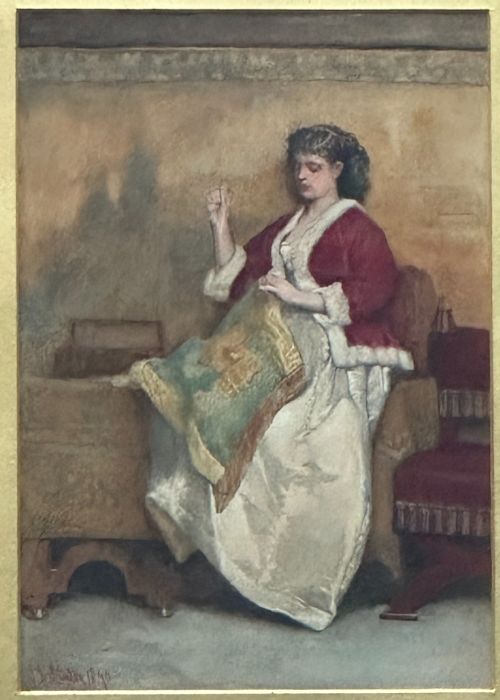
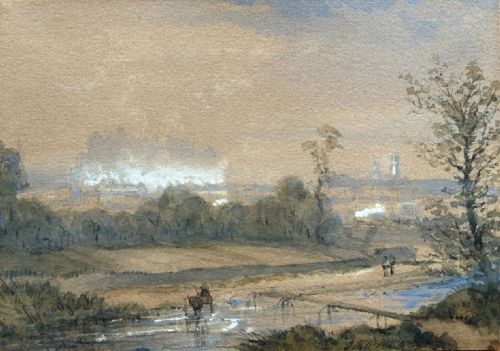
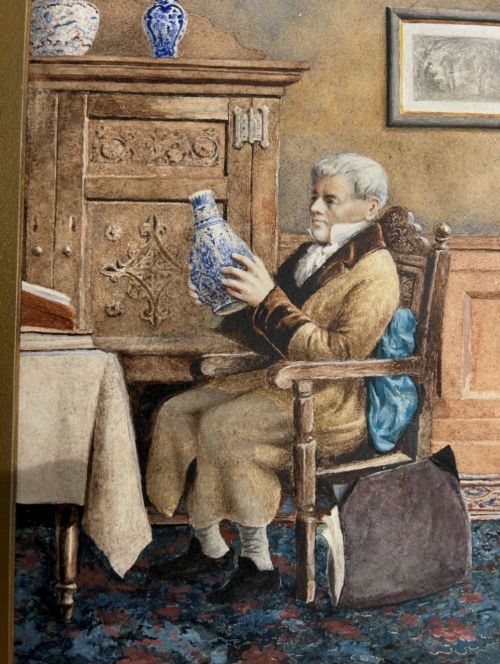
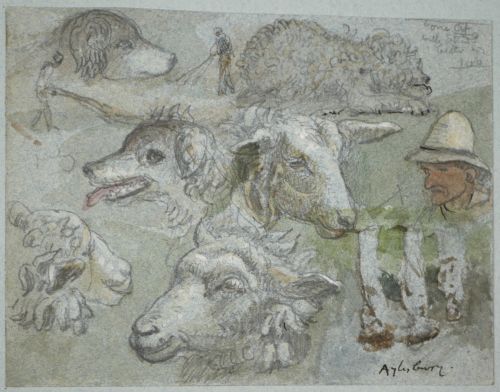
These 19th century watercolour painting works capture landscapes, portraits and botanical studies on paper.
19th Century Watercolour Painting
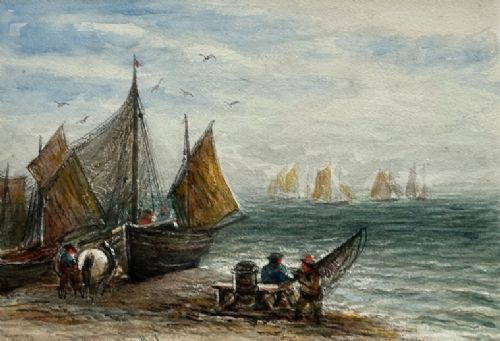
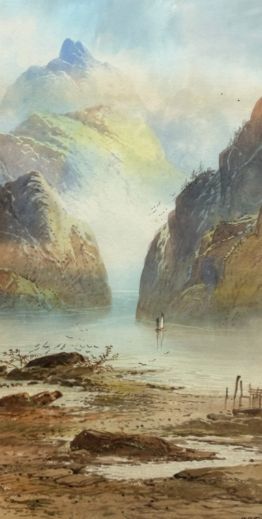
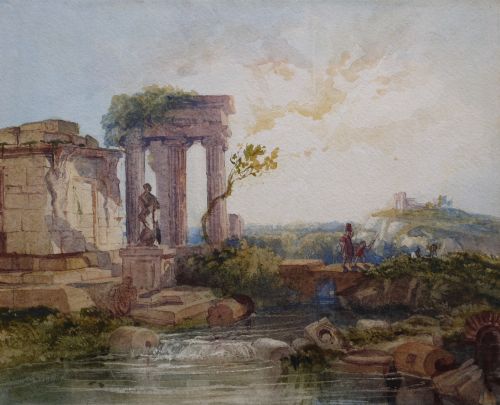
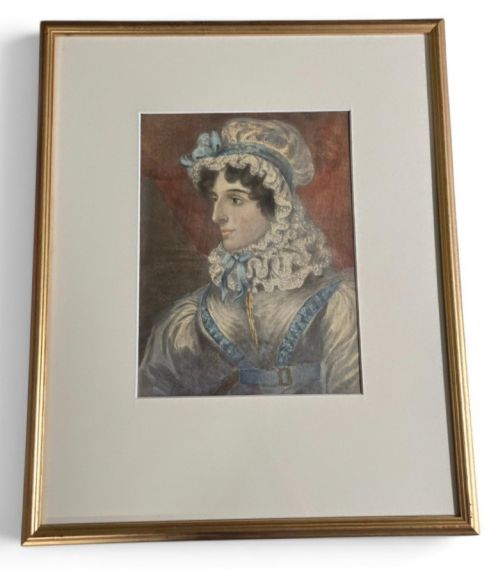
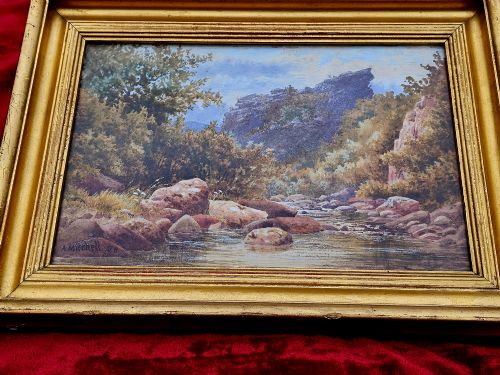
A 19th century watercolour painting covers a wide range of subjects, from expansive British landscapes and coastal seascapes to intimate botanical studies and portrait miniatures. Buyers frequently encounter works depicting Scottish and Welsh scenery, alongside river views and architectural subjects from the Victorian and Regency periods.
The selection includes pieces created by named Royal Academy artists as well as skilled amateurs, working in styles spanning the Romantic revival to British Impressionism. Many examples retain their original giltwood or rosewood frames, offering a complete historical package for collectors of works on paper.
How they were made
Artists of this era applied watercolour pigments mixed with water onto heavy paper or silk, sometimes combining bodycolour for opaque highlights. Ink and wash techniques were also employed for detailed preparatory sketches and topographical views.
Finished works were protected behind glass and mounted within timber frames, frequently enhanced with gold leaf or gilt wood mouldings to suit domestic interiors of the period.
19th Century Watercolour Painting Retail Price Guide 2026
Typical asking prices for 19th century watercolour painting among the pieces listed under this phrase on Sellingantiques today, from the lower quarter to the upper quarter. They describe what is for sale here now, not the wider market.
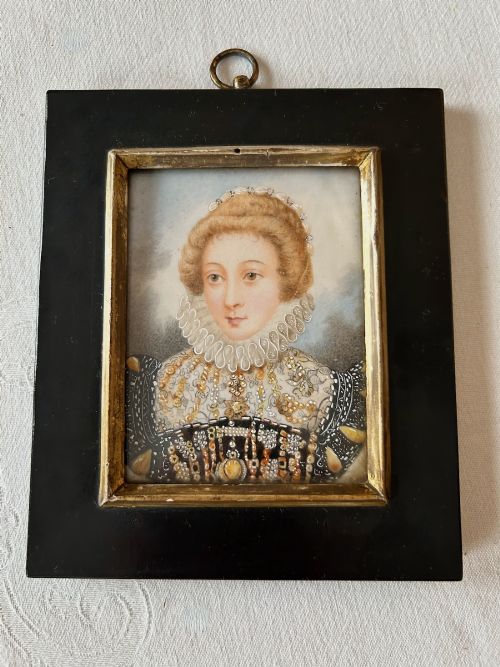
Portraits range from small miniature paintings housed in brooches to large exhibition-size watercolours depicting historical figures and officers.
What varies in quality
The strength of the composition and the artist's handling of light and atmosphere distinguish finer works from standard topographical records. Mastery of pigment dilution and brushwork creates depth in landscapes and vitality in portraiture.
Condition plays a significant role, particularly the preservation of vibrant pigment colours against fading caused by light exposure. The integrity of the original mount and frame also contributes to the overall standing of a piece.
George Sydney Shepherd·Thomas Miles Richardson Jnr·James Orrock·William Henry Earp·Richard Principal Leitch·Sir James Dromgole Linton·David Cox Senior·John Syer
The 19th Century Watercolour Painting Glossary
- Bodycolour
- Watercolour pigment mixed with a white filler to make it opaque. This technique allows artists to add solid highlights and rich details over transparent washes.
- Grisaille
- A painting executed entirely in shades of grey or neutral monochrome. This method was frequently used for preparatory sketches or to imitate low-relief sculpture.
- Portrait miniature
- A small, highly detailed portrait painting created on paper, vellum or ivory. These portable works were often housed in protective cases, brooches or lockets.
- Giltwood
- Wood that has been carved and coated with a thin layer of gold leaf. It is commonly found on antique frames surrounding fine art works.
19th Century Watercolour Painting: Frequently Asked Questions
How do I care for antique watercolours?
Keep watercolours away from direct sunlight to prevent the pigments and paper from fading over time. Maintaining a stable indoor environment without excessive humidity protects both the paper and the original frame.
Were these paintings always framed?
Most finished pieces were framed soon after completion to protect the delicate paper surface from dust and handling. Surviving original frames provide helpful clues regarding the period and context of the artwork.
How can I tell a sketch from a finished painting?
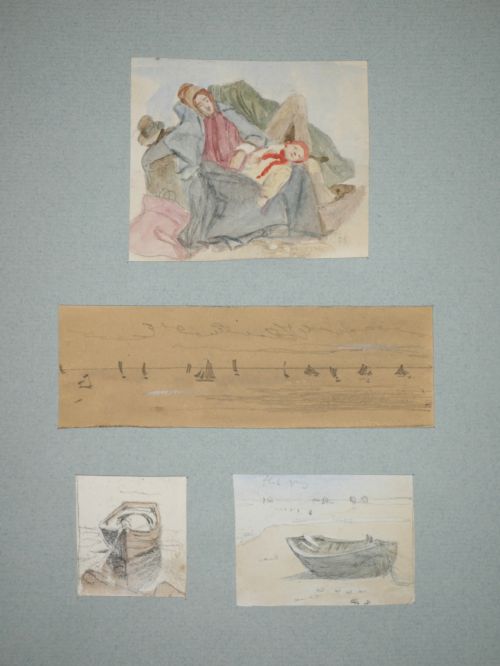
Sketches often display visible pencil underdrawings, rapid brushstrokes and areas left unpainted to capture a quick observation. Finished paintings show more deliberate layering of pigment and complete tonal development across the entire composition.
What is the difference between Victorian and Regency watercolours?
Regency watercolours often lean towards soft botanical studies, classical Italianate scenes and delicate pale washes. Victorian examples frequently feature bolder colour palettes, more dramatic landscape lighting and narrative subjects.