



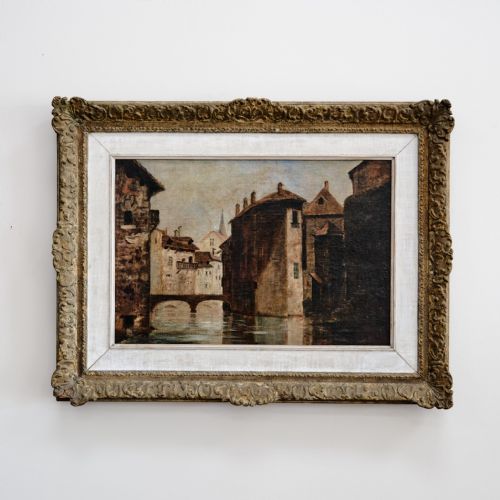
Antique Architectural Painting
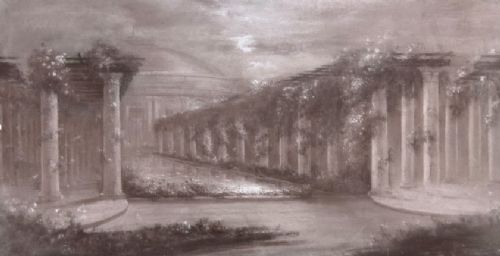
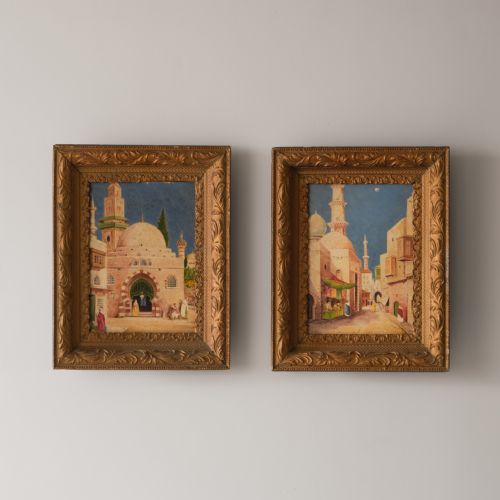
These antique architectural paintings capture detailed facades, soaring cathedrals, and historic townscapes on paper and canvas.
What They Are
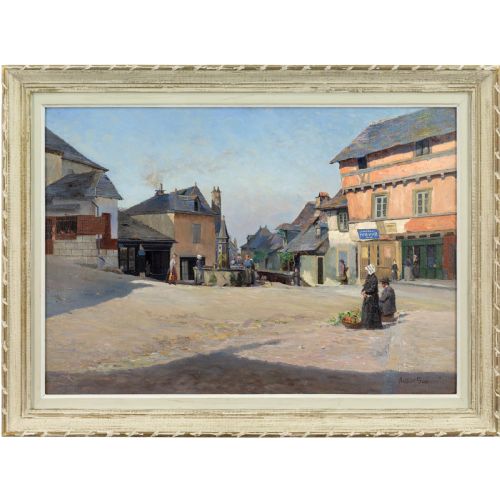
An antique architectural painting brings the grandeur of historic buildings, cathedrals, and monuments directly into an interior space. These works focus on structure, from the intricate vaulting of Italian basilicas to familiar townscapes and market squares.
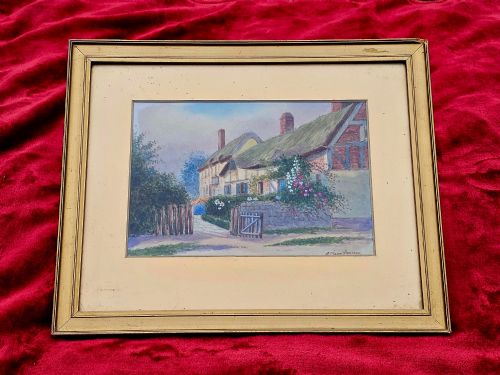
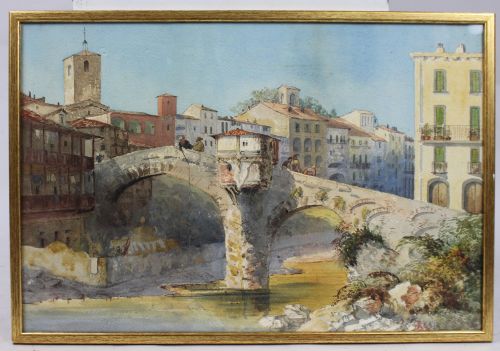
The pieces available span several distinct periods, including the Regency era, the nineteenth century, and the early twentieth century. Works from this range often depict specific British landmarks like York Minster and Durham Cathedral, alongside continental scenes from Italy and France.
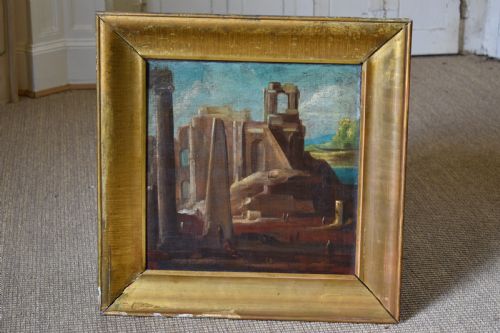
Buyers will encounter varied artistic approaches, ranging from precise topographical studies to imaginative compositions like an architectural capriccio. Subjects include grand church interiors, tomb studies, palace facades, and intricate ceiling details.
How They Were Made
Artists utilised watercolour pigment on paper to achieve fine, precise lines necessary for capturing complex masonry and stone tracery. Many works incorporate delicate washes alongside sharper pen and ink or pencil underdrawings to define arches, columns, and vaulted ceilings.
Oil paint on canvas or panel was also employed, particularly for grander compositions and atmospheric townscapes. Framing materials recorded in the history include gilt wood, complementing the formality of nineteenth-century subjects.
Listings feature works from the Regency, nineteenth century, and early twentieth century executed in watercolour and oil.
What Varies in Quality
The distinction between standard topographical recording and superior artistry lies in the handling of perspective, light, and atmosphere. Masterful works give stone a convincing weight and texture while managing complex interior illumination.
Documentation and provenance elevate certain pieces, particularly when an artist is clearly identified through signatures, monograms, or distinct stylistic attribution to specific schools and periods.
Joseph W Milliken·Tom Dudley·William James Boddy·W H Sweet·George Fall
The Antique Architectural Painting Glossary
- Capriccio
- An architectural painting that combines buildings, archaeological ruins, and other architectural elements in a fictional, fantastical arrangement.
- Topographical
- Depicting a specific, identifiable real-world location or building with accuracy and attention to surrounding detail.
- Watercolour
- A paint medium consisting of finely ground pigments suspended in a water-soluble binder, applied to paper for transparent colour washes.
- Vaulting
- An architectural arched form used to ceiling a space, frequently rendered as a complex subject in cathedral studies.
Frequently Asked Questions
What subjects appear most often in these paintings?
Cathedral interiors, tomb studies, and historic townscapes dominate the selection. Artists frequently recorded specific architectural details like vaulted ceilings and prominent towers.
Continental subjects from Italy sit alongside British landmarks, reflecting the travel interests of past centuries.
How do I date an antique architectural painting?
Dating relies on recorded signatures, stylistic evidence of the period, and framing materials. Nineteenth-century and early twentieth-century works often bear artist monograms or inscriptions detailing the specific building.
Paper quality and pigment characteristics also offer clues to the approximate decade of creation.
Where were these watercolours and oils displayed?
These works were typically framed and hung in domestic studies, libraries, and drawing rooms. Collectors during the nineteenth and early twentieth centuries valued them as mementos of travel and architectural study.
Today, they suit similar traditional interior settings as well as contemporary spaces seeking historic focal points.
Are these works original or printed reproductions?
Every piece recorded in the archive and current listings is an original painting or watercolour executed by hand. Artists applied pigment directly to paper or canvas.
Brushstrokes, pigment granulation, and pencil underdrawings confirm the unique, hand-painted nature of each artwork.