




Traditional British Landscape Art
Traditional British landscape art captures rural scenes and coastal views using watercolour on paper and oil on canvas.
What traditional british landscape art is
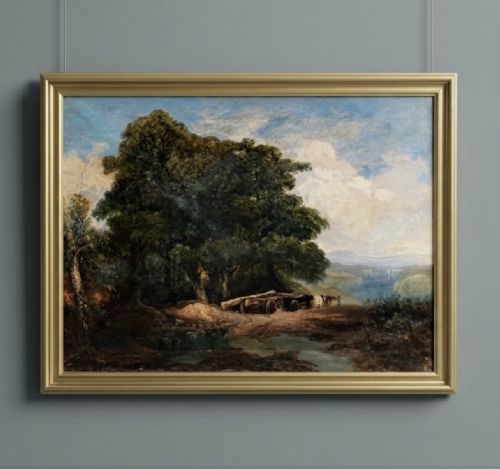
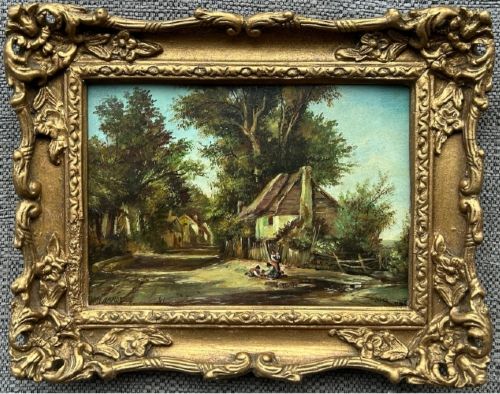
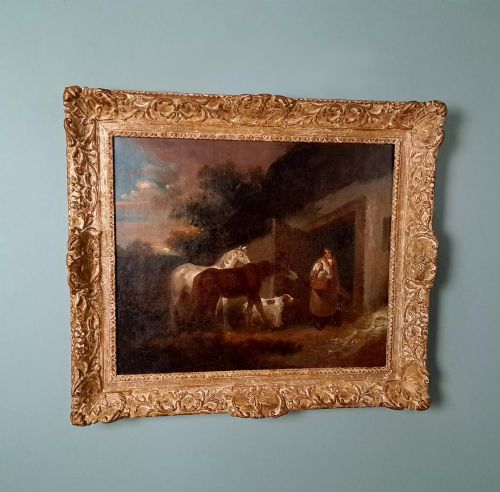
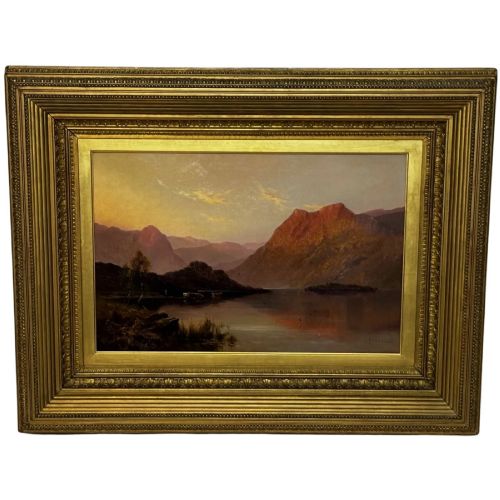
Traditional british landscape art comprises paintings produced across the nineteenth and early twentieth centuries, capturing river scenes, country cottages, and coastal villages. These works document the topography and rural life of Britain through the eyes of various regional artists.
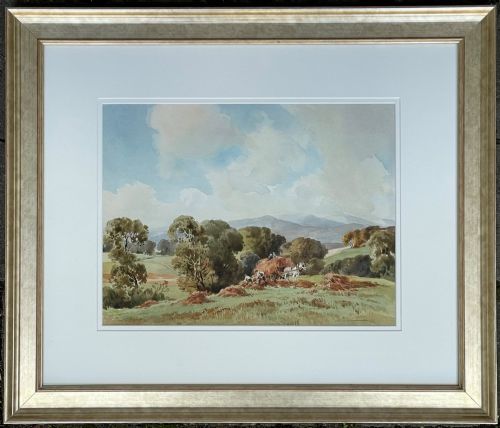
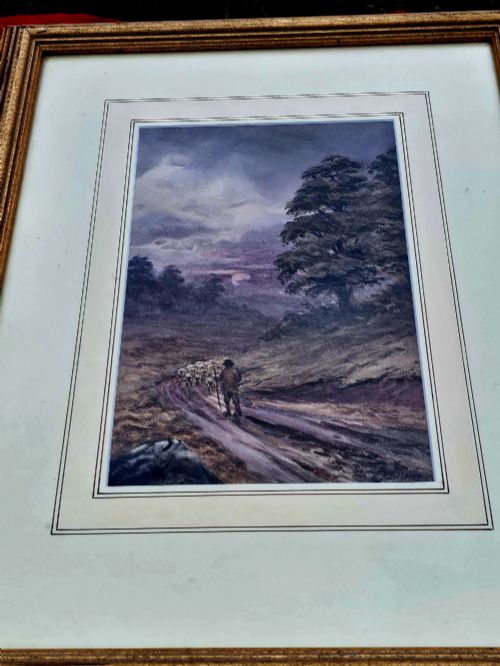
The most common examples encountered on this page are watercolours on paper, often framed in giltwood. These pieces range from intimate depictions of Surrey cottages to broader panoramas of the Lake District and the Thames.
Works span movements such as Romanticism, Victorian fine art, and British impressionism. Each style brings a distinct treatment of light and atmosphere to the depiction of British scenery.
How they were made
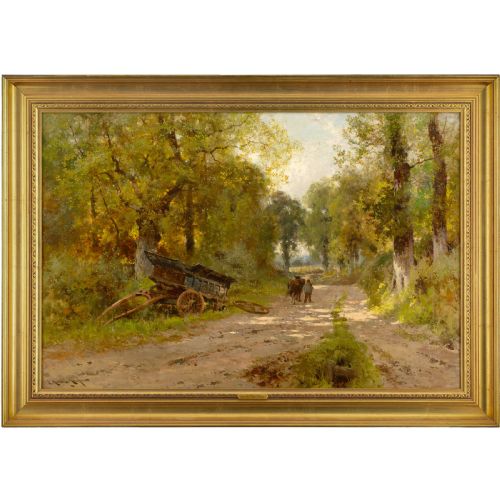
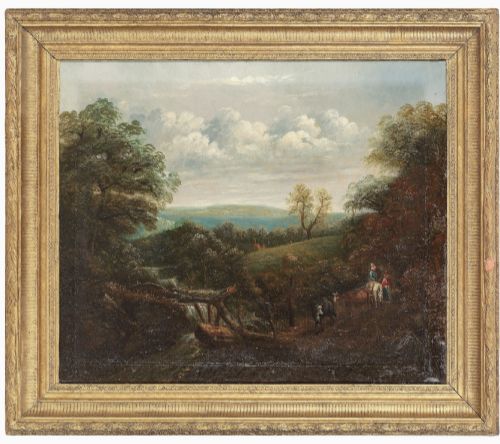
Artists primarily used watercolour paint applied to paper, a medium favoured for capturing the mutable weather and light of the British countryside. Some works utilise oil on canvas to build heavier texture and deeper colour in woodland riverscapes and pastoral scenes.
Framing often involved gilt wood or giltwood surrounds, which complemented the finished paintings and protected the fragile paper surfaces of the watercolours.
Retail Price Guide 2026
Typical UK retail prices for traditional british landscape art, calculated from the Sellingantiques database of over a million retail prices indexed since 2003. This retail price guide relies exclusively on Sellingantiques data; no external sources or auction records are used, so the figures do not describe the wider market.
Styles represented across the inventory include Victorian fine art, British impressionism, and Romanticism.
What varies in quality
Quality rests on the sureness of the brushwork and the artist's ability to render atmosphere and natural light convincingly. Stronger pieces display confident handling of pigment, whether in the translucent washes of a watercolour or the heavier impasto of an oil painting.
The degree of documentary detail and the strength of the composition elevate certain works above standard topographical sketches. Provenance, such as exhibition history, further distinguishes the finest pieces in this field.
Robert Thorne Waite·Henry John Kinnaird·Stephen Enoch Hogley·Rowland Henry Hill·Charles Edward Holloway·Owen Bowen·Alfred Leyman
The Traditional British Landscape Art Glossary
- Watercolour paint
- A water-soluble medium consisting of pigment suspended in a water-based solution, traditionally applied to paper.
- Giltwood
- Wood that has been covered with a thin layer of gold leaf or gold paint, frequently used for traditional picture frames.
- Romanticism
- An artistic movement emphasising emotion, individualism, and the awe-inspiring power of nature, often featuring ruins and dramatic scenery.
- Impressionism
- A style involving relatively small, thin yet visible brush strokes and an accurate depiction of changing light.
- Provenance
- The chronology of the ownership, custody, or location of a historical artwork.
Frequently Asked Questions
What is traditional british landscape art?
Traditional british landscape art comprises paintings created during the nineteenth and early twentieth centuries that depict rural and coastal scenes across Britain. These works record the changing appearance of the countryside before modern development.
Most examples employ watercolour on paper or oil on canvas, reflecting the prevailing academic and regional styles of the period.
How should I display watercolour paintings?
Watercolour paintings require careful placement away from direct, strong sunlight to prevent the pigments and paper from fading over time. Maintaining a stable indoor environment helps protect both the paper and the original frame.
Glazing protects the fragile painted surface from dust and atmospheric pollutants while allowing the delicate details to remain clearly visible.
How do I identify a nineteenth century work?
Nineteenth century works often display specific framing techniques, types of paper, and handwritten inscriptions recording titles or locations on the reverse. Stylistic markers such as Romantic or Victorian fine art conventions also help place a painting within this era.
Examining the materials used in the backing and mount can provide additional clues regarding the age of the piece.
What subjects are common in these paintings?
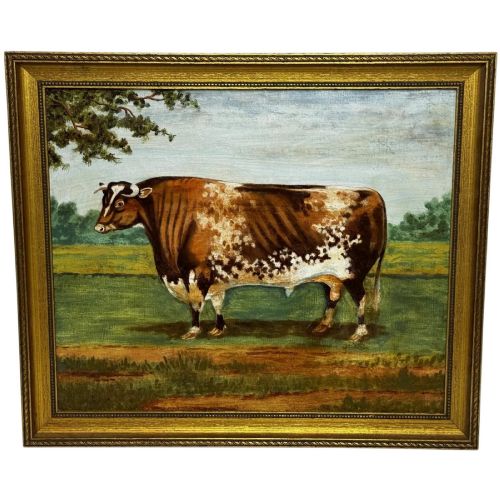
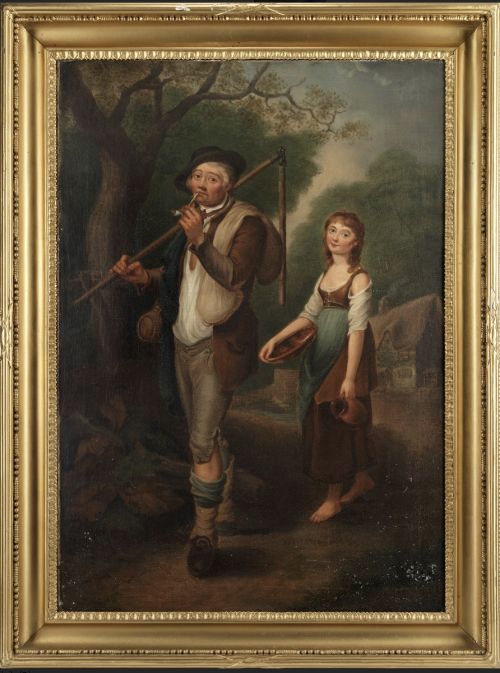
Common subjects include riverscapes, country cottages, castle ruins, and local marketplaces across regions like the Lake District, Devon, and the Thames. Artists frequently recorded recognizable landmarks and rural occupations such as milking time.
These topographical details make the artworks valuable historical records of British social and agricultural history.