
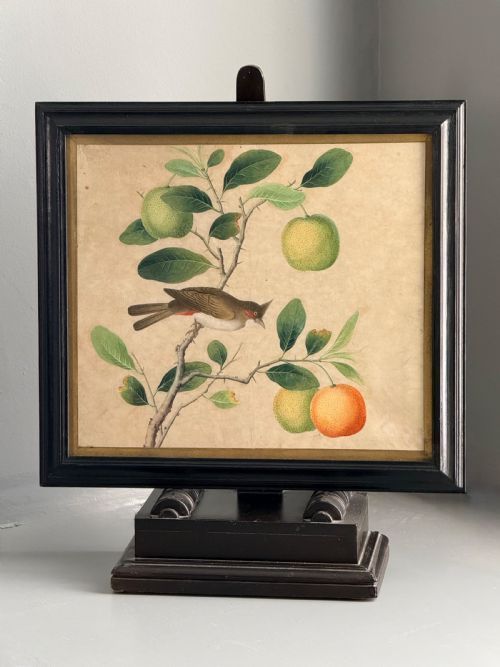

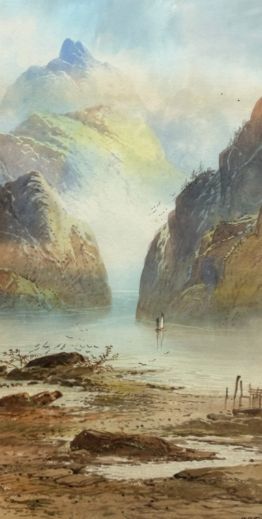
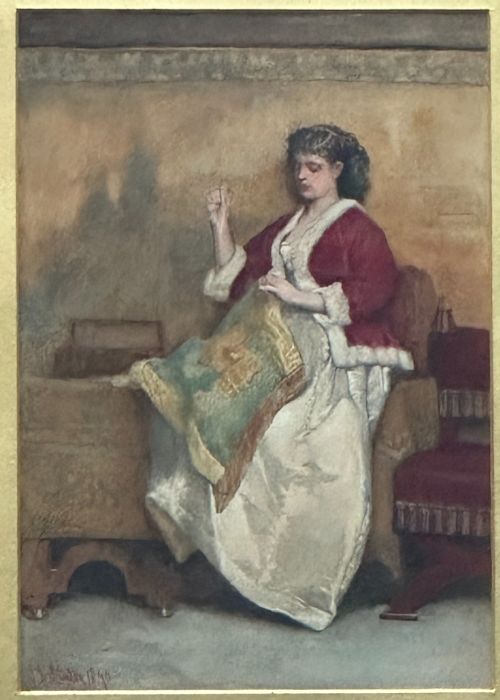


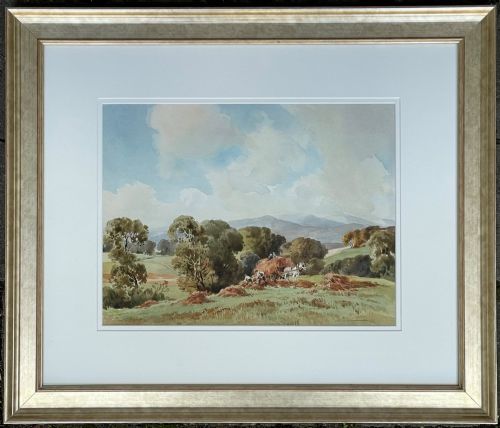
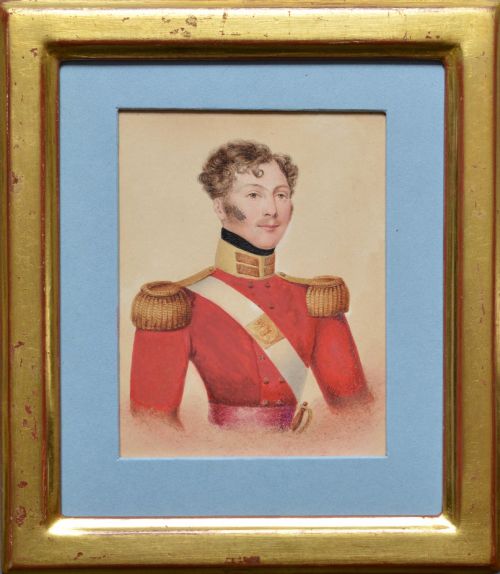
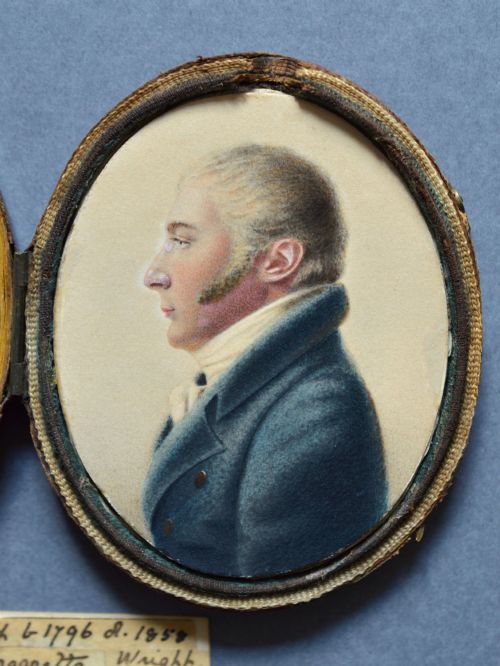
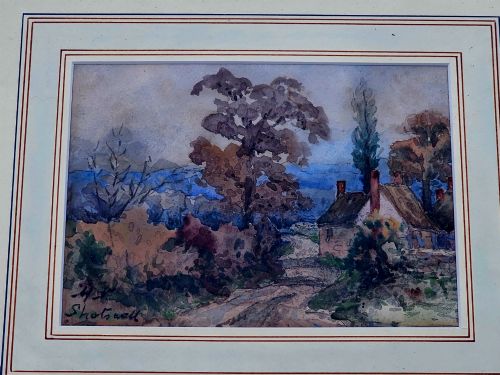
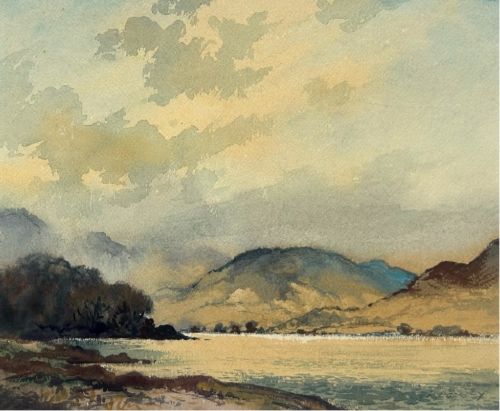
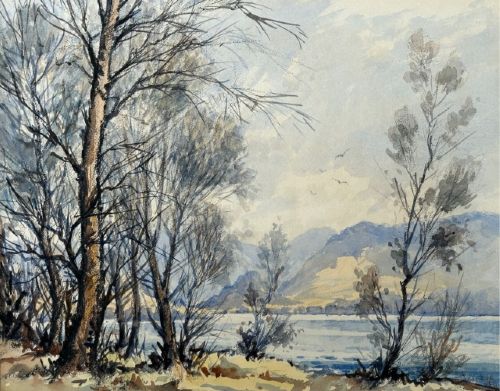
Framed Paper Watercolour Painting
These framed paper watercolour painting works offer a wonderful window into past British artistic styles and domestic scenes.
What these paintings are
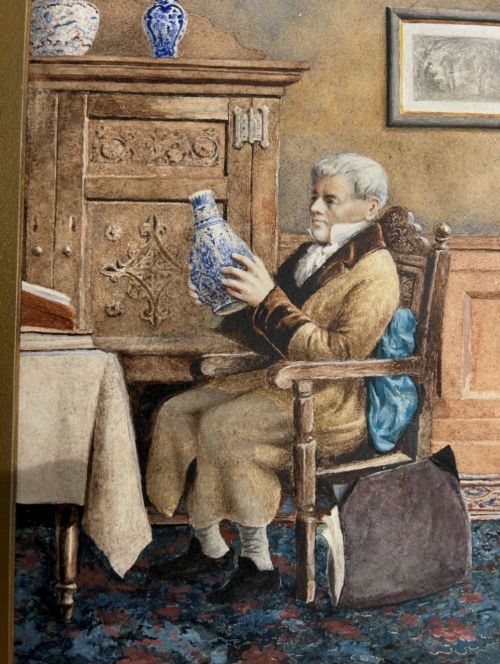
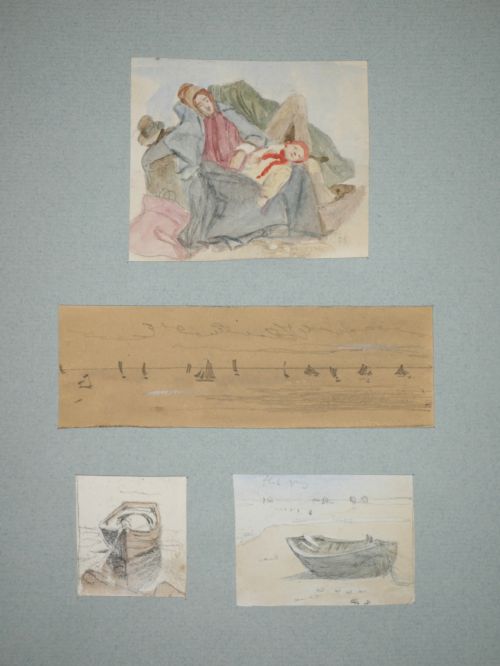
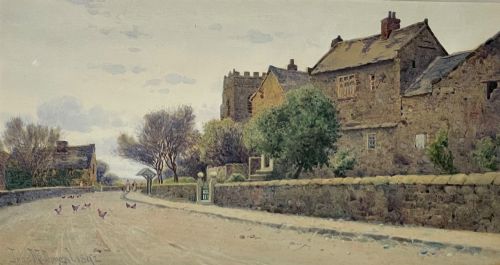
When you search for framed paper watercolour painting, you encounter original artworks spanning the nineteenth century through the mid-twentieth century. The selection encompasses various British schools, capturing everything from quiet rural landscapes to coastal views and portraiture.
Most pieces you meet on this page hail from the Edwardian era, the nineteen-twenties, and the nineteen-thirties. You will regularly find works categorised under British Impressionism and the mid-century British school, alongside charming character studies and caricatures.
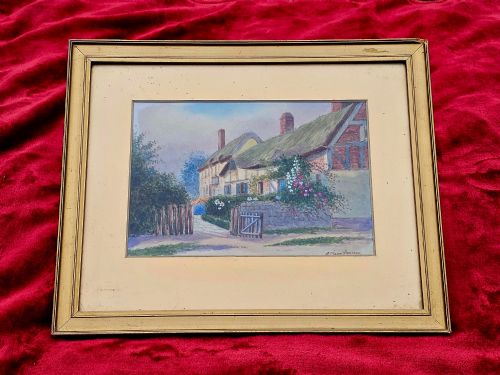
The subjects range widely across British geography and daily life. Painters recorded locations such as West Sussex, Whitby, Cardigan Bay, and Devonshire, preserving scenes of country houses, market places, and riverbanks.
How they were made
Artists created these works using watercolour pigment applied directly onto paper supports, often incorporating ink to define delicate lines and details. The resulting translucent layers allowed the white of the paper to illuminate the composition from beneath.
Each artwork is protected behind glass within a wooden frame, which preserves the fragile paper and pigment from atmospheric damage. Some pieces also utilise papier-mâché within their framing or mounting structures to achieve distinct historical presentation.
Retail Price Guide 2026
Typical UK retail prices for framed paper watercolour painting, calculated from the Sellingantiques database of over a million retail prices indexed since 2003. This retail price guide relies exclusively on Sellingantiques data; no external sources or auction records are used, so the figures do not describe the wider market.
Listings span from the nineteenth century through the nineteen-forties, utilising paper, watercolour pigment, ink, wood, and glass.
What varies in quality
The distinction between standard works and superior examples lies in the confidence of the brushwork and the clarity of the composition. Master painters captured light and atmosphere with immense economy of stroke, whereas lesser pieces often rely on laboured or heavy-handed application.
Framing and preservation significantly influence the character of each piece. Surviving examples that retain period wooden frames and clean glass offer a more complete historical context than those subjected to modern re-framing.
Rowland Henry Hill·Henry Charles Fox·Clarence Woodburn·William Mark Fisher
The Framed Paper Watercolour Painting Glossary
- Watercolour pigment
- The primary colouring agent used in these works, bound in a water-soluble medium for fluid application. It produces transparent washes that depend heavily on the paper surface.
- Paper
- The delicate fibrous support upon which the artist paints. Its weight and texture dictate how the water and pigment settle during the creative process.
- Glass
- The protective transparent covering fitted inside the wooden frame. It shields the vulnerable paper surface from dust, moisture, and handling.
- British Impressionism
- An artistic movement focusing on light, everyday subjects, and loose brushwork. Practitioners sought to capture momentary visual impressions rather than rigid academic detail.
- Edwardian
- A stylistic period spanning the early twentieth century. Works from this era often reflect the peaceful charm of rural landscapes and genteel domestic scenes.
Frequently Asked Questions
How should I hang watercolour paintings?
Position your framed paper watercolour painting away from direct sunlight to prevent the pigments from fading over time. Consistent indoor temperatures also protect the paper support from warping.
Ensure the wall fixings are secure and suitable for the weight of the wooden frame and glass. Hang the artwork at eye level to best appreciate the delicate brushwork.
What periods do these paintings cover?
The available selection primarily spans the nineteenth century through the middle of the twentieth century. You will encounter works dated across the nineteen-hundreds, nineteen-tens, nineteen-twenties, and nineteen-thirties.
Earlier pieces often reflect traditional architectural or interior documentation, while later works lean towards impressionistic landscapes and caricatures.
Are these paintings original works?
Every listed item is an original painting created by hand using watercolour pigments and ink upon paper. These are unique historical artefacts rather than modern reproductions or prints.
Signatures or inscriptions by the artists frequently appear on the pieces, helping to identify the creator and location depicted.
How do I identify Edwardian watercolours?
Edwardian pieces often feature tranquil pastoral views, country houses, or coastal settlements rendered with soft, naturalistic palettes. The brushwork typically balances academic precision with a lighter, atmospheric touch characteristic of the era.
Checking the listed date or stylistic markers helps confirm the twenty-first-century or late nineteenth-century origin of the framing and paper.