


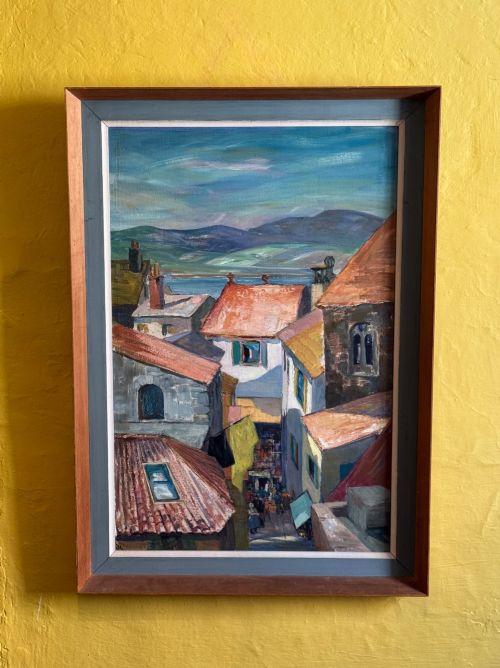
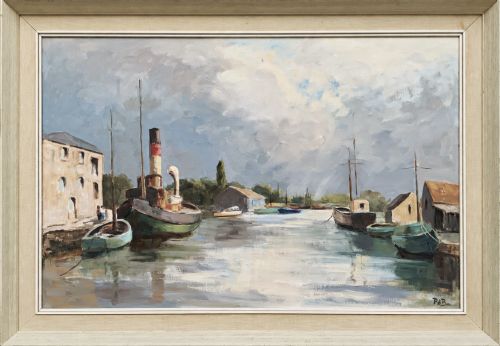

Antique Fine Art Landscape
An antique fine art landscape brings the open air and historic scenery indoors through centuries of oils and watercolours.
Antique Fine Art Landscape
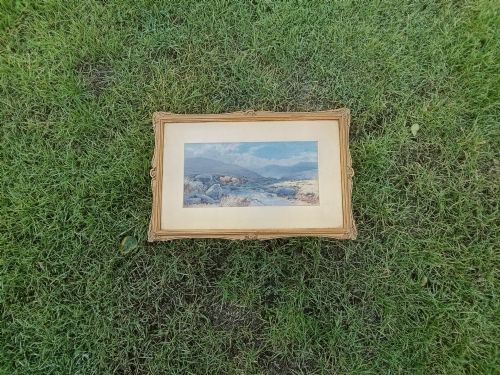
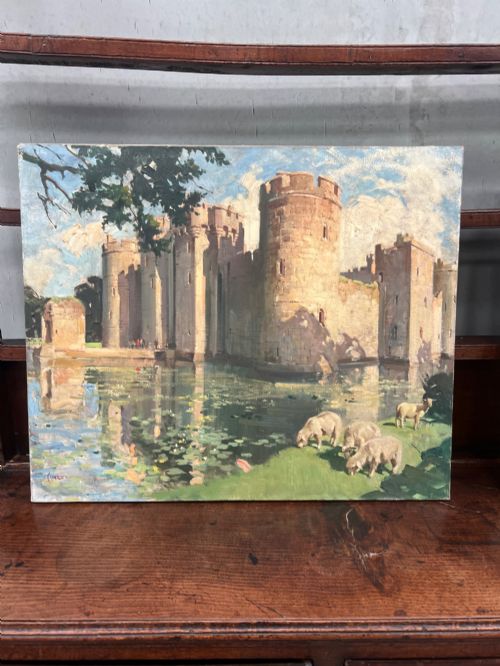
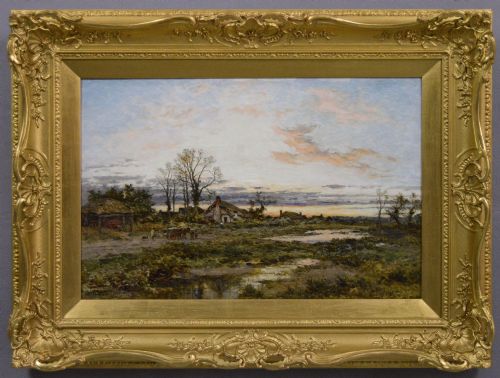
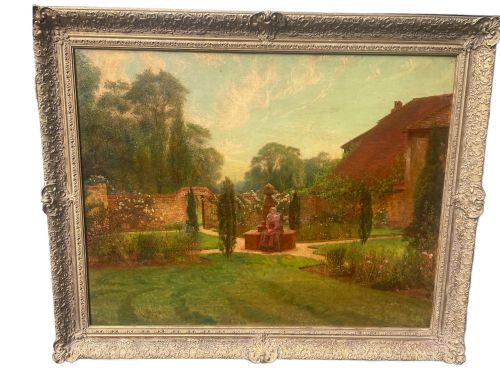
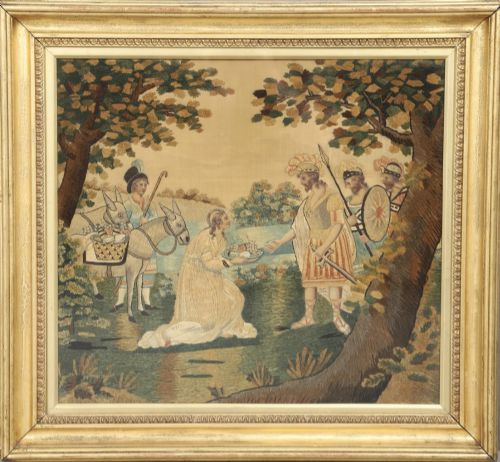
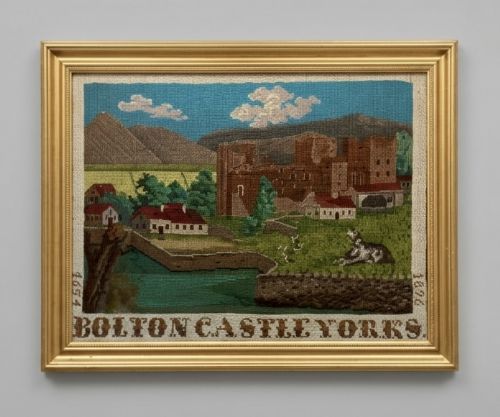
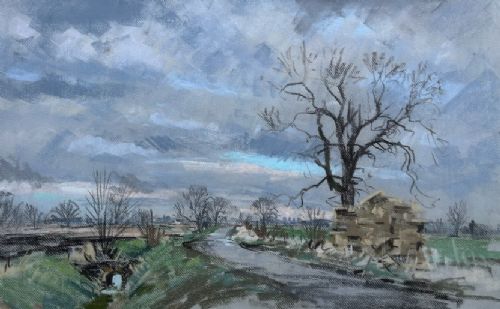
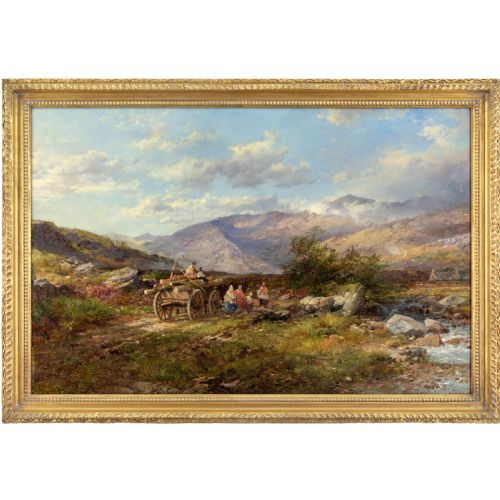
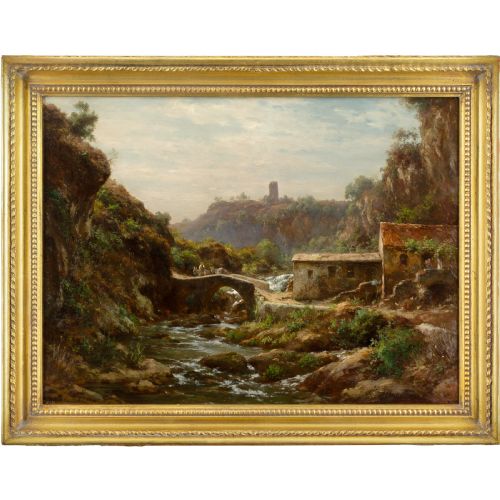
When you search for an antique fine art landscape, you encounter framed paintings and wall tapestries depicting pastoral scenes, coastal views, and river paths. These works span from the eighteenth century through the Edwardian period, capturing rural life and distant horizons across Britain and continental Europe.
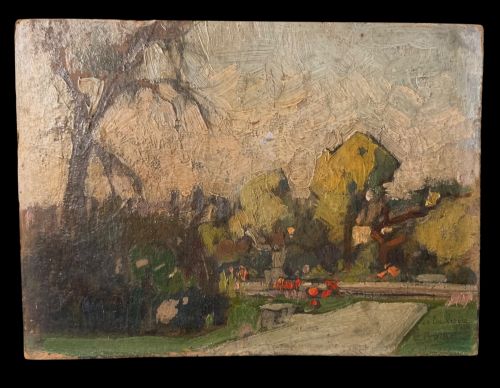
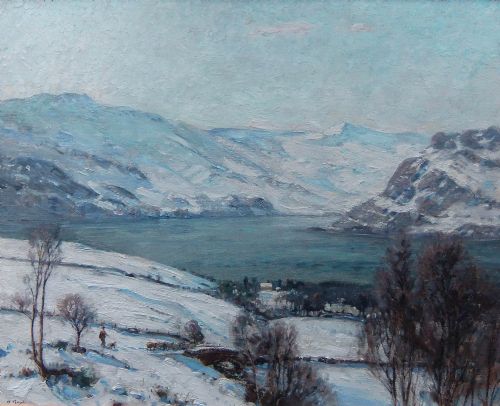
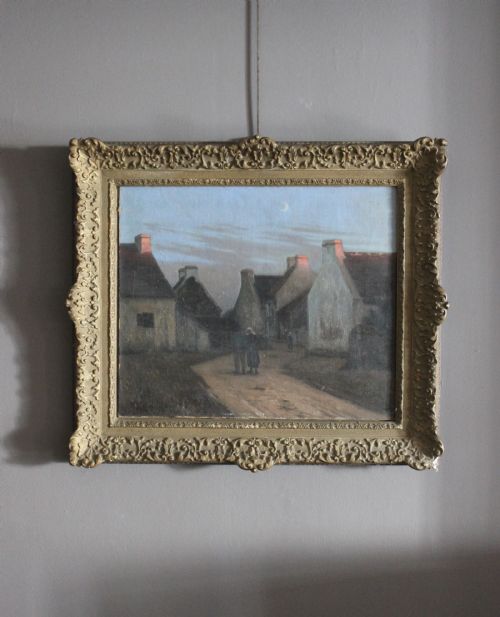
The selections on this page rely heavily on nineteenth-century watercolours and oils on canvas, alongside select eighteenth-century grand tour scenes and early twentieth-century Scottish and British impressionist panels. You find both signed studio originals by named artists and atmospheric works by regional schools.
The subjects range from tranquil agricultural watercolours to dramatic nocturnal seascapes and wooded river valleys. Each piece preserves a historical perspective on nature through traditional painting techniques and woven textile arts.
How they were made
Artists applied oil paint and watercolour onto stretched canvas, prepared wood panels, thick paper, and occasional board supports. Skilled hands combined these pigments with traditional binders, layering washes or building thick impasto to define foliage, water, and skies.
Gilt wood frames and moulded gesso borders often encase the canvases, providing structural support and period presentation. Aubusson tapestries utilised complex wool and silk weaving techniques on large vertical looms to construct intricate verdure landscapes.
Antique Fine Art Landscape Retail Price Guide 2026
Typical asking prices for fine art landscape among the pieces listed under this phrase on Sellingantiques today, from the lower quarter to the upper quarter. They describe what is for sale here now, not the wider market.
Listings feature works from the eighteenth, nineteenth, and early twentieth centuries, spanning oils on canvas, wood panels, and paper watercolours.
What varies in quality
Quality rests in the precision of the brushwork, the depth of perspective, and the artist's handling of natural light. Superior canvases display confident composition and subtle tonal shifts that create convincing atmospheric distance.
The integrity of the original support material and the preservation of the pigment layer dictate the overall standard. Finer examples maintain their original framing and surface tension without extensive modern repainting.
David Law·JOHN HAYLS·Eugène Verboeckhoven·William Beattie-Brown·Richard Principal Leitch·John R Prentice·GEORGE GRAHAM·THOMAS ELLISON·Tom Campbell·Frederick Marriott·Francois Boucher·John Horace Hooper·Hendrik Willem Schweickhardt·John McDougal·Kershaw Schofield·George Houston·Herbert Royle·Gabriel Mathieu·J. M. W. Turner·Alfred Pollentine·JACOB PHILIPP HACKERT·Ernest Arthur Rowe·Harald Foss·Thomas Maidment·Sir Alfred East
The Antique Fine Art Landscape Glossary
- Oil on Canvas
- A painting medium where pigments suspended in drying oils are applied to a woven fabric stretched across a wooden frame. This combination allows for rich blending and textured brushwork.
- Watercolour
- A painting method where fine pigments are suspended in a water-soluble vehicle, typically applied to absorbent paper. It yields translucent washes that capture bright natural light.
- Impasto
- Paint applied thickly to a canvas or panel so that the brush or palette knife marks stand visibly above the surface. This technique adds tactile depth to elements like foliage and waves.
- Gesso
- A paint mixture consisting of a neutral binder mixed with chalk, gypsum, or pigment, used to prepare wood or canvas surfaces. It creates a smooth base for subsequent oil layers and forms decorative frame mouldings.
- Verdure Tapestry
- A large wall hanging dominated by lush botanical and forest motifs, often woven in workshops such as Aubusson. These textiles depict dense foliage, trees, and occasional wildlife.
Antique Fine Art Landscape: Frequently Asked Questions
How do I hang a large oil landscape?
Secure the painting directly into wall studs using appropriate picture hooks rated for the weight of the heavy timber frame. Ensure the display location avoids direct sunlight and moisture fluctuations to protect the canvas.
Maintain adequate spacing above mantelpieces or furniture so the composition breathes within the room. Proper lighting from an adjustable picture lamp highlights the fine details of the brushwork.
How do I date a nineteenth-century watercolour?
Examine the type of paper stock, watermark evidence, and the framing style characteristic of the Victorian or Edwardian eras. Signatures, artist inscriptions on the reverse, and stylistic clues often narrow the production decade.
Compare the subject matter and execution against known dated works by the same regional school. Archival records and exhibition labels attached to the backing board provide further confirmation.
Where should I place a watercolour painting?
Position watercolours away from direct, harsh sunlight to prevent the delicate pigments on paper from fading over time. Interior walls with ambient, indirect light preserve the subtle washes and tones.
Keep them in stable indoor environments away from damp exterior walls or heating vents. Glass-fronted frames protect the paper surface from dust and atmospheric pollutants.