



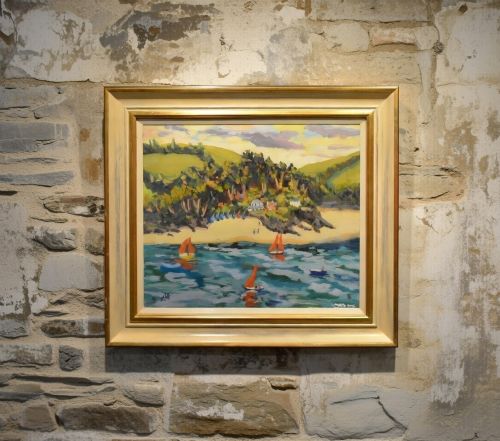
British Impressionist Landscape Painting
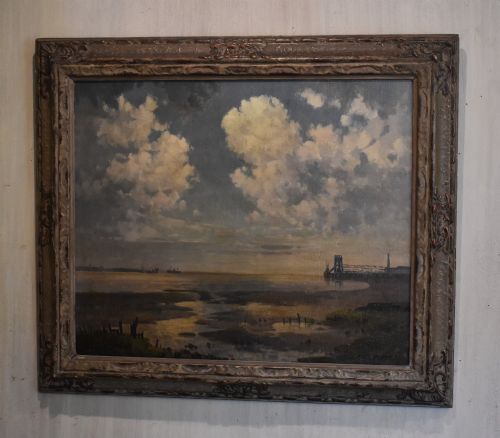
British impressionist landscape painting captures coastal inlets, river paths and rural fields through vigorous brushwork grounded in the natural light of the twentieth century.
British Impressionist Landscape Painting
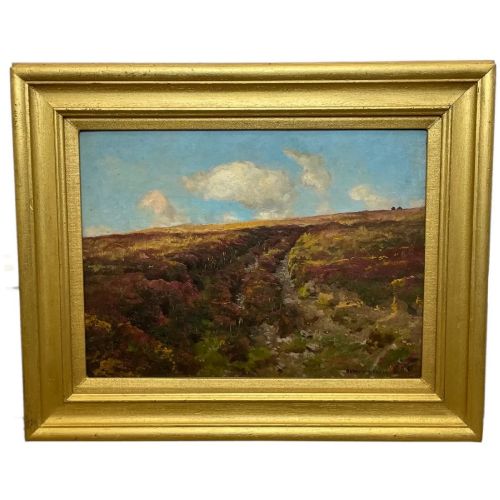
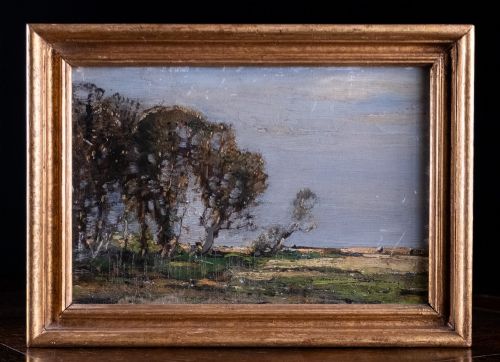
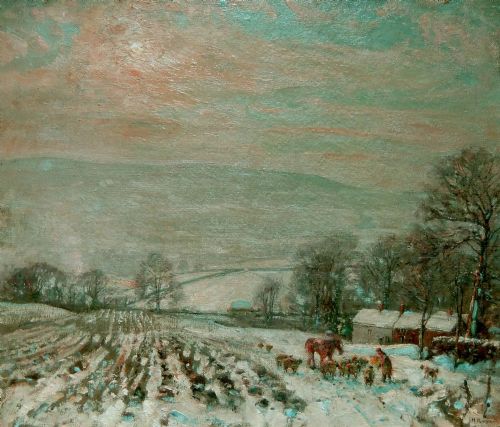
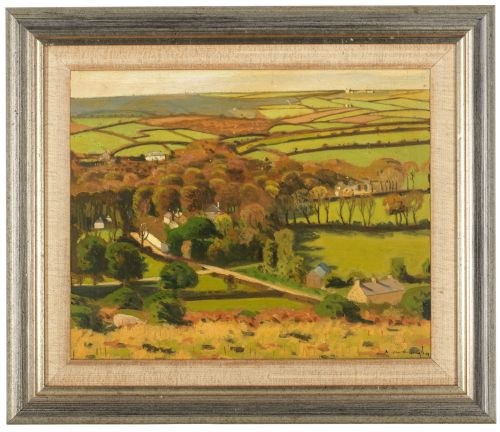
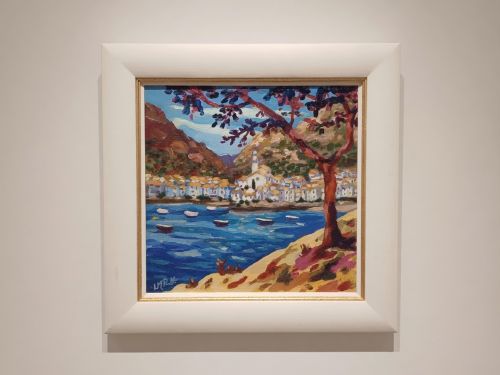
A british impressionist landscape painting records open-air scenes across coastal Cornwall, Yorkshire valleys and Thames river paths during the nineteenth and twentieth centuries. These works translate the changing moods of rural England and Wales through visible, energetic brush marks.
Most examples encountered on this page date from the early decades of the twentieth century, bridging Victorian tradition and modern British experimentation. Painters work in oil on canvas or wood panel, as well as watercolour on paper.
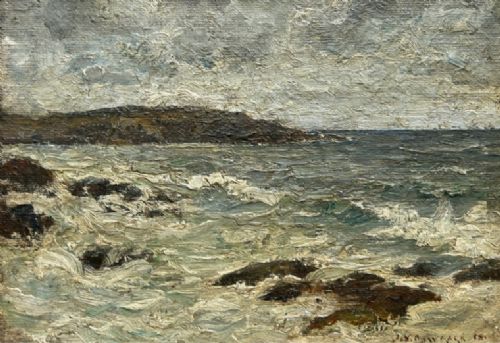
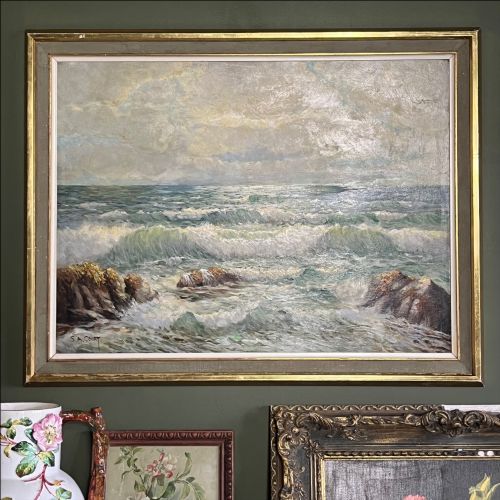
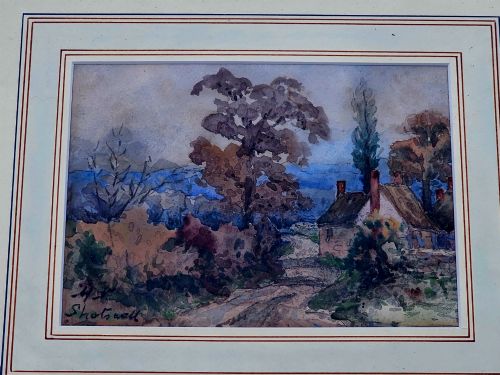
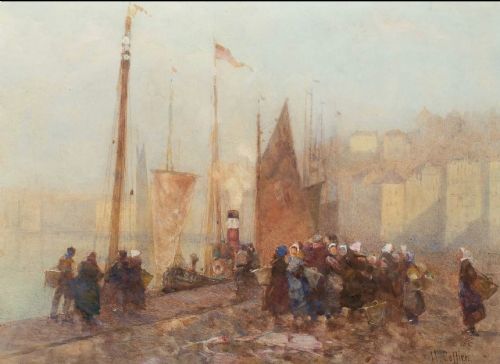
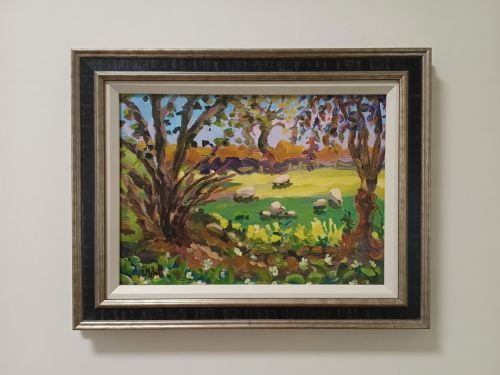
Compositions range from intimate studies of trees and cottage gates to sweeping marine views of harbours and rocky coastal seascapes. Each piece reflects the enduring appeal of the domestic countryside rendered through modern pigment application.
How They Were Made
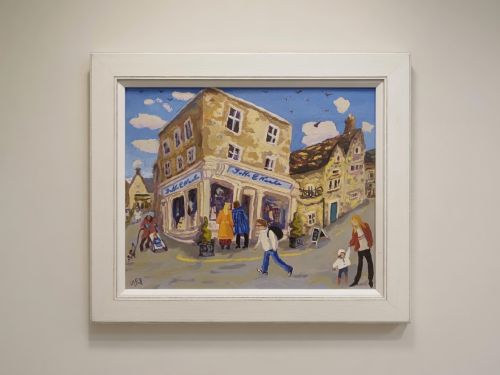
Artists captured scenes en plein air using oil paint applied to stretched canvas, prepared wood panels or cardboard supports. The medium allows thick impasto strokes that build surface texture and mimic the play of light on water and foliage.
Watercolour paintings and pastel drawings on paper offer a more transparent approach, relying on rapid washes to record ephemeral weather and coastal atmospheres. Frames of carved and gilded wood often complete the presentation of these oil and watercolour works.
British Impressionist Landscape Painting Retail Price Guide 2026
Typical asking prices for british impressionist landscape painting among the pieces listed under this phrase on Sellingantiques today, from the lower quarter to the upper quarter. They describe what is for sale here now, not the wider market.
Listings span from the nineteenth century through the 1960s, utilising canvas, wood, paper, oil paint and watercolour.
What Varies in Quality
Quality rests on the confidence of the brushwork and the precision with which the artist handles natural light and atmosphere. Stronger examples demonstrate a sure command of tone over mere descriptive detail.
The relationship between the subject and the painted surface dictates distinction, where lively handling of pigment outweighs literal rendering. Sustained energy across the whole composition separates casual sketches from accomplished cabinet pieces.
George Graham·Clifford Hanney·Arthur Wardle·Sidney A Court·Kershaw Schofield·Herbert Royle·William Banks Fortescue·Robert Morson Hughes·Lucy Pratt·Clive Browne·Hector Caffieri·Ethel Sands·Cyril Walduck Edwards·Alfred Wolmark·Eric Brown·Ernest Higgins Rigg·John Hodgson Lobley·Alfred East·Donald McIntyre·Cecil Allan Mould·Maud Raphael Jones·Thomas Hodgson Liddell·Percy Lancaster·Florence Adelina Hess·Ronald Ossory Dunlop
The British Impressionist Landscape Painting Glossary
- En plein air
- Painting outdoors directly from the subject to capture immediate atmospheric effects. This method defines the core practice of impressionist landscape artists.
- Impasto
- Paint laid thickly on a surface so that brush or palette-knife marks stand visibly proud. It builds physical texture into the painted landscape.
- Panel
- A rigid support for painting, commonly made of wood rather than canvas. Many early twentieth-century painters favoured small wood panels for portability.
- Watercolour
- Pigment suspended in water-soluble binders applied to paper. It relies on the white of the paper shining through translucent washes.
British Impressionist Landscape Painting: Frequently Asked Questions
What is british impressionist landscape painting?
It is a style of painting developed around the late nineteenth and early twentieth centuries that focuses on rural and coastal scenes captured in natural light. Artists abandoned rigid studio finishes in favour of looser brushwork and direct observation.
Works from this tradition record recognizable locations across Britain, from Cornish harbours to Yorkshire hills, interpreted through individual artistic expression.
How were these landscape paintings used?
These pictures were created primarily for domestic display in homes and private galleries, bringing views of the countryside indoors. Collectors mounted them in decorative frames suitable for drawing rooms and studies.
Many smaller oil panels and watercolours were painted on location as direct studies before finding permanent homes with collectors of modern British art.
How do I live with oil on panel?
Oil paintings on wood panels benefit from stable indoor environments away from direct heat sources and excessive moisture. The rigid support protects the pigment layer well if kept out of extreme temperature fluctuations.
Display these works on interior walls where natural light flatters the brushwork without causing fading or glare on the varnished surface.
How can I tell periods apart?
Late nineteenth-century pieces often retain tighter academic drawing and traditional tonal blending, whereas works from the 1920s and 1930s embrace bolder palettes and visible impasto. Mid-century examples introduce flatter perspectives and more abstracted forms of trees and water.
Examining the handling of paint and the style of the framing helps place a work within the broader evolution of British art.