



Traditional English Landscape Art
Traditional English landscape art captures rural scenes and pastoral views across canvas and paper.
Traditional English Landscape Art
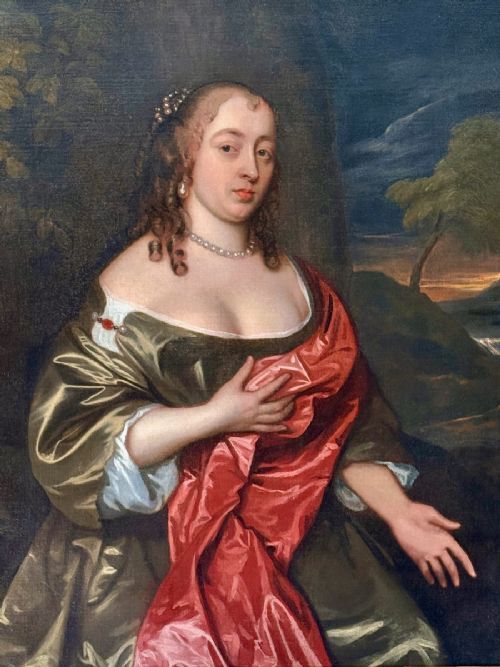
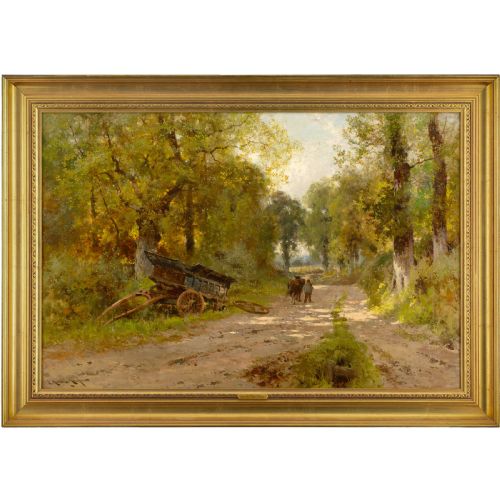
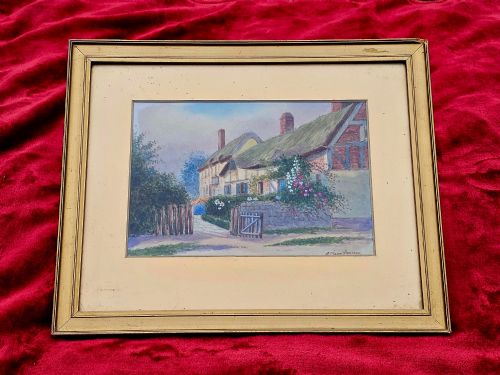
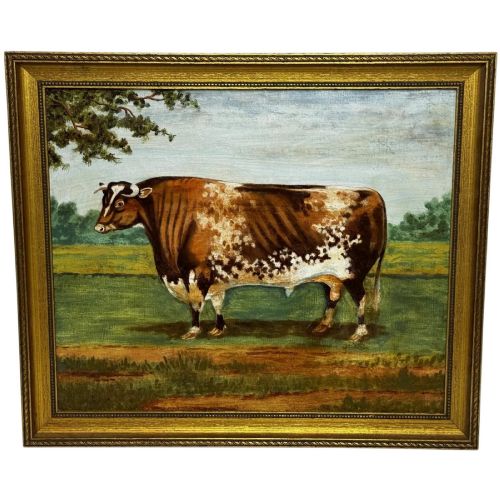
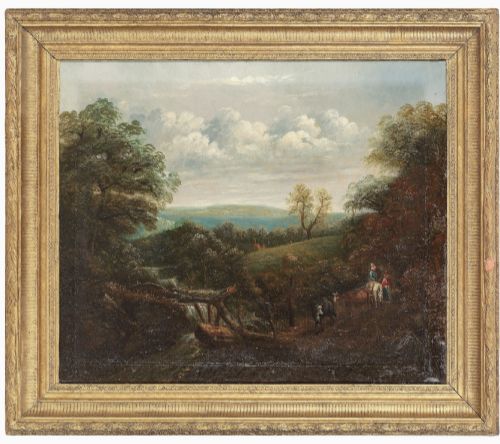
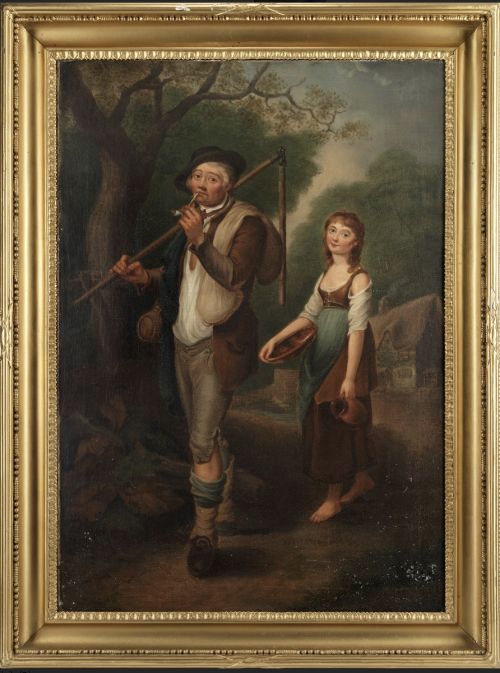
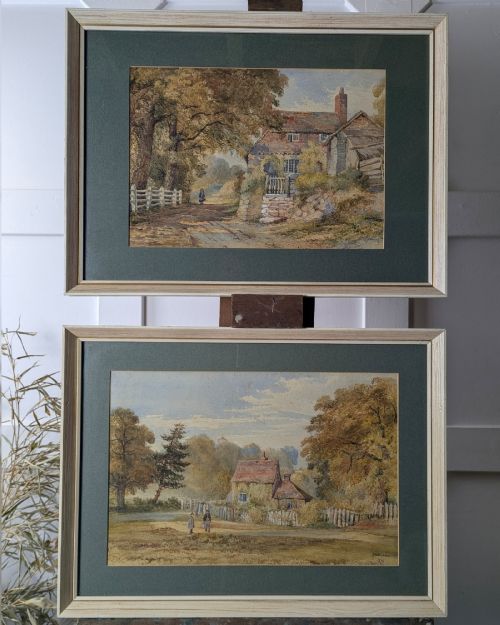
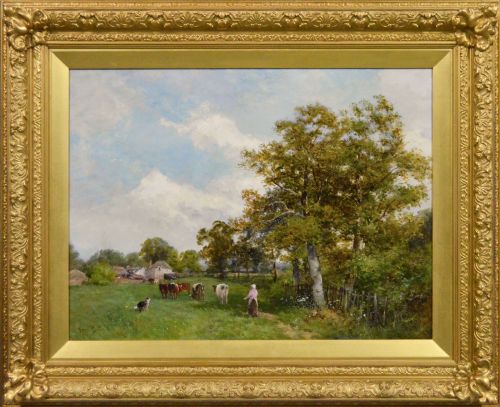
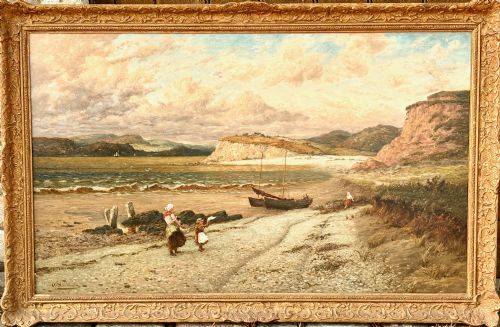
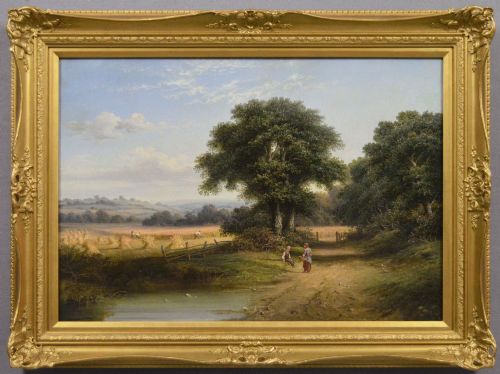
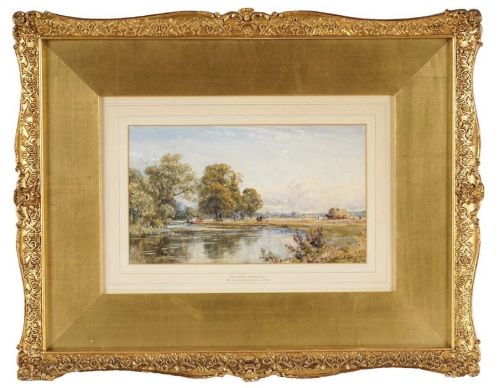
Traditional English landscape art comprises oil paintings and watercolours depicting rural views, river scenes, and pastoral life. These works span the nineteenth and early twentieth centuries, capturing countryside vistas through various regional British schools.
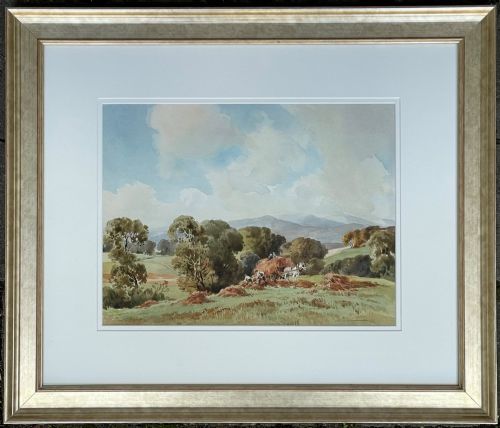
Buyers frequently encounter framed watercolours and oil paintings on canvas or board dating from the Victorian and Edwardian eras. Common subjects include rivers, harvest fields, and coastal harbours executed by named artists and regional schools.
How They Were Made
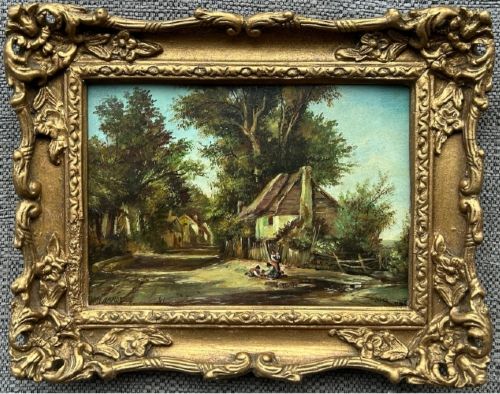
Artists painted primarily with oil paint on stretched canvas, wooden board, or card, and applied watercolour pigments onto paper. Gilt wood frames frequently encase these artworks to complement the composition.
Pintura techniques range from fluid watercolour washes capturing atmospheric light to layered oil paints rendered on panel or canvas. Support materials include prepared canvas, wooden boards, and heavy rag paper.
Traditional English Landscape Art Retail Price Guide 2026
Typical asking prices for traditional english landscape art among the pieces listed under this phrase on Sellingantiques today, from the lower quarter to the upper quarter. They describe what is for sale here now, not the wider market.
Listings feature works created using canvas, paper, wood, glass, gilt wood, and oil paint across the nineteenth and twentieth centuries.
What Varies in Quality
Execution and brushwork separate standard regional works from superior compositions by established painters. Confident handling of light, shade, and natural perspective defines the upper tier of these landscape paintings.
The degree of detail in figures, foliage, and architectural elements distinguishes individual pieces. Works retaining original framing and strong provenance generally demonstrate greater artistic accomplishment.
George Graham·Percy Lancaster·John Horace Hooper·A Marie Parsons·William Banks Fortescue·David Bates·Walter Heath Williams·Robert Thorne Waite·John Smith Atherton·Thomas Sidney Cooper·George Oyston·Russell Sidney Reeves·Henry Yeen King·Robert Leslie Howey·T C Hofland·William Greaves·Henry H Parker·Sydney Yates Johnson
The Traditional English Landscape Art Glossary
- Canvas
- A heavy woven fabric stretched across a wooden frame to serve as a support for oil paint. It provides a textured surface that holds layered pigments securely over centuries.
- Watercolour
- A painting method where natural pigments are suspended in a water-soluble binder and applied to paper. This medium relies on the white of the paper to show through translucent washes.
- Gilt wood
- Wood carved and coated with a thin layer of gold leaf or metallic gilt paint. These decorative frames were designed to enhance and protect nineteenth-century paintings.
- British School
- A term used to categorise artists working within British artistic traditions without necessarily belonging to a formal academy. It reflects shared regional subjects and painting techniques.
Traditional English Landscape Art: Frequently Asked Questions
What periods do these paintings cover?
The available works primarily date from the nineteenth century through to the early twentieth century. This encompasses Victorian, Edwardian, and later regional British art.
Specific dates on listings point to decades such as the eighteen-nineties and nineteen-tens. Painters active during these periods documented changing rural environments across England.
How should I hang these artworks?
Hang paintings on interior walls away from direct sunlight and damp conditions to protect canvas and paper supports. Proper placement ensures the pigments and gilt frames remain stable.
Consider the natural light in your room when positioning watercolours behind glass. Secure wall fixings should match the weight of the original wooden frames.
What subjects appear in these landscapes?
Common subjects include river valleys, harvest fields, coastal harbours, and pastoral scenes with figures or livestock. Artists frequently painted identifiable locations across Yorkshire, Sussex, and the Thames Valley.
Rural cottages, woodlands, and local waterways recur as primary motifs in both oils and watercolours. These compositions reflect a distinct nineteenth-century fascination with the English countryside.
How do I identify watercolours from oils?
Watercolours are painted on paper and typically displayed behind protective glass to prevent moisture damage. They exhibit translucent washes and visible paper texture beneath the pigment.
Oil paintings utilise thicker paint applied to canvas, wooden board, or card. These works often display visible brushstrokes and do not require glass protection.