
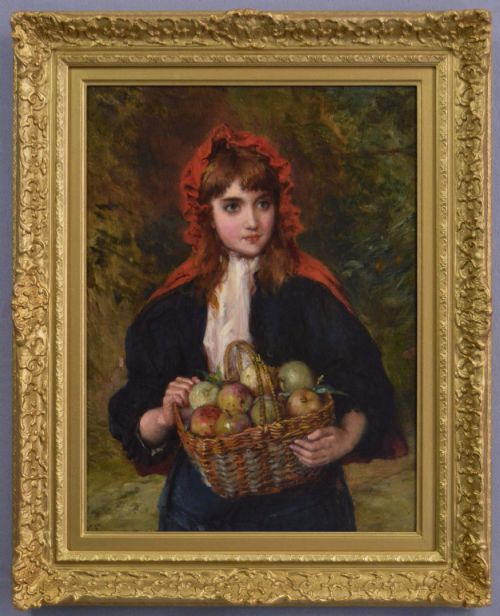
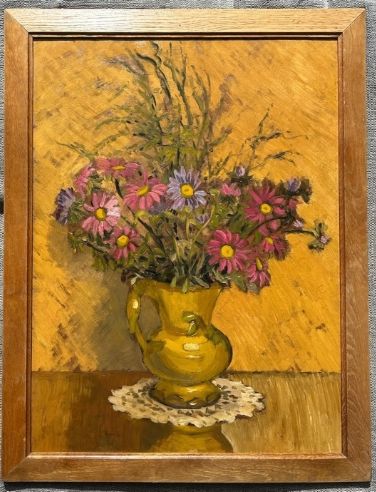

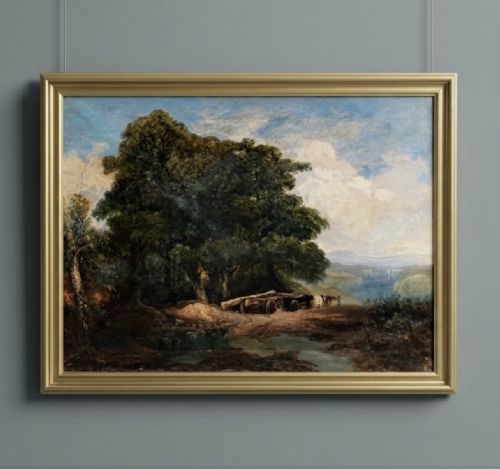
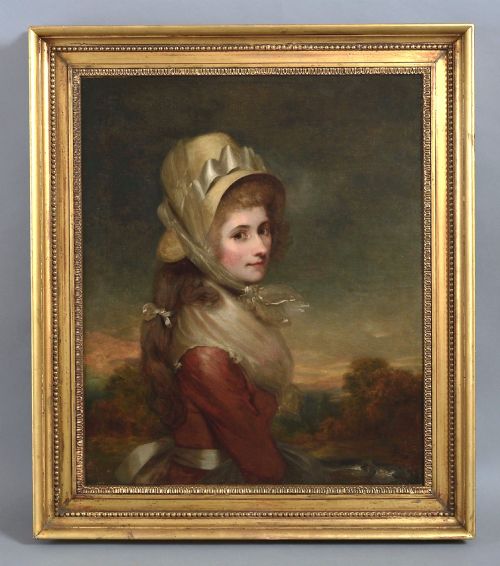


Antique British Oil Painting
These canvases and panels bring centuries of portraiture and landscape into a room, offering a tangible link to past generations through an antique british oil painting.
Antique British Oil Painting
When searching for an antique british oil painting, collectors encounter a diverse range of historic works spanning several centuries of artistic output.
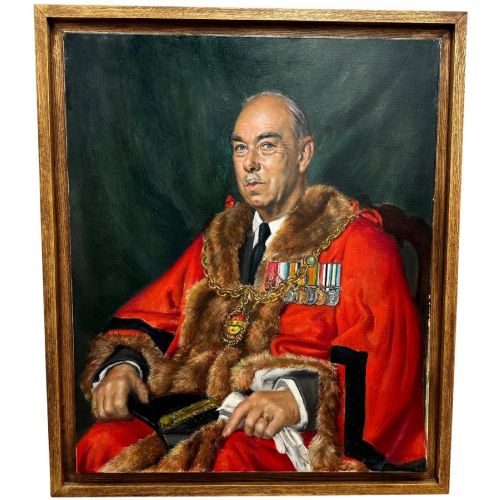
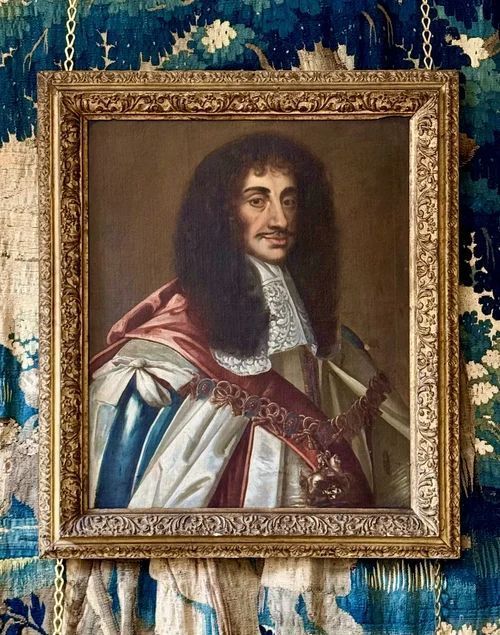
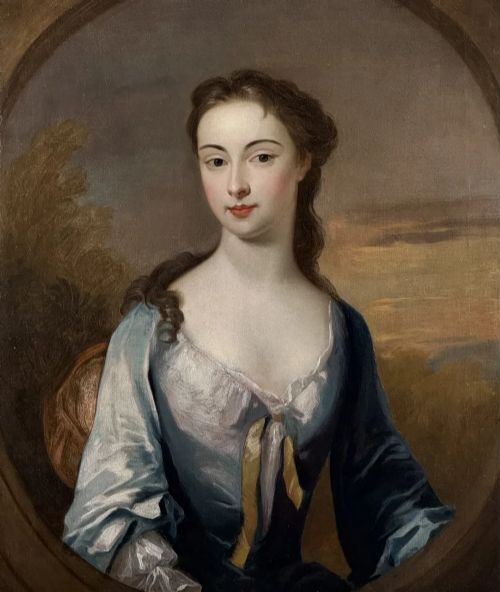
Portraits of aristocratic figures, military officers and local gentry sit alongside sweeping topographical views, pastoral landscapes and maritime scenes.
Works on this page predominantly date from the seventeenth century through to the early decades of the twentieth century, encompassing distinct periods such as the Georgian and Victorian eras.
How They Were Made
Artists painted primarily using oil paint applied to woven canvas, prepared wooden panels or wooden boards.
Many of these works remain housed within their original or period-appropriate frames constructed from giltwood and gold leaf.
Antique British Oil Painting Retail Price Guide 2026
Typical asking prices for british oil painting among the pieces listed under this phrase on Sellingantiques today, from the lower quarter to the upper quarter. They describe what is for sale here now, not the wider market.
Materials recorded across the archive include oil paint, stretched canvas, wood panels, giltwood and gold leaf.
What Varies in Quality
The sophistication of brushwork and the precision of anatomical or architectural rendering distinguish accomplished studio execution from provincial output.
Preservation of the original paint surface and the structural stability of the underlying canvas or panel significantly influence the integrity of the piece.
William Oliver·Richard Sebastian Bond·Sir Martin Archer Shee·Bernard Hailstone·Felix Stone Moscheles·William H Myers·George Graham·Valentine T Garland·Tom Campbell·John Maler Collier·Sir Peter Lely·Charles Jervas·William Howard Hardy·Frederick Marriott·Arthur Wardle·John Opie·John Horace Hooper·Stickland Lowry·William Joseph Shayer Senior·Alfred Fontville de Breanski Jr·Thomas Murray·Oliver Clare·Sir Godfrey Kneller·Herbert Royle·Stephen Samuel Lewin
The Antique British Oil Painting Glossary
- Canvas
- A heavy woven fabric stretched across a wooden frame to serve as a support for oil paint. It provides a flexible and durable surface utilised by artists across centuries.
- Giltwood
- Wood carved and covered with a thin layer of gold leaf or metallic powder. This material defined the ornate frames designed to complement formal portraits and landscapes.
- Portraiture
- The representation of a specific human subject focusing on the face and expression. These works capture likeness, status and personality through careful observation.
- Impasto
- Paint applied in thick layers that stand out from the surface. This technique creates a textured, tactile quality where the physical marks of the brush remain visible.
Antique British Oil Painting: Frequently Asked Questions
What subjects appear in antique british oil paintings?
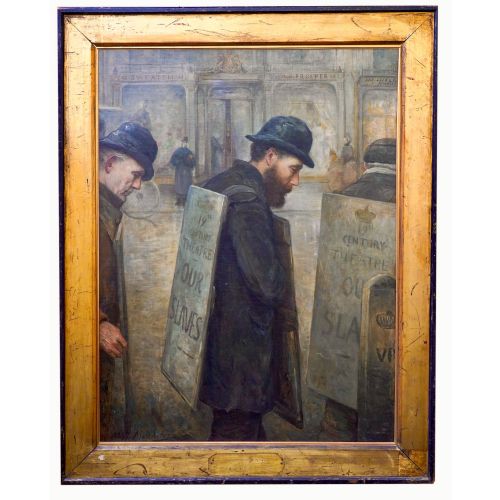
Subjects range widely from formal portraiture of nobility and military officers to pastoral countryside views, rugged highland landscapes and maritime scenes featuring ships at sea.
Artists also recorded domestic scenes, hunting parties, local wildlife and architectural landmarks, reflecting the changing tastes of commissioners and buyers over the centuries.
How do I identify the period of a painting?
Stylistic clues such as the sitter's costume, periwig, uniform or hairstyle often provide the most reliable indication of a portrait's date of origin.
Landscape compositions, colour palettes, framing styles and canvas preparation methods also offer helpful chronological markers for works created between the seventeenth and twentieth centuries.
Were these paintings always framed in gold leaf?
Many historic works retain ornate giltwood frames covered in gold leaf, which were chosen to project status and enhance the visual depth of the artwork.
Frames often changed over time through replacement or regilding, meaning some period paintings now reside in later housing reflecting subsequent decorative fashions.
How should I care for an oil painting at home?
Display paintings away from direct sunlight, heating vents and damp environments to protect the fragile canvas and stable wood support from warping or fading.
Dust surfaces gently with a soft, dry brush and avoid chemical cleaners or moisture, leaving deeper conservation work to professional restorers.