




19th Century River Landscape
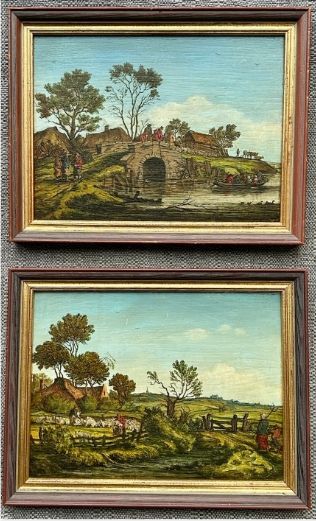
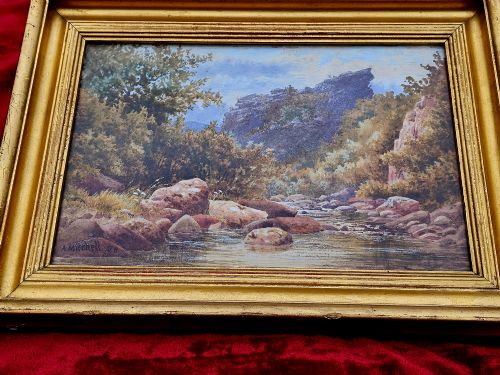
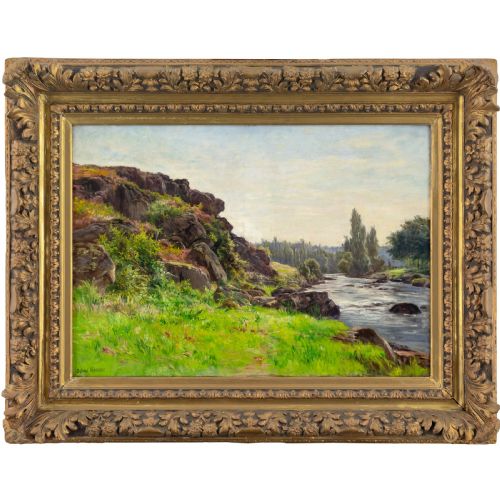
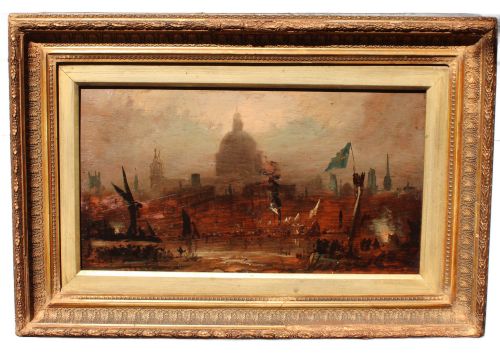
These paintings capture the enduring pull of water and open air, bringing a 19th century river landscape into your home with all the atmosphere of the original banks.
19th Century River Landscape
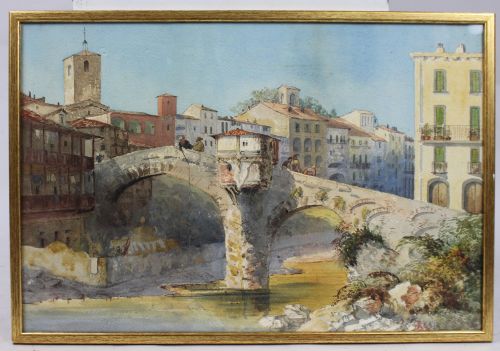
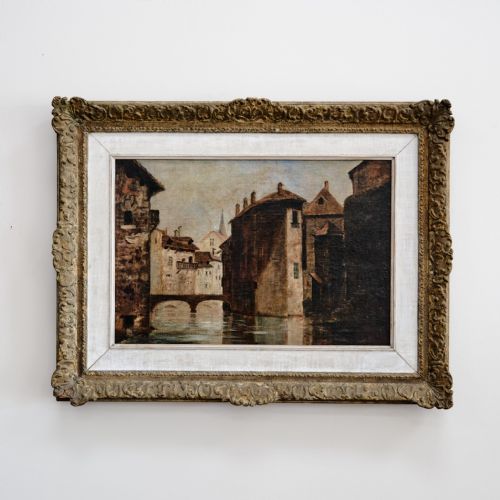
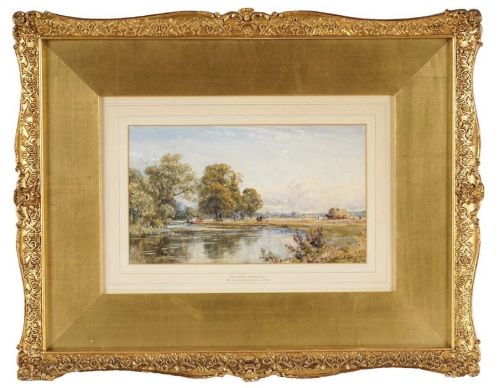
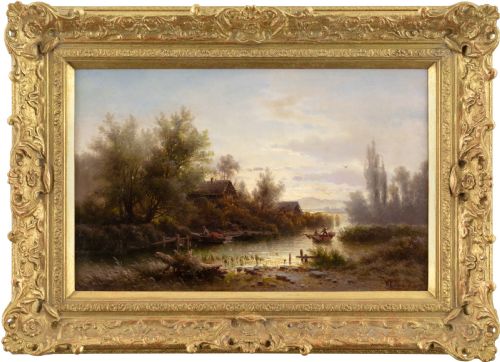
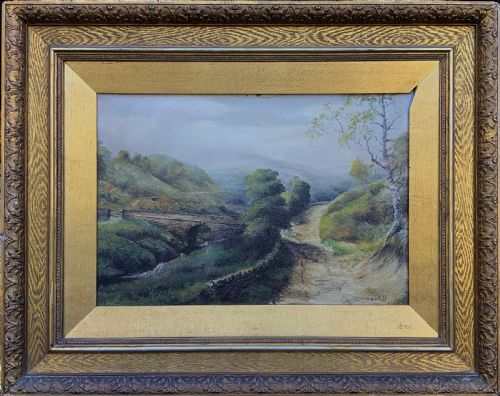
A 19th century river landscape depicts natural waterways, towing paths, and rural riverbanks through the eyes of artists working across Britain and continental Europe. You will encounter works ranging from hurried watercolour sketches on paper to highly finished oil paintings on canvas and wood panels.
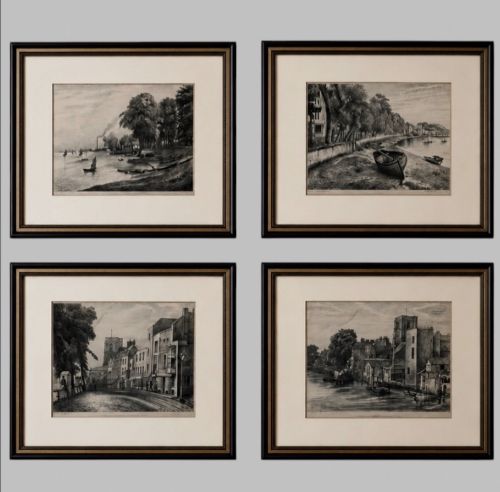
The selections span distinct regional traditions, including the Barbizon School, the British School, and various provincial European academies. Common subjects include pastoral river scenes with cattle, bustling Thames views with shipping, and quiet Scottish or Welsh river valleys.
Most examples date from the Victorian era up to the turn of the twentieth century, reflecting a period of intense fascination with naturalism and en plein air painting. These works serve as windows into nineteenth-century topography, rural life, and changing industrial waterways.
How they were made
Painters of this period typically combined oil paint or watercolour applied to stretched canvas, wooden panels, heavy paper, or milk glass. Artists built up their compositions using brushwork that ranged from tight, detailed academic realism to loose, impressionistic dabs capturing shifting light on water.
Support materials reveal the working methods of the era, with many smaller landscape studies executed rapidly on board or paper before being mounted in period giltwood frames. Pigments were increasingly manufactured and tubed, allowing artists to work directly outdoors beside the riverbank.
19th Century River Landscape Retail Price Guide 2026
Typical asking prices for 19th century river landscape among the pieces listed under this phrase on Sellingantiques today, from the lower quarter to the upper quarter. They describe what is for sale here now, not the wider market.
Current listings feature oil on canvas, wood panels, milk glass, and watercolour on paper across nineteenth-century British, French, and Dutch schools.
What varies in quality
Quality rests upon the artist's ability to handle atmospheric perspective, convincingly rendering the reflection of light and sky upon moving water. Superior pieces demonstrate confident draftsmanship and subtle colour harmonies rather than rigid formulaic composition.
The execution of detail in secondary elements, such as foliage, figures, and architectural landmarks, often distinguishes a master's hand from a workshop copy. Additionally, the preservation of the original paint surface and the integrity of the period frame contribute significantly to the standing of any given work.
Alfred Young Nutt·Frederick Marriott·Gabriel Mathieu·Robert W Macbeth·Robert Thorne Waite·Albert Bierstadt·Albert Rieger·Paul Desire Trouillebert·T C Hofland·Henry H Parker·Thomas Baker·John Ferneley Senior·Honore Cavaroc·Charles Clair·Henri Jaques Delpy·William Frederick Settle·Charles William Wyllie·Alexandre Le Bihan·Edwin Lord Weeks·Andre Prevot Valeri·Laurence George Bomford·John Syer·David Cox Senior·Claude Hayes·James Aumonier
The 19th Century River Landscape Glossary
- Barbizon School
- A group of French painters who gathered in the village of Barbizon to promote a direct, naturalistic approach to landscape art.
- Giltwood
- Wood carved and coated with a thin layer of gold leaf, commonly used for framing nineteenth-century paintings.
- En plein air
- A French expression describing the act of painting outdoors to capture direct natural light and atmosphere.
- Watercolour
- A painting method in which the paints are made of pigments suspended in a water-based solution, frequently applied to textured paper.
- Provenance
- The documented history of ownership surrounding a work of art, tracing its passage from the artist's studio to the present day.
19th Century River Landscape: Frequently Asked Questions
How do I date a river landscape?
Examine the costume of any figures present, the style of the frame, and the stretcher construction at the back of the canvas. Written inscriptions on the reverse or visible artist signatures often provide precise years or periods.
Stylistic cues such as early Barbizon influence or Victorian naturalism also help narrow down the decade of creation.
Where were these paintings displayed?
Nineteenth-century paintings were primarily created for domestic drawing rooms, public galleries, and annual exhibitions held by institutions like the Royal Academy. Wealthy patrons and middle-class collectors alike purchased them to decorate their townhouses and country residences.
Smaller watercolours were often kept in portable portfolios rather than hung permanently on walls.
How should I care for an oil painting?
Keep paintings away from direct sunlight, radiators, and damp environments to prevent canvas slackening and paint cracking. Dust the surface gently with a soft, dry brush without applying pressure to the impasto.
Avoid using liquid cleaners or household sprays on the delicate paint or gilded frame.
What is the difference between oil and watercolour?
Oils use slow-drying pigments suspended in oil, allowing artists to blend colours directly on the canvas and build up thick, textured layers. Watercolours rely on translucent washes on paper, creating luminous effects dependent on the whiteness of the backing sheet.
Oils are traditionally displayed under glass only when the canvas is particularly vulnerable, whereas watercolours require framing behind glass for protection.