




Vintage Coastal Oil Painting
A vintage coastal oil painting brings the movement of tides and salt air directly into a room through textured brushwork and maritime scenes.
Vintage Coastal Oil Painting
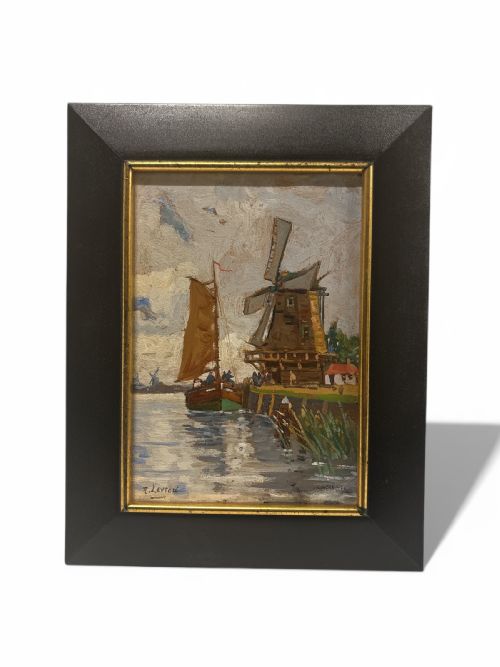
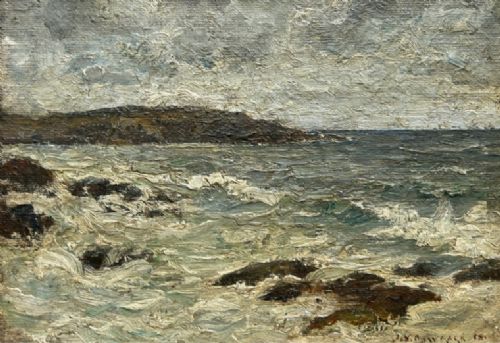
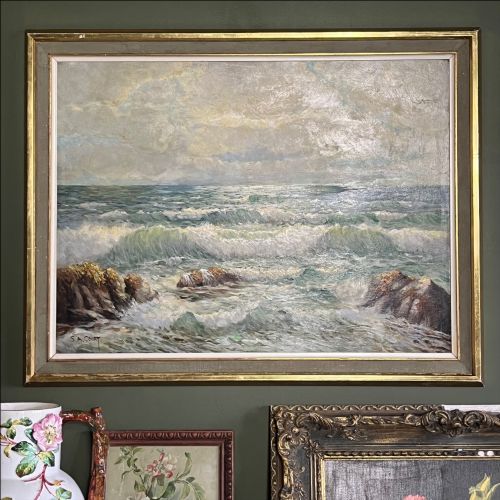
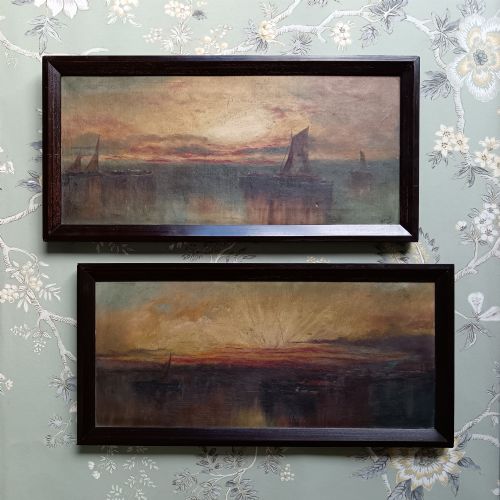
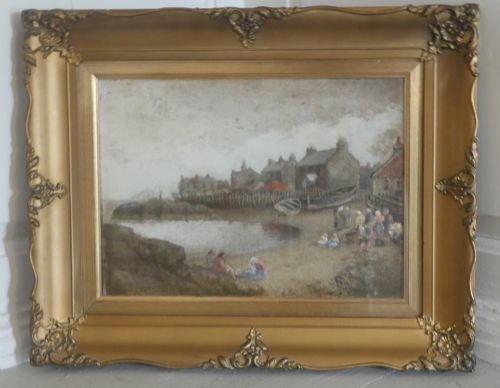
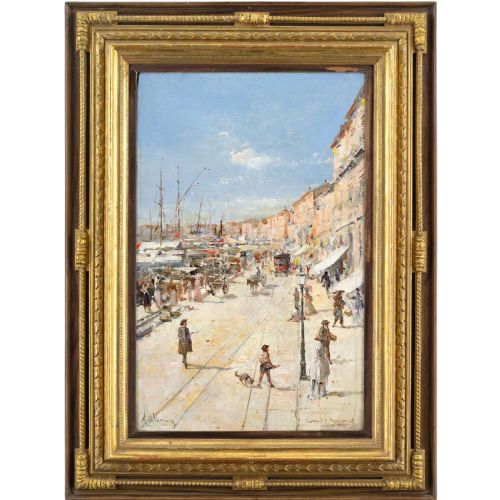
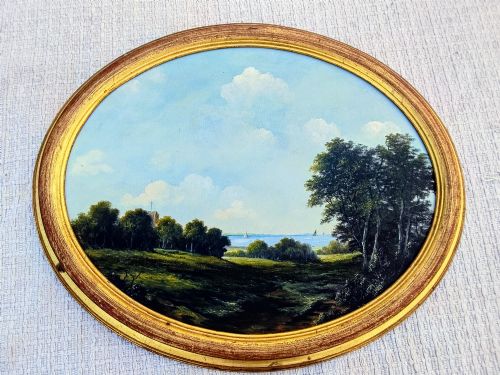
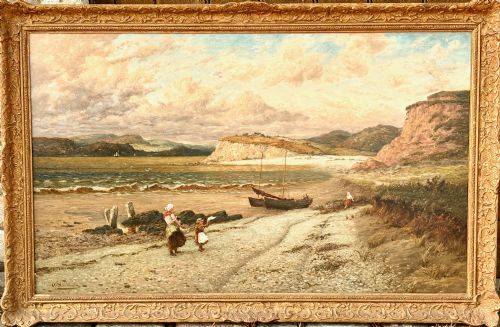
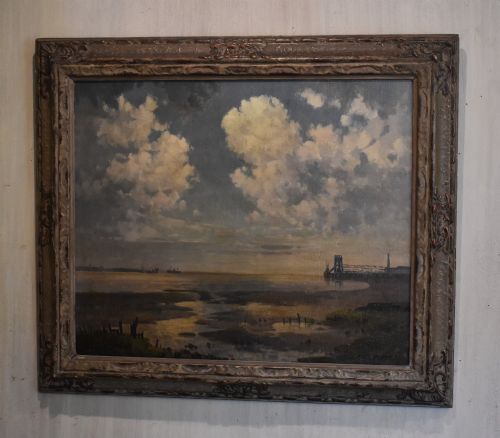
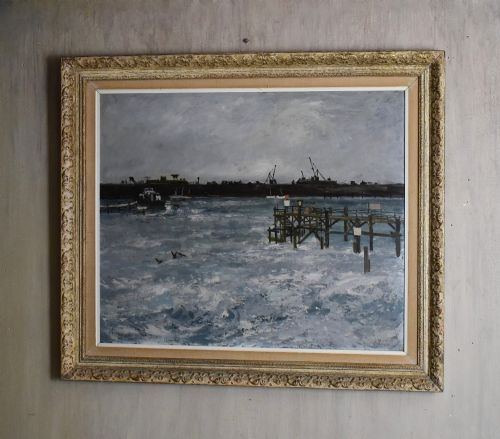
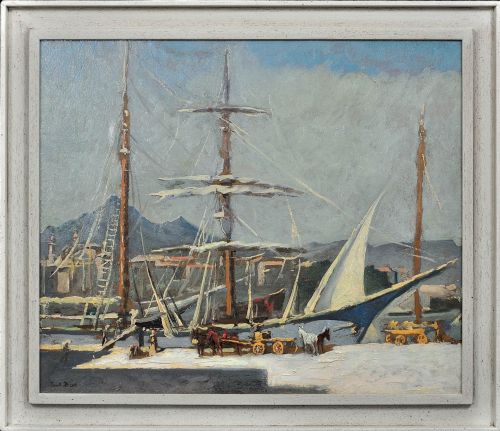
A vintage coastal oil painting captures maritime subjects, harbour views, and rocky seascapes ranging from the nineteenth century through the mid-twentieth century.
Collectors encounter works executed en plein air alongside studio pieces, depicting British and continental shorelines from Cornwall to the Mediterranean.
Materials and technique
Artists built these compositions primarily using oil paint applied to stretched canvas, wooden panels, or rigid board.
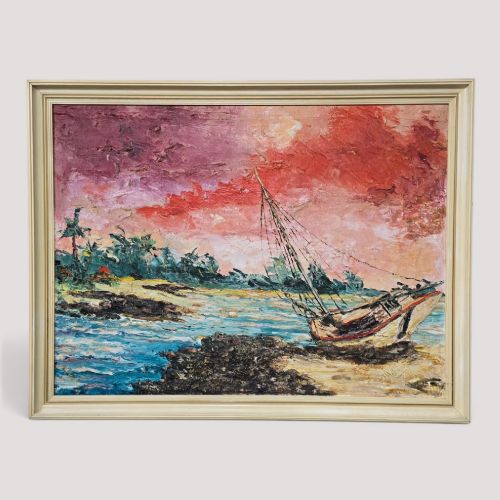
Impasto techniques create tangible texture on the surface, particularly for rendering foaming water, cliffs, and sunlit skies.
Many works retain their period gilt wood frames, which complement the maritime palettes and provide structural support.
Vintage Coastal Oil Painting Retail Price Guide 2026
Typical asking prices for vintage coastal oil painting among the pieces listed under this phrase on Sellingantiques today, from the lower quarter to the upper quarter. They describe what is for sale here now, not the wider market.
Several paintings record specific historical vessels chugging past Italian shores and Cornish cliffs long before modern shipping lanes existed.
Qualities of distinction
The strength of a composition rests on the artist's ability to handle changing light and atmospheric moisture across the water and sky.
Brushwork varies from tight Victorian academic precision to looser post-impressionist and modernist interpretations of coastal movement.
Provenance and documented exhibition histories elevate certain pieces, distinguishing named artists from anonymous school works.
Abraham Hulk I·Charles Napier Hemy·William Henry Williamson·Bernard Benedict Hemy·Peter Brannan·Gustave Vidal
The Vintage Coastal Oil Painting Glossary
- En plein air
- Painting outdoors directly in front of the subject to capture natural light and shifting weather conditions.
- Impasto
- Paint applied thickly to a canvas or board, leaving prominent brush or palette knife marks that stand out in relief.
- Gilt wood
- Wood carved and coated with gold leaf or metallic paint, commonly used for period picture frames.
- Maritime
- Pertaining to the sea, shipping, boats, and coastal environments.
- Board
- A rigid flat panel made of wood or pulp used as a painting support instead of woven fabric.
Vintage Coastal Oil Painting: Frequently Asked Questions
How do I date a coastal oil painting?
Dating relies upon stylistic markers such as clothing on figures, vessel types in harbours, and framing methods alongside any signatures or biographical dates of the artist.
Materials like stretcher frames and canvas types also provide clues, though framing changes over decades can sometimes complicate direct period attribution.
Where should I hang a marine oil painting?
These works suit spaces with stable humidity away from direct sunlight, which protects both the oil pigment and any gilt wood framing over time.
Placing them at eye level in natural light allows the textured impasto and varied brushwork to be appreciated fully from a distance.
What is the difference between canvas and board?
Canvas consists of woven fabric stretched over a wooden frame, offering slight give under the brush, whereas board provides a completely rigid painting surface.
Both materials were used across different periods, though smaller plein air studies frequently utilised board for portability.
Are these paintings cleaned or restored?
Many older oil paintings accumulate surface dirt and discoloured varnish over generations, requiring professional cleaning to reveal the original pigment tones.
Checking the surface under indirect light helps reveal past conservation work or touch-ups applied to the paint layer.