




Dark Background Oil Painting
A dark background oil painting arrests the eye with intense contrast, drawing subjects forward from deep, shadowed recesses.
Identifying a dark background oil painting
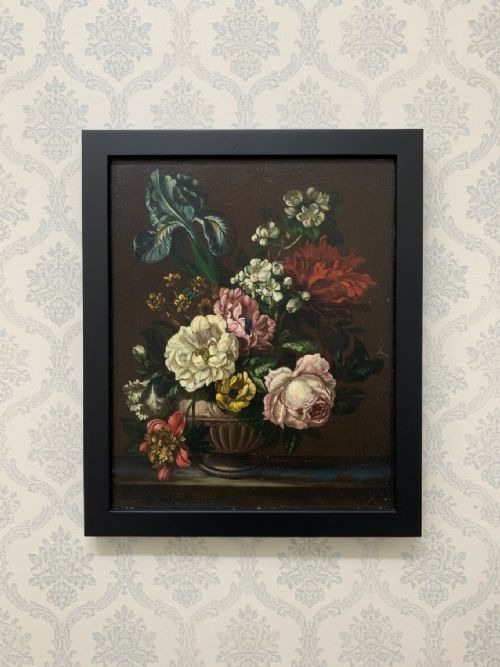
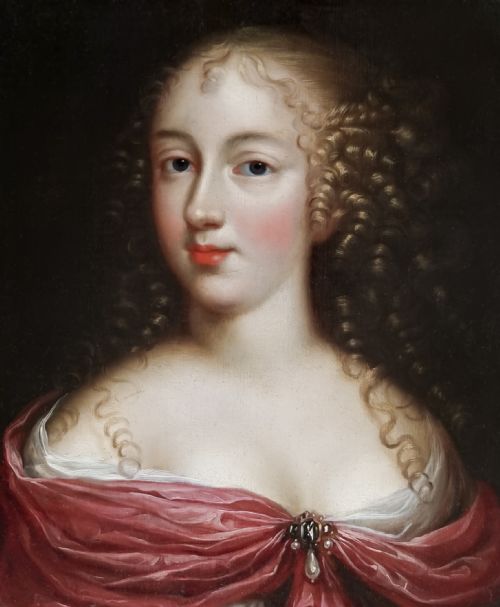
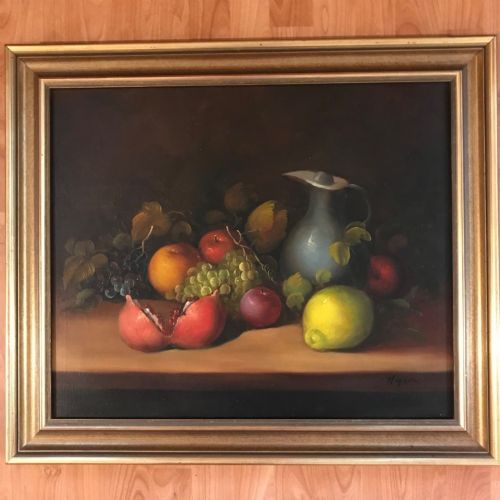
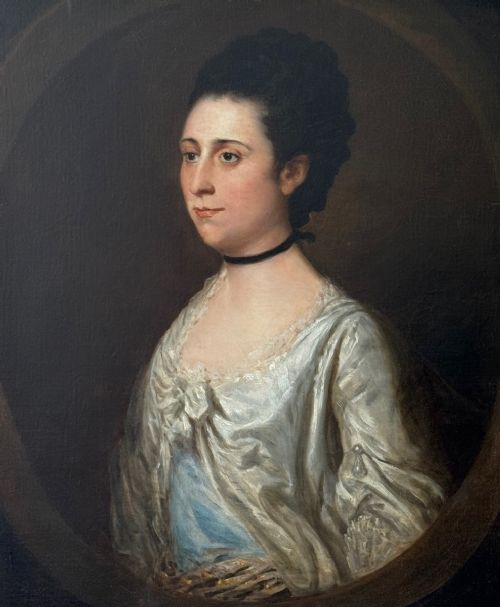
A dark background oil painting emerges from centuries of portraiture and still life tradition, spanning the seventeenth century through to the twentieth century. These works place subjects against deeply shadowed depths, whether depicting continental ladies, bishops, dukes, or arrangements of fruit and flora.
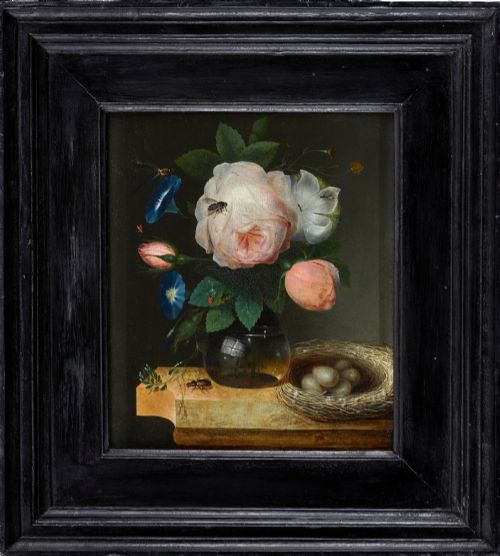
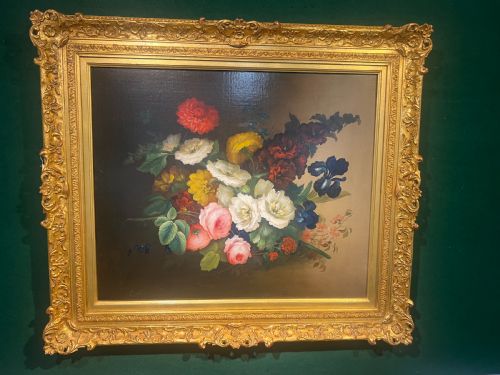
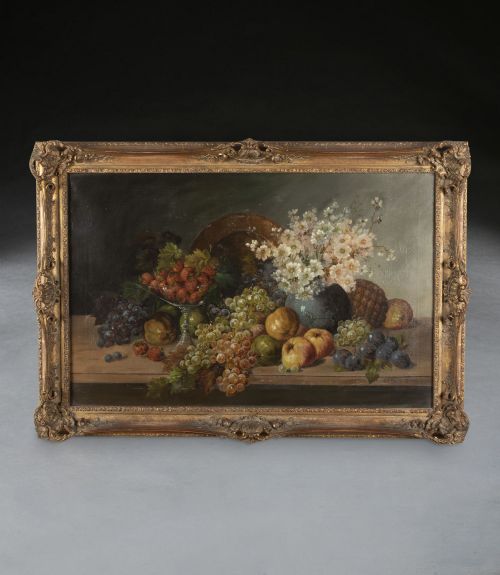
The selections available here showcase diverse approaches including baroque compositions, Spanish school studies, and nineteenth-century realism. Buyers encounter portraits of historical figures alongside floral and fruit compositions executed on various traditional supports.
Grand seventeenth-century British portraiture sits alongside twentieth-century British realism and mid-century studies. Each piece utilises the profound depth of a dark background to focus attention entirely upon the subject's face, form, or rendered objects.
Materials and construction
Artists built these works using oil paint applied to canvas, wood panels, or rigid boards. The foundational layers often incorporated dark pigments to establish the heavy shadows characteristic of the style.
Subsequent layers of oil paint built up the highlights and subjects, relying on the contrast between opaque lights and dark recesses. Gilt framing frequently accompanied these works, enhancing the luminous quality of the central imagery.
Retail Price Guide 2026
Typical UK retail prices for dark background oil painting, calculated from the Sellingantiques database of over a million retail prices indexed since 2003. This retail price guide relies exclusively on Sellingantiques data; no external sources or auction records are used, so the figures do not describe the wider market.
Judging quality in dark backgrounds
The stability of the ground material, whether canvas, panel, or board, dictates the long-term preservation of the painted surface. Superior condition retains the original luminosity of the pigments and the crispness of the forms emerging from the dark ground.
Robert More·Sir Godfrey Kneller·Sir Oswald Hornby Joseph Birley
The Dark Background Oil Painting Glossary
- Canvas
- A woven fabric stretched across a wooden frame to serve as a painting surface. It provides slight give and a textured tooth that holds oil paint effectively.
- Panel
- A flat piece of wood used as a rigid alternative to canvas for oil paintings. Panels were common in earlier centuries and offer a smooth, stable ground.
- Baroque
- An artistic style originating around the seventeenth century characterised by drama, deep shadow, and exuberant detail. It heavily influenced dramatic portrait and still life painting.
- Still Life
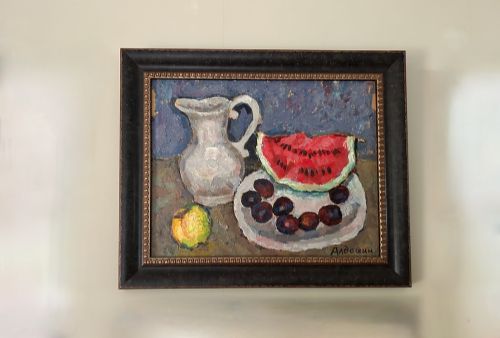
- An artwork depicting mostly inanimate subject matter, typically commonplace objects which may be either natural or man-made. Floral and fruit compositions represent classic examples.
- Pinxit
- A Latin inscription term meaning painted by, historically used on portraits to indicate the artist. It frequently appears alongside the maker's signature or date.
Frequently Asked Questions
How should I clean a dark background oil painting?
Surface dust accumulates on older varnished surfaces over time, dulling the contrast between the subject and the shadows. Professional conservation avoids domestic cleaning agents, which risk removing or damaging the original oil layers.
Keeping the painting away from direct sunlight and stable atmospheric conditions protects both the canvas and the wooden support from warping or cracking.
What subjects appear in these paintings?
Portraits form a significant category, depicting historical figures such as bishops, dukes, and clergy members alongside continental ladies and monarchs. Still life compositions also feature prominently, focusing on arrangements of fruit and flowers.
These varied subjects share the defining characteristic of emerging from deep, shadowed backgrounds that heighten their visual presence.
How do I date a dark background oil painting?
Stylistic clues within the portraiture, such as the clothing, lace collars, wigs, and robes worn by sitters, offer primary indicators of period. Inscribed dates, signatures, or historical documentation associated with the subject further clarify the timeline.
Examining the stretcher bars, canvas weave, and panel construction provides additional physical evidence of age.
Where do these paintings originate?
The works originate from distinct European traditions, including British schools and Spanish school studies spanning multiple centuries. Continental workshops and domestic studios both contributed to this enduring genre of portraiture and still life.
Each piece reflects the prevailing aesthetic preferences of its specific period and geographic origin.