





Powdered Wig Portrait
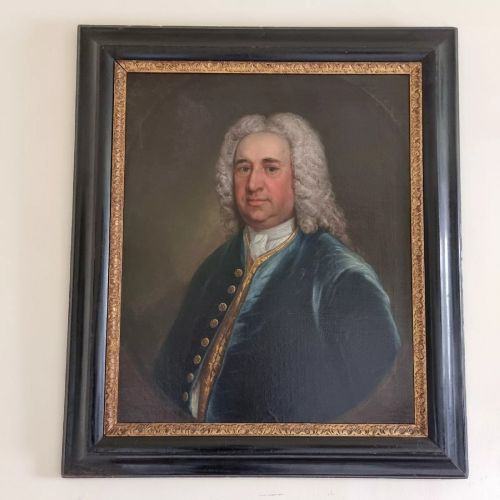
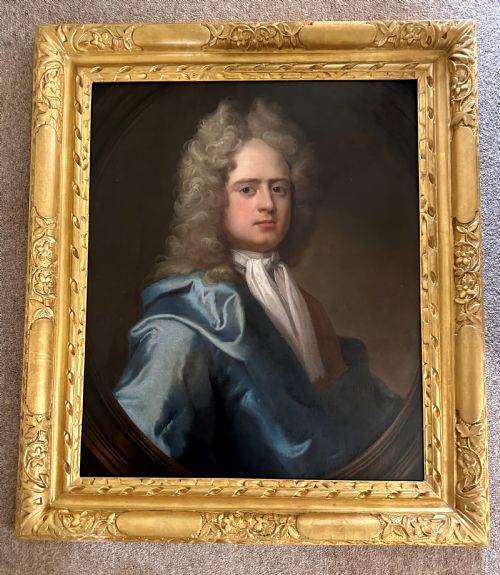
A powdered wig portrait captures the refined likeness of a gentleman from past centuries.
Powdered Wig Portrait
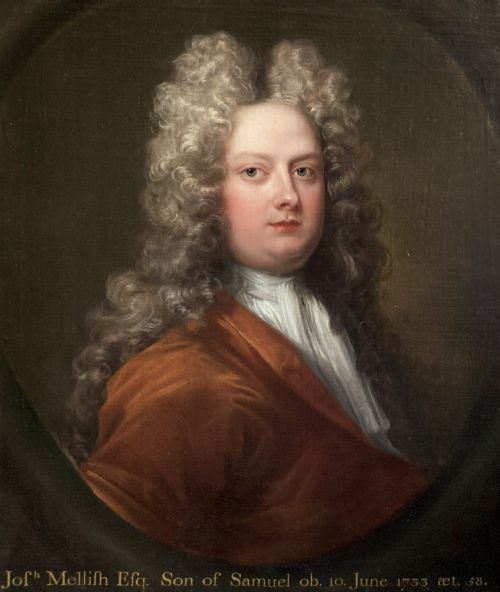
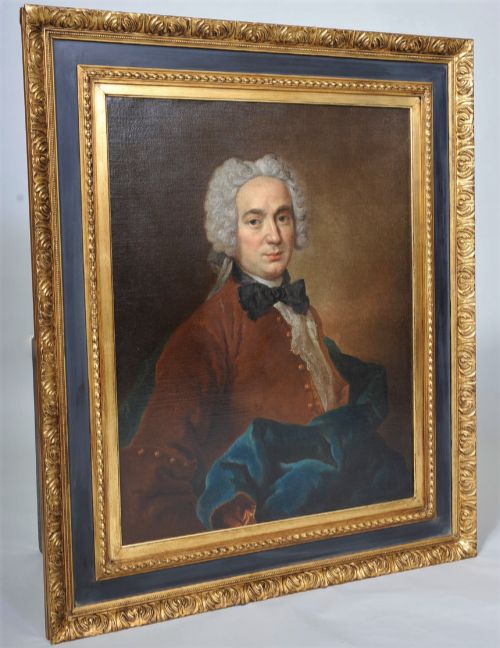
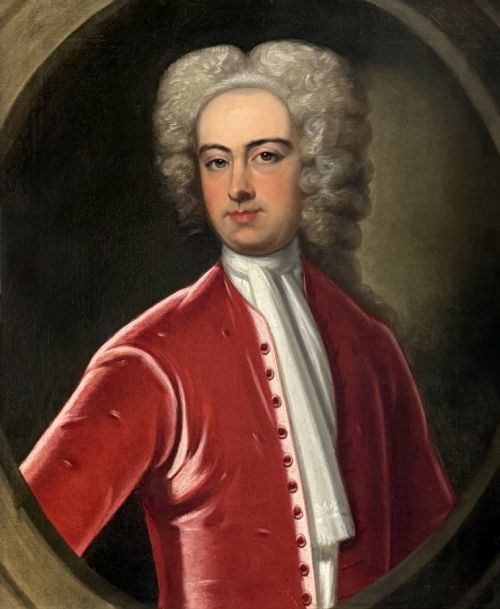
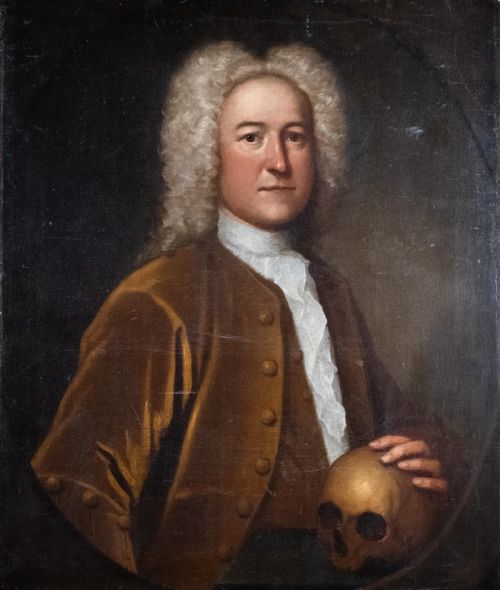
A powdered wig portrait represents a traditional depiction of historical figures, typically executed in oil on canvas during the Georgian and eighteenth-century periods. These works depict subjects ranging from named gentlemen and merchants to clergy and nobility, reflecting the formal dress and societal standing of the era.
The versions most commonly met on this page belong to the eighteenth century, including English and French schools alongside portrait miniatures. Buyers encounter both full-scale oil paintings and smaller hand-painted works that preserve the distinct fashion of powdered hair and formal coats.
Materials and technique
Frames play an integral role in the presentation, utilising giltwood or gilded wood to complement the dark tones of the oil paint. The combination of durable canvas supports and rich pigment layers has allowed these historical likenesses to survive across centuries.
Powdered Wig Portrait Retail Price Guide 2026
Typical asking prices for powdered wig portrait among the pieces listed under this phrase on Sellingantiques today, from the lower quarter to the upper quarter. They describe what is for sale here now, not the wider market.
The documented periods span from the seventeenth century through to Edwardian interpretations.
Distinctions in quality
Provenance and attribution also elevate certain works, particularly when linked to documented artists or circles of known painters from the period. The condition of the original canvas and the preservation of the surrounding gilt frame further influence the overall standing of the piece.
Charles Jervas·Joseph Highmore·Enoch Seeman the Younger·Michael Dahl·Thomas Hudson·Andrea Soldi·Henry Walton
The Powdered Wig Portrait Glossary
- Oil on canvas
- A traditional painting medium where pigments suspended in oil are applied to a stretched fabric support. This combination provides a durable surface that holds rich colour and texture over centuries.
- Giltwood
- Wood that has been coated with a thin layer of gold leaf or gold paint. It frequently forms the ornate frames associated with Georgian and eighteenth-century fine art.
- Portrait miniature
- A small-scale painting, often executed on enamel or vellum, designed for intimate viewing or portable display. These works capture likenesses with minute precision.
- Georgian
- Relating to the period of British history spanning the reigns of the first four Georges from 1714 to 1830. This era produced distinctive styles in portraiture and decorative arts.
- Attributed to
- A term used when a work shows the style of a specific master but lacks definitive documentation proving direct authorship. It indicates strong stylistic parallels to a known hand.
Powdered Wig Portrait: Frequently Asked Questions
What periods do these portraits date from?
The pieces span primarily the eighteenth century, with particular concentration in the Georgian era. Surviving examples reflect the portraiture conventions of the seventeen-hundreds up to later Victorian interpretations.
Collectors encounter works tied to specific decades within this timeframe, such as the early seventeen-twenties or mid-eighteenth-century commissions.
How were these paintings originally displayed?
These artworks hung within the formal rooms of country houses, merchant residences, and civic institutions. They served to record lineage, status, and civic contribution.
Frames made of giltwood enhanced their presence on wood-panelled or plastered walls, projecting authority and refinement.
How do I care for an oil on canvas portrait?
Protection from direct sunlight and stable indoor humidity levels ensure the oil paint and canvas remain secure. Avoid hanging pieces near heat sources that might cause the wood stretcher or canvas to warp.
Dusting should be done gently with a soft, dry brush by someone experienced in handling historic artwork.
What is the difference between a full portrait and a miniature?
Full-scale portraits on canvas measure sufficient size to show upper body or half-length poses with detailed background elements. Portrait miniatures are executed on a much smaller scale, often utilising enamel or delicate surfaces.
Miniatures were intended for personal portability or close inspection rather than wall display in large reception rooms.