


Antique Clerical Portrait
An antique clerical portrait captures the solemn gravity of churchmen through centuries past, offering serious collectors a direct window into Georgian ecclesiastical history.
Understanding the antique clerical portrait
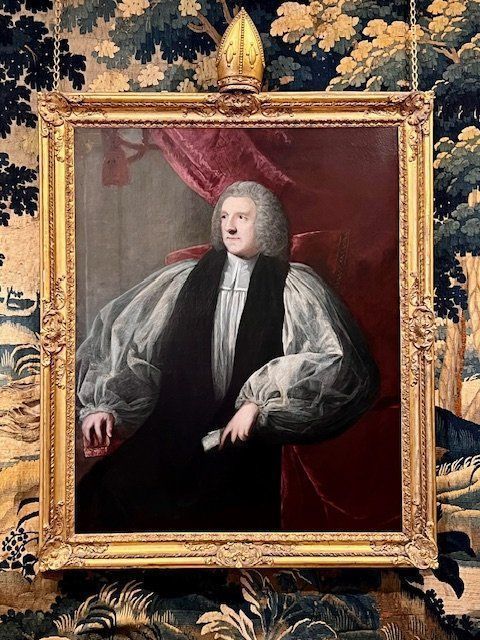
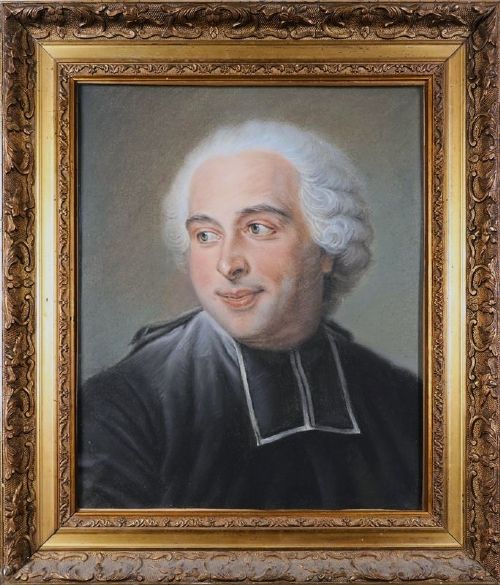
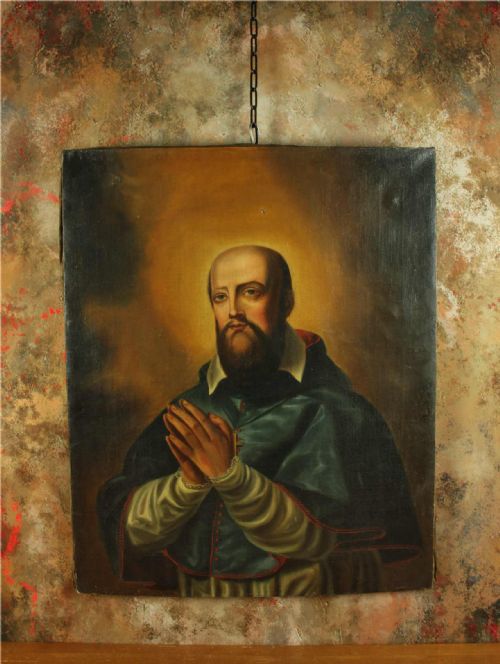
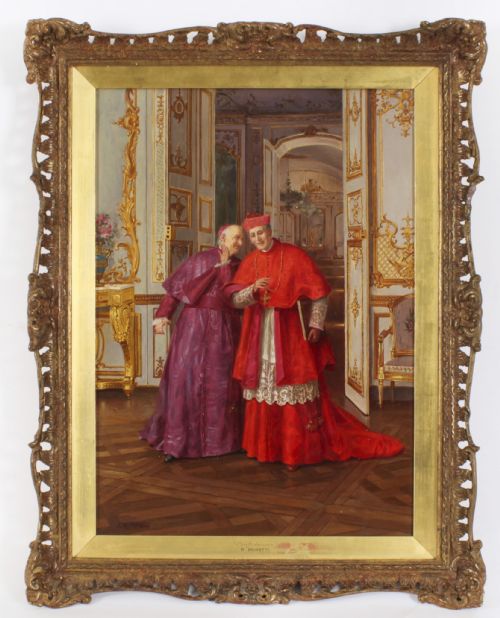
An antique clerical portrait depicts ministers, deans and reverends from the seventeenth and eighteenth centuries, capturing their distinct ecclesiastical standing. These works frequently record specific historical figures, such as Reverend Patrick Bennet or Dean Josiah Tucker, complete with their dates and titles.
Most examples found here date to the eighteenth century within the Georgian period, executed in oil paint upon canvas or panel. They demonstrate the formal portraiture traditions of British painters and regional English schools from the era.
Materials and construction
Artists painted these works using oil paint applied to prepared canvas supports or wooden panels, often framed in gilt wood. The physical construction relies on traditional stretcher frames and heavy textile supports typical of Georgian studio practice.
Retail Price Guide 2026
Typical UK retail prices for clerical portrait, calculated from the Sellingantiques database of over a million retail prices indexed since 2003. This retail price guide relies exclusively on Sellingantiques data; no external sources or auction records are used, so the figures do not describe the wider market.
Several clergymen depicted here managed to look severe enough to frighten the parish geese from fifty paces.
Distinctions in quality
Quality rests upon the certainty of attribution and the skill with which the sitter's likeness and character are rendered in oil paint. Works linked directly to named portraitists or established artistic circles command greater artistic interest than anonymous school pieces.
The preservation of the original canvas surface, the depth of the oil pigments and the integrity of the period gilt wood framing dictate the visual impact of each painting. Subtle handling of light on clerical bands and robes separates superior studio output from stiffer provincial output.
Alan Ramsay·George Dowdney
The Antique Clerical Portrait Glossary
- Oil on canvas
- A painting technique where pigmented oil is applied to a woven fabric support stretched over a wooden frame. This method became standard for British portraiture throughout the Georgian era.
- Panel
- A rigid wooden board used as a painting support instead of fabric. Panels provide a completely firm ground for early oil paintings.
- Gilt wood
- Carved wood decorated with a thin layer of gold leaf or metallic gilt finish. These frames surround many period portraits to enhance their presence.
- Georgian
- The artistic and historical period spanning the reigns of the Hanoverian kings in Britain. Paintings from this era often reflect neoclassical or refined portrait traditions.
Frequently Asked Questions
What periods do these portraits cover?
The available evidence spans the seventeenth and eighteenth centuries, with a strong concentration of pieces originating in the Georgian era. These dates reflect the active years of the sitters and the painters who recorded them.
Collectors find works attributed to specific mid-eighteenth-century artists alongside broader English School productions from the same timeframe.
Who are the subjects in these paintings?
The subjects are historical church figures, including ministers, reverends and deans such as William Jones of Nayland and Christopher Pitt. Inscriptions often record their exact lifespans and ecclesiastical positions.
These men represent the clergy of Britain during the seventeen-hundreds, painted with the solemnity appropriate to their office.
What materials were used to create them?
Artists used oil paint on canvas or wooden panel supports, capturing the likenesses of churchmen with traditional pigments. Many retain their period gilt wood frames.
The combination of oil on canvas and heavy wooden framing defines the physical nature of these surviving works.
How do I identify a Georgian clerical painting?
Look for the characteristic eighteenth-century clothing, clerical bands and formal poses that mark the Georgian period. Inscriptions naming the reverend or dean often appear on the canvas or associated documentation.
Attributions to artists active between the seventeen-hundreds and the late eighteenth century further anchor the piece in its proper historical era.