
Classic Oil Portrait Painting
A classic oil portrait painting brings centuries of presence and character into a room.
Understanding classic oil portrait painting
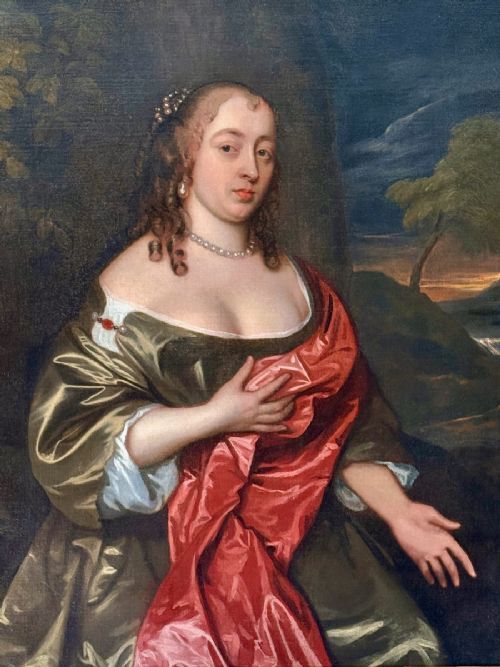
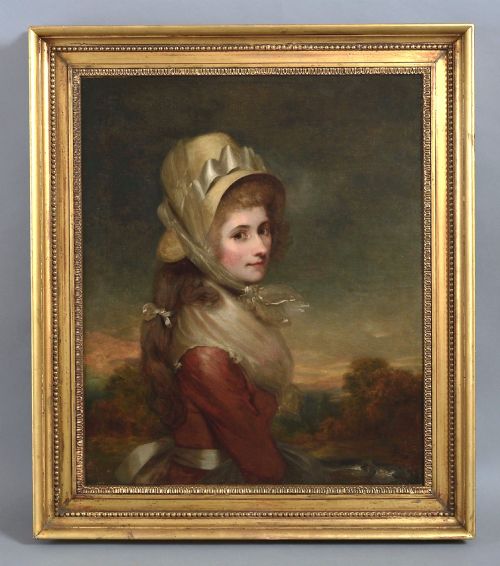
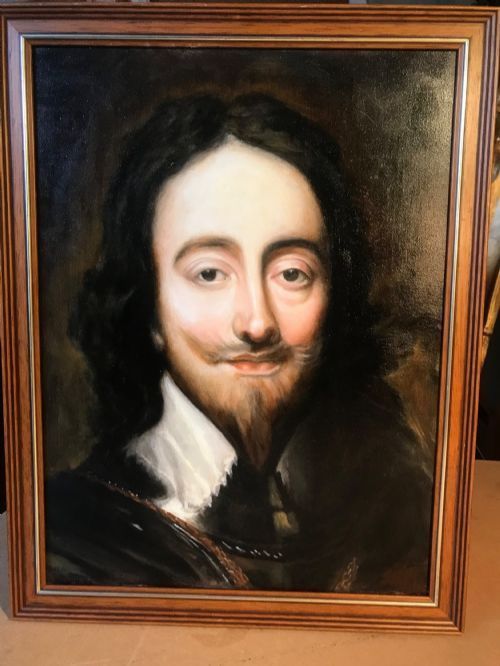
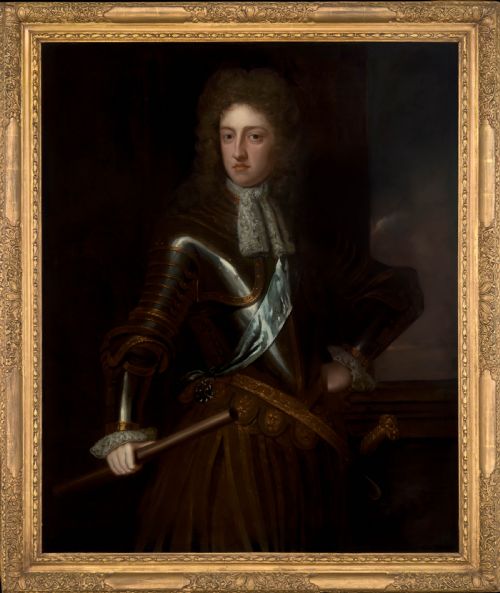
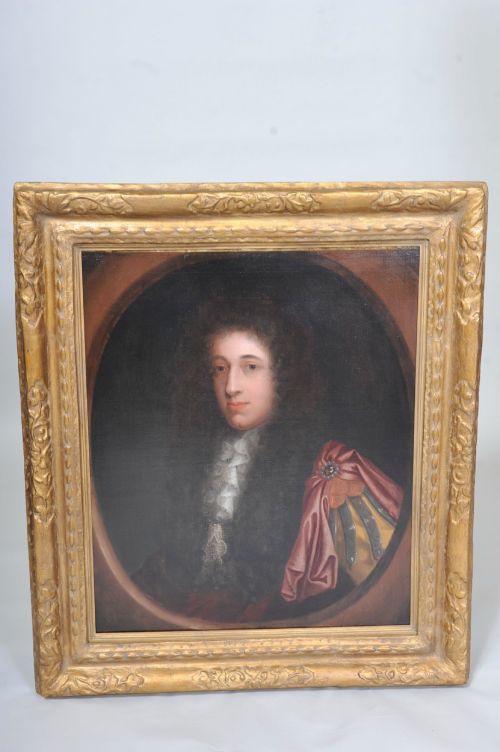
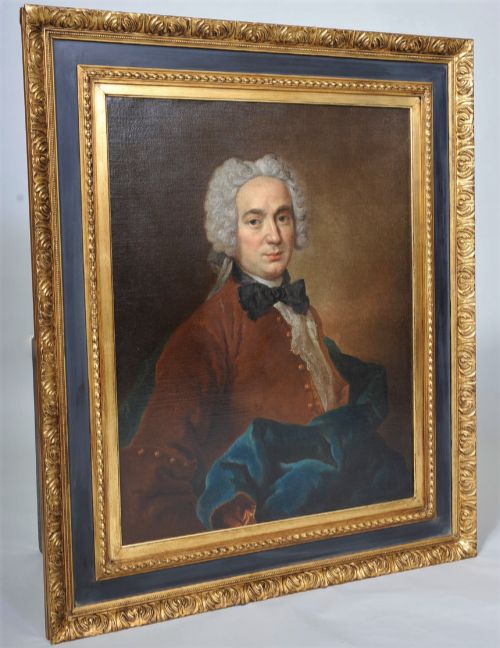
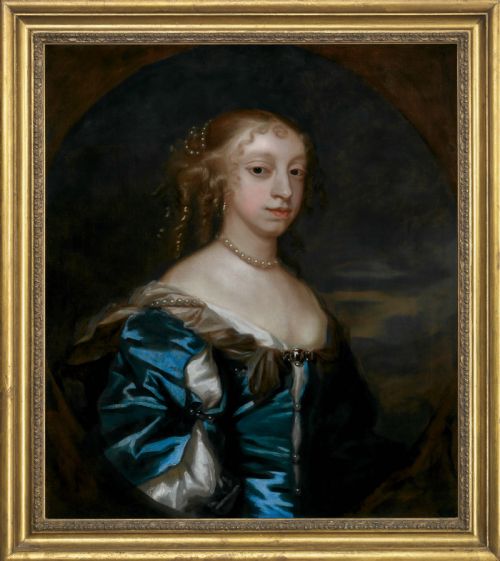
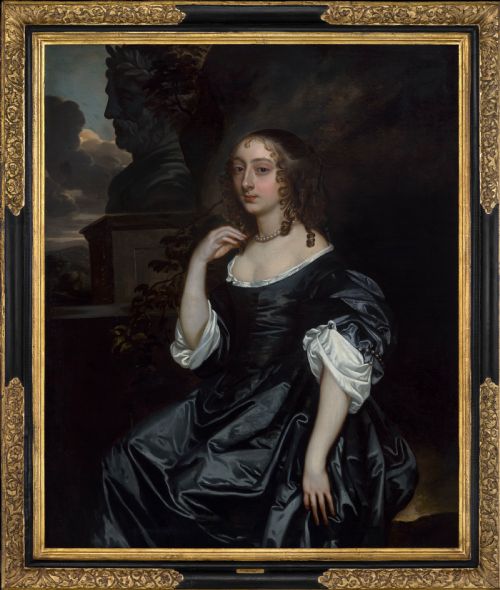
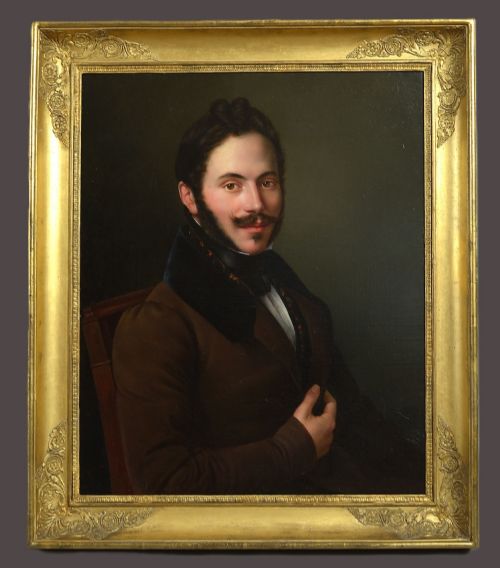
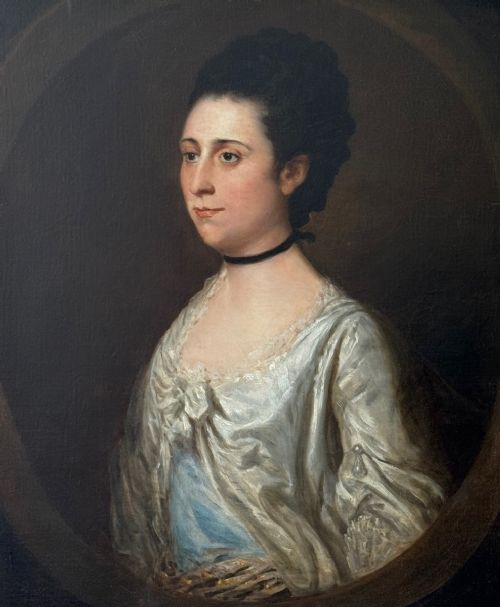
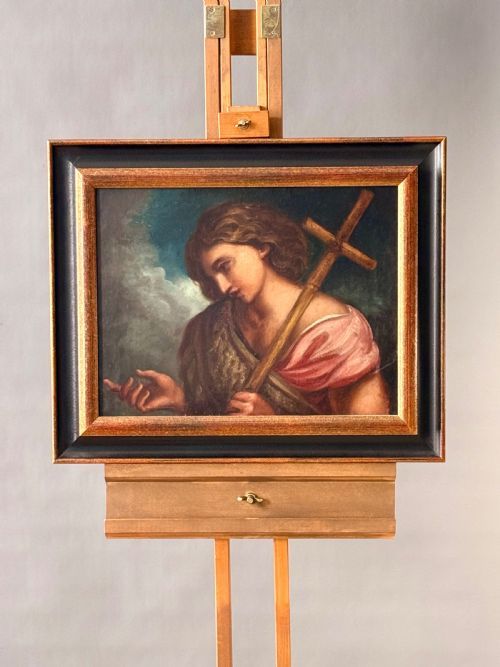
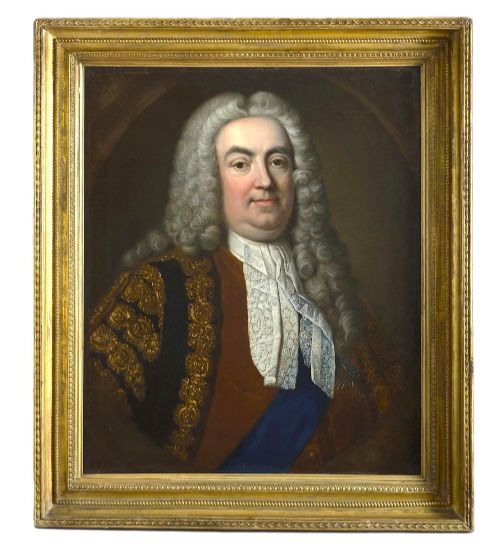
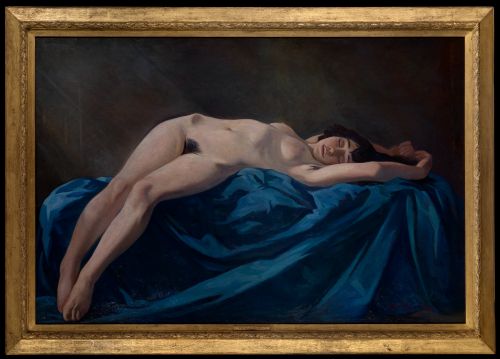
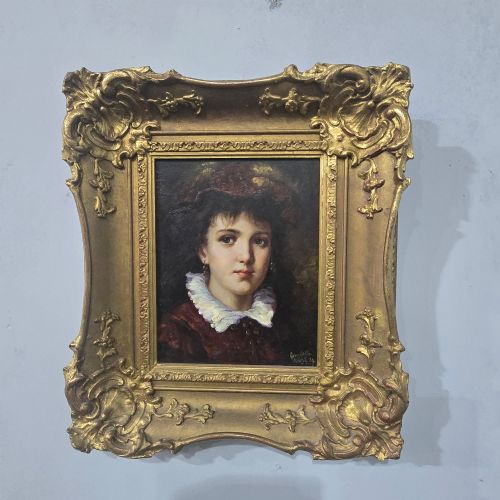
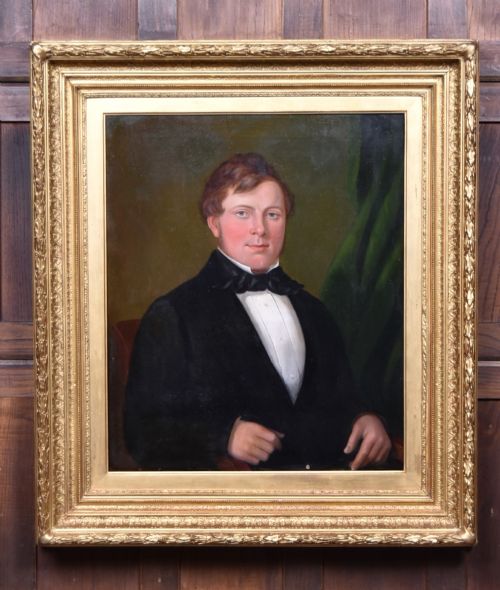
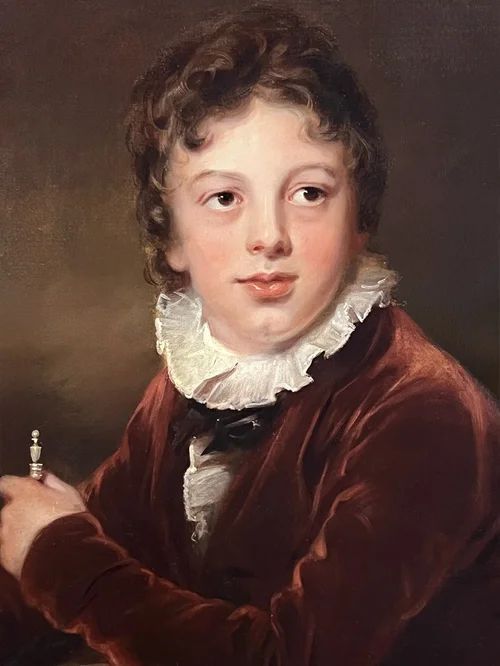
A classic oil portrait painting captures the likeness and stature of historical figures, ladies, and continental subjects across centuries of artistic tradition. When you examine a classic oil portrait painting today, you encounter works spanning the Georgian era through the nineteenth century.
The subjects range from formally posed female beauties and profile studies in classical dress to detailed military officers and allegorical scenes. Most examples present traditional portraiture formats, including bust-length studies, side profiles, and grander narrative compositions.
These works bridge past eras and modern interiors, offering a direct link to eighteenth and nineteenth-century society. Each piece serves as both a historical record and a striking visual focal point for the wall.
Materials and construction
Artists built these works using traditional oil paint applied to woven canvas supports, sometimes laid onto card for structural stability. Wooden panels also served as a durable foundation for pigments in select compositions.
Retail Price Guide 2026
Typical UK retail prices for classic oil portrait painting, calculated from the Sellingantiques database of over a million retail prices indexed since 2003. This retail price guide relies exclusively on Sellingantiques data; no external sources or auction records are used, so the figures do not describe the wider market.
Some ladies brought baskets of flowers to their sittings, capturing botanical charm alongside stiff Victorian collars.
Judging the work
Quality rests in the precision of brushwork and the psychological depth captured in the sitter's expression. Superior examples demonstrate a masterly handling of light and shadow across fabrics, skin tones, and background details.
The integrity of the original canvas, the preservation of the oil paint layer, and the authenticity of the accompanying gilded wood frame elevate the standing of a piece. Works associated with documented hands command greater attention than anonymous studio productions.
Tilly Kettle·Arthur Heinrich Wilhelm Fitger·Sir Richard Westmacott·George Romney
The Classic Oil Portrait Painting Glossary
- Canvas
- A heavy woven fabric stretched across a wooden frame to serve as the primary support for oil painting. It provides the necessary tension and texture for layered brushwork.
- Gesso
- A traditional white paint mixture consisting of a binder mixed with chalk, gypsum, or pigment, used to prepare wooden panels and frames before gilding. It creates a smooth surface for subsequent layers.
- Gold leaf
- Extremely thin sheets of beaten gold applied to wooden frames for decoration. This material adds a brilliant metallic finish that catches ambient light.
- Oil paint
- A slow-drying paint made by combining pigment particles with a drying oil, typically linseed oil. This medium allows for smooth blending and rich luminosity.
Frequently Asked Questions
What periods do these paintings cover?
The available works span from the eighteenth century through the nineteenth century, encompassing the Georgian era and nineteenth-century classical and realist movements.
This broad chronological range allows collectors to explore shifting artistic conventions and distinct historical aesthetics.
How were these portraits constructed?
Makers applied oil paint onto canvas supports, occasionally using wood panels or canvas laid onto card. Frames were built from wood and finished with gesso and gold leaf.
These traditional materials ensured long-term durability while enhancing the visual impact of the artwork.
How do I live with a portrait?
Display these works away from direct sunlight and excessive moisture to protect the sensitive oil pigments and gilded frames. Proper placement ensures the canvas remains stable and vibrant over time.
Pairing a historic painting with simple interior surroundings allows the character of the sitter to stand out.
Who are some notable artists featured?
The selection includes works attributed to documented historical figures such as Tilly Kettle, Arthur Heinrich Wilhelm Fitger, Sir Richard Westmacott, and pieces in the manner of George Romney.
These creators represent significant British and continental traditions in portraiture.