


Victorian Oil Artwork
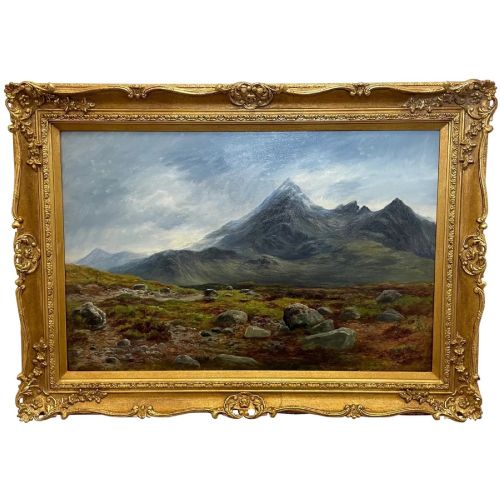
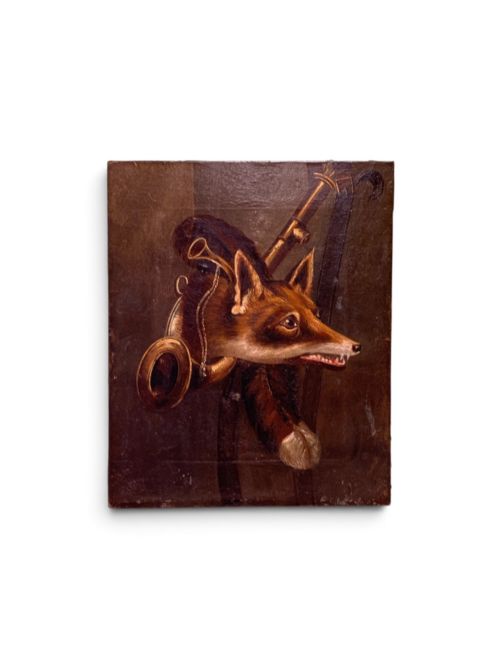
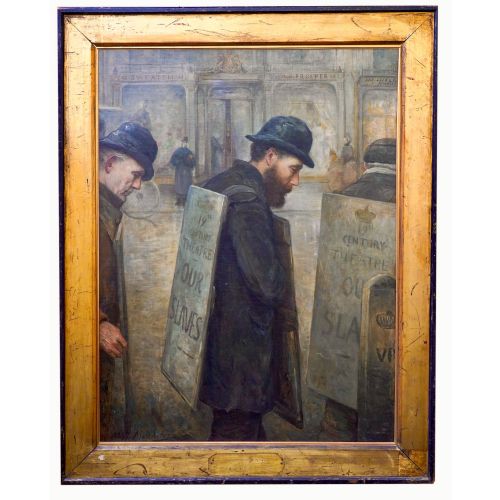
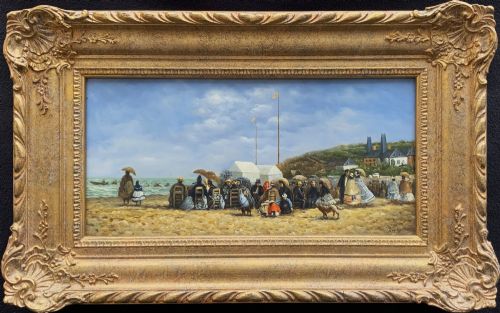
Victorian oil artwork brings lasting character to a room through painted canvas and gilt wood frames.
What victorian oil artwork is
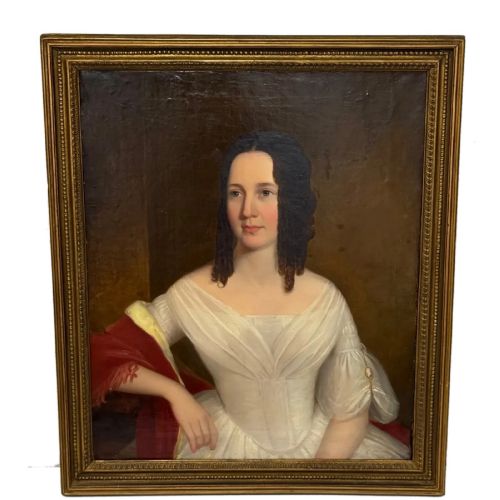
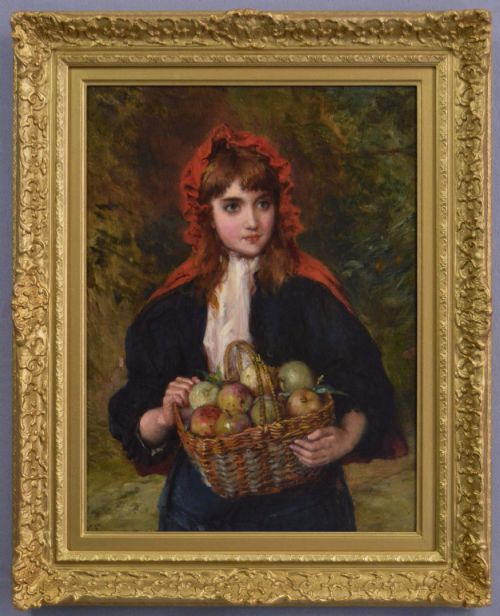
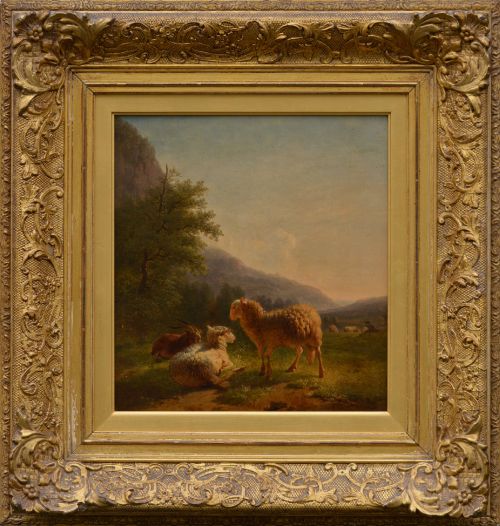
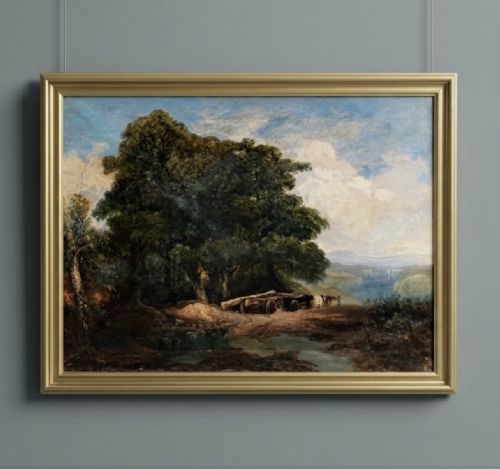
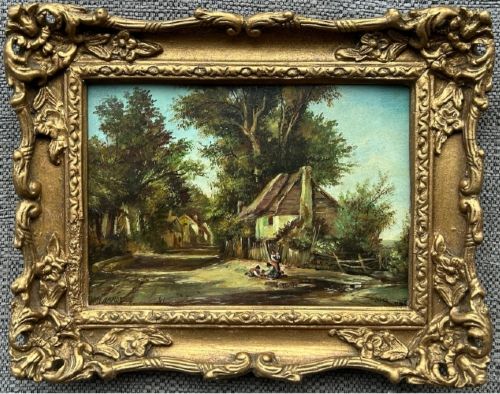
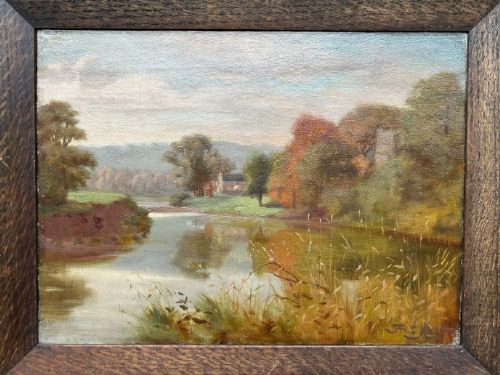
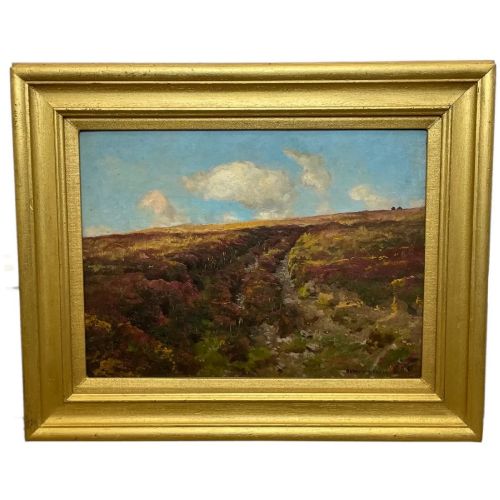
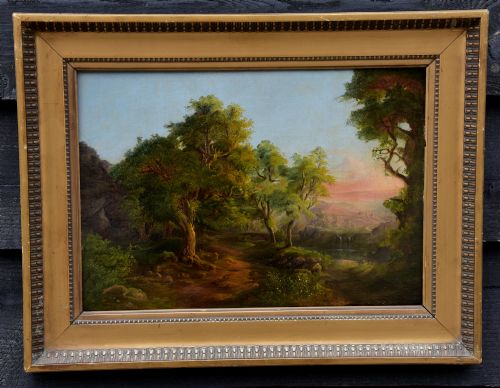
Victorian oil artwork comprises framed paintings executed in oil paint upon canvas, spanning portraiture, still life, and genre scenes from the nineteenth century. Buyers encounter academic works, classical compositions, and decorative pieces that capture historical figures, royalty, and everyday harvests.
The selection on this page centres primarily upon nineteenth-century canvases, featuring dates such as eighteen eighty, eighteen seventy, and eighteen hundred. Subjects range from royal princes in Scottish dress to intimate fruit still lifes arranged beside Chinese ginger jars.
Makers and artists represented in the evidence include Adelaïde Salles-Wagner, E. Cremer, Arthur Heinrich Wilhelm Fitger, William Salter, and Clarence Roe. These creators deliver diverse expressions of nineteenth-century artistic output, housed within period framing materials.
How they were made
Painters applied oil paint directly onto stretched canvas surfaces using traditional brushwork techniques to build up rich colour palettes and depth. Pigments captured fine details in clothing, botanicals, and facial expressions across portraits and still life scenes.
Finished canvases found themselves secured within wooden frames enhanced by gesso layers and gilt finishes. Giltwood and gilt wood mouldings added reflective brilliance that completed the presentation of each wall art piece.
Retail Price Guide 2026
Typical UK retail prices for victorian oil artwork, calculated from the Sellingantiques database of over a million retail prices indexed since 2003. This retail price guide relies exclusively on Sellingantiques data; no external sources or auction records are used, so the figures do not describe the wider market.
The listings on this site feature oil on canvas works alongside wooden, gesso, and gilt framing materials from the nineteenth century.
What varies in quality
The standard of an oil painting rests upon the precision of the brushwork and the confidence with which the artist handles light and shadow. Finer works display meticulous attention to anatomical detail, fabric textures, and composition.
Framing contributes significantly to the overall presence of the piece, where deeply moulded gesso and rich gilt wood elevate the visual impact of the canvas within. The distinction between standard decorative items and accomplished works lies in the expressive depth of the painted surface.
Adelaïde Salles Wagner·E Cremer·Arthur Heinrich Wilhelm Fitger·William Salter·Clarence Roe
The Victorian Oil Artwork Glossary
- Oil on canvas
- A painting technique where oil-based pigments are applied to a woven fabric support stretched over a wooden frame.
- Gesso
- A plaster-like mixture applied to wooden frames as a smooth base before gilding.
- Giltwood
- Timber that has been coated with a thin layer of gold leaf or gilt finish.
- Still life
- An artwork depicting inanimate subject matter, typically commonplace objects such as fruit or pottery.
- Portraiture
- The practice of portraying specific individuals, capturing likeness and social standing through painted portrait art.
Frequently Asked Questions
What is victorian oil artwork?
It encompasses painted canvases created during the nineteenth century, utilising oil paints to render portraits, still lifes, and historical scenes.
These pieces often arrive in period frames made of wood, gesso, and gilt.
How should I hang these paintings?
Mount them securely on walls away from direct sunlight and excessive moisture to protect both canvas and gilt wood frames.
Ensure the hanging hardware matches the substantial weight of nineteenth-century timber frames.
How do I identify the period?
Examine the materials, canvas preparation, stretcher frames, and the style of the gilt framing for nineteenth-century characteristics.
Signatures, artist attributions, and recorded dates within the evidence further confirm the era of origin.
What subjects are common?
Common subjects include formal portraits of notable figures, harvest celebrations, royalty in traditional dress, and detailed still lifes.
Artists utilised these themes to reflect the social and cultural interests of the nineteenth century.