




Gilded Frame Fine Art
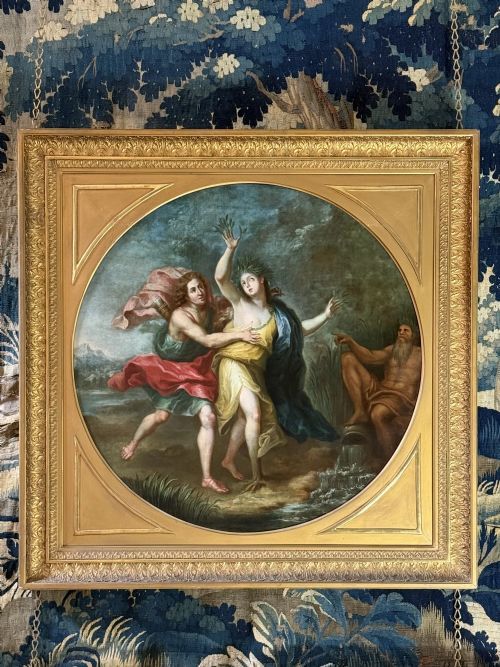
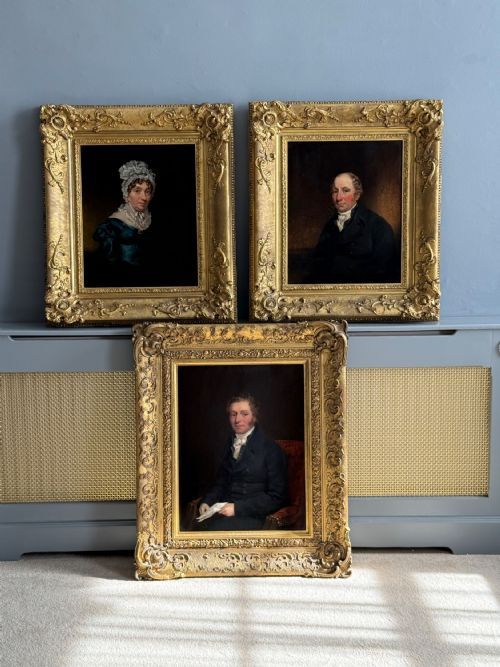
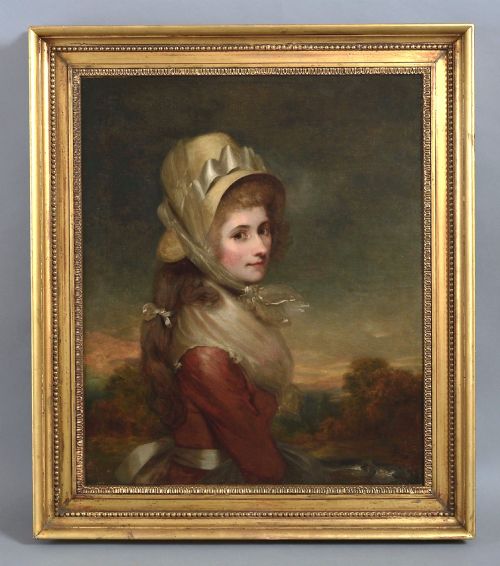
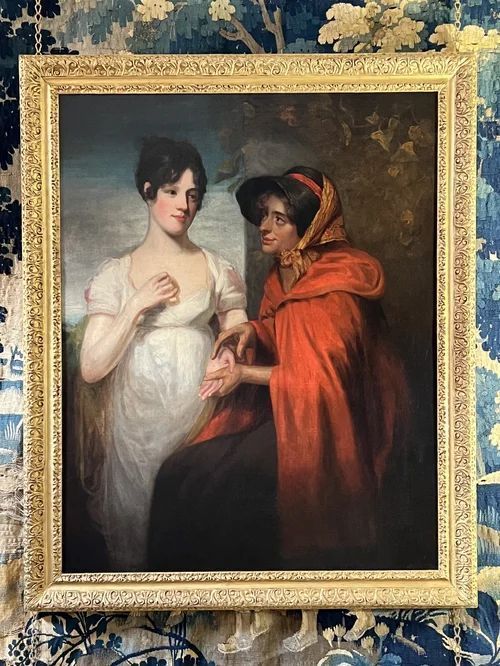
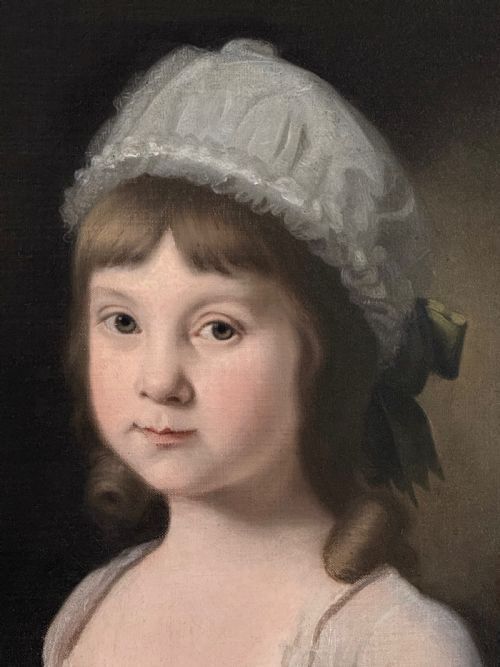
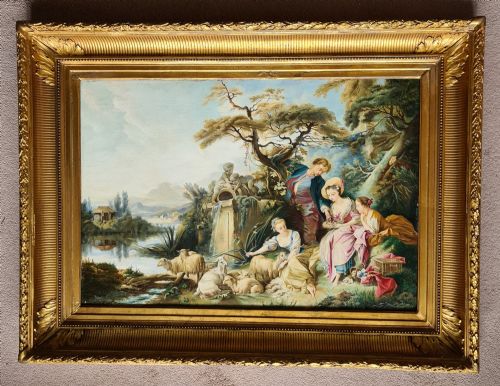
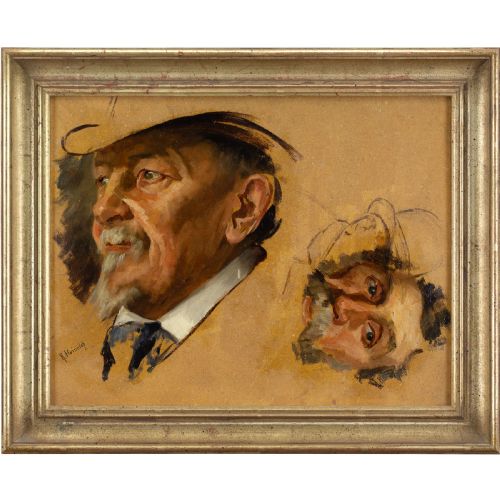
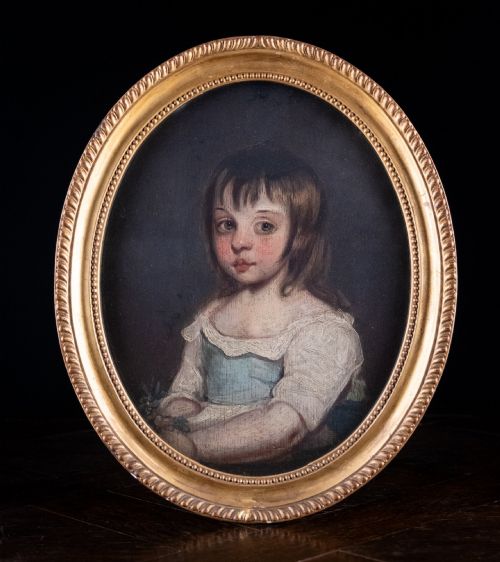
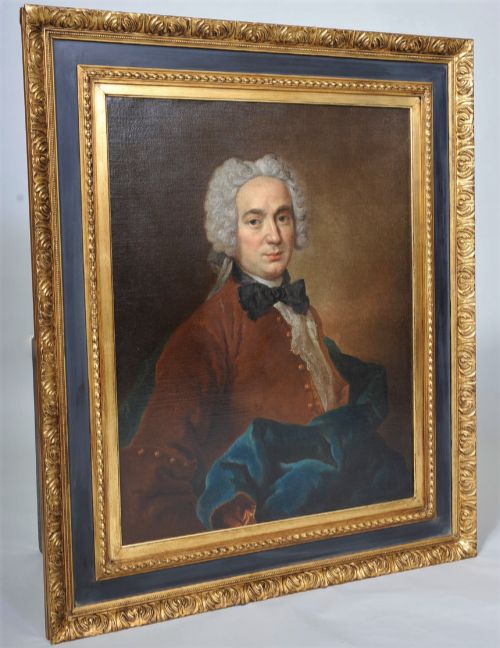
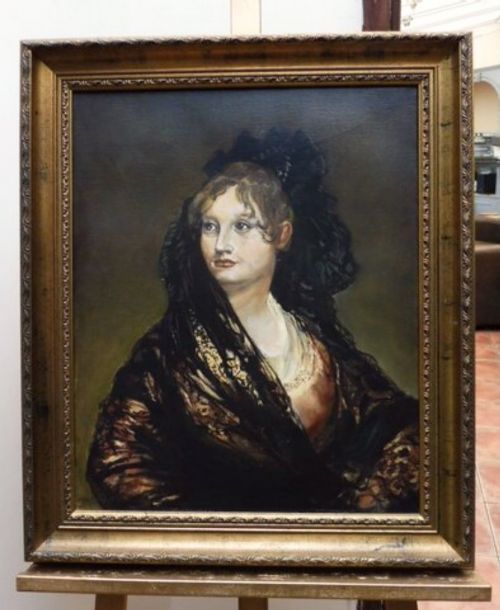
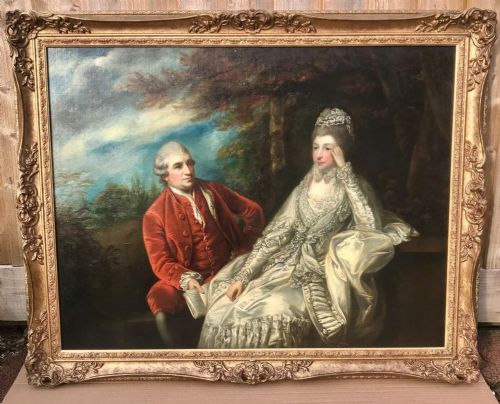
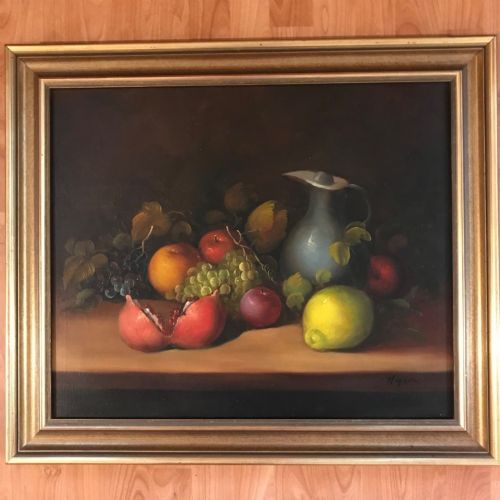
These examples of gilded frame fine art combine period oil paintings with ornate wooden surrounds finished in gold leaf or gesso.
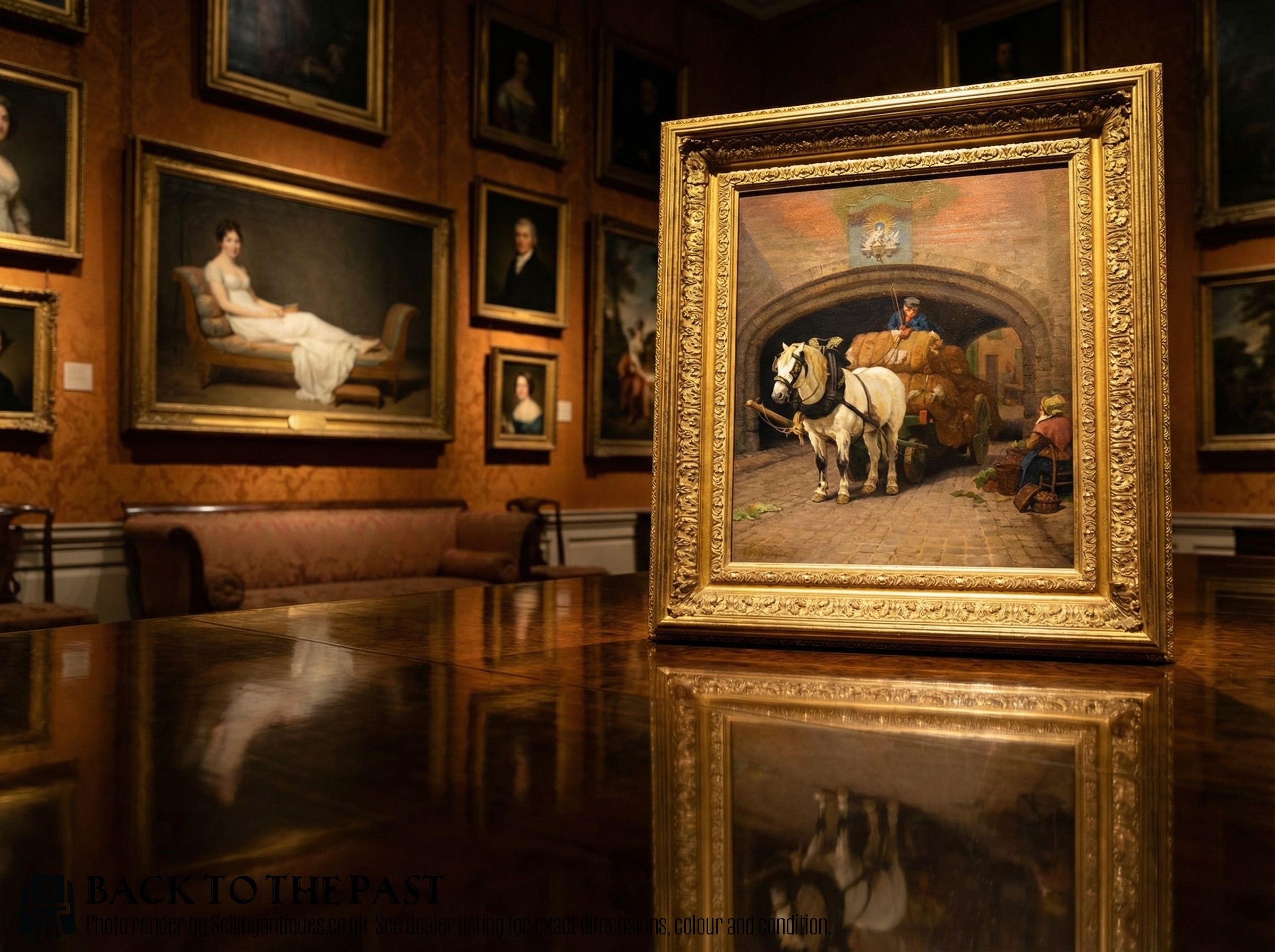
Gilded Frame Fine Art
When you search for gilded frame fine art, you encounter oil paintings, portraits, landscapes and still life compositions housed within decorative surrounds. These works range from seventeenth-century Dutch old masters and eighteenth-century portraits to nineteenth-century academic canvases and later decorative pieces.
The selection on this page centres on oil on canvas and oil on board works paired with period wooden surrounds. Buyers meet everything from grand historical mythologies to intimate domestic scenes, each defined by the interplay between the painted surface and its metallic housing.
How They Were Made
The physical objects rely on traditional painting supports such as canvas, wood panel and board, layered with oil paint applied by brush. Canvases are stretched over wooden frames before receiving preparatory grounds and pigmented layers.
Surrounds are constructed from timber, frequently coated in gesso to create a smooth surface for the application of gold leaf or gilt finish. Carved wooden elements and moulded composition details provide the ornamental depth characteristic of these pieces.
Gilded Frame Fine Art Retail Price Guide 2026
Typical asking prices for gilded frame fine art among the pieces listed under this phrase on Sellingantiques today, from the lower quarter to the upper quarter. They describe what is for sale here now, not the wider market.
Listings span the seventeenth to the twentieth century, featuring materials such as oil paint, canvas, gesso, giltwood and wood.
What Varies in Quality
The strength of the painted composition and the handling of pigment distinguish different examples within the field. Master painters achieve subtlety in facial expression, fabric drape and light diffusion, whereas lesser works display rigid lines and flat colour application.
The standard of the surrounding enclosure contributes significantly to the overall piece. Hand-carved wooden surrounds with crisp leaf application hold greater aesthetic weight than mass-moulded replacements or heavily worn surfaces.
Charles-Antoine Coypel·Joseph Clover RA·Sir Martin Archer Shee·Sebastiaan Vrancx·John Opie RA·Joshua Reynolds PRA·Francois Boucher·Maurice of Nassau·Francisco Jose de Goya·Jean Baptiste Van Loo·Gian Paolo Pace·Alfred Pollentine·Jacob Philipp Hackert·Sir John Gilbert RA·Thomas Beach
The Gilded Frame Fine Art Glossary
- Giltwood
- Wood that has been coated with gold leaf or a metallic substitute. This technique provides a luminous border that catches ambient room light.
- Gesso
- A plaster mixture applied to wood surfaces to prepare them for gilding or painting. It allows craftsmen to carve sharp decorative details.
- Oil on Canvas
- A painting technique utilising pigments suspended in drying oils applied to a woven fabric support. This method permits rich colour blending and gradual drying times.
- Old Master
- A European artist of high skill working before about eighteen hundred. These painters established foundational conventions in portraiture and landscape composition.
- Regency
- A British architectural and decorative style spanning the early nineteenth century. Works from this period reflect neoclassical influences and balanced proportions.
Gilded Frame Fine Art: Frequently Asked Questions
How do I date an antique oil painting?
Dating relies on stylistic clues within the clothing, hair and setting of the subject, alongside the physical characteristics of the canvas and stretcher bars. Pigment analysis and historical records regarding the artist further refine the timeline.
Examination of the surrounding timber reveals construction methods typical of specific eras, such as hand-cut joinery or machine-moulded gesso composition.
What is the difference between oil on canvas and oil on panel?
Oil on canvas involves stretching fabric over a wooden frame, creating a slightly flexible painting surface with visible textile texture. Panel paintings utilise solid wood supports, offering a rigid ground favoured in earlier centuries.
Canvas works accommodate larger compositions easily, while panel works maintain dimensional stability over long periods.
How should I care for a framed oil painting?
Keep works away from direct sunlight, high humidity and sudden temperature fluctuations to prevent the canvas from slackening and the paint layer from cracking. Dust the surface gently with a soft, dry brush without applying pressure.
Avoid using liquid cleaners or chemical solvents on either the painted canvas or the metallic surround.
Are these works original period pieces?
The inventory encompasses authentic works created during the seventeenth, eighteenth, nineteenth and twentieth centuries, alongside period interpretations after earlier masters. Each listing records the specific era attributed to the artwork.
Surrounds are frequently contemporaneous with the canvas, though some pairings occurred later in the history of the object.