
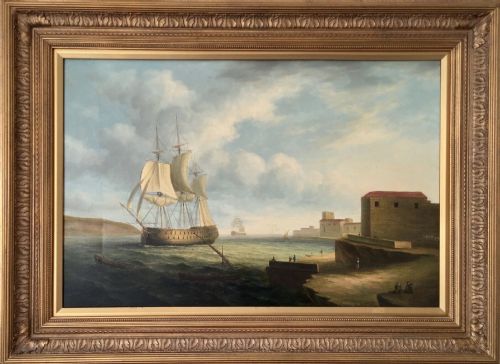
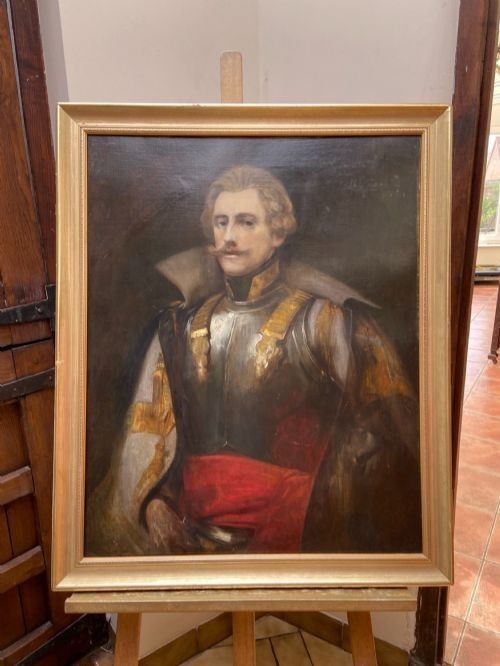
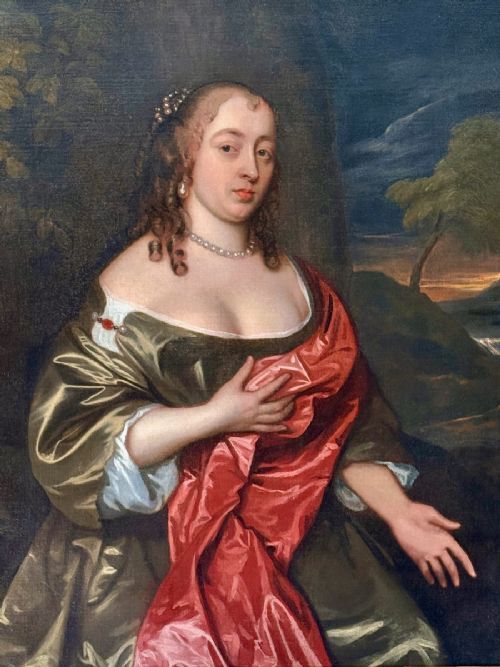
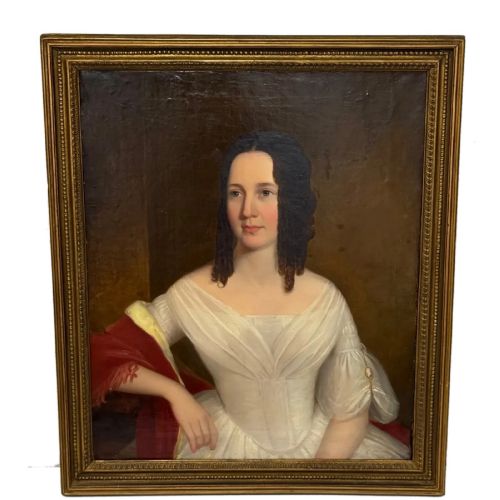

Traditional Oil Portrait
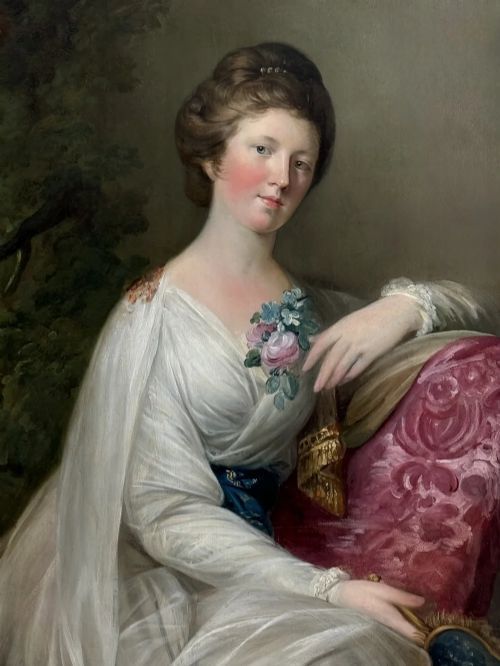
When you search for traditional oil portrait, you are looking at historical depictions of sitters rendered in oil paint on canvas or panel.
Traditional Oil Portrait
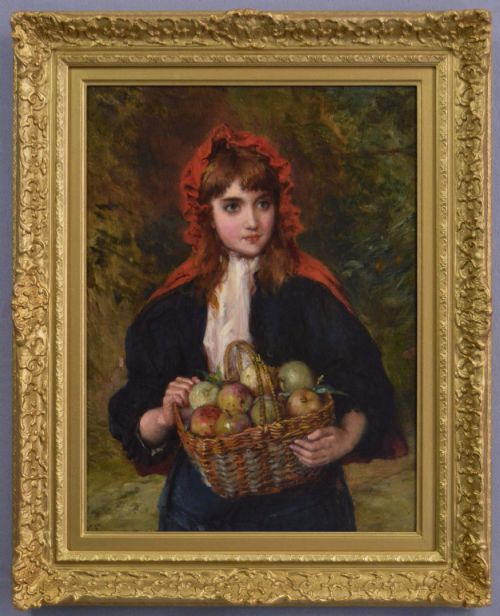
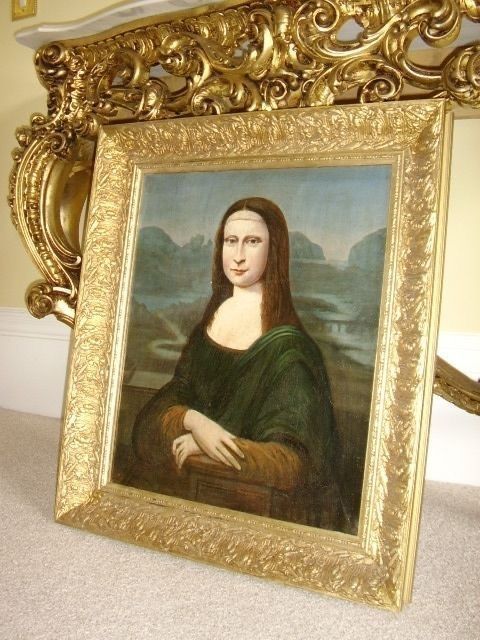
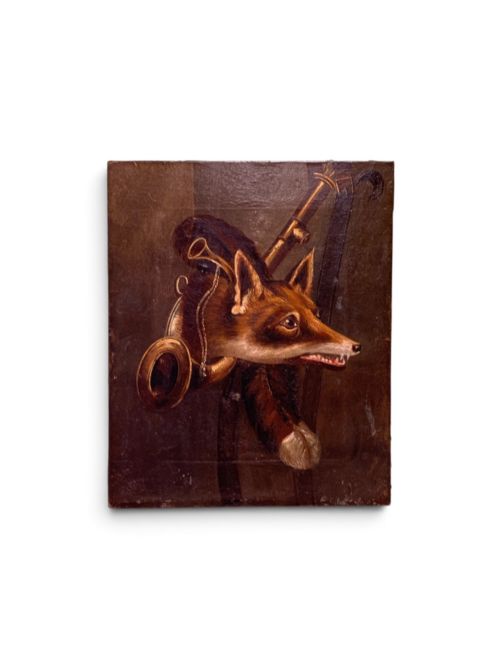
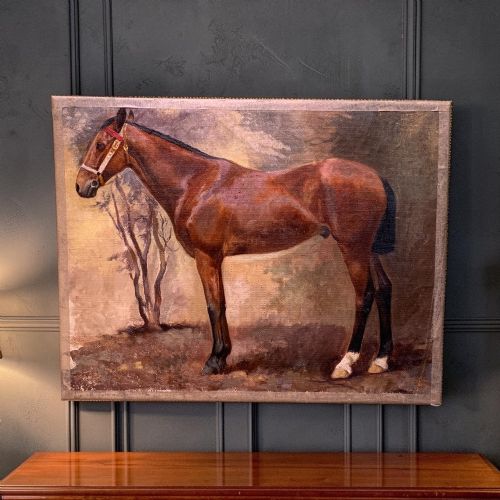
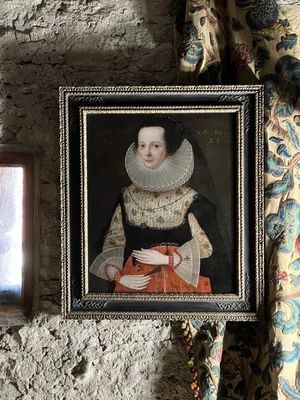
A traditional oil portrait captures human likeness, equestrian subjects, or domestic animals across centuries ranging from the sixteenth to the mid-twentieth. Buyers examine works originating from British, French, Italian, and Spanish schools, spanning the Georgian, Victorian, and Edwardian periods.
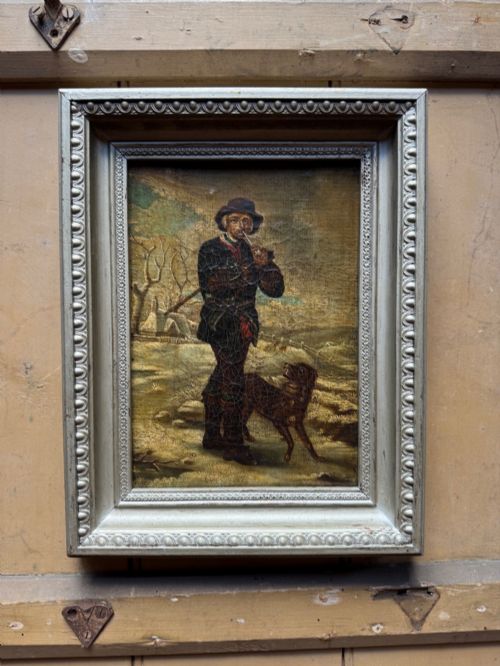
The selections on this page frequently present figures in landscape settings, interiors, or formal poses. Portraits of nobility, military officers, architects, and children sit alongside genre studies and equine subjects recorded by named artists and anonymous schools alike.
Materials and construction methods
Painters utilised oil paint applied to woven canvas supports, wooden panels, or occasionally board substrates. These pigments were manipulated to build layers of colour, light, and shadow.
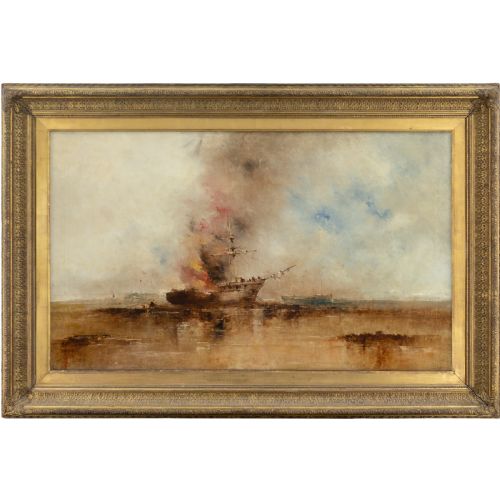
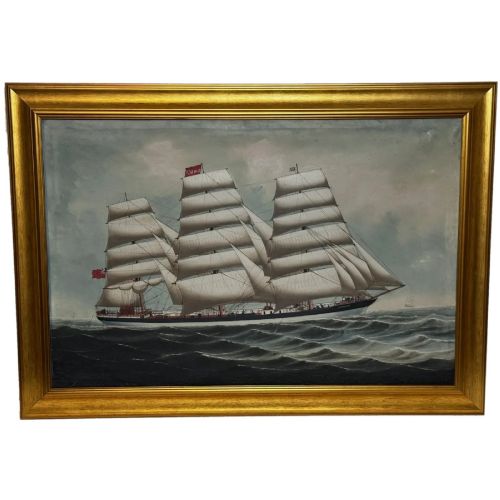
Many works retain their original giltwood and gesso frames, often embellished with gold leaf. The framing elements protect the perimeter of the canvas and provide structural containment for the panel or stretcher.
Traditional Oil Portrait Retail Price Guide 2026
Typical asking prices for traditional oil portrait among the pieces listed under this phrase on Sellingantiques today, from the lower quarter to the upper quarter. They describe what is for sale here now, not the wider market.
Several equine portraits record specific nineteenth-century race winners and prized shorthorn bulls immortalised alongside their human handlers.
Evaluating quality and execution
Quality rests in the precision of the brushwork, the anatomical accuracy of the sitter or animal, and the depth achieved in facial modelling. Masterful handling of light upon fabric and skin distinguishes superior execution from rigid or flat composition.
The condition of the pigment layer and the integrity of the original support influence the standing of a piece. Works exhibiting minimal overpainting and stable craquelure maintain stronger historical integrity.
John Hayls·William Oliver·Jozsef Molnar·George Willison·Reginald Arthur Borstel·Albert Clark·Howard Helmick
The Traditional Oil Portrait Glossary
- Canvas
- A heavy woven fabric stretched across a wooden frame to serve as a support for oil painting. It provides a textured ground that interacts with the viscosity of the paint.
- Giltwood
- Wood that has been coated with a thin layer of gold leaf or metallic powder. This finish is commonly found on traditional frames surrounding antique paintings.
- Gesso
- A plaster-like mixture used as a base coat on wood panels or frames before gilding or painting. It creates a smooth, absorbent surface for subsequent layers.
- Panel
- A flat piece of wood used as a rigid painting support prior to the widespread adoption of canvas. Panels require stable environmental conditions to prevent warping.
- School
- A grouping of artists sharing a similar style, geographical origin, or training lineage during a specific period. Attributions to a school denote stylistic influence rather than a direct signature.
Traditional Oil Portrait: Frequently Asked Questions
How do I date a traditional oil portrait?
Dating relies on the sitter's costume, hairstyle, and the construction methods of the canvas stretcher or wooden panel. Frame styles and handwritten inscriptions on the reverse also offer chronological clues.
Comparative study with dated works by the same school or artist helps narrow the window of creation. Experts look at pigment composition and canvas weave to confirm the period.
What is the difference between canvas and panel portraits?
Canvas supports are flexible woven textiles stretched over wooden frames, whereas panels are rigid wooden boards. Panels tend to appear in earlier centuries or specific regional traditions.
Canvas allows for larger compositions and absorbs environmental shifts differently than wood. Both media require stable humidity to prevent cracking or warping.
How should I hang and light an oil portrait?
Position paintings away from direct sunlight, heating vents, and damp exterior walls to protect the oil paint and canvas. Stable indoor temperatures prevent the expansion and contraction that causes craquelure.
Utilise low-heat LED picture lights or indirect ambient room illumination to view the colours accurately. Avoid halogen bulbs that emit excessive heat and ultraviolet radiation.
What does attribution to a school mean?
An attribution to an English or Italian school indicates that the work was produced in that region during a specific era by an unidentified hand. The style aligns closely with known masters of that circle.
These pieces reflect the prevailing aesthetic standards and techniques of their time without bearing a signature. They offer historical value rooted in regional artistic traditions.