
Wooden Framed Portrait
A wooden framed portrait captures the likeness of a sitter through oil paint, watercolour or print, held within a protective timber surround.
Wooden Framed Portrait
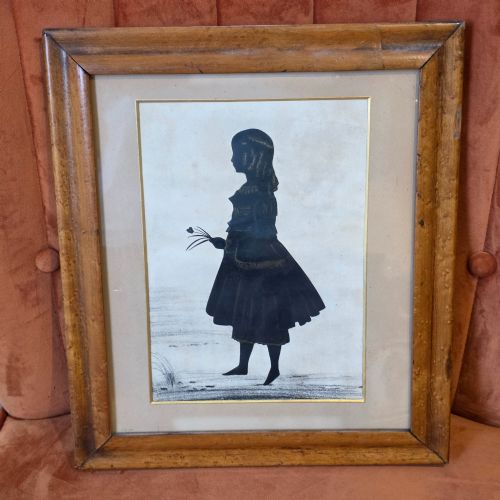
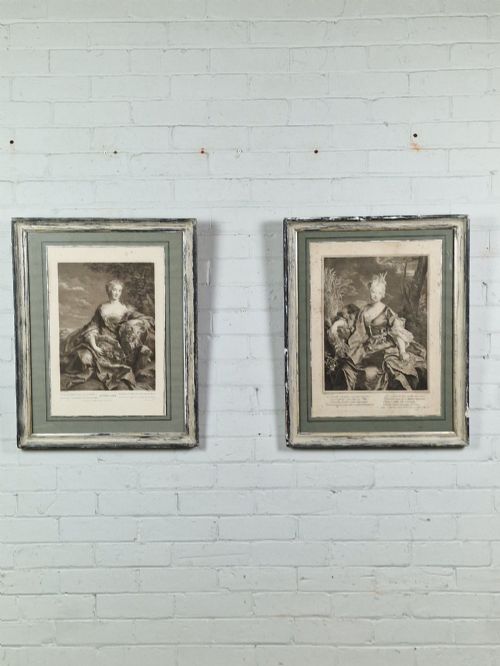
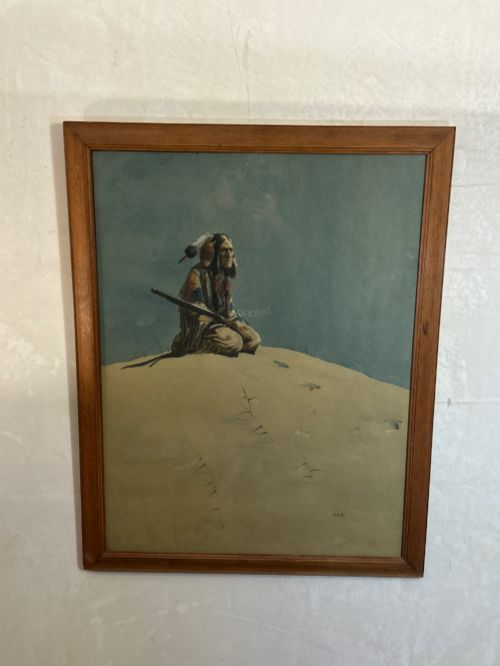
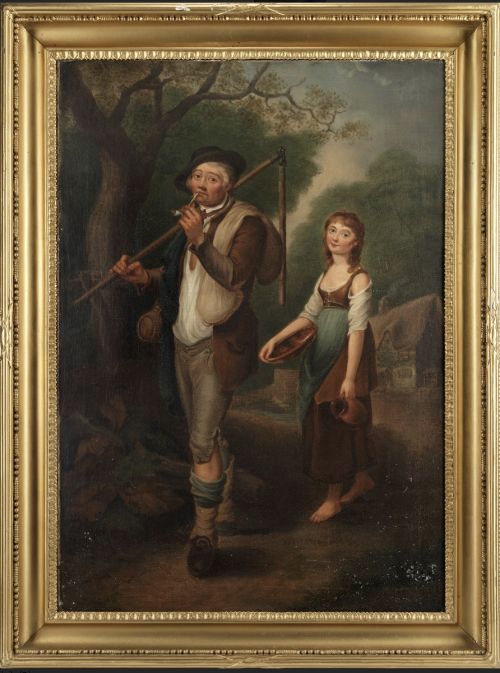
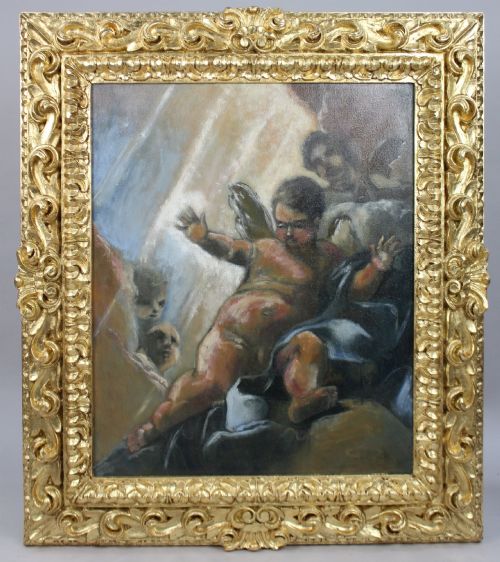
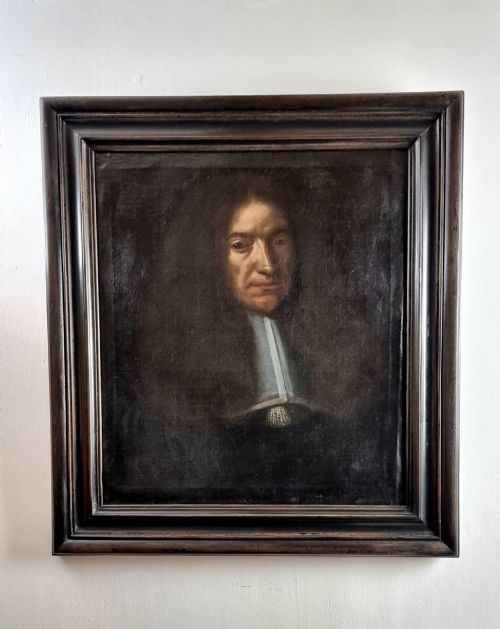
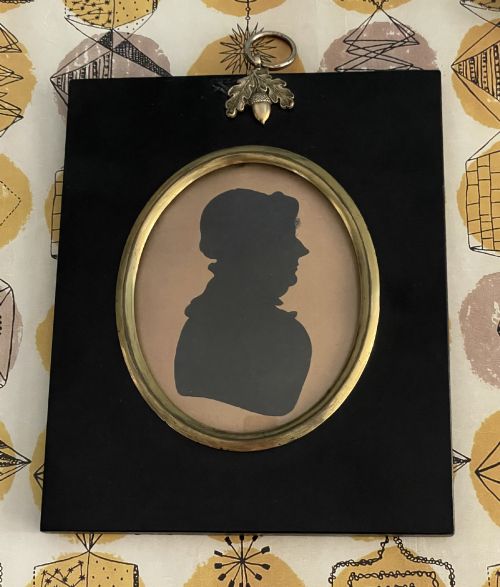
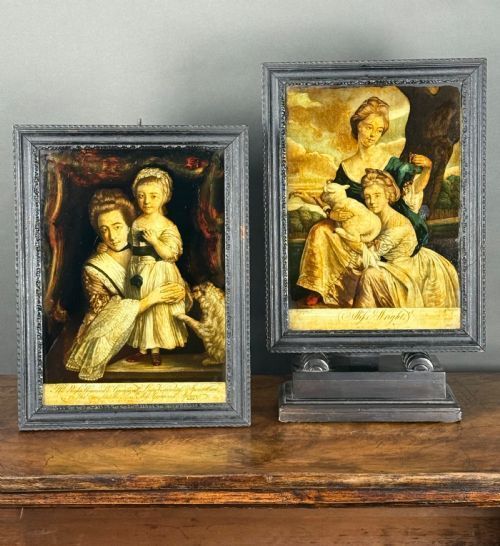
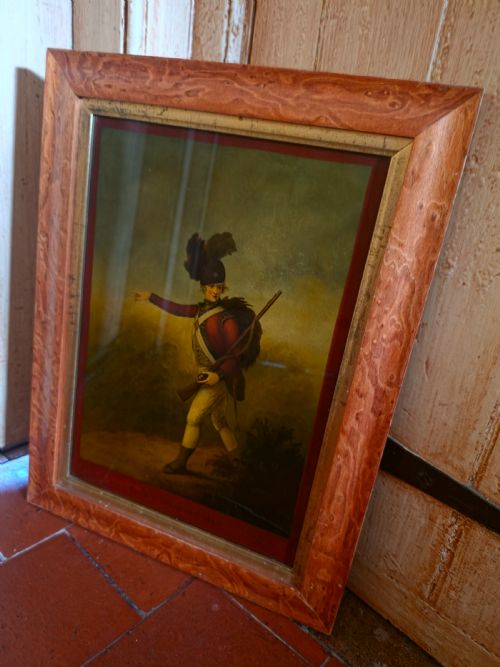
A wooden framed portrait brings together likenesses of individuals and animals executed in media such as oil paint, watercolour, pastel and print, secured within a timber structure. Buyers searching for a wooden framed portrait encounter works spanning the eighteenth, nineteenth and early twentieth centuries, alongside distinct Victorian and Edwardian examples. The selection includes cut-paper silhouettes, oil paintings on canvas and panel, reverse glass mezzotints, and photographic prints.
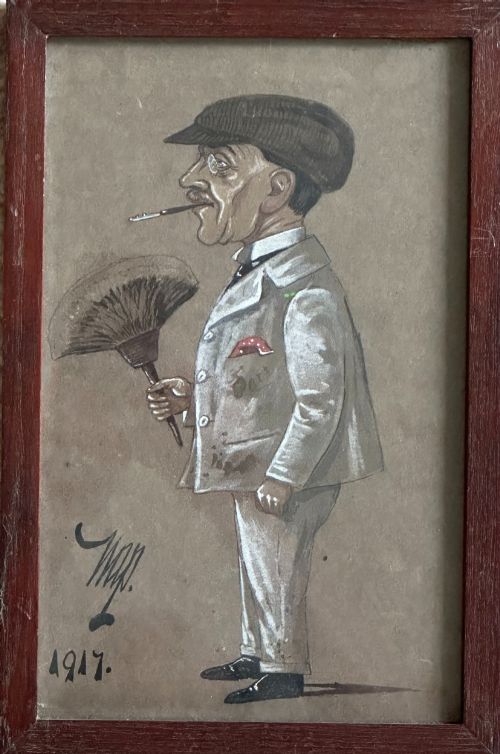
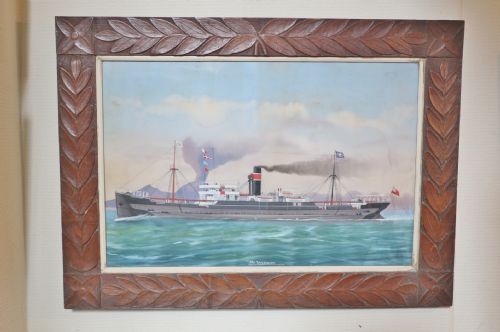
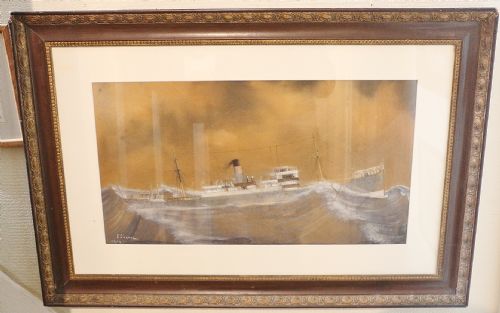
The assortment on this page ranges from intimate miniatures in ebonised surrounds to large oil paintings set in carved giltwood frames. Pieces originate from diverse contexts, including British and French schools, capturing sitters from children and judges to royalty and military figures. Alongside formal portraits, the inventory embraces marine art, caricatures and photographic formats housed in dedicated display boxes.
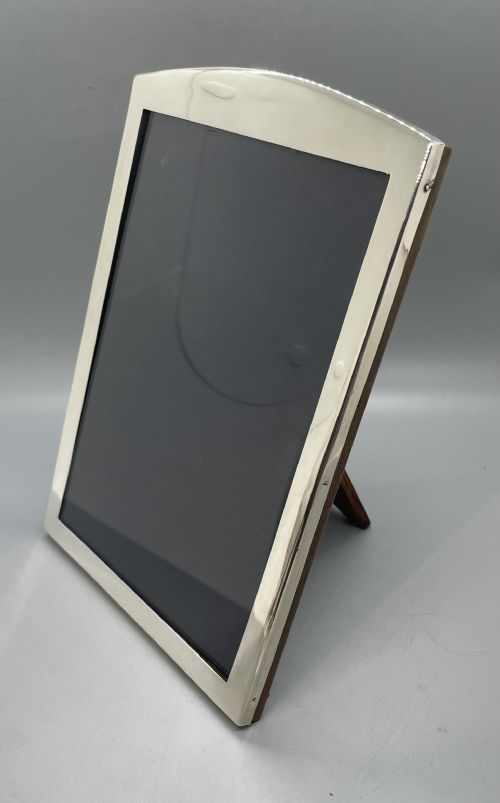
The framing materials vary from plain wood to elaborate carved walnut and gilded mouldings, sometimes paired with sterling silver mounts and wooden backs. These items reflect the domestic tastes of Georgian, Regency, Victorian and Edwardian interiors, where portraiture served as both family record and decorative wall art.
Materials and construction methods
Makers utilised wood, glass, paper and canvas to construct these works, applying oil paint, watercolour, gouache or ink to render the image. Panels of pine or wooden stretchers support oil paintings, while paper serves as the ground for watercolours, graphite drawings and silhouette cuttings.
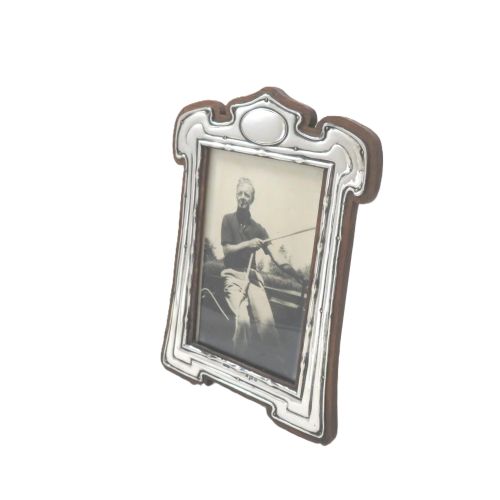
Protective glazing often covers delicate paper works and watercolours, held in place by timber mouldings that may feature carved details, ebonised finishes or gilt coatings. Frames incorporate structural wooden backs and stands, occasionally complemented by hallmarked sterling silver borders embossed with floral motifs.
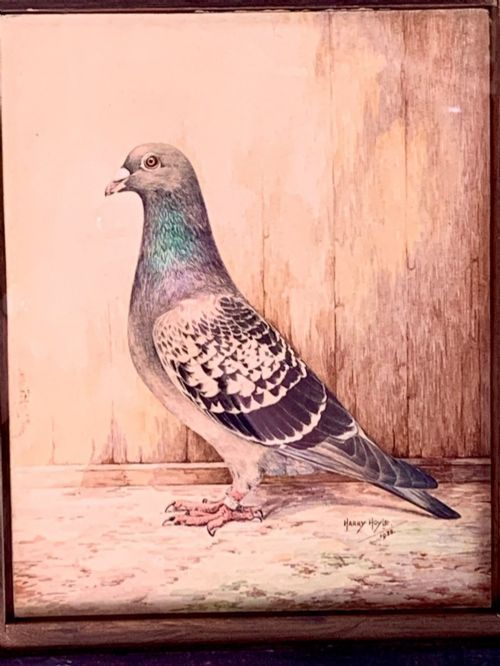
A racing pigeon winning a royal silver jubilee competition shares space here with stern judges and military officers.
Factors determining quality
The standard of execution in the painted or drawn likeness separates the finest works from ordinary examples, with skilled handling of anatomy, expression and medium defining superior pieces. Portraiture by documented artists or identified schools demonstrates a higher degree of artistic achievement than anonymous output.
The construction and material quality of the housing play a decisive role, where deeply carved wooden mouldings, original gilding and intact reverse glass work elevate the object. Provenance, historical documentation and the survival of original backing materials and glazing further distinguish exceptional items.
John Hassall·Thomas Barker of Bath·James Gillespie·Herbert Gustave Schmaltz·Augustin Edouart·William Williams·George E Sharpe·Evaristo Cappelli
The Wooden Framed Portrait Glossary
- Silhouette
- A solid shape of a person or animal, usually filled in black, created through painting, drawing or cut-paper techniques. These profiles gained popularity in the Regency period.
- Mezzotint
- A printmaking process where the copper plate is roughened to produce tonal gradations and dark areas. Reverse glass mezzotints involve applying the printed image directly to the glass substrate.
- Ebonised
- Wood finished to resemble ebony through staining or painting dark. This technique was frequently applied to nineteenth-century picture frames.
- Giltwood
- Timber carved and coated with a thin layer of gold leaf or gilt preparation. It is commonly found on decorative frames from the eighteenth and nineteenth centuries.
- Cartes de visite
- Small photographic portraits mounted on card stock, popular in the Victorian era and often displayed in specialised wooden desktop frames.
Wooden Framed Portrait: Frequently Asked Questions
How do I date a wooden framed portrait?
Dating relies on examining the artistic style, costume of the sitter, framing materials and any inscribed signatures or dates on the reverse. Examining the backing boards, fixings and glass types offers further clues to the period of manufacture.
Changes in painting techniques and photographic formats, such as cartes de visite from the Victorian era, also help narrow down the decade in which the piece was produced.
What is a reverse glass portrait?
A reverse glass portrait is an image painted or applied directly onto the back of a glass sheet so that it is viewed through the front. This technique protects the pigment from dust and environmental damage while giving the surface a distinct glossy sheen.
Such pieces often date to the eighteenth and nineteenth centuries and require careful handling to preserve the delicate layers adhering to the glass.
Where were these portraits displayed historically?
Portraits were traditionally hung in reception rooms, libraries and stairwells of period homes to display family lineage, notable figures or artistic taste. Smaller miniatures and photo frames were kept on mantelpieces, tables or housed in portable display boxes.
Larger oil paintings and mirrors served as focal points above fireplaces or on panelled walls in domestic interiors.
Are the frames original to the portraits?
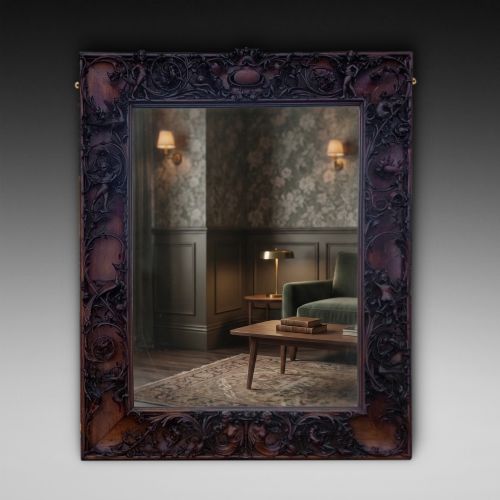
Many pieces retain their original frames, particularly where the artwork and surround were designed as a single decorative unit, such as Victorian carved walnut wall mirrors or silver photo frames. Other works may have been reframed during subsequent eras to suit changing interior fashions.
Checking the fit, joinery and ageing of the timber helps determine whether the frame and portrait have a shared history.
How should I care for antique framed portraits?
These items require placement away from direct sunlight and excessive moisture to prevent fading of watercolours, paper and pigments. Dusting wooden frames gently with a dry cloth helps maintain the timber without introducing harmful chemicals.
Glass surfaces can be cleaned sparingly with a soft cloth, taking care not to let moisture seep behind the rebate into the artwork.