


Antique Royal Portraiture
Antique royal portraiture captures monarchs and princes in oil, mezzotint and glass, offering a direct link to court history and dynastic prestige.
Antique Royal Portraiture
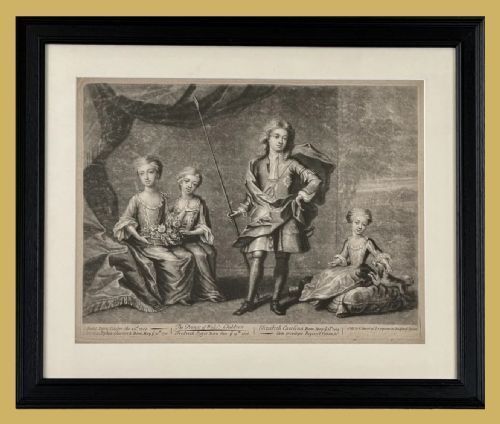
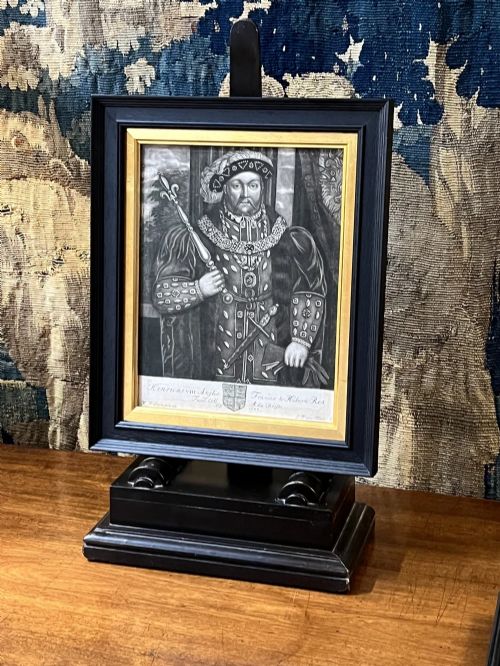
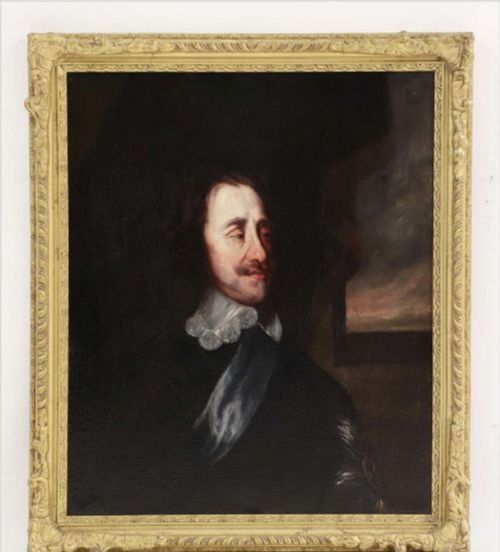
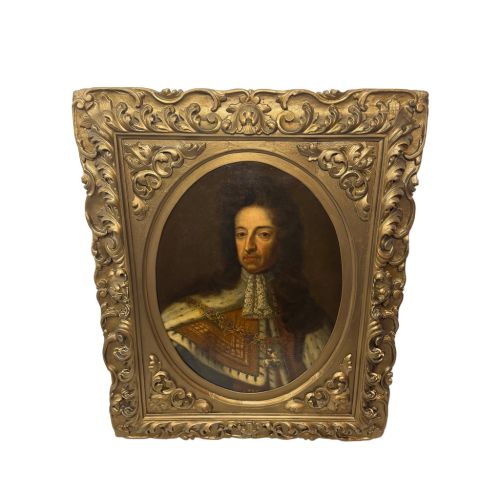
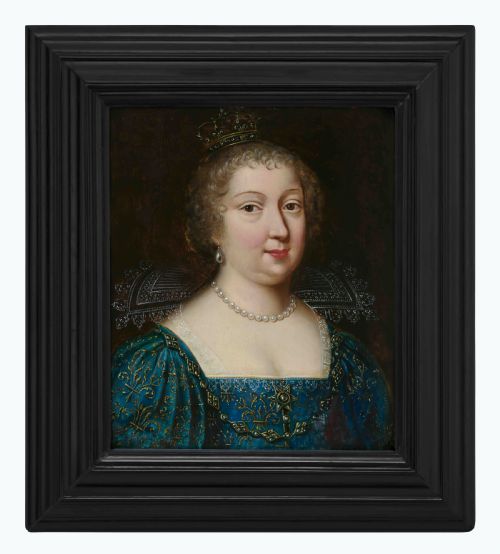
Antique royal portraiture encompasses oil paintings, mezzotints, engravings and reverse glass prints depicting sovereigns, consorts and imperial figures. These works span periods from the seventeenth century through to the mid-twentieth century, recording rulers such as King Charles I, King William III and Queen Victoria. Collectors encounter both grand canvases executed in oil and smaller intimate prints, reflecting the diverse ways monarchies presented themselves to the public.
The selection on this page draws heavily from seventeenth and eighteenth-century British and European traditions, alongside later Victorian and mid-century representations. Viewers meet figures ranging from early Tudor kings to modern emperors, captured in formal court attire or regional dress. These images serve as historical documents of power, lineage and artistic patronage across successive centuries.
How they were made
Makers utilised oil paint on canvas, panel and board to build rich tones for royal robes, flesh and elaborate background drapery. Many pieces employ traditional techniques of layering pigments to achieve depth in velvet fabrics, gold orders and powdered wigs.
Printmakers employed mezzotint and engraving methods on paper to reproduce royal likenesses for broader circulation, while specialised artisans created delicate reverse glass prints. Framing often involved gilt wood mouldings designed to complement the grandeur of the painted or printed subject.
Antique Royal Portraiture Retail Price Guide 2026
Typical asking prices for royal portraiture among the pieces listed under this phrase on Sellingantiques today, from the lower quarter to the upper quarter. They describe what is for sale here now, not the wider market.
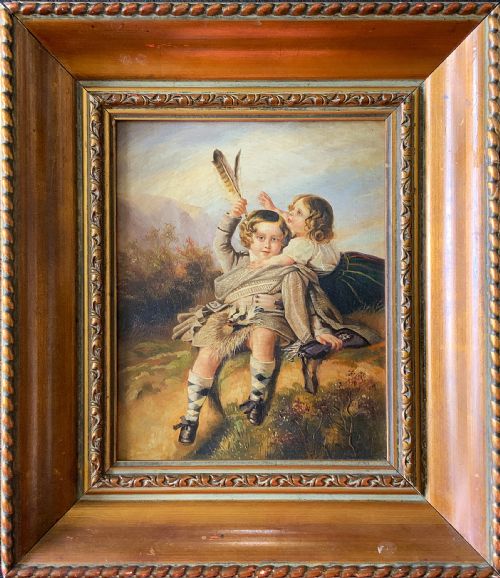
A royal prince and princess share a canvas hunting in Scottish dress.
What varies in quality
The distinction between standard works and superior pieces lies in the subtlety of brushwork, the accuracy of facial likeness and the rendering of fine textiles such as lace and ermine. Studio pieces overseen by master portraitists demonstrate a greater command of proportion and psychological presence than routine copies.
Materials also dictate the standing of a work, with finely grained panels or thick canvases carrying layered oil paint outlasting simpler supports. The crispness of line in mezzotints and engravings separates sharp contemporary impressions from worn later strikes.
John Faber Snr·Sir Peter Lely·Henri and Charles Beaubrun·Sir Godfrey Kneller·Edward Bird·John Laviers Wheatley·Sir Oswald Hornby Joseph Birley·Alexander Melville·Edward Bainbridge Copnall
The Antique Royal Portraiture Glossary
- Mezzotint
- A printmaking process where the copper plate is roughened to achieve rich dark tones and smooth gradations of light. This technique allowed printmakers to replicate the tonal qualities of oil paintings with high fidelity.
- Reverse glass print
- An image painted or transferred directly onto the back of a glass sheet and viewed from the front. This method imparts a distinctive glossy finish and brilliant colour retention.
- Baroque
- An artistic style prevalent in the seventeenth and eighteenth centuries characterised by drama, exuberant detail and grand scale. Royal portraiture in this style emphasises majesty through sweeping drapery and theatrical lighting.
- Gilt frame
- A wooden moulding coated with gold leaf or metallic paint to enclose and elevate a work of art. These frames are often period-specific and contribute significantly to the visual weight of the portrait.
Antique Royal Portraiture: Frequently Asked Questions
What is antique royal portraiture?
Antique royal portraiture comprises historic artworks depicting kings, queens and members of ruling families across various centuries.
These pieces range from grand oil paintings by court artists to affordable mezzotints and glass prints produced for public distribution.
How were these portraits used?
Monarchs commissioned these works to project authority, project political alliances and record their likeness for posterity.
Smaller prints and paintings allowed loyal subjects to display their allegiance within private homes and civic spaces.
How do I date a royal portrait?
Dating relies on the costume, hair styling, artistic techniques and framing materials characteristic of specific reigns and periods.
Inscriptions, artist signatures and the sitter's stated age or title often provide precise chronological markers.
How should I care for these works?
Preserving these pieces requires hanging them away from direct sunlight and maintaining stable indoor humidity levels.
Glass fronts on prints protect the paper underneath, while oil paintings on canvas benefit from professional inspection of the stretcher frames.