


Sir Peter Lely Portrait
A sir peter lely portrait delivers the palpable gravity of Restoration court life through rich textiles and direct gazes that anchor any interior.
Sir Peter Lely Portrait
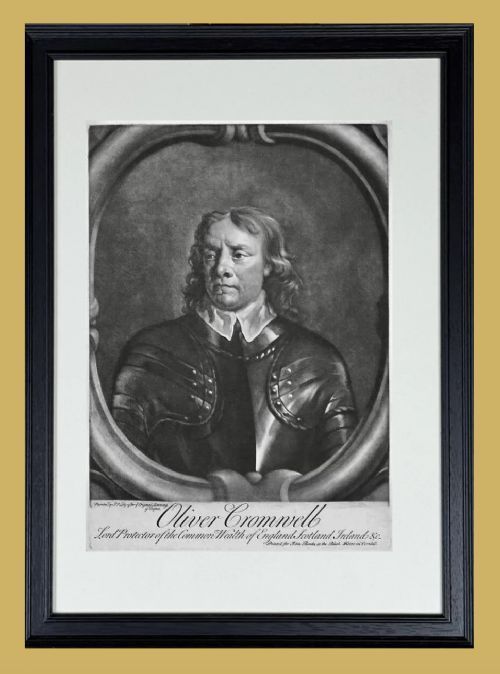
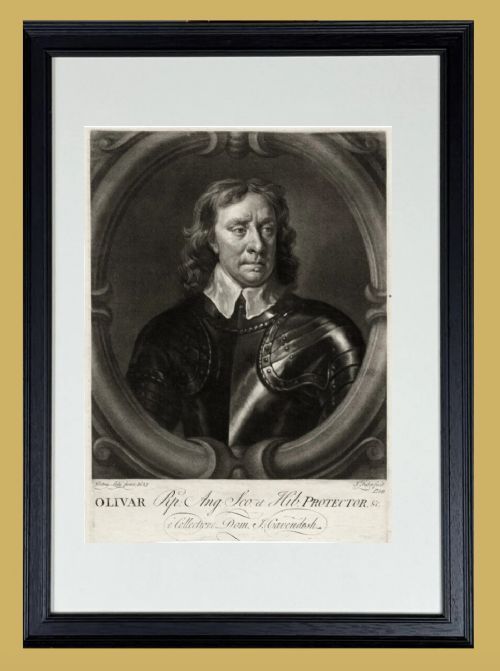
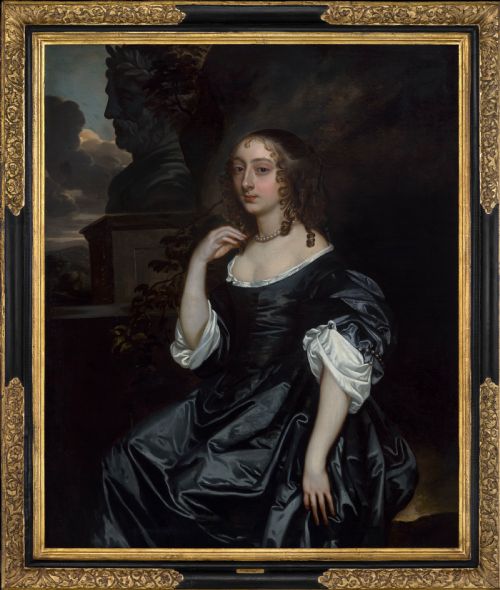
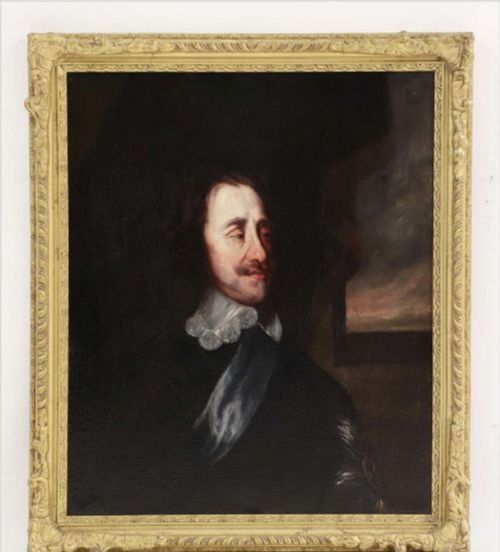
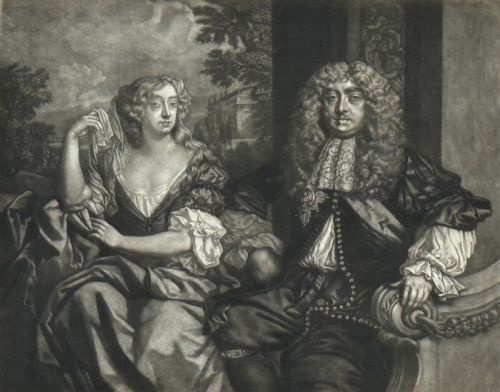
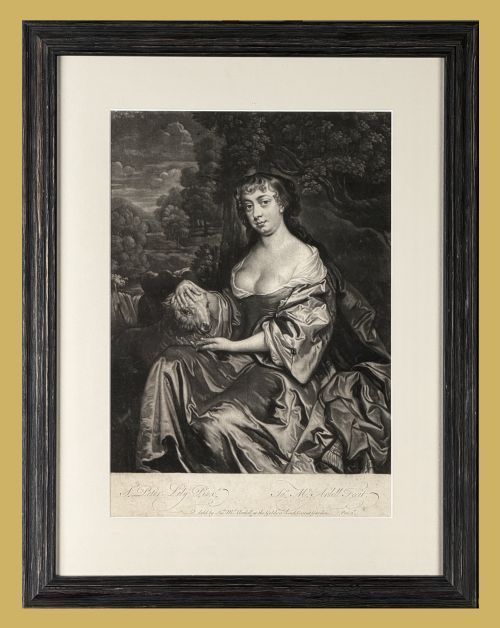
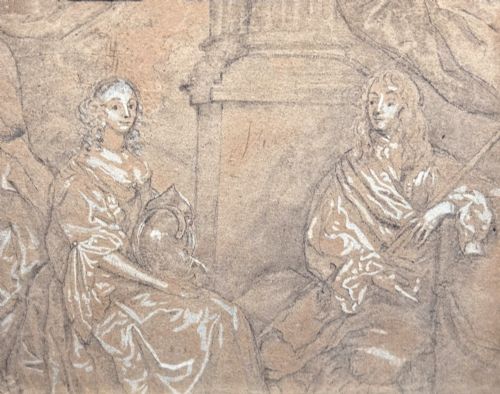
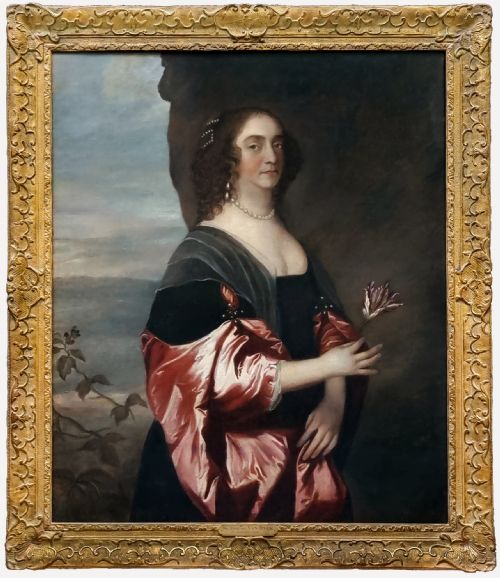
A sir peter lely portrait captures aristocrats, monarchs, and notable figures of the seventeenth century, originating from the master's own hand, his busy studio, or subsequent followers. Buyers encounter oil paintings on canvas, alongside later mezzotint prints that disseminated these iconic likenesses.
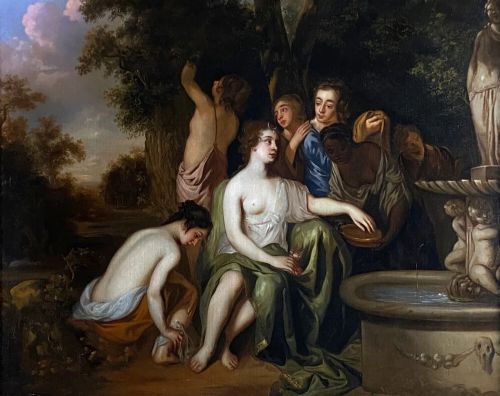
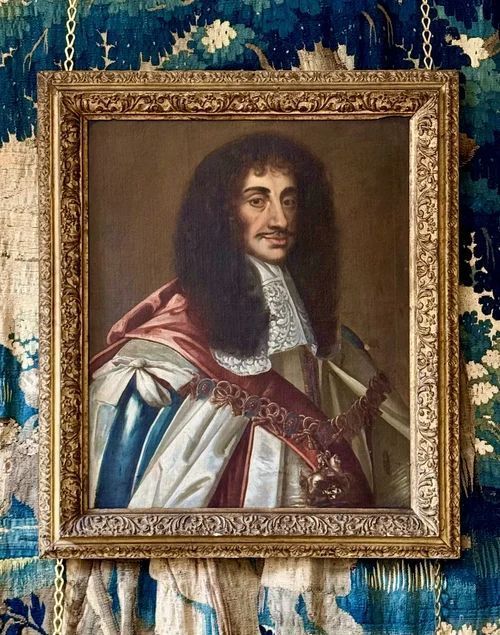
The subjects frequently wear silks, satins, and pearls, posed against classical columns or quiet landscapes that reflect Stuart Baroque taste. Pieces range from grand depictions of royalty like King Charles II to intimate studies of noblewomen and historical subjects.
How they were made
Painters applied oil on canvas or copper using layered glazes to render the luminous sheen of silk gowns and the subtle warmth of skin tones. Draughtsmen and printmakers utilised ink and paper to produce detailed mezzotints, translating painted surfaces into tonal prints.
Framing typically involved timber and giltwood mouldings that added architectural weight and visual depth to the artwork. Workshops operated collaboratively, where assistants prepared grounds and drapery before the master finalised the facial likeness.
Several sitters appear clutching roses or positioned beside fountains, ensuring their botanical and aquatic accessories remain perpetually fresh.
What varies in quality
The distinction between a studio piece and a later follower's work lies in the handling of drapery and the psychological depth within the sitter's expression. Masterful control over pigment creates realistic folds in satin and silk, whereas weaker examples appear stiff and formulaic.
Condition plays a major role, as surviving canvases undergo historical restorations that alter the original paint layers. The crispness of detail in mezzotint engravings similarly depends upon the wear of the printing plate.
John Bowles·Joseph Sympson·Robert Williams·James Macardell·Thomas Watson
The Sir Peter Lely Portrait Glossary
- Mezzotint
- A printmaking process where the copper plate is roughened to achieve rich dark tones and subtle gradations of light. This technique allowed printmakers to reproduce painted portraits with remarkable fidelity.
- Baroque
- An artistic style characterised by dynamic movement, deep shadow, and opulent detail. In these portraits, it manifests through dramatic drapery and theatrical staging.
- Studio
- A workshop environment where assistants and apprentices worked alongside a master painter. Studio pieces often carried out the composition under the direct oversight of the principal artist.
- Giltwood
- Timber carved and coated with a thin layer of gold leaf. This material formed ornate frames designed to complement the grandeur of seventeenth-century canvases.
- Circle of
- A designation indicating that an artwork was produced by an unidentified artist working in the close milieu of a master. These painters absorbed the specific techniques and stylistic traits of the primary workshop.
Sir Peter Lely Portrait: Frequently Asked Questions
What is a sir peter lely portrait?
These works represent seventeenth-century paintings and prints depicting nobility and monarchs associated with the Stuart court. They combine formal portraiture conventions with the rich textures of Restoration Baroque style.
Buyers acquire them to introduce historical depth and classic oil painting techniques into domestic spaces.
How were they used historically?
Patrons displayed large oil canvases in country houses and town residences to project social status, political allegiance, and dynastic lineage. Smaller prints circulated among collectors who desired affordable reproductions of prominent public figures.
Today, they serve a similar decorative function, acting as focal points within traditional and contemporary room schemes.
How do you identify studio work?
Studio pieces often reflect the composition and palette established by the master, executed with the assistance of trained workshop members. They balance standard portrait formulas with individual characterisation.
Examining the canvas texture, pigment layering, and secondary documentation helps determine the exact relationship to the primary workshop.
How do you care for oil on canvas?
These fragile surfaces require stable indoor humidity and protection from direct sunlight to prevent the canvas from sagging and the paint layers from cracking. Gentle dusting with a soft, dry brush maintains the surface without disturbing aged glazes.
Professional conservators should handle any structural repairs or cleaning of discoloured varnish.