


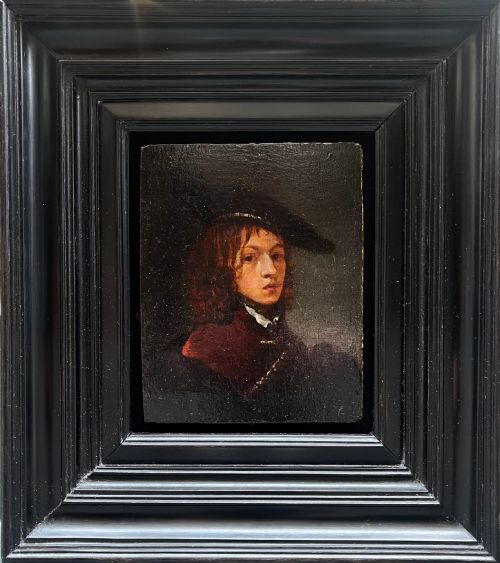
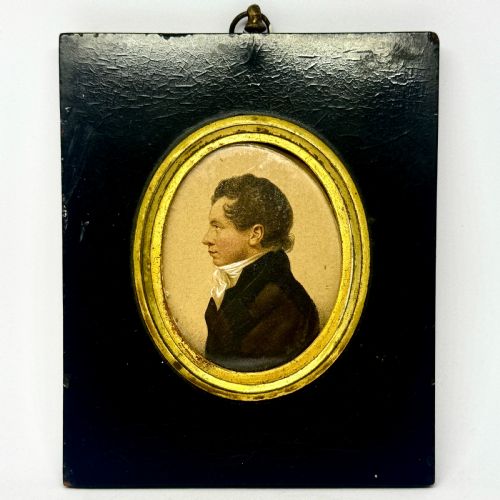
Ebonised Frame Wall Art
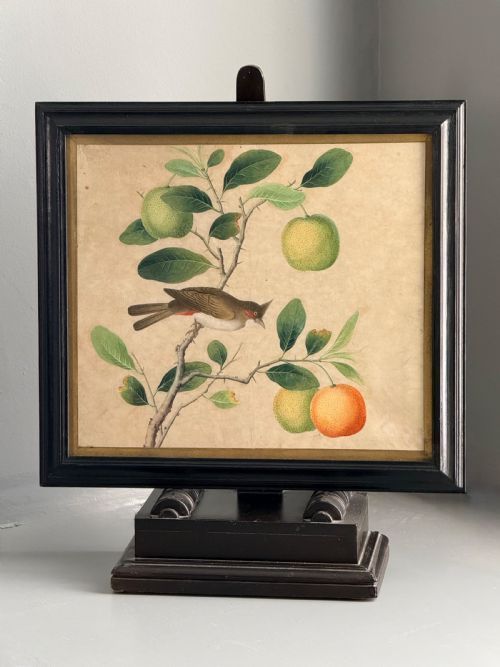
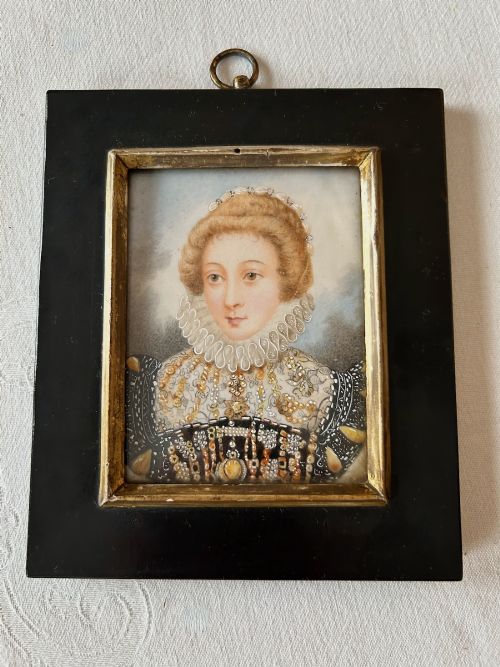
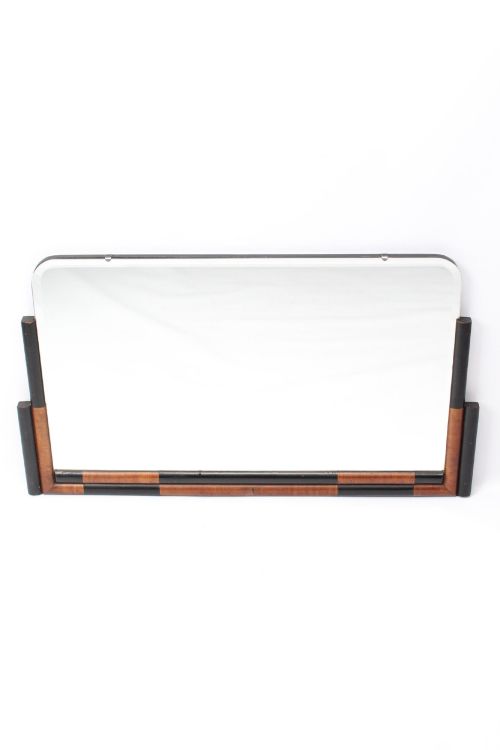
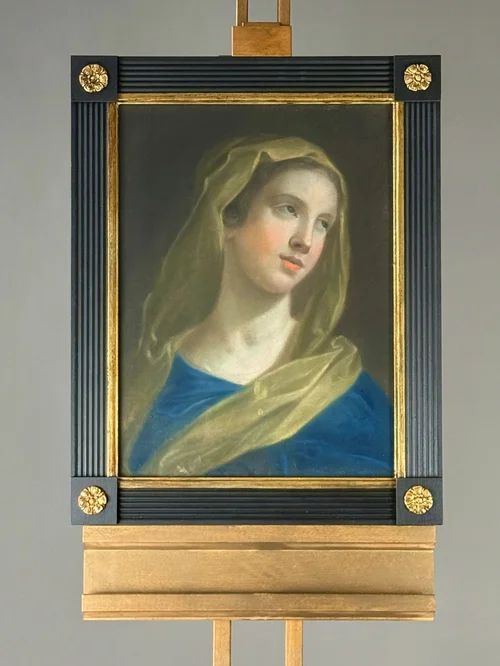
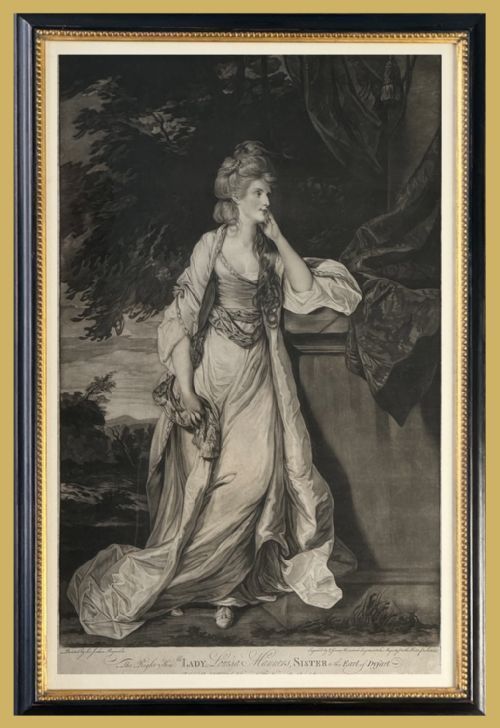
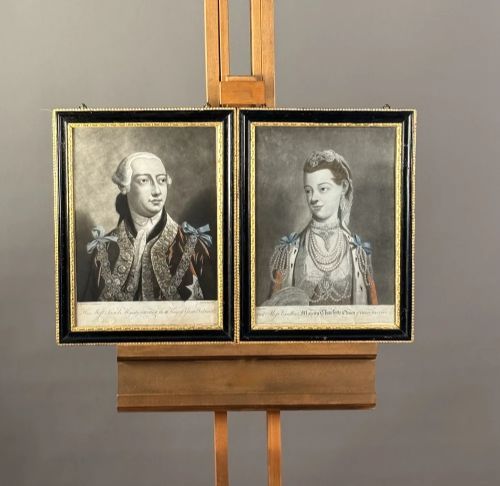
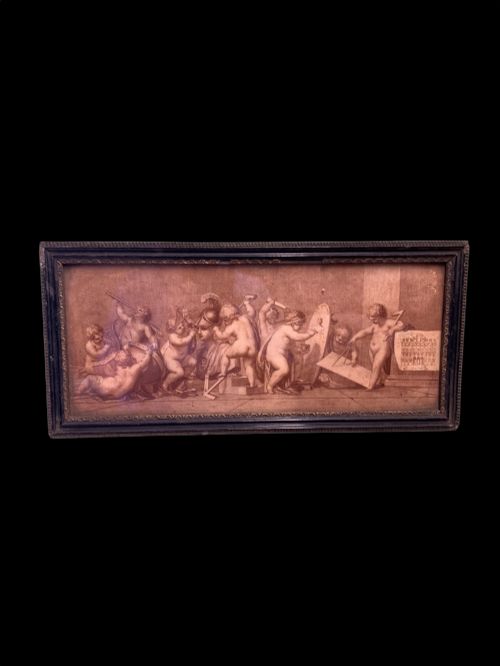
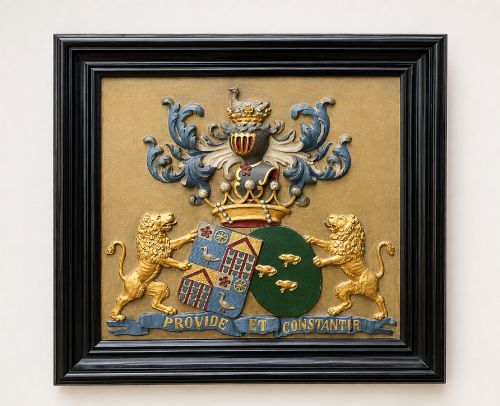
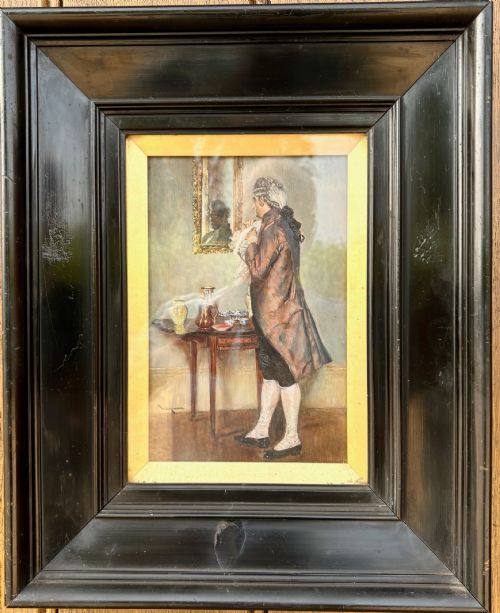
These ebonised frame wall art pieces bring together dark timber moulding and historic portraiture, engravings, and miniatures from centuries past.
Ebonised Frame Wall Art
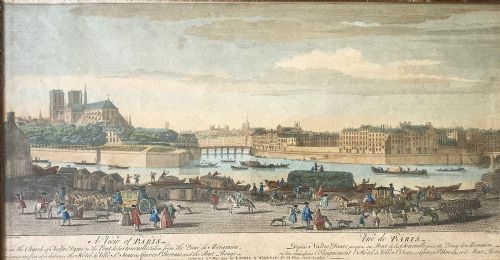
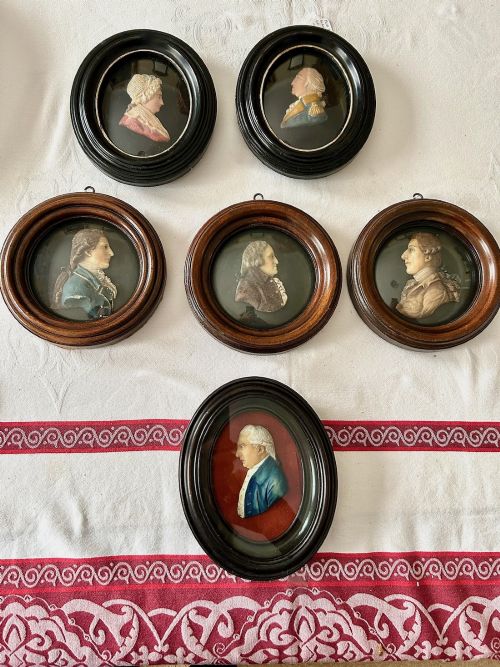
When you search for ebonised frame wall art, you encounter a selection spanning the seventeenth to the twentieth centuries, dominated by portrait miniatures, engravings, and reverse glass prints.
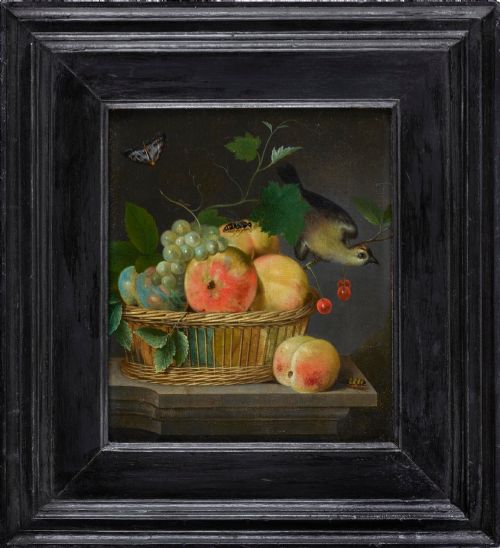
The pieces on this page lean heavily toward eighteenth and nineteenth-century portraiture, alongside oil paintings and micromosaic plaques set within dark wooden surrounds.
Buyers select these items to introduce period character and sharp linear contrast to a wall arrangement, utilising the dark framing to anchor delicate works on paper, pith, or glass.
Materials and construction
The framing material consists of wood treated to resemble ebony, paired frequently with gold leaf accents, brass, and glass to protect fragile works.
The artwork itself utilises diverse media including watercolour, pastel, gouache on pith paper, mezzotint engraving, and oil on canvas or board.
Mouldings are constructed to fit intimate objects such as silhouette cutouts, wax portraits, and micromosaic plaques alongside larger canvas paintings.
Listings feature works spanning from the seventeenth century through to the mid-twentieth century.
Judging quality
Distinction across the range lies in the fineness of the interior artwork, whether a detailed plumbago portrait or a delicately rendered reverse glass print.
The integrity and depth of the ebonised surface finish relative to the age of the piece separates standard production from superior examples.
Harmony between the artwork and its period housing determines the desirability of the assembled piece.
Henri Fradelle·Sebastiaan Vrancx·Benedetto Luti·Valentine Green·Sir Joshua Reynolds·Thomas Frye·Richard Purcell·Van Rijckevorsel and Verheijen·W.D. Almond·Gaspar Peeter Verbruggen·James Ward·John Hoppner·Albin Mattenheimer·Le Brun·Godfried Schalcken·John Taylor·James de Rijk
The Ebonised Frame Wall Art Glossary
- Ebonised wood
- Timber treated with stain or polish to imitate dense, black ebony. This dark finish creates a strong visual boundary for the artwork it encloses.
- Reverse glass print
- An image transferred or painted directly onto the rear surface of glass. This technique yields a glossy finish that protects the pigments underneath.
- Plumbago
- A drawing executed in graphite, taking its name from the Latin word for lead ore. These works offer remarkable linear detail on paper or vellum.
- Micromosaic
- A composition assembled from tiny glass tesserae to form miniature pictorial scenes. They are frequently mounted within rigid frames for wall display.
- Mezzotint
- A printmaking method in which the copper plate is roughened to produce tones and shadows. It allows for subtle gradations of light in historic portraiture.
Ebonised Frame Wall Art: Frequently Asked Questions
How do I care for ebonised frames?
Keep the wood away from direct sunlight and damp conditions to preserve the dark finish. Dust gently with a dry, soft cloth.
Avoid liquid cleaners or polishes that might penetrate the grain or damage any adjacent gilding.
Are these frames original to the art?
Many historic works retain their period surrounds, particularly eighteenth and nineteenth-century pieces designed together.
Some items have been paired with ebonised mouldings later to complement the tones of the artwork.
How are delicate paper pieces protected?
Most works on paper, pith, or silk rely on glass glazing fitted within the rebate of the frame. This barrier blocks dust and atmospheric moisture from touching the delicate surface.
Backboards are typically sealed to secure the interior contents against shifting.
Can these hang in bright rooms?
Strong sunlight poses a risk to historic pigments, watercolours, and coloured mezzotints over time. Placing them on walls away from direct sun exposure preserves the colour.
Ambient room lighting is generally sufficient for viewing dark-framed wall art safely.