


18th Century Mezzotint Engraving
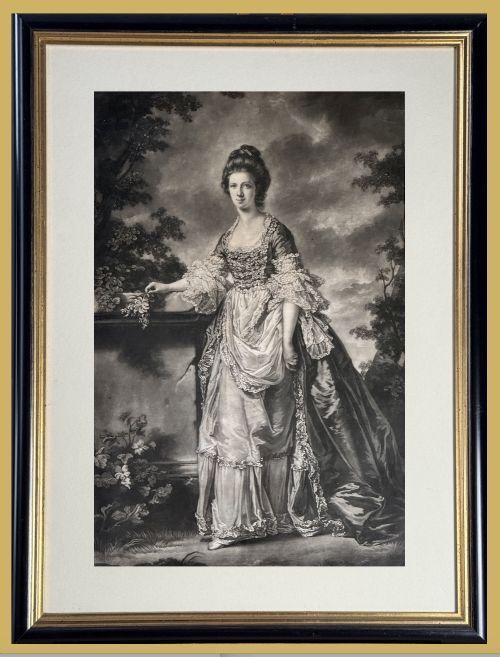
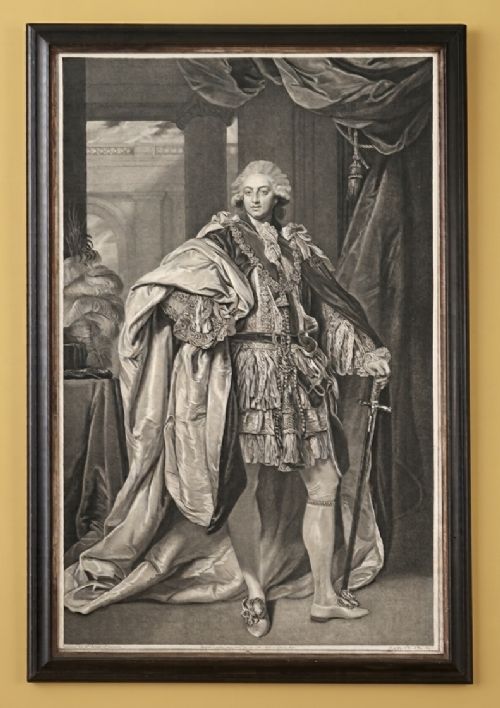
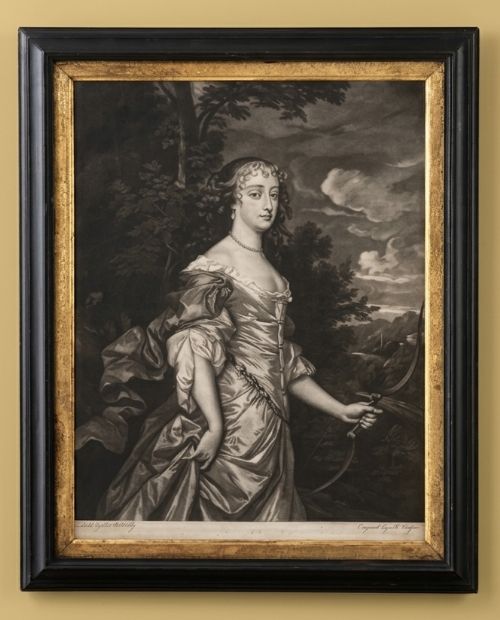
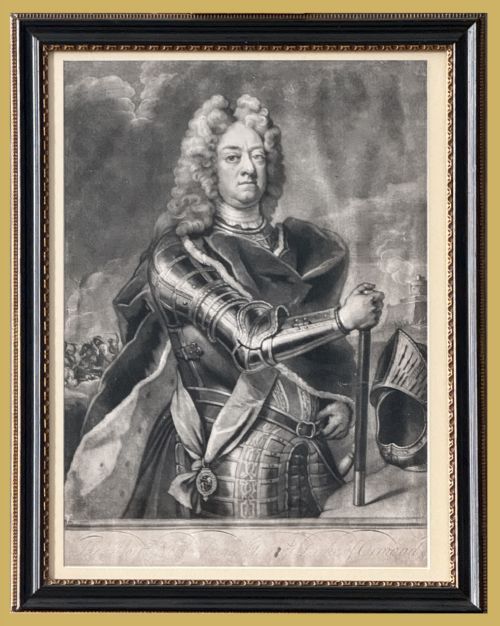
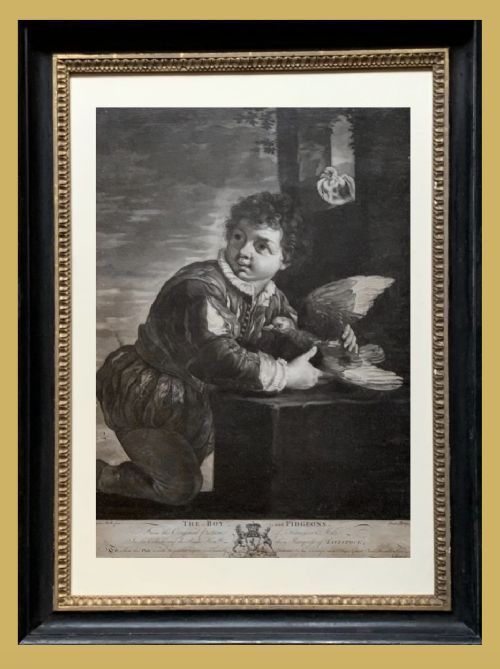
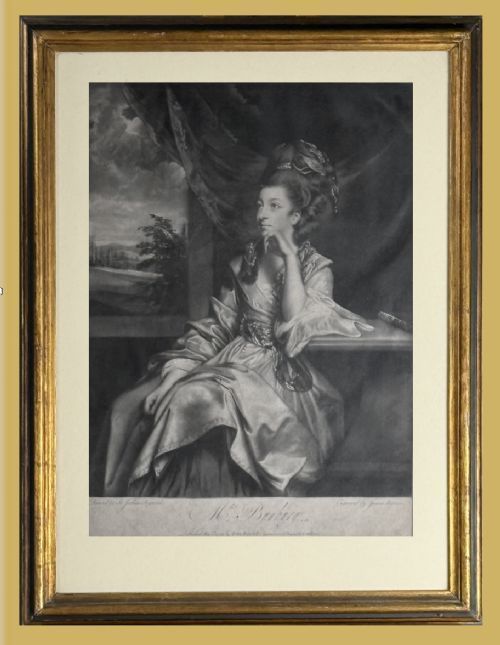
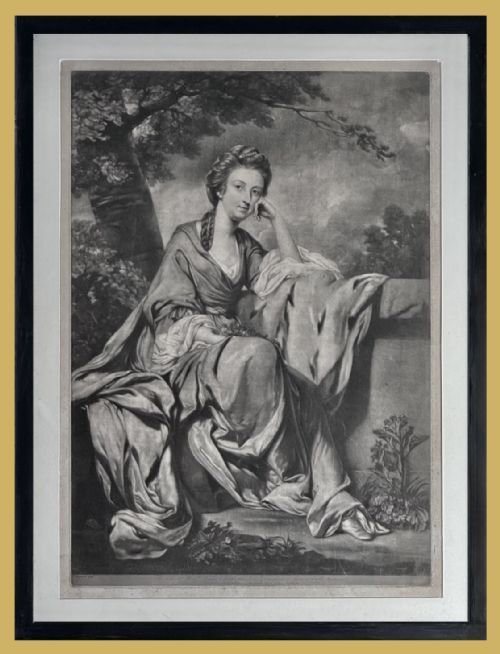
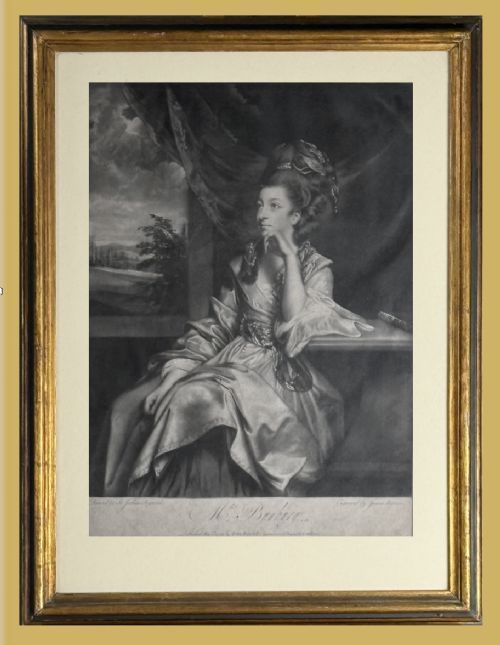
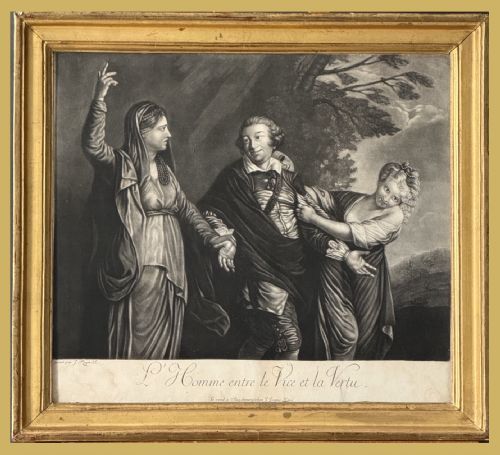
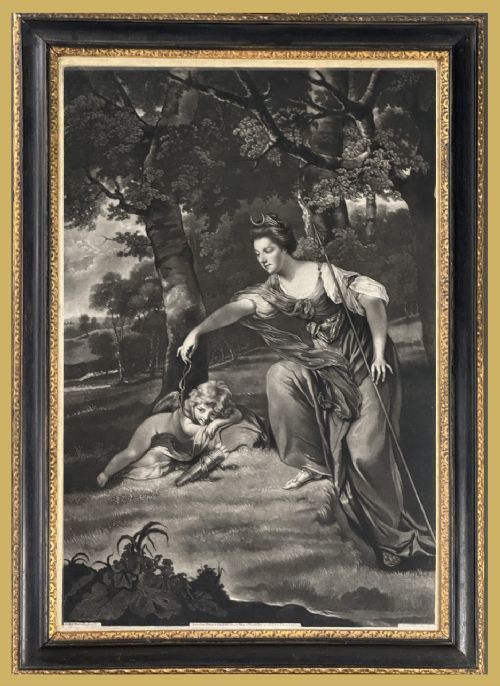
An 18th century mezzotint engraving captures the rich tonal depth and velvety shadows characteristic of Georgian portraiture and narrative art.
18th Century Mezzotint Engraving
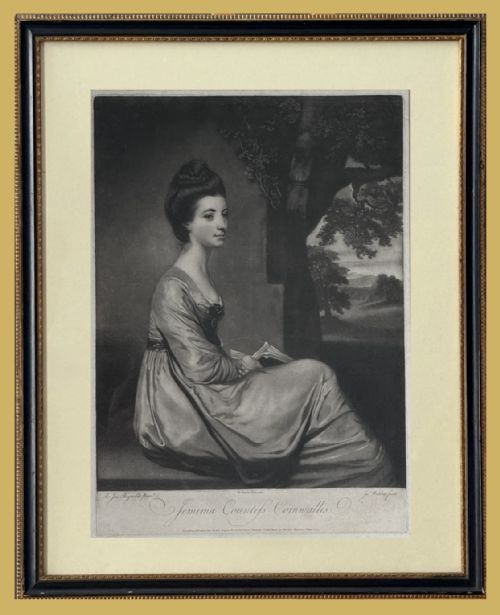
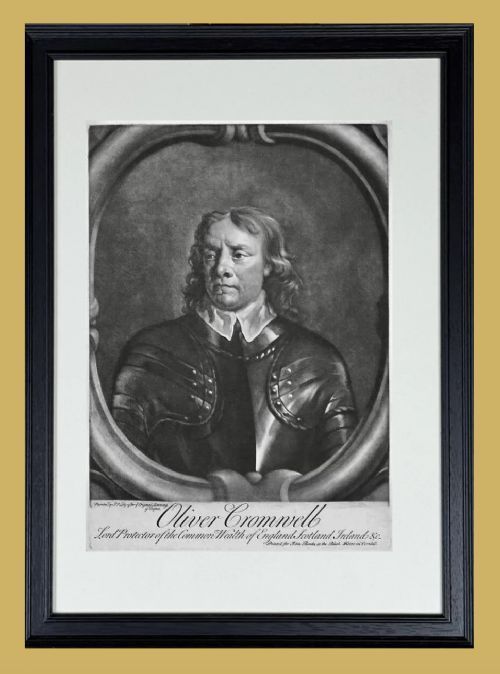
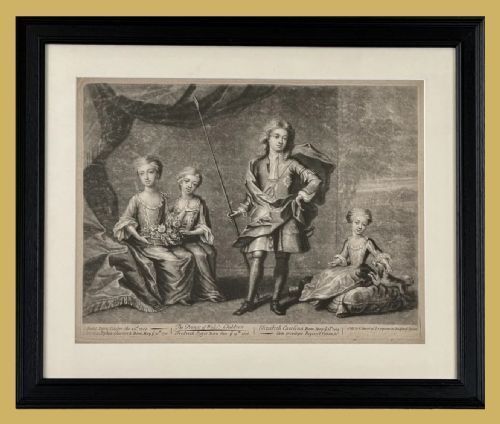
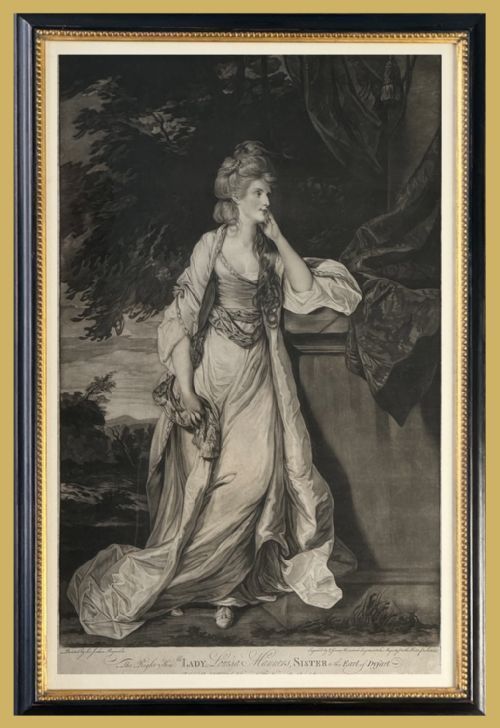
When searching for an 18th century mezzotint engraving, a buyer encounters works primarily focused on portraiture and historical subjects after notable painters such as Sir Joshua Reynolds and Sir Peter Lely.
The versions most frequently met on this page are framed prints depicting royals, nobility, and literary figures, originating mainly from the Georgian and Regency periods.
These works function primarily as wall art, preserved within period frames that often incorporate glass, wood, and gilt elements.
How They Were Made
The printmakers utilised a copper plate roughened uniformly with a rocker tool to create a burr that held ink for deep, rich blacks.
Graduated tones were achieved by scraping and burnishing the plate to lighten specific areas, allowing for subtle shifts in light and shade beneath printed ink.
Finished sheets were frequently impressed onto paper and occasionally hand-coloured with pigment, then mounted behind glass within wooden or gilt wood frames.
The object types recorded comprise wall art, prints, framed prints, framed art, antique prints, and engravings.
What Varies in Quality
The clarity of the tonal gradations and the depth of the velvet blacks distinguish superior impressions from worn plates that yield flat, grey passages.
The crispness of the engraved lettering identifying the sitter, artist, and publisher indicates the early state of an impression before the copper plate degraded through repeated printing.
The integrity of the accompanying period frame, particularly original gilding and historic glass, contributes significantly to the physical integrity of the piece.
John Jones·Thomas Watson·John Simon·John Boydell·James Watson·Edward Fisher·John Smith·John Bowles·Valentine Green·John Faber Snr·Richard Purcell·James McArdell·Thomas Frye·Robert Sayer·W Ward·I R Smith
The 18th Century Mezzotint Engraving Glossary
- Mezzotint
- A printmaking process where the copper plate is roughened to hold ink, producing rich tones and subtle light gradations. This technique allows for the creation of velvety shadows without relying purely on line work.
- Rocker
- A curved, fine-toothed tool used by the printmaker to pit the copper plate uniformly. Rolling this tool across the metal creates the burr necessary to trap ink.
- Burnisher
- A smooth tool utilised to flatten the burr on the copper plate to create highlights. By reducing the texture, the engraver lightens specific areas of the image.
- Reverse glass
- A technique where the print is applied directly to the back of glass and subsequently hand-coloured. This method protects the pigment and imparts a distinct glossy finish.
- State
- The stage of a print run determined by alterations made to the copper plate. Early states show greater sharpness before the plate wears down.
18th Century Mezzotint Engraving: Frequently Asked Questions
What is a mezzotint?
A mezzotint is an intaglio printmaking method where a copper plate is roughened entirely to produce dark tones, and scraped down to create highlights. This process creates a continuous tonal range rather than relying on lines.
Printers value the method for its rich velvety texture, which mimics the appearance of oil paintings more closely than standard line engravings.
How should I hang these prints?
These works require placement away from direct sunlight to protect the paper, ink, and pigment from fading over time. Stable indoor humidity also preserves the wood and gilt frames.
Wall mounting should utilise secure fixings suited to the weight of the timber frame and glass panes.
Are these prints original?
The pieces listed date from the periods indicated by the plate execution and paper characteristics, produced during the operational years of the named engravers and publishers. Historic printmaking relies on contemporary impressions pulled from the original plates.
Signatures, publisher imprints, and paper types help establish the historical context of each individual sheet.
How do I identify the sitter?
Most plates feature inscribed text along the lower margin detailing the name of the subject, alongside the painter who created the original portrait and the engraver who worked the plate. These inscriptions often include heraldic crests or publication dates.
Historical reference books and exhibition records catalogue the sitters depicted by prominent Georgian printmakers.