


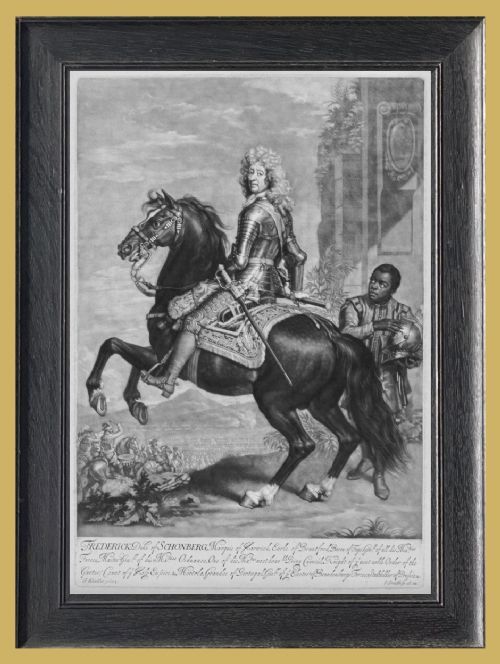
Antique Copperplate Engravings
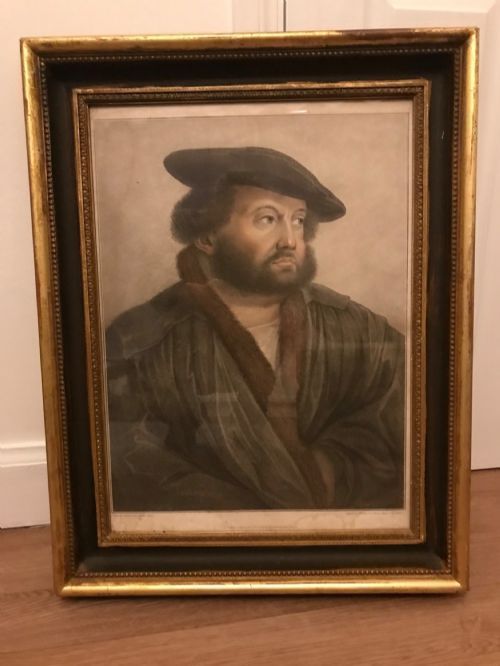
Antique copperplate engravings are printed works on paper pulling from centuries past, offering precise linework and deep historical resonance that collectors prize.
Understanding antique copperplate engravings
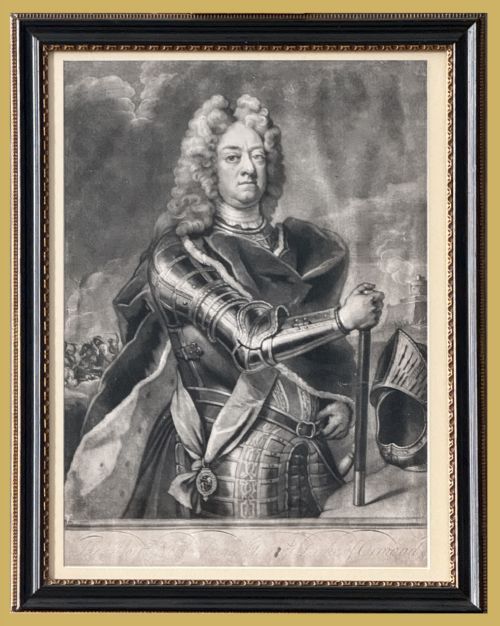
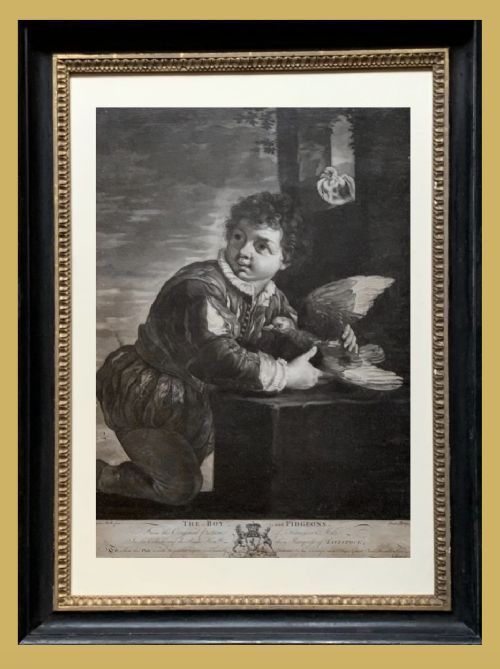
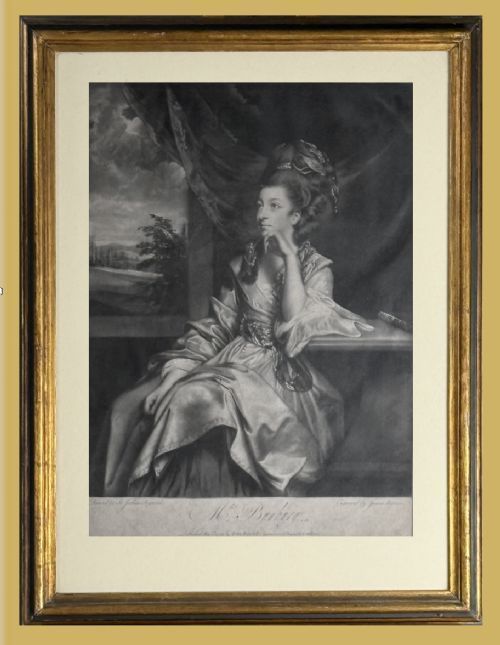
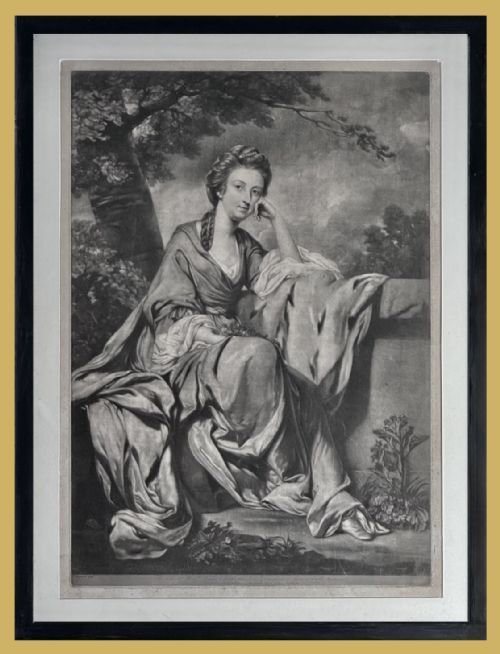
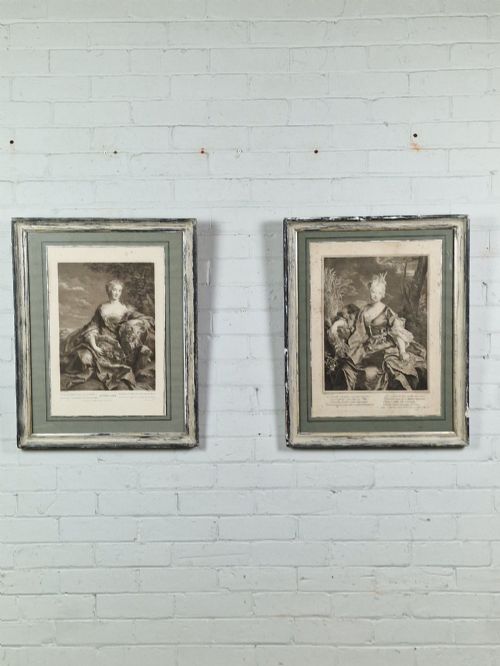
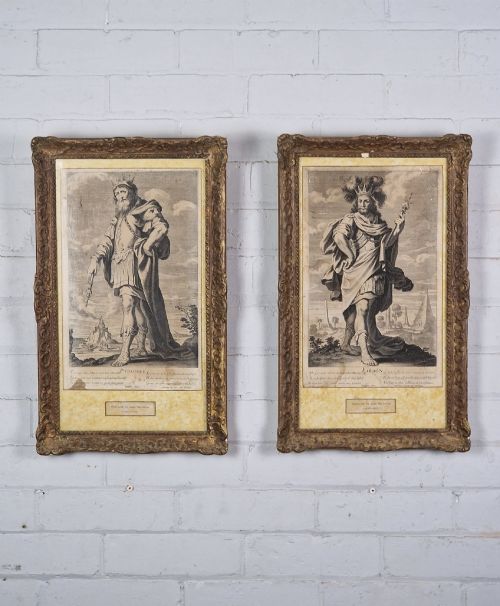
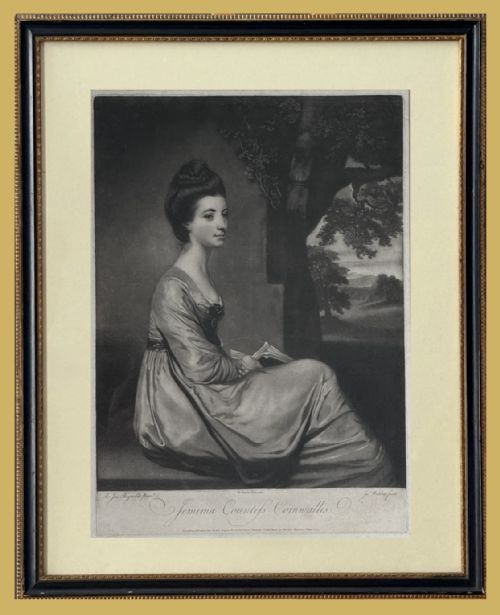
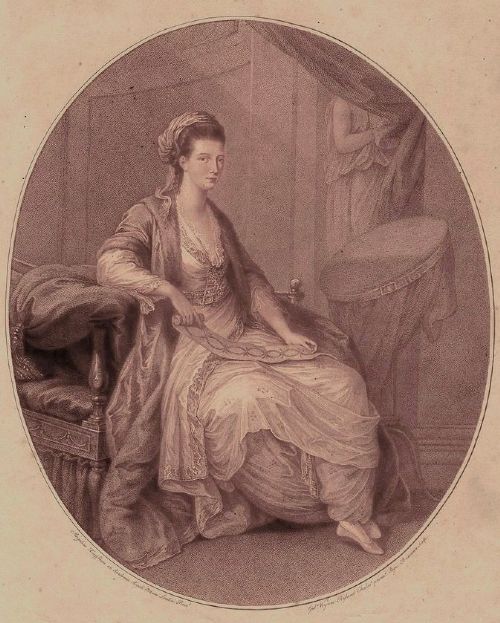
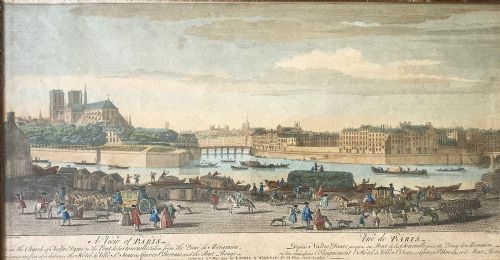
When you search for antique copperplate engravings, you encounter framed prints, collections of prints and artworks, and individual sheets originating from the seventeenth and eighteenth centuries alongside later twentieth-century editions. The most common offerings on this page date from the eighteenth century, presenting French Baroque and Georgian aesthetics.
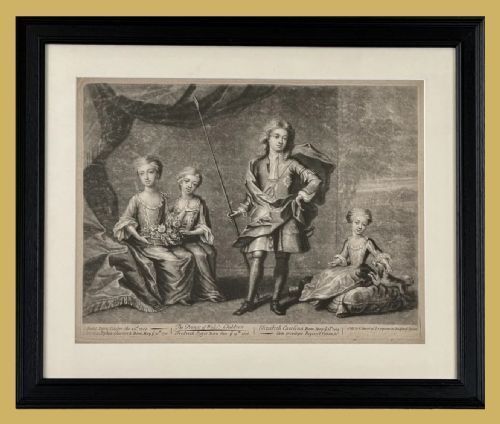
These works span subjects ranging from royalty and dignitaries to architectural plans, decorative plates after Jean Mariette, and famous series such as Wheatley's The Cries of London. You will find both individual framed pieces and matching sets, such as groups of six or eight plates, which preserve historical illustration in domestic spaces.
Materials and production
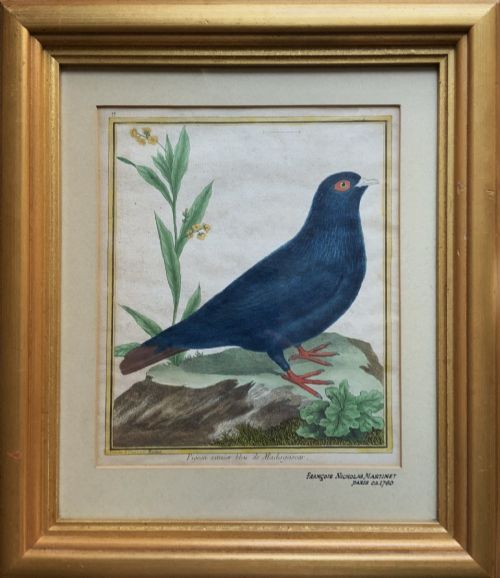
The primary material is paper, bearing inked impressions transferred from metal plates worked by hand. Many of these historical prints are preserved behind glass within wooden frames, frequently enhanced with gold leaf and giltwood surrounds.
Makers utilised traditional printing techniques where lines were incised into copper sheets before applying ink and pressing the design onto paper. Framing materials like giltwood and gold leaf were subsequently employed to protect and display the delicate paper artwork.
Retail Price Guide 2026
Typical UK retail prices for copperplate engravings, calculated from the Sellingantiques database of over a million retail prices indexed since 2003. This retail price guide relies exclusively on Sellingantiques data; no external sources or auction records are used, so the figures do not describe the wider market.
Current listings feature paper prints framed in wood, glass, gold leaf, and giltwood from the eighteenth century and nineteen-twenty.
Markers of distinction
Quality in these engravings rests upon the clarity and crispness of the lines transferred from the original plate, distinguishing sharp early impressions from worn later printings. The depth of the ink and the preservation of fine detail across intricate subjects like dress, architecture, and portraiture separate superior examples from softer pulls.
The housing contributes significantly to the overall standard, with period frames featuring original gold leaf and giltwood holding greater integrity than later replacements. Complete sets sharing uniform paper tone and matched frames hold distinct appeal compared to disparate gatherings assembled over time.
Jean Mariette·Wheatley·Charles Paillasson
The Antique Copperplate Engravings Glossary
- Copperplate engraving
- A printmaking process where an artist cuts lines directly into a copper sheet with a burin. The resulting plate holds ink in the incisions to produce fine lines on paper.
- Giltwood
- Wood carved and coated with gold leaf or gold paint to create a decorative frame. This finish protects and complements antique prints.
- Baroque
- An ornate artistic style spanning the seventeenth and eighteenth centuries. It influences the composition, drama, and decorative borders seen in many French and English plates.
- Georgian
- The architectural and decorative style spanning the reigns of the first four British Georges. Pieces from this era often feature balanced proportions and refined classical details.
Frequently Asked Questions
What are antique copperplate engravings?
These pieces are printed artworks produced by pressing inked copper plates onto paper during past centuries. They capture detailed scenes, portraits, and decorative subjects.
Most examples found here date from the eighteenth century and reflect French Baroque or Georgian artistic traditions.
How should I frame antique engravings?
Protect antique paper prints by using conservation-grade mounting materials behind glass to prevent atmospheric damage. Keep them away from direct sunlight to preserve the ink and paper.
Many pieces arrive already housed in period wooden frames with gold leaf or giltwood finishes that suit their historical character.
How do I identify eighteenth-century prints?
Examine the paper quality, plate marks, and typographic styles typical of the period. Eighteenth-century papers often display distinct chain lines from handmade moulds.
Subject matter, such as royalty, classical plates, or historical costume series, frequently aligns with the documented periods of the makers.
Are these engravings sold in sets?
Listings often include groups of prints, such as sets of six or eight plates from specific historical series. These collections provide a cohesive display for wall hanging.
Individual prints and larger gathered collections of fifteen or more sheets also appear among the available pieces.