
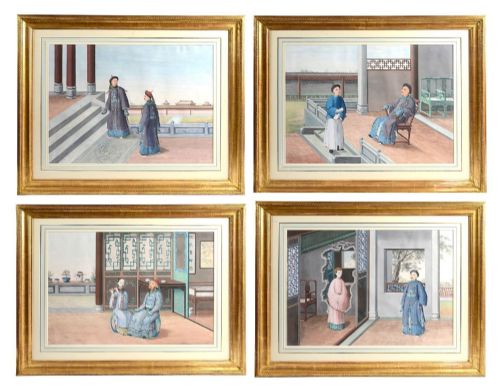
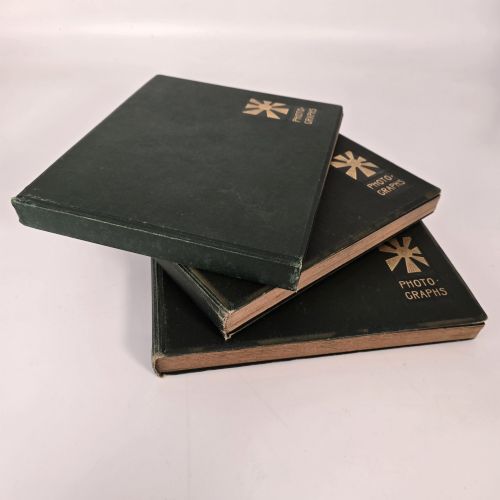

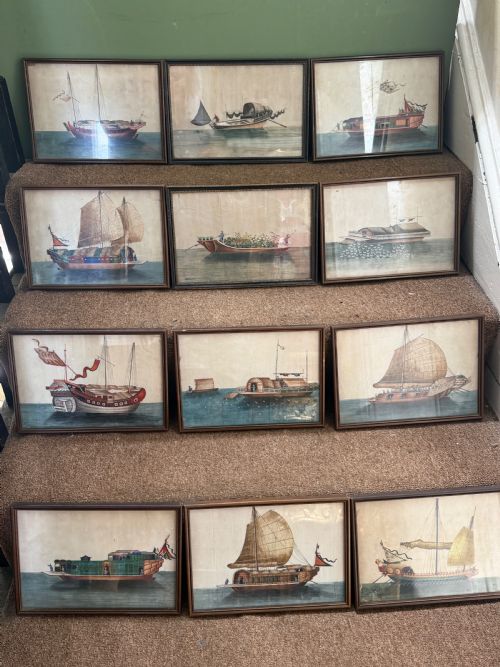
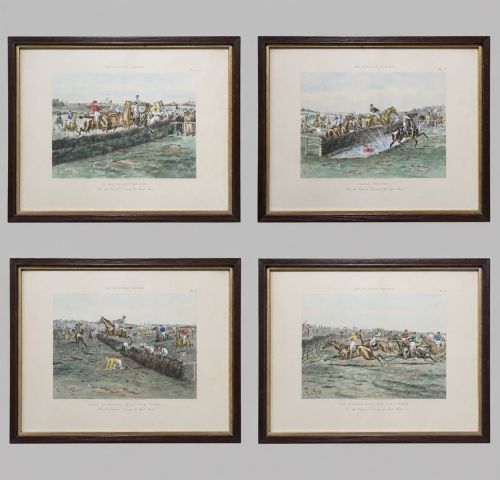


Antique Picture Set
An antique picture set gathers multiple related works to form a cohesive wall display.
Antique Picture Set
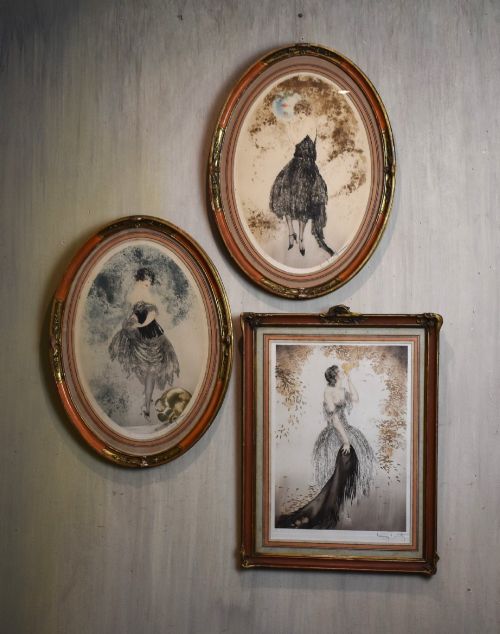
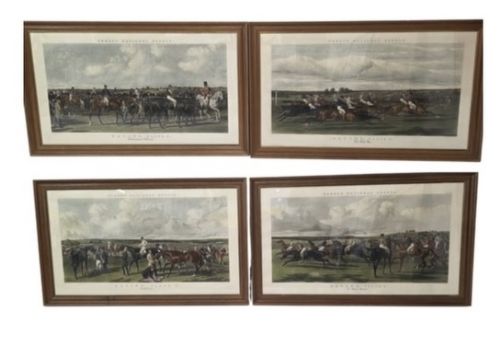
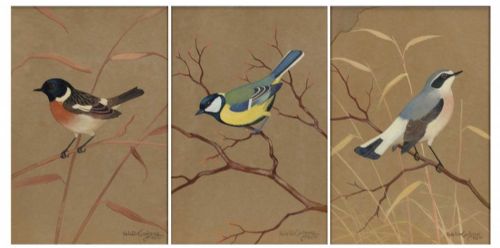
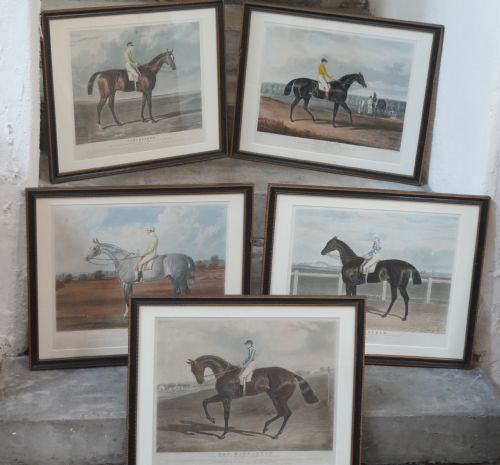
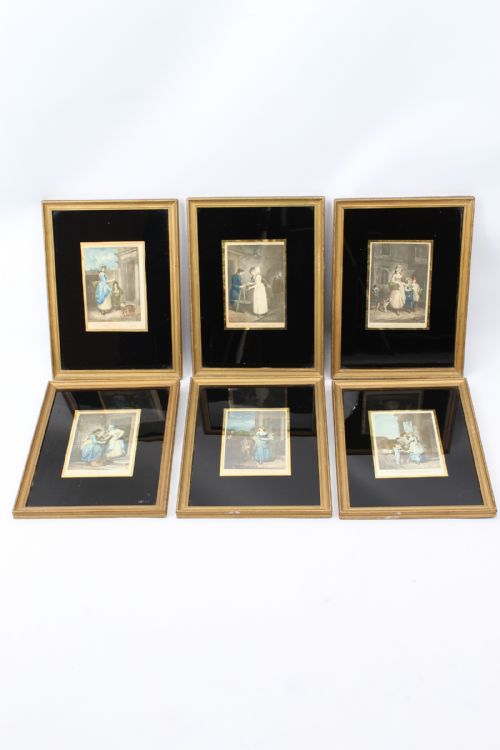
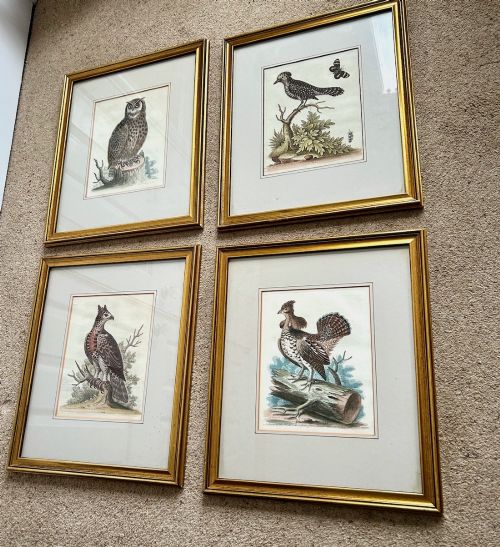
An antique picture set brings together multiple related works, most frequently found here as groups of framed prints, watercolours, or engravings. These groupings range from sporting sequences and botanical studies to architectural scenes and Chinese export paintings.
The selections span several centuries, with nineteenth-century examples appearing alongside eighteenth-century works and later twentieth-century productions. Buyers encounter everything from small decorative arrangements to massive framed sequences designed to dominate a room.
How they were made
Makers utilised traditional artistic methods such as watercolour, gouache, aquatint, and mezzotint on paper, often protected beneath glass. Many pieces rely on hand-colouring to bring vibrancy to the printed lines.
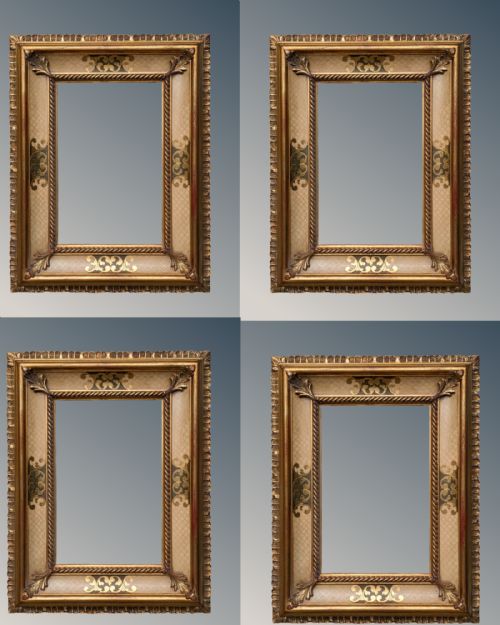
Frames play a crucial role in the construction of these sets, frequently formed from wood, giltwood, or carved gilt frames that match the visual weight of the art within.
Listings feature paper, glass, wood, watercolour, gold leaf, and giltwood across eighteenth, nineteenth, and twentieth-century periods.
What varies in quality
The distinction between tiers rests upon the clarity of the impression in prints and the precision of brushwork in watercolours. Masterful handling of colour and detail elevates a set far above standard decorative items.
Original matching frames and uniform condition across all items within the group indicate superior preservation and original assemblage.
George Finch Mason·Louis Icart·George Edwards·Thomas G Appleton·Edward Stodart·William Swainson·Thomas Sutherland
The Antique Picture Set Glossary
- Aquatint
- A printmaking technique that produces tonal effects similar to watercolour washes by using acid to etch resin-covered copper plates. It was widely used for sporting and topographical prints.
- Gouache
- An opaque water-based paint that provides solid, vibrant colours compared to transparent watercolours. It frequently appears in botanical and Chinese export works.
- Mezzotint
- A printmaking process where the copper plate is roughened to achieve rich dark tones and subtle graduations of light. It became popular for reproducing portraits and dramatic scenes.
- Giltwood
- Wood carved and covered with a thin layer of gold leaf. It is commonly found on frames surrounding fine artwork from the eighteenth and nineteenth centuries.
- Lithograph
- A planographic printing method based on the chemical repulsion of oil and water. It allowed for mass production of coloured pictorial sets during the nineteenth century.
Antique Picture Set: Frequently Asked Questions
How were antique picture sets originally displayed?
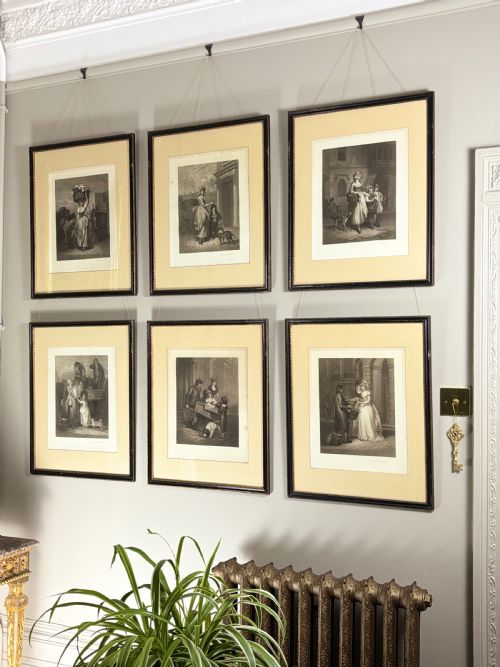
These sets were typically hung together in drawing rooms, studies, or hallways to tell a visual story or create a balanced decorative theme. The uniform framing ensured the group read as a single cohesive installation.
Today, hanging them in their original groupings maintains the historical intent of the arrangement and provides a strong focal point in a modern interior.
Can mixed media be found in these sets?
Yes, artists often combined techniques such as watercolour, gouache, and pencil within a single series of studies. Botanical and ornithological sets frequently employ this layered approach to capture fine natural details.
Such combinations showcase the versatility of the creators and add textural interest when the pictures are viewed side by side.
What subjects are most common?
Sporting scenes, horse racing sequences, and botanical studies form a large portion of the available groupings. Travel views, architectural studies, and maritime subjects also appear frequently.
These popular themes reflect the collecting tastes and decorative fashions of the Georgian, Regency, and Victorian periods.
How do I care for framed paper sets?
Paper works require protection from direct sunlight to prevent the fading of watercolours and hand-tinted inks. Keeping them in stable humidity conditions prevents warping of both the paper and the wooden frames.
Glazed frames protect the delicate surfaces from dust and atmospheric pollutants, ensuring the longevity of the set.