
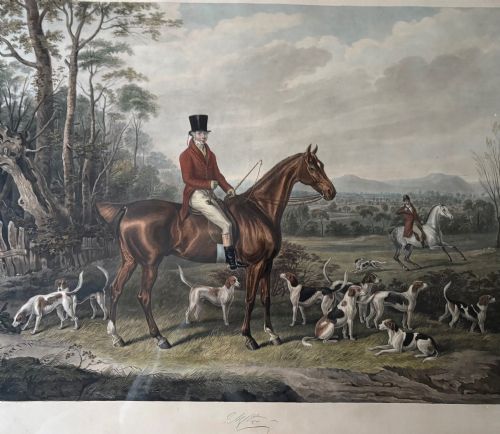


Antique Regency Engravings
These antique regency engravings capture the fine draughtsmanship and spirited character of the early nineteenth century.
Antique Regency Engravings
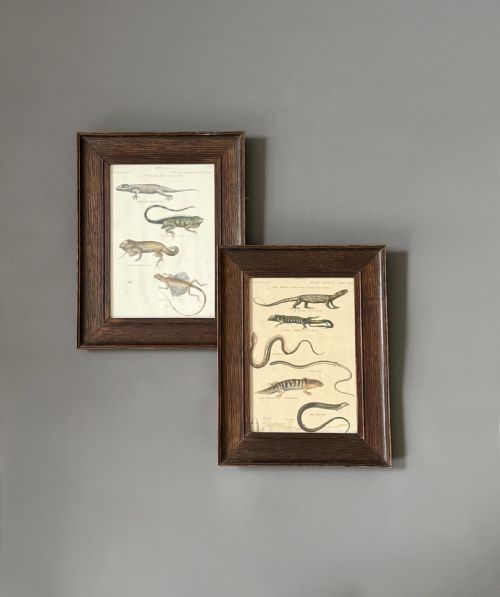
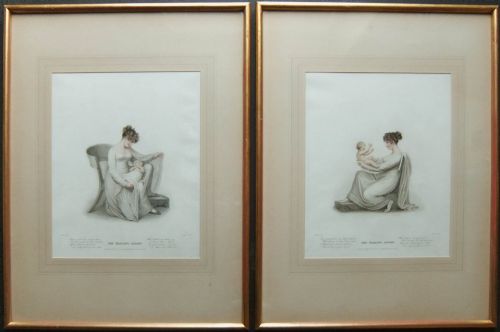
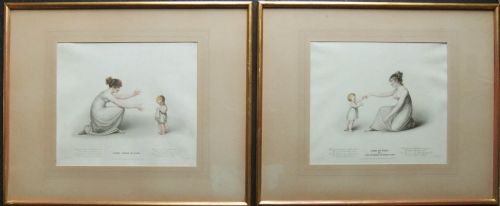
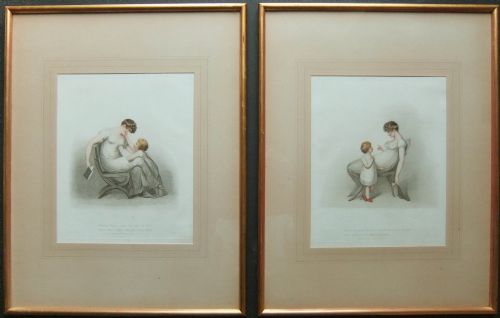
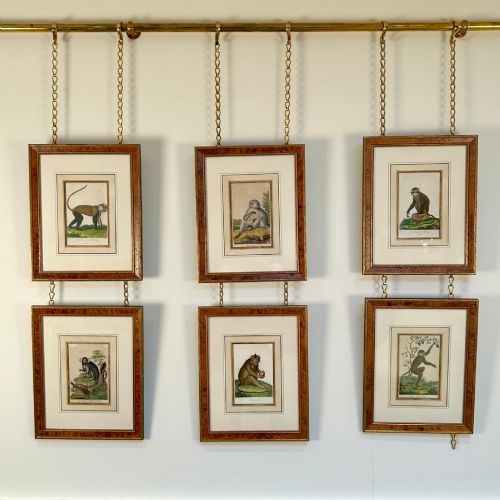
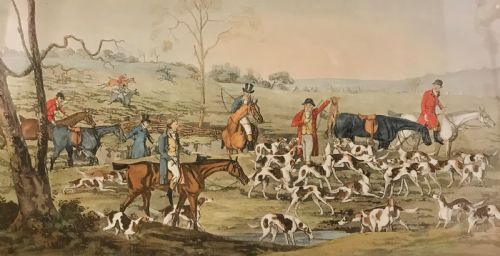
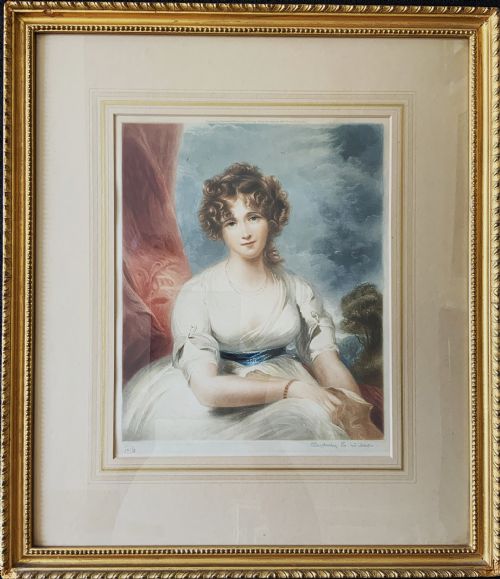
When you search for antique regency engravings, you encounter framed works on paper that span portraits, sporting scenes, and natural history studies. These items frequently appear paired or in sets, depicting subjects from neoclassical illustrations to lively domestic scenes.
The pieces on this page lean heavily into the nineteenth century and the georgian period, often mounted in traditional wood or gilt frames. Many carry hand-colouring or delicate tinting applied directly over the printed ink lines.
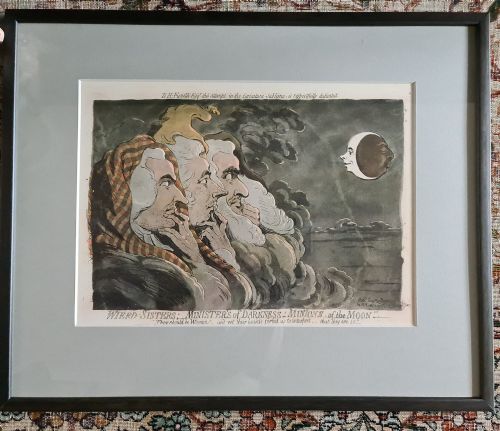
Buyers regularly find botanical plates, animal studies, and theatrical caricatures among the forms. These prints offer a direct window into the visual culture and domestic display of the period.
How they were made
The creation of these works relies on inked metal plates pressed onto high-grade paper, capturing minute detail through engraved or etched lines. Artisans frequently enhanced these monochrome impressions by hand using watercolour and subtle washes.
Framing materials range from simple maple to elaborate gilt wood and gold leaf, often protecting the delicate paper behind glass. Some specialist pieces utilise reverse glass techniques, where the image is applied directly to the pane.
Even fierce fighting bulls and raucous boxing matches found themselves neatly framed for genteel nineteenth-century parlour walls.
What varies in quality
Quality rests significantly on the clarity of the printed line and the precision of the plate impression. Finer examples retain crisp details without blurring or flattening in the shadows.
The skill of the hand-colouring also separates standard prints from superior works. Subtle, accurate washes elevate a piece, whereas heavy or muddy pigment obscures the underlying engraving.
William Bird MD FLS·Adam Buck·John Flaxman·John Curtis·William Swainson
The Antique Regency Engravings Glossary
- Engraving
- A printmaking technique where an artist cuts a design into a metal plate using a sharp tool called a burin. The resulting grooves hold the ink for the press.
- Aquatint
- A printmaking method that produces tonal areas resembling watercolour washes. It achieves this by using powdered resin on the plate before acid biting.
- Stipple
- A method of engraving using dots rather than continuous lines to create soft tonal gradations. This technique suited gentle portraits and sentimental subjects.
- Mezzotint
- A tonal print process where the metal plate is roughened uniformly to produce dark areas, then scraped to create highlights. It yields rich, velvety darks.
- Artist Proof
- An impression taken from a printing plate to check the progress of the work before the main edition is run. These often bear the signature of the creator.
Antique Regency Engravings: Frequently Asked Questions
How should I hang antique engravings?
Keep these works out of direct sunlight to prevent the ink and paper from fading over time. Stable indoor humidity protects both the paper and the wooden frames from warping.
Ensure they hang securely on sturdy fixings away from moisture sources such as kitchens and bathrooms.
Were these prints always hand-coloured?
Many plates left the press in plain black and white, leaving the application of colour to later hands or professional colourists. This meant each set could receive slightly different palettes depending on the workshop.
Collectors often value the care and precision of the original tinting when assessing a piece.
What subjects are most common?
Sports, natural history, and classical portraiture dominate the surviving output of this era. Botanical studies and animal illustrations reflect the scientific curiosity of the time.
Satirical scenes and theatrical portraits also proved immensely popular for domestic decoration.
How do I identify a genuine period piece?
Examine the paper closely under magnification to check for plate marks left by the press. The texture of the paper and the quality of the ink offer strong clues to age.
Historical framing methods and period adhesives on the reverse also help confirm the era of production.