


Antique London Print
An antique london print captures the capital through centuries of etching, engraving, and lithography, offering a tangible link to the city's past.
Antique London Print
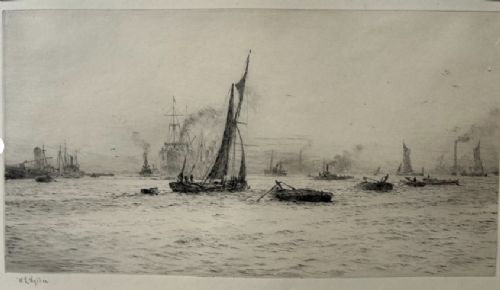
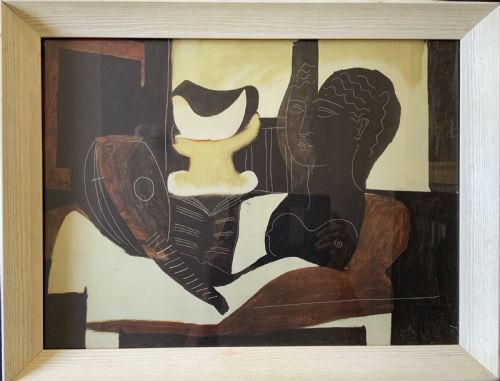
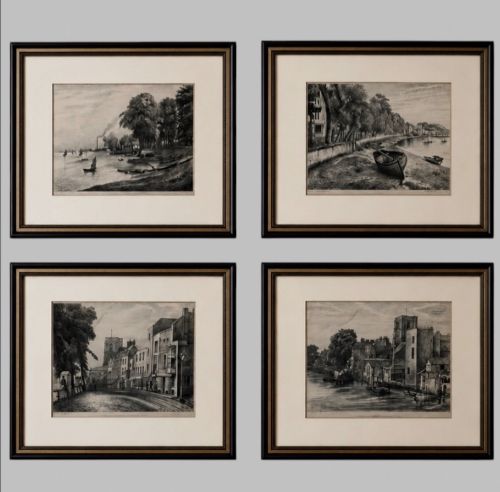
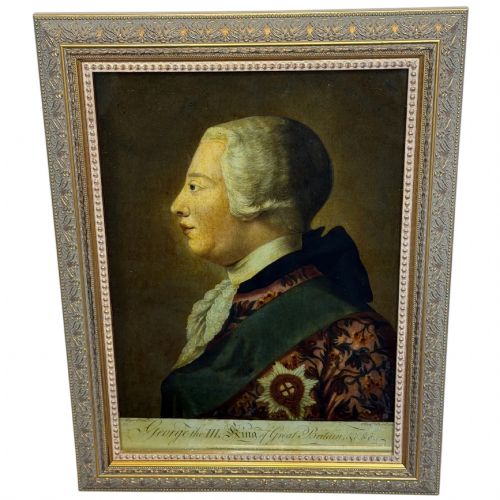
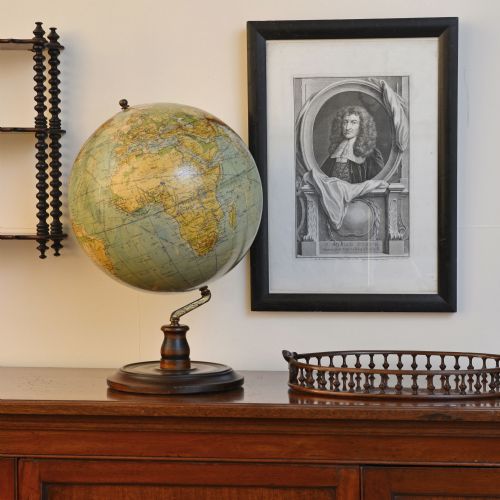
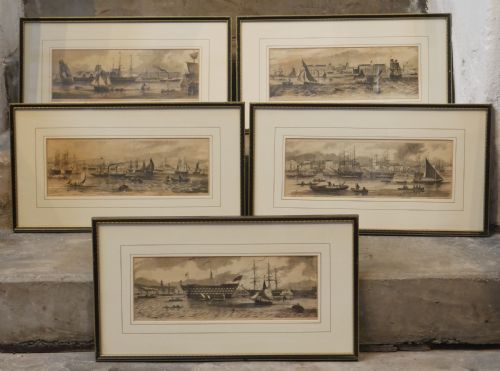
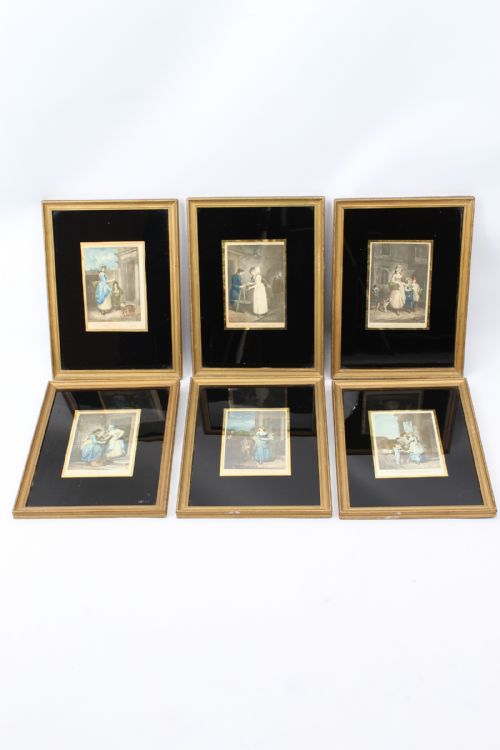
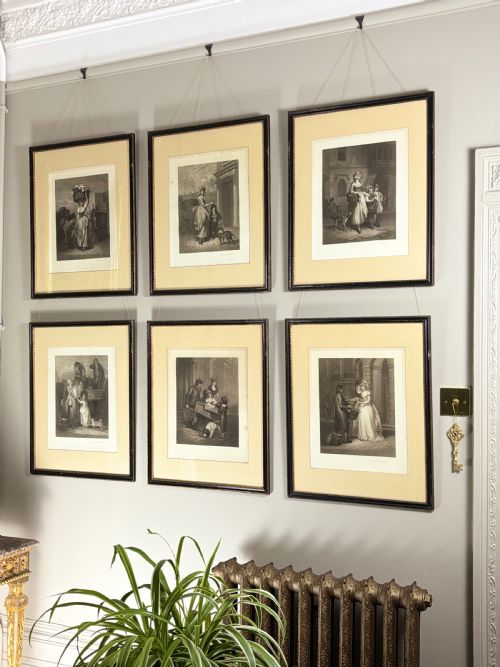
When you search for an antique london print, you encounter a diverse gathering of framed engravings, lithographs, maps, and etchings depicting the capital across various eras. The selection spans Georgian street scenes, Victorian river views, and early twentieth-century drypoint bridges, documenting the Thames, local landmarks, and historic thoroughfares.
Most items on this page lean heavily towards nineteenth-century works, alongside Georgian copperplate engravings and Edwardian topographical views. You will find individual sheets, framed sets, and published portfolios that record the shifting architecture and daily life of the city.
Materials and methods behind the prints
The works rely upon paper, ink, and occasionally watercolour or gold leaf, shaped through traditional printmaking techniques like etching, engraving, and lithography. Copperplate and wood engravings provide the fine lines seen in topographical views and satirical sheets.
Framing materials incorporate wood and glass, while associated items utilise metal and card. Printing blocks employ carved wood, reflecting the foundational trades of publication and production in the capital.
Listings feature works spanning the eighteenth, nineteenth, and twentieth centuries, utilising paper, ink, wood, and metal.
Distinctions in craftsmanship and condition
The distinction between standard output and superior quality rests upon the crispness of the impression and the precision of the hand-colouring. Early pulls from copperplates yield sharp, detailed lines, whereas worn plates produce blurred shadows and muddy tones.
Preservation of the paper sheet and fidelity to the original publication context elevate an item. Strong margins, authentic period framing, and clear signatures by noted artists or publishers define the upper tier of the range.
William Lionel Wyllie·George Philips and Son·Thomas G Appleton·Willam Darton·Peek Frean and Co
The Antique London Print Glossary
- Etching
- A printmaking method where acid bites lines into a metal plate to hold ink. This technique allows for fluid, expressive lines drawn by the artist.
- Mezzotint
- A tonal engraving process that works from dark to light by roughening a metal plate. It produces rich, velvety blacks and smooth gradations of shadow.
- Lithography
- A planographic printing process based on the repulsion of oil and water on a limestone or metal surface. It enables precise, painterly reproductions of original watercolours.
- Copperplate
- A flat sheet of copper used to engrave or etch detailed imagery before printing on paper. These plates wear down over time, making early impressions more desirable.
Antique London Print: Frequently Asked Questions
How do I date an antique london print?
Examine the paper quality, typography, and publisher imprints often found at the bottom margin of the sheet. Stylistic clues in the clothing and architecture depicted also help narrow down the decade.
Watermarks in the paper stock provide reliable clues for Georgian and nineteenth-century works. Comparing the street layout to historical maps confirms the specific era of the depiction.
Were these prints always framed?
Most antique prints were originally issued unbound in portfolios, books, or as loose sheets for collectors to frame later. Contemporary framing often dates to a later restoration or the Victorian period.
Finding a piece in its original period frame is unusual but adds historical context. Buyers frequently re-frame prints to suit modern interiors while preserving the antique sheet.
What is the difference between an engraving and an etching?
An engraving is cut directly into a metal plate using a sharp tool called a burin, producing crisp, clean lines. An etching uses acid to bite the lines into the plate, allowing for a freer, more fluid hand.
Engravings often feature formal architectural and map details, while etchings capture softer artistic nuances. Both techniques dominated London print production across the eighteenth and nineteenth centuries.
How should I care for an antique paper print?
Keep prints away from direct sunlight to prevent the ink and any hand-applied watercolour from fading. Acid-free mounting materials protect the paper from degrading over time.
Maintain a stable room temperature and avoid humid environments like kitchens or bathrooms. Proper glazing with UV-filtering glass ensures the paper survives intact for decades.