

Framed London Artwork
Framed london artwork brings together centuries of the capital's river scenes, street views and portraits preserved behind glass and wood.
Framed London Artwork
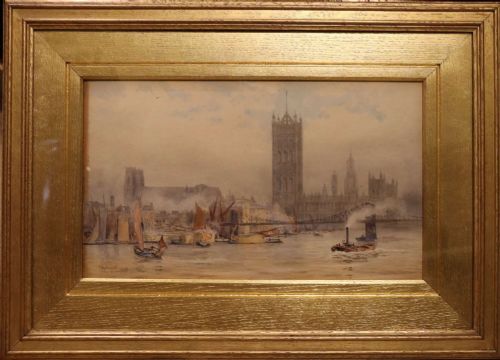
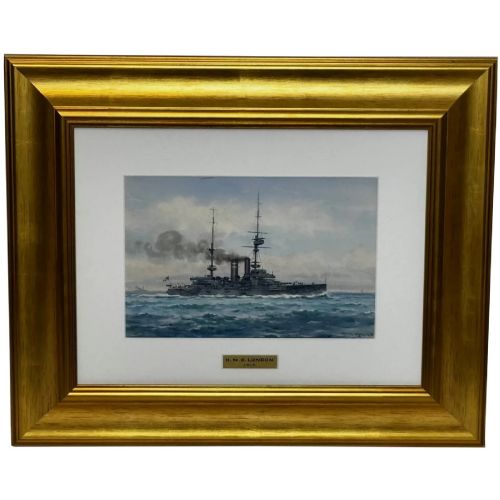
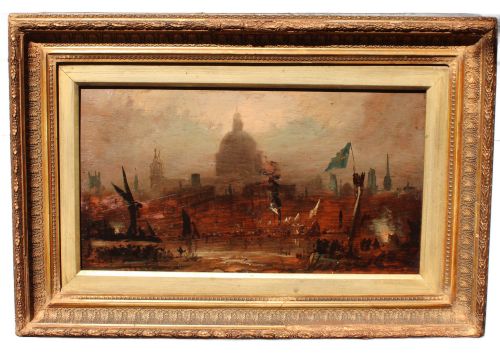
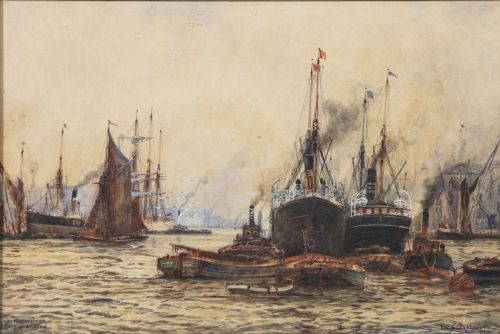
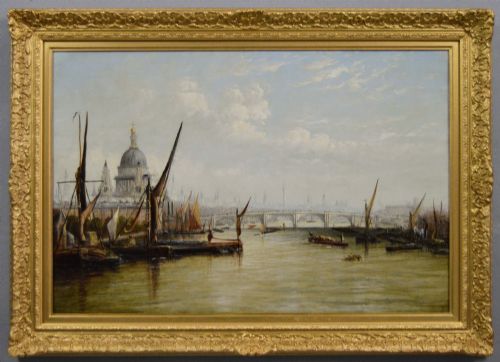
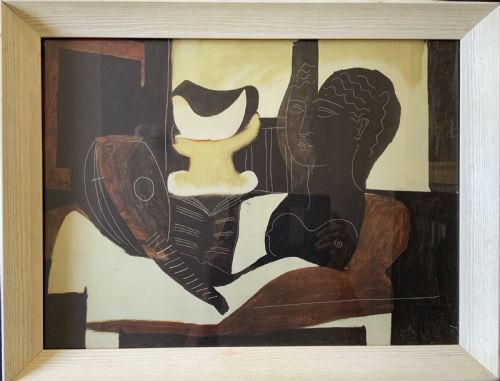
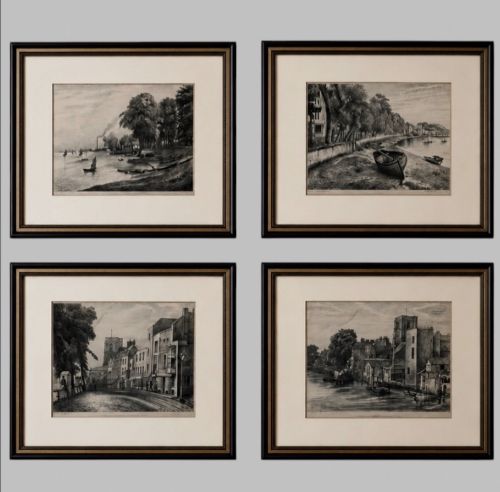
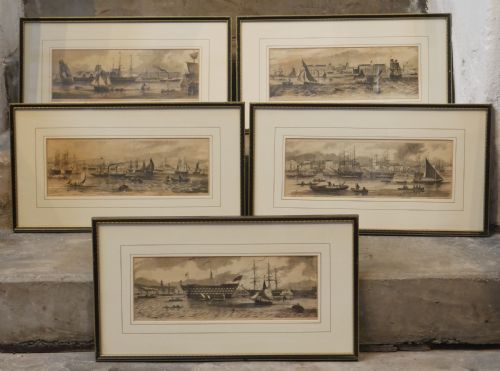
Framed london artwork captures the capital through watercolours, oil paintings, engravings and lithographs spanning several centuries. The selection ranges from bustling river scenes on the Thames and maritime views of shipping to topographical street views and portraiture.
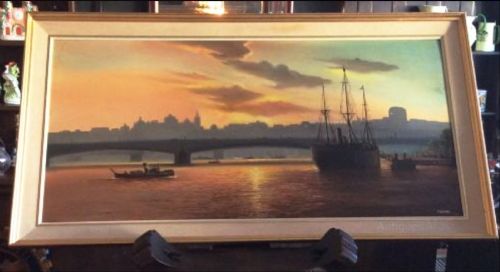
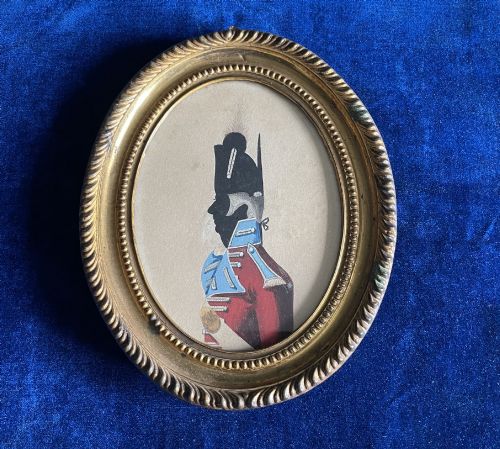
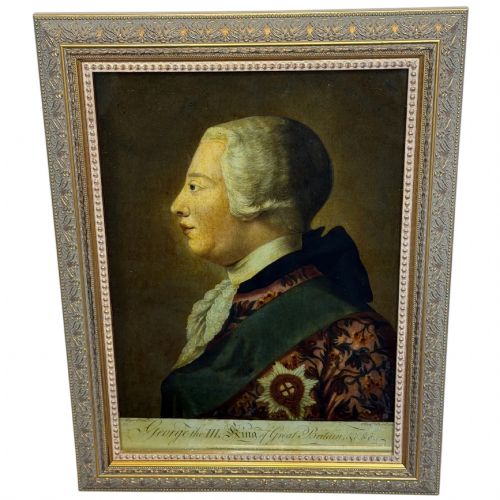
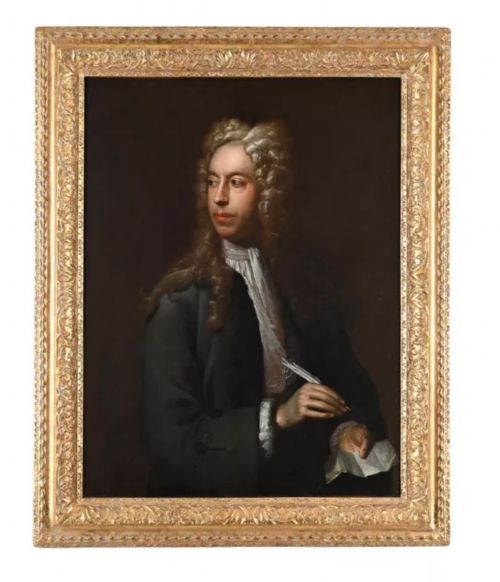
Buyers will encounter 18th-century portraits alongside Victorian engravings and mid-century prints. River scenes featuring bridges and the Pool of London appear frequently across various mediums.
Pieces reflect periods from Georgian and Regency eras through to Edwardian and Mid-Century Modern movements. Each item offers a glimpse into the changing architecture and daily life of the city.
Materials and Technique
Works are executed in oil on canvas, watercolour, ink and drypoint etching on paper. Many items utilise traditional framing materials such as wood, giltwood and glass to protect the surface.
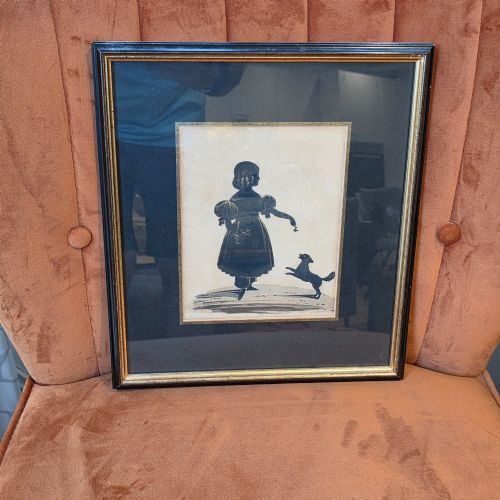
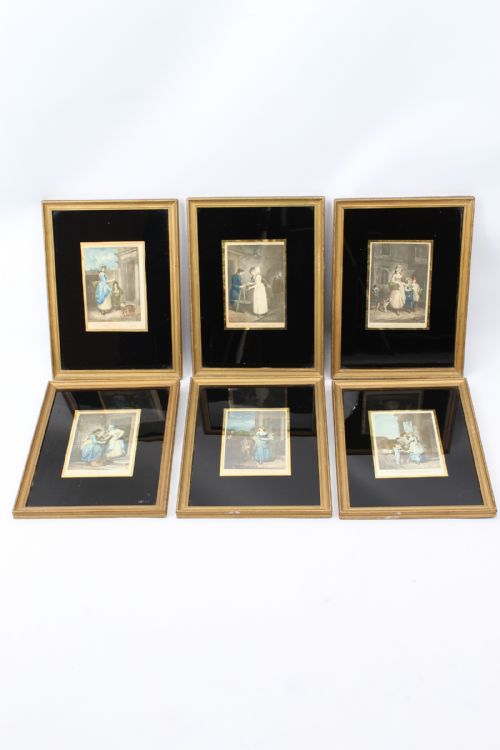
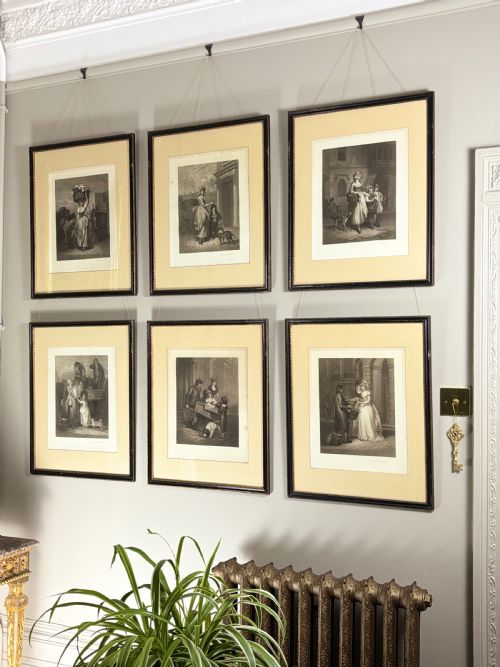
Printmakers employed engraving and lithography techniques, sometimes adding hand-colouring to highlights. Silhouettes involve cut paper paired with watercolour details.
Several artists clearly found pigeons and river traffic just as captivating as the Houses of Parliament.
Assessing Quality
Quality rests on the precision of the draughtsmanship and the handling of light, particularly in atmospheric river watercolours and detailed oil townscapes. The execution of perspective in complex architectural settings separates standard decorative prints from accomplished artistic records.
The integrity of the materials matters, including the preservation of the original paper or canvas and the quality of the period framing. Well-maintained surface conditions on older oils and watercolours retain the intended visual depth.
William James Hubard·Francis Moltino·Michael Dahl·Philip Mercier·Edgar J Maybery
The Framed London Artwork Glossary
- Lithography
- A planographic printing process utilising a stone or metal plate to produce multiple impressions on paper. This technique was widely employed for topographical views and illustrated series.
- Mezzotint
- A printmaking method of the intaglio family where the plate is roughened to achieve rich tonal gradations and dark backgrounds. It gained popularity for reproducing portraits and dramatic scenes.
- Drypoint
- An intaglio printmaking technique where an image is scratched directly into a metal plate with a sharp needle, producing characteristic velvety burr lines. Artists favoured this method for fine linear detail in architectural prints.
- Topographical
- Representing specific physical locations and landmarks with descriptive accuracy. These works provide historical documentation of streets, bridges and parks.
- Giltwood
- Wood that has been coated with a thin layer of gold leaf or gilt powder. It is commonly found on traditional frames enclosing oil paintings and fine prints.
Framed London Artwork: Frequently Asked Questions
What periods do these artworks cover?
The works span from the eighteenth century through the Victorian and Edwardian eras into the mid-twentieth century.
This broad timeline encompasses traditional oil portraits, topographical watercolours and mid-century prints.
How should I care for framed paper artwork?
Paper works require protection from direct sunlight to prevent fading of watercolours and inks.
Keep them in stable room conditions away from excessive moisture to preserve the paper and framing.
Are these pieces original?
The selection includes both original hand-painted works like oils and watercolours and period printed editions.
Listings specify the exact medium, distinguishing unique paintings from published engravings and lithographs.
What subjects are most common?
Views of the River Thames, including bridges, shipping and the Pool of London, appear frequently across different eras.
Street scenes, parks and historical portraits of figures connected to the capital also feature prominently.