






Victorian Landscape Print
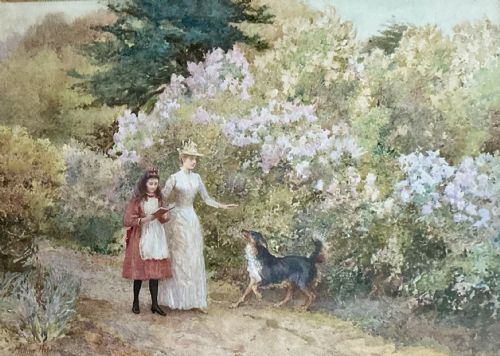
A victorian landscape print brings distant rivers, quiet pastures and foreign horizons into focus through period framing and ink.
Victorian Landscape Print
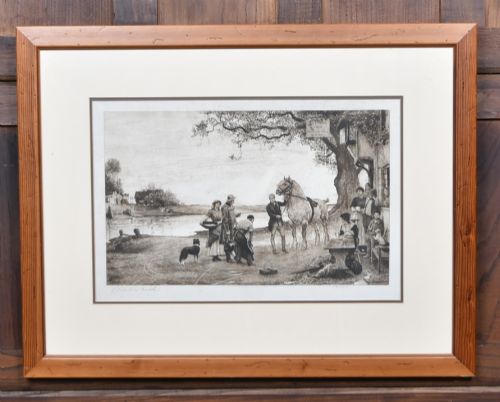
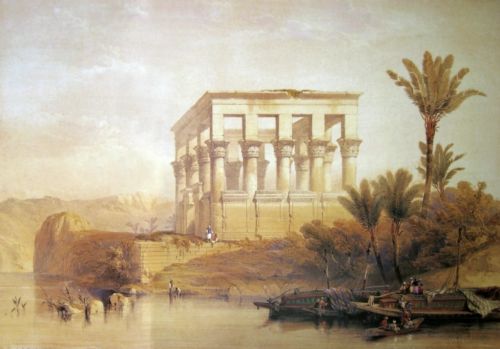
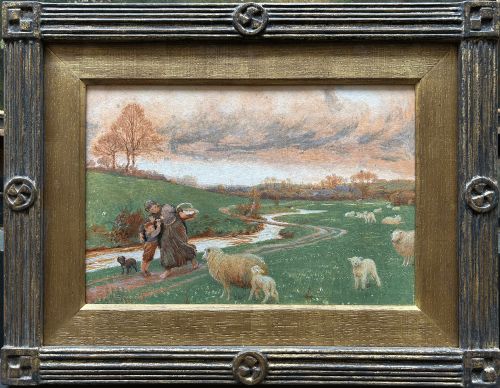
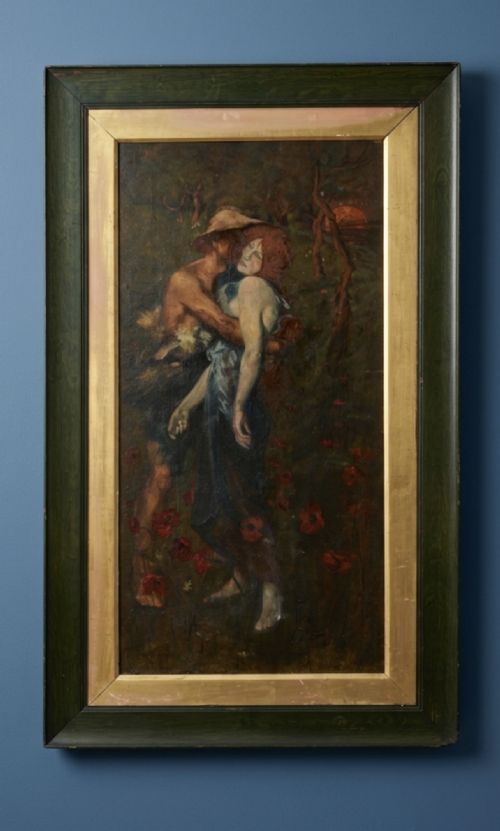
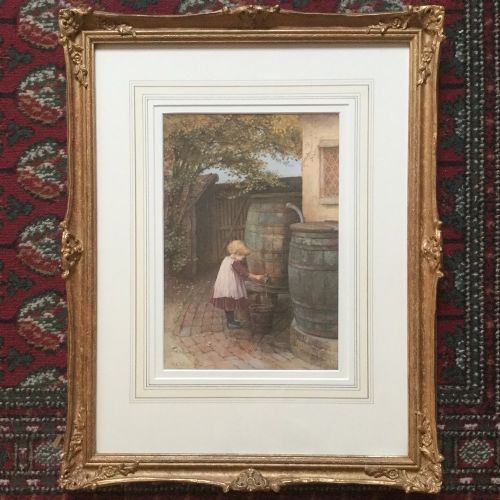
When searching for a victorian landscape print, collectors encounter a varied selection of framed art, watercolours, etchings, lithographs and oil paintings. The offerings span the nineteenth century into the early twentieth century, capturing rural scenes, river views and foreign architecture.
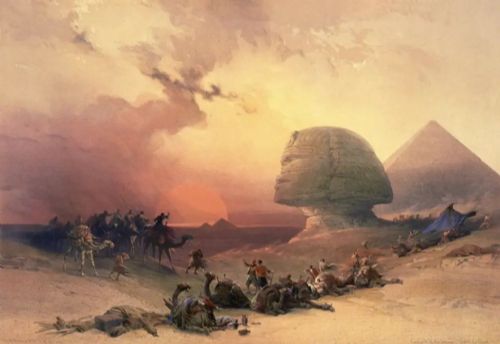
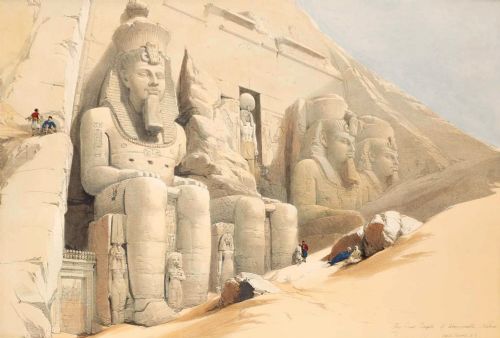
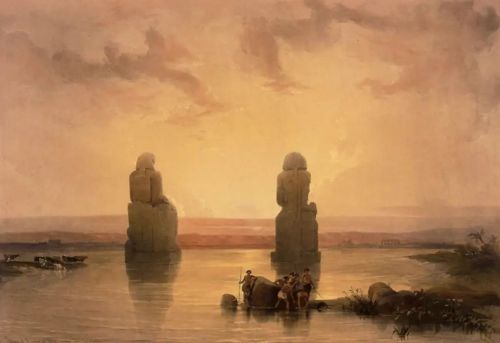
Most pieces on this page lean towards British pastoral settings, river valleys, and coastal vistas created through engraving, lithography or watercolour. Alongside these British countryside views, buyers find orientalist scenes and architectural studies that reflect the wider geographical interests of the period.
How they were made
The works rely heavily on paper surfaces combined with ink, watercolour, and occasionally gold leaf or hand-applied body colour. Printmakers utilised etching, mezzotint and lithography plates to transfer detailed topographical and pastoral imagery.
Many of these printed or painted works find protection beneath glass within wooden frames, often finished with gesso moulding. The combination of paper media and traditional framing preserves the delicate line work and tonal gradations of the era.
The periods represented span the nineteenth century, Victorian era, and early decades of the twentieth century.
What varies in quality
Quality rests in the crispness of the impression, the subtlety of hand colouring, and the fidelity of the secondary media applied to the paper. Stronger examples show confident draughtsmanship and careful preservation of the original tones without excessive fading.
The integrity of the framing materials and the condition of the paper substrate heavily influence the overall character of a piece. Finer works maintain clear margins, stable pigments, and minimal disruption from foxing or damp.
Alfred Young Nutt·David Bates·Robert W. Macbeth·David Roberts·Frederick Walker·Charles Edward Wilson·Herbert Dicksee·James William Booth·Arthur Hopkins·T.A Prior·Kunisada·Paul Jones·A. Winter Shaw·Joseph Kirkpatrick·Samuel Sidley·Henry Birtles·William Powell Frith·Henry Wimbush·Edward Lloyd·William Mellor·James Wallace Co·Thomas Bush Hardy·H.P.Parker
The Victorian Landscape Print Glossary
- Lithograph
- A print produced by drawing on stone or metal with a greasy medium so that ink adheres only to the drawn areas. This technique allowed artists to reproduce tonal illustrations with painterly softness.
- Etching
- A printmaking method where lines are bitten into a metal plate with acid before ink is applied to the recessed grooves. It yields fine, precise detail well suited to topographical views.
- Watercolour
- A paint consisting of pigment suspended in a water-soluble vehicle, typically applied to paper. It was favoured for light, portable sketching and finished landscape studies alike.
- Mezzotint
- A printmaking process where the metal plate is roughened to produce dark tones and scraped smooth for lighter areas. It creates rich, velvety shadows ideal for dramatic atmospheric effects.
Victorian Landscape Print: Frequently Asked Questions
What is a victorian landscape print?
It is an antique work on paper depicting rural, urban or foreign scenery from the nineteenth century.
These pieces capture the artistic and topographical interests of the era through various printmaking techniques.
How do I date a print?
Dating relies on the style of the imagery, the publishing details, and the characteristics of the paper and frame.
Many works carry specific publication dates or signatures from the artist or engraver.
Where were these displayed?
Original owners typically hung these framed works in domestic parlours, libraries and studies to display refined taste.
They served as conversational pieces that brought distant landscapes into suburban homes.
How should I care for paper art?
Keep works out of direct sunlight to prevent the fading of watercolours and coloured inks.
Maintain stable humidity levels to protect both the antique paper and its original wooden frame.