


Framed Paper Prints
Framed paper prints bring historic caricature, botanical study and fine engraving straight to the wall.
What framed paper prints are
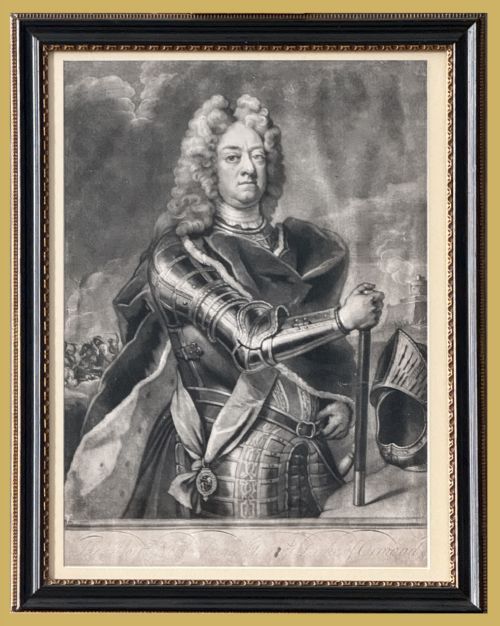
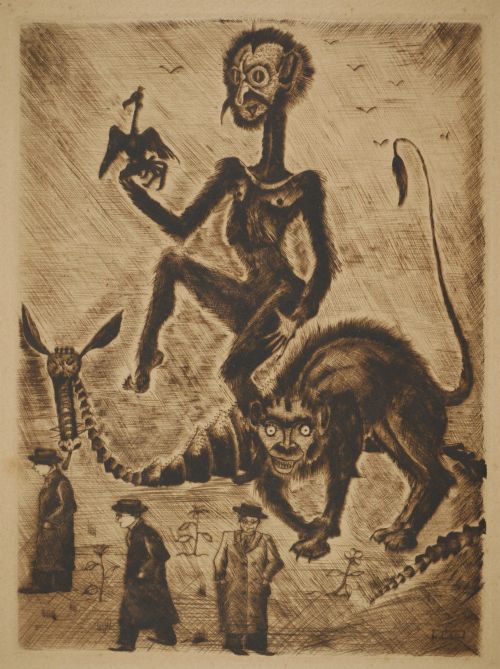
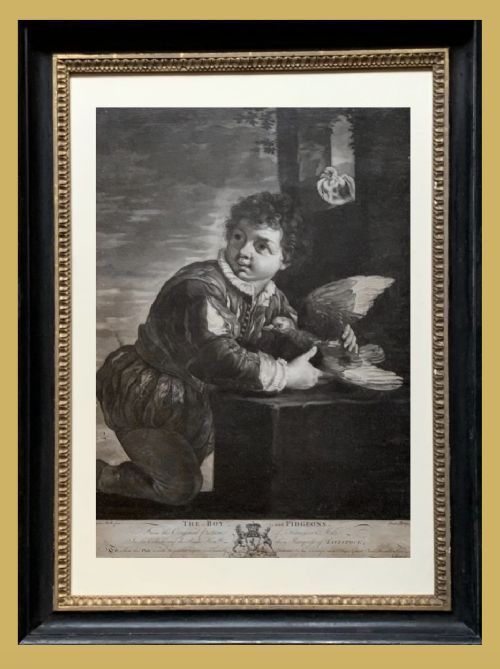
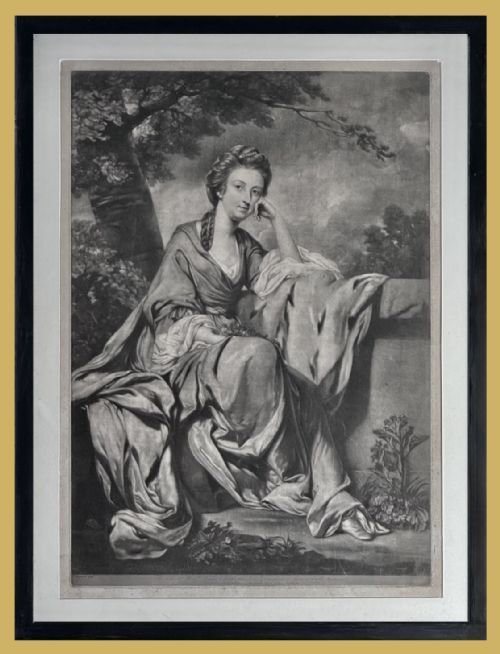
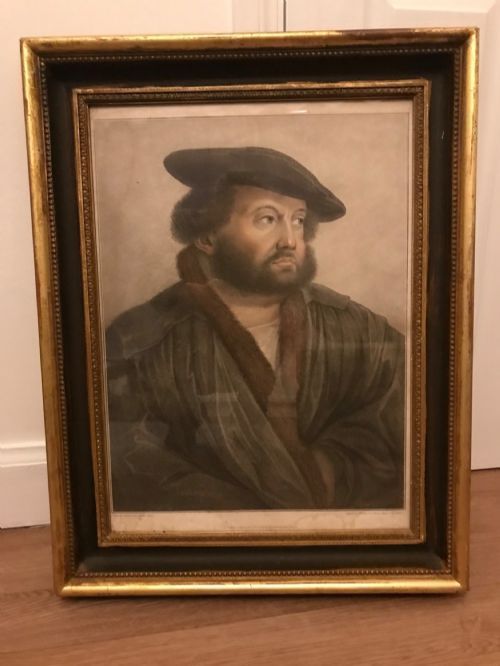
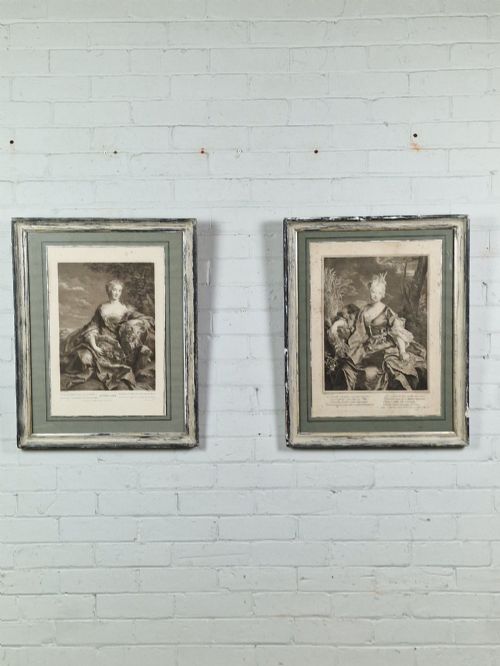
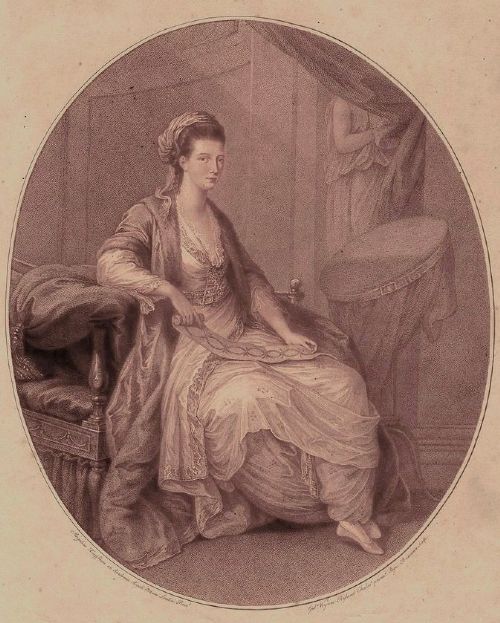
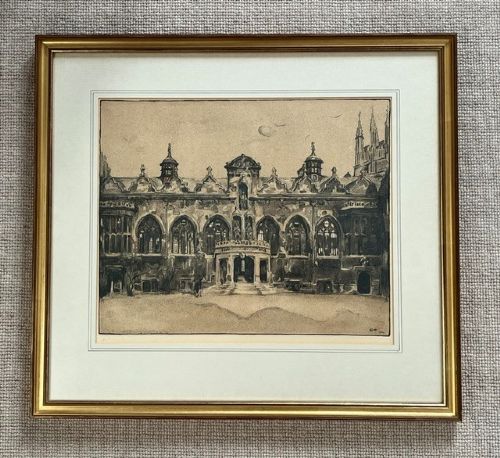
When you search for framed paper prints, you encounter works on paper preserved behind glass within protective wooden or metal surrounds. The selection spans Georgian caricatures and armorials, nineteenth-century botanical engravings by John Curtis, and early twentieth-century Vanity Fair plates.
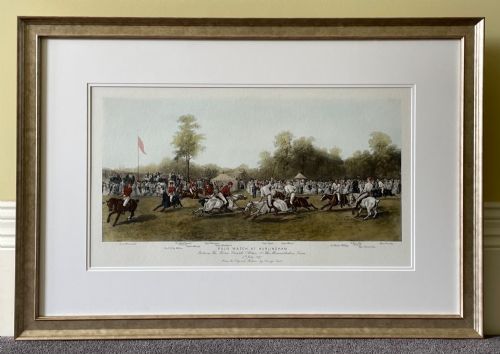
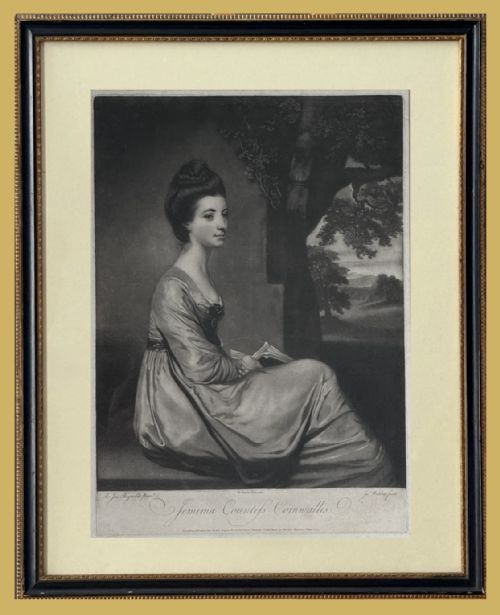
You also find sets of mezzotint coloured engravings signed by artists such as F. Petitjean, alongside sporting pairs by Samuel Howitt. These pieces cross Georgian, Victorian, and Edwardian periods, capturing diverse aesthetic tastes from satirical social commentary to precise natural history illustration.
How they were made
These works rely fundamentally on paper sheets printed with ink using techniques ranging from early hand-coloured engravings to mezzotint. Makers then mounted these sheets behind protective glass panes to shield the delicate paper surfaces from dust and atmospheric moisture.
The enclosing frames combine wood and metal elements, providing structural stability and a finished border for wall display. Many pieces incorporate period framing methods that reflect the prevailing decorative styles of their respective eras, such as Rococo Revival.
Retail Price Guide 2026
Typical UK retail prices for framed paper prints, calculated from the Sellingantiques database of over a million retail prices indexed since 2003. This retail price guide relies exclusively on Sellingantiques data; no external sources or auction records are used, so the figures do not describe the wider market.
Listings feature paper, glass, wood, ink, and metal across Georgian, Victorian, and Edwardian periods.
What varies in quality
Quality rests upon the crispness of the original ink impression and the fidelity of any hand-applied colour. Early impressions pulled from fresh plates exhibit sharp line work and tonal depth that later reprints simply cannot replicate.
The integrity of the paper itself and the condition of the accompanying frame further distinguish superior examples. Intact historic mounts, clear signatures by artists like F. Petitjean, and well-preserved armorial or botanical details elevate a piece above standard decorative ephemera.
The Framed Paper Prints Glossary
- Mezzotint
- A printmaking process where the copper plate is roughened to achieve rich tonal gradations rather than simple lines. This technique allows for subtle shifts in light and shadow across the printed surface.
- Engraving
- A method of cutting a design into a metal plate with a sharp tool to hold ink for printing. The resulting lines are exceptionally crisp and durable.
- Armorial
- A visual representation of a family crest or coat of arms displayed on paper or parchment. These heraldic symbols frequently appear in Georgian decorative works.
- Botanical
- An illustration created to record the precise structure of plants, often accompanied by insects. John Curtis produced notable examples of this scientific art form.
Frequently Asked Questions
What periods do these prints cover?
The pieces span from the Georgian era through the Victorian and Edwardian periods up to nineteen-twenty.
This broad chronological range includes satirical caricatures, natural history studies, and satirical magazine plates.
How should I hang framed paper prints?
Keep them away from direct sunlight to prevent the ink and paper from fading over time.
Ensure the room maintains stable humidity levels to protect both the historic paper and the enclosing frame.
Are these prints sold in sets?
Many listings feature grouped items, such as sets of four botanical engravings or pairs of sporting scenes.
Individual pieces like scrapbook pages with multiple caricatures also appear within the selection.
What materials make up the frames?
The protective surrounds utilise a combination of wood and metal materials to secure the glass and paper.
These housings often reflect the decorative style of the period in which the print was produced.