



Antique Gallery Wall Prints
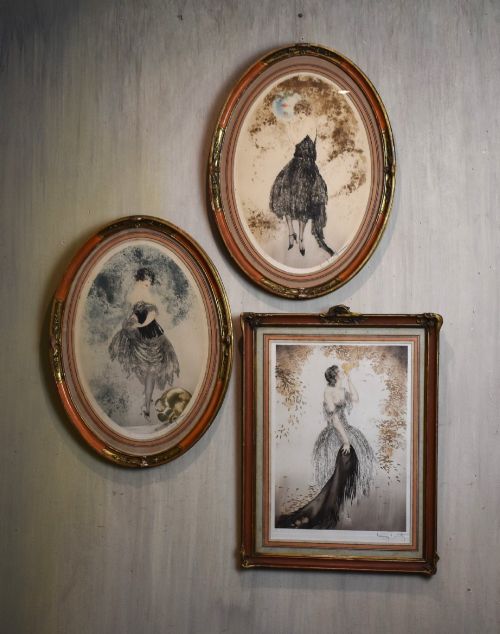
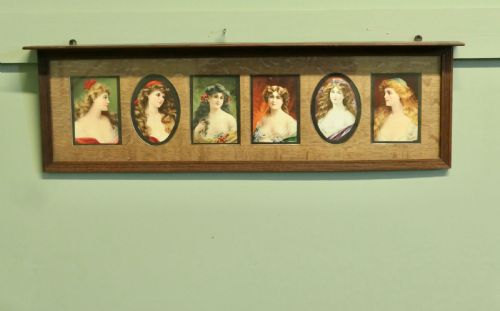
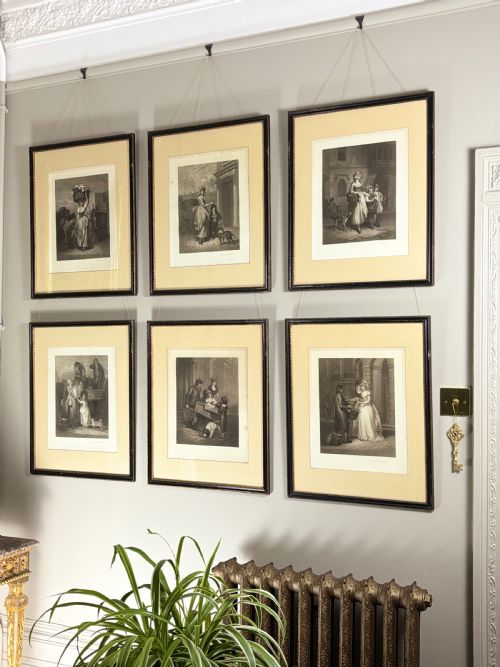
Antique gallery wall prints are framed historic engravings, watercolours and mezzotints grouped to form a curated display that transforms an interior space.
Antique Gallery Wall Prints
These antique gallery wall prints comprise curated collections of framed historical artworks, predominantly botanical studies, portraits, and engraved series originating from the eighteenth and nineteenth centuries. Buyers acquire these works to create cohesive, narrative-driven displays across domestic interiors without the need to source individual pieces separately over many years.
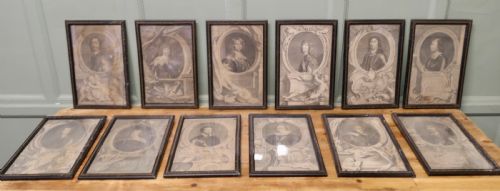
The selections available range from uniform sets of hand-tinted botanical engravings and Vanity Fair spy prints to larger framed mezzotints and photographic racehorse studies. Most offerings consist of matched sets or series from the Georgian, Victorian, and Regency periods, framed and glazed ready for immediate hanging.
Materials and techniques
The works rely upon traditional paper supports carrying copperplate engravings, mezzotints, or delicate watercolours and gouache, often enhanced with hand-colouring or gold leaf. These works are typically housed behind glass within wooden frames, with gilt wood finishes appearing frequently among the Regency and Victorian selections.
Printmakers utilised rigorous intaglio methods such as engraving and mezzotint to achieve deep tonal gradations and fine illustrative detail, particularly in natural history plates and portraiture. Contemporary framing protects these fragile paper surfaces from atmospheric degradation while preserving the original character of the historic mounts.
Listings feature paper supports, gilt wood frames, and watercolours spanning the eighteenth to the twentieth centuries.
Factors of quality
Quality rests upon the crispness of the original impression, the preservation of the paper, and the uniformity of the set as a whole. Early strikes from copperplates retain sharp lines and subtle tonal depths, whereas worn plates yield blurred details that diminish the visual impact of a grouped display.
The integrity of the framing and the survival of original hand-colouring significantly elevate the standing of a collection. Complete, matching series with strong provenance and clear attribution to notable artists or engravers command greater appreciation than disparate or heavily restored groupings.
Jacobus Howbraken·Louis Icart·Thomas G Appleton·Edward Stodart·Simon François Ravenet·Pancrace Bessa·John Curtis·Edward Lear
The Antique Gallery Wall Prints Glossary
- Mezzotint
- A printmaking process where the copper plate is roughened to produce dark tones and scraped to create highlights. This technique allows for rich, velvety shadows and smooth tonal transitions.
- Gouache
- An opaque water-based paint often combined with watercolour in botanical and illustration work. It provides solid blocks of colour and fine, matte detail.
- Engraving
- A method of cutting a design into a metal plate with a sharp tool to hold ink. The resulting prints are characterised by precise, clean lines.
- Hand Tinted
- The application of watercolour or dye by hand to a monochrome print after it is pulled from the press. This adds vibrant, individual colour to botanical and satirical series.
Antique Gallery Wall Prints: Frequently Asked Questions
How should I arrange a gallery wall?
Begin by laying the framed prints out on a large flat surface to test different geometric configurations before transferring them to the wall. Maintain consistent spacing between the frames to create a balanced visual rhythm across the display.
Consider anchoring the arrangement with a larger central piece or aligning the top edges to give structure to mixed sets of varying dimensions. Grouping pieces from the same period or subject matter naturally unifies the overall composition.
Are these prints original period items?
The listings comprise authentic works produced in the eighteenth, nineteenth, and early twentieth centuries rather than modern reproductions. Each set originates from the stated era, utilising period printing techniques and historic paper supports.
Examining the reverse of the frames and the texture of the paper often reveals evidence of age, such as historic plate marks and watermarks. These characteristics confirm the historical authenticity of the prints.
How do I protect antique prints from light damage?
Historic paper and watercolours are sensitive to ultraviolet radiation, which causes fading and degradation over time. Position your gallery wall away from direct, strong sunlight to preserve the original pigments and paper tones.
Utilising conservation-grade glazing with UV-blocking properties offers an effective safeguard for valuable sets. Regular rotation or shaded placement ensures the longevity of delicate hand-coloured details.
Can I mix different print styles together?
Combining diverse styles such as botanical engravings, portraits, and sporting prints introduces personality and layered depth to a room. A unifying element, such as matching frame styles or consistent mount widths, brings harmony to varied subjects.
Limiting the palette of the frames allows disparate artistic eras to sit comfortably together on the same wall. The key is finding a common thread in scale or framing rather than strictly matching every image.