


Mezzotint Wall Art
Mezzotint wall art brings tonal depth to interiors through ink, paper, glass, and timber framing.
Mezzotint Wall Art
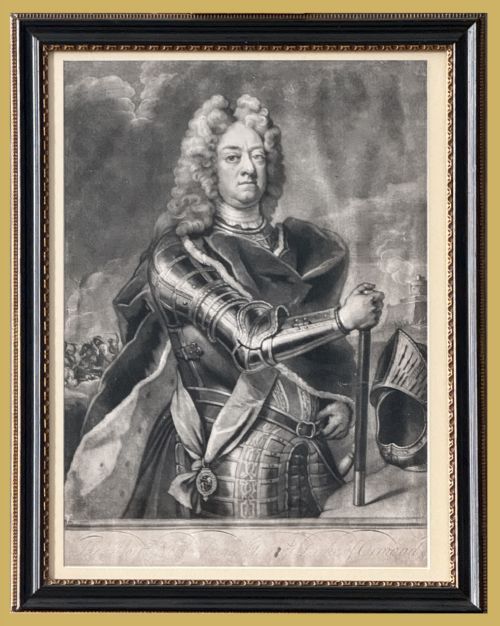
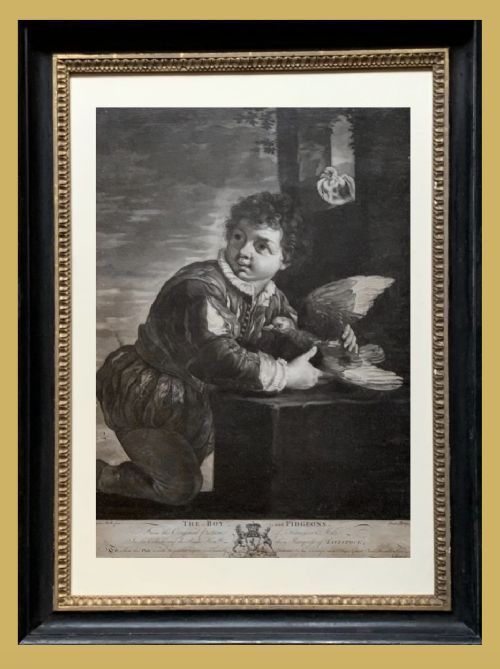
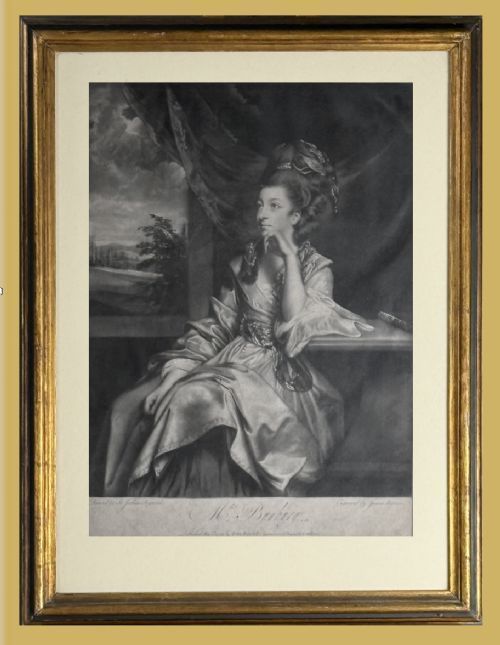
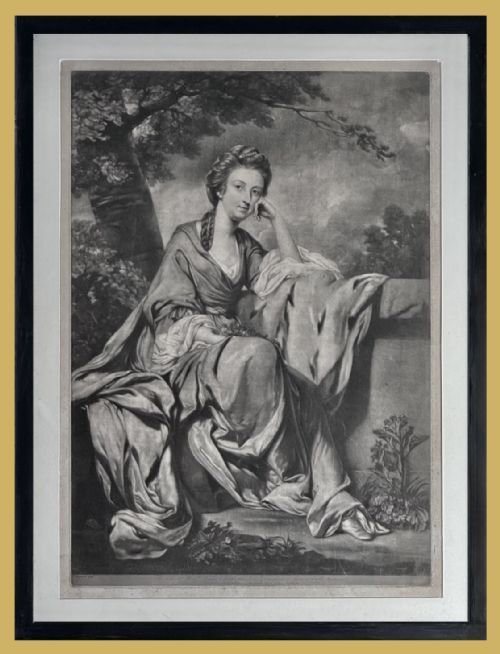
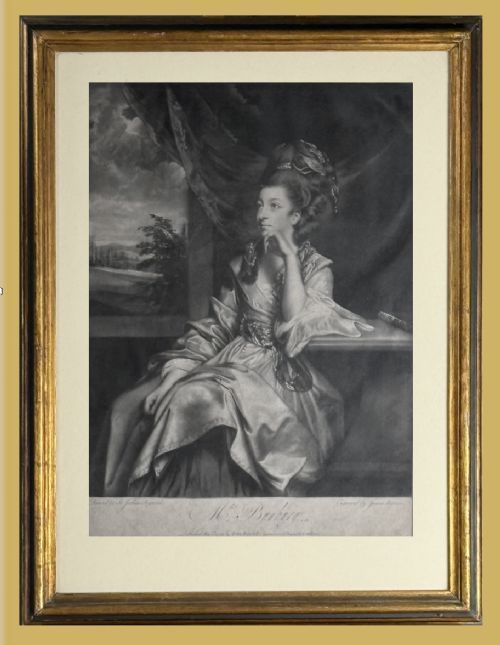
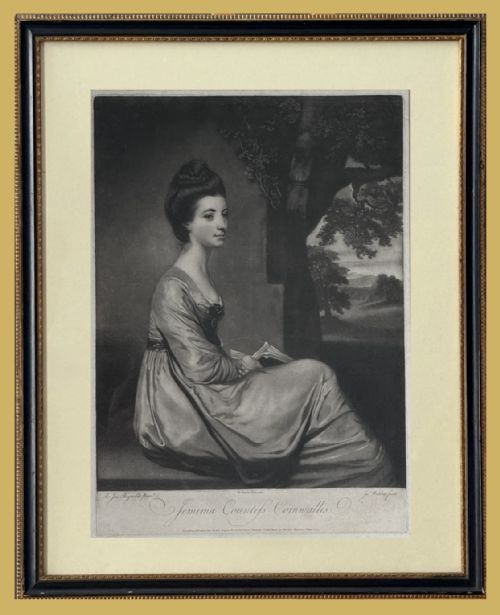
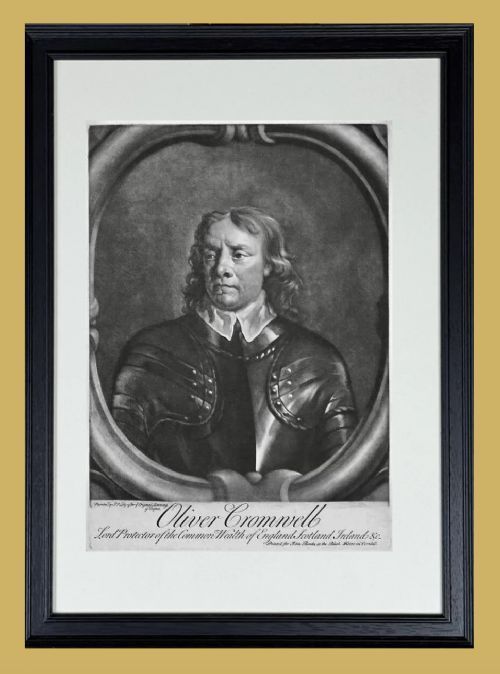
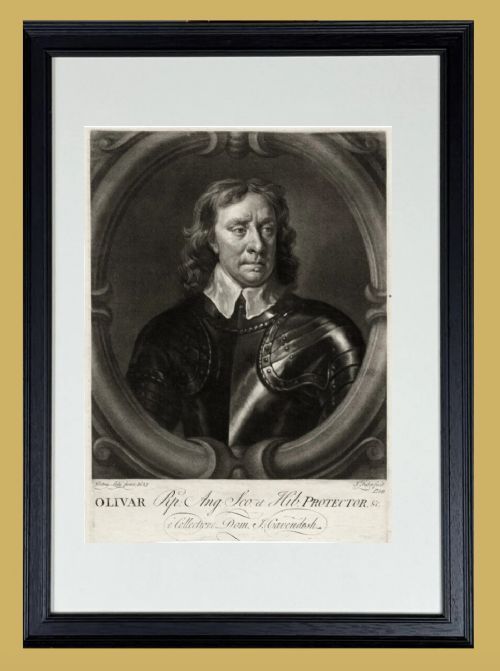
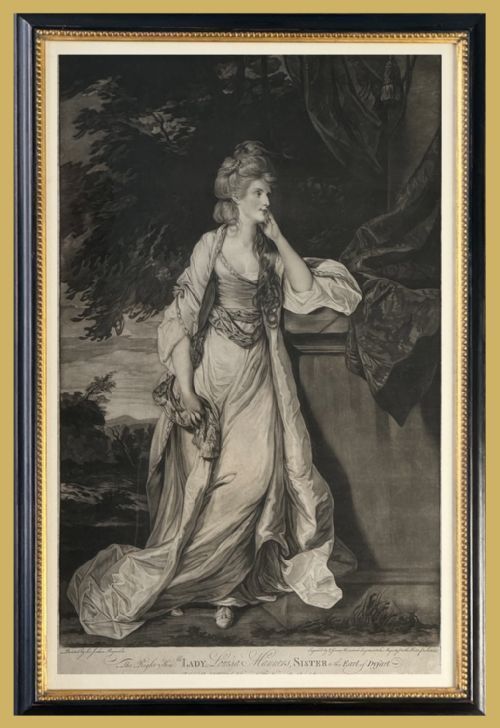
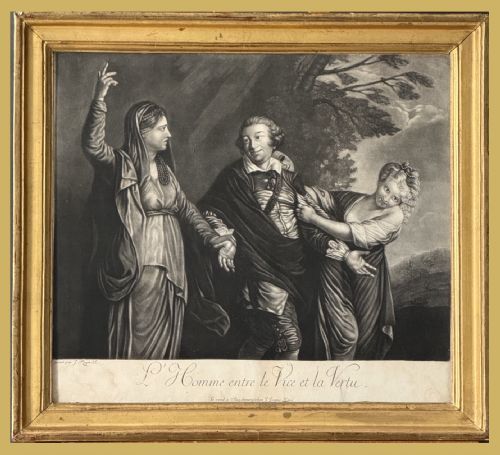
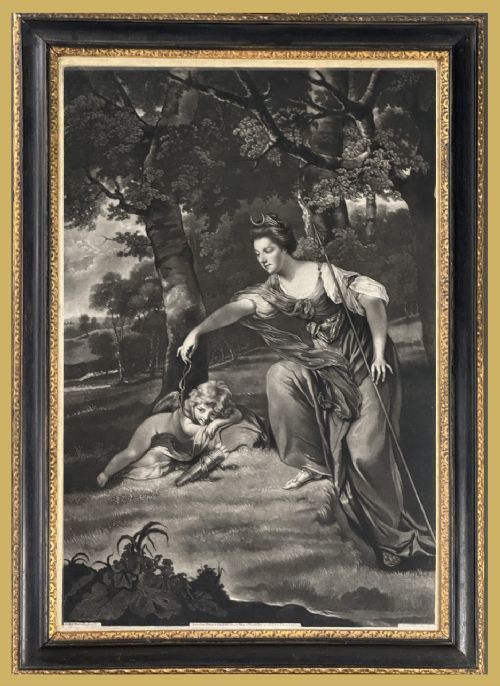
Mezzotint wall art consists predominantly of portraiture and figurative subjects produced during the seventeenth, eighteenth, and nineteenth centuries.
The selections span Georgian, Regency, Victorian, and Edwardian periods, presenting framed prints alongside reverse glass compositions.
Subjects range from British nobility and historical figures to allegorical scenes rendered by notable engravers after prominent painters.
Materials and technique
Makers utilised copper plates worked with rocker tools to create textured surfaces capable of holding rich ink tones.
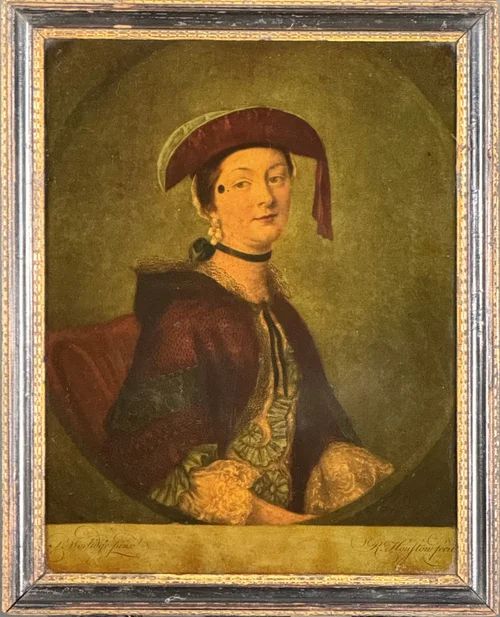
Prints were executed on paper using printing ink, occasionally enhanced with hand-colouring or applied directly onto glass panels.
Finished works were housed in period wood frames, frequently incorporating gilt, gold leaf, and giltwood surrounds.
Materials recorded across the selection combine paper, ink, and glass with traditional giltwood and wood framing.
Quality factors
The clarity of tonal gradations and the depth of the velvety darks depend directly upon the wear of the copper plate during the printing process.
The survival of original glass panels, contemporary hand-colouring, and period frames contributes to the integrity of individual examples.
John Simon·John Boydell·James Watson·Edward Fisher·John Smith·Richard Purcell·Thomas Frye·Valentine Green·Sydney Wilson
The Mezzotint Wall Art Glossary
- Mezzotint
- A printmaking process where the copper plate is roughened evenly to produce rich darks and subtle tonal gradations. This technique allows for smooth transitions between light and shadow without relying on traditional line etching.
- Reverse glass
- A method where painting or printing is applied to the back of a glass panel to be viewed from the front. This technique imparts a distinct glossy surface finish to the artwork.
- Giltwood
- Wood carved and coated with gold leaf or metallic gilding. It provides ornate framing for historical prints.
- Artist proof
- An impression taken before the regular edition is printed, often carrying signatures from the printmaker. These early pulls display high fidelity to the original plate.
Mezzotint Wall Art: Frequently Asked Questions
How do I identify a mezzotint?
Mezzotints are distinguished by their rich, velvety dark fields and subtle tonal gradations rather than fine lines or cross-hatching. Under magnification, the surface reveals a fine dot pattern created by the roughened copper plate.
Printers burnished the plate to create highlights, producing soft edges between light and shadow that differ sharply from standard line engravings.
What is reverse glass printing?
Reverse glass printing involves applying ink or paint to the rear surface of a glass sheet so the image is viewed through the front. This method protects the medium while adding a reflective sheen.
These pieces require careful handling to preserve the delicate layers sealed behind the glass panel.
How should I frame these prints?
Historical prints are best housed in timber frames appropriate to their period, such as simple Hogarth profiles or giltwood mouldings. Original frames preserve the historical context of the piece.
Conservation mounting using acid-free materials protects paper items from degradation over time.
Are these works original prints?
Period mezzotints are original prints pulled from copper plates engraved in the seventeenth, eighteenth, or nineteenth centuries. Each impression reflects the condition of the plate at the time of printing.
Later strikes and signed artist proofs from subsequent centuries represent distinct production phases within the medium's history.