
Dark Framed Prints
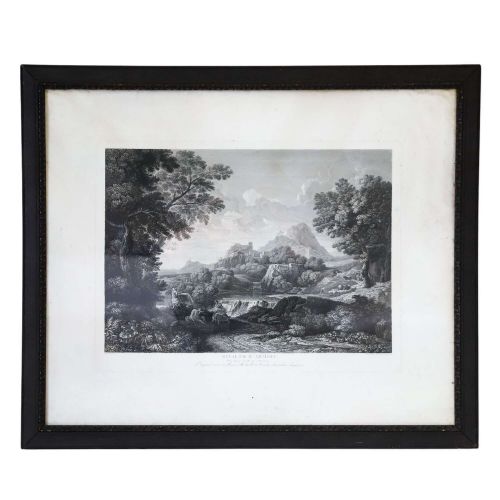
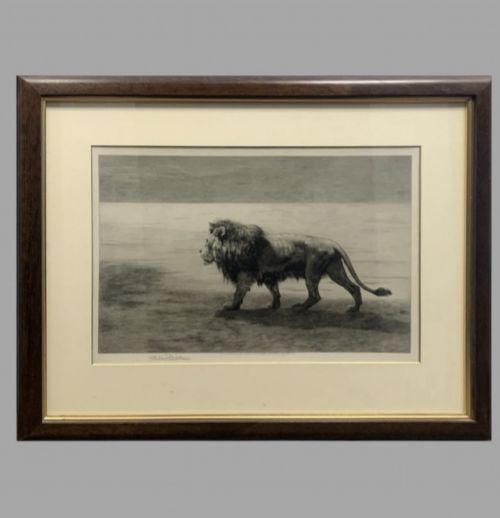
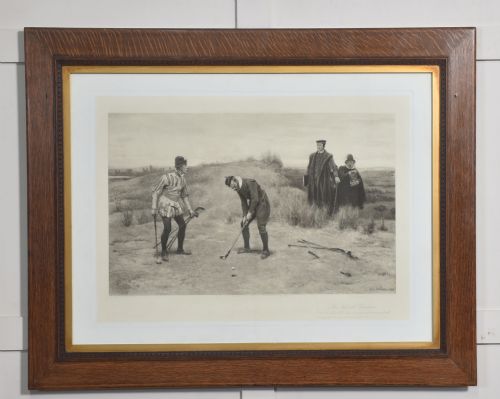
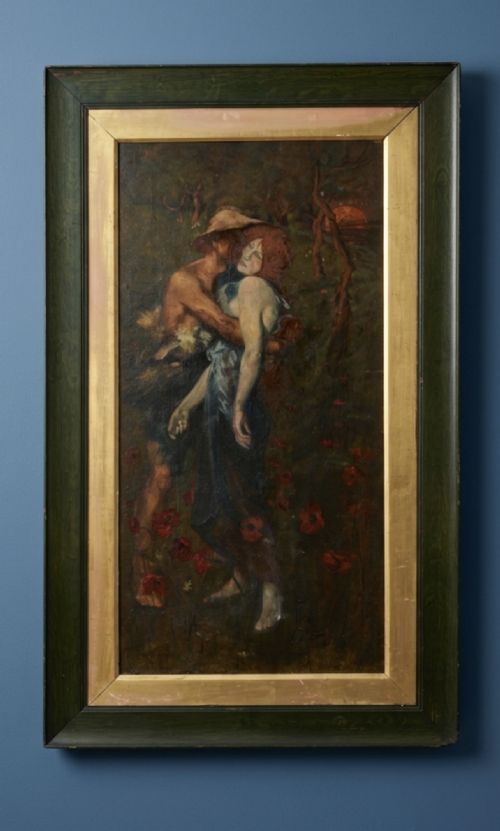
Dark framed antique prints bring centuries of graphic art, portraiture, and botanical illustration to the wall within period timber enclosures.
Dark Framed Prints
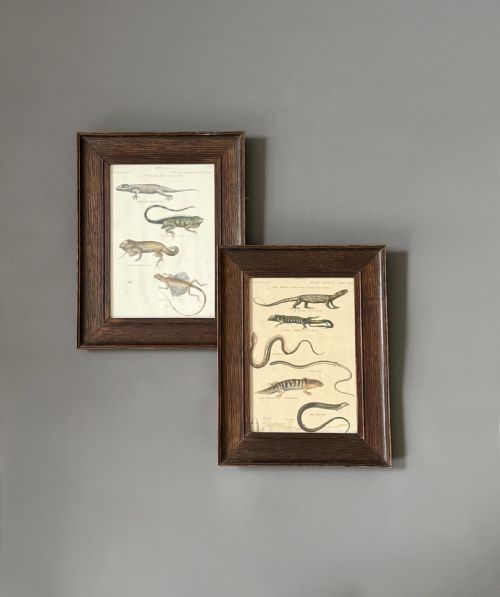
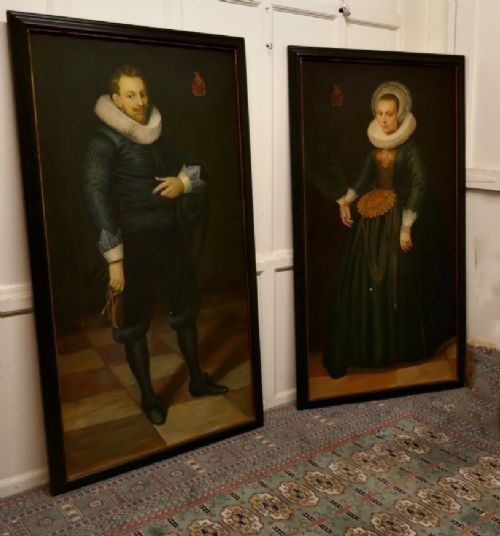
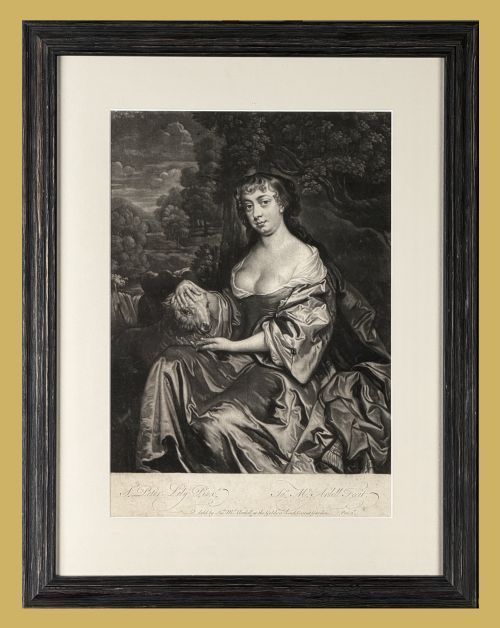
When searching for dark framed antique prints, buyers encounter a diverse selection of works spanning the eighteenth, nineteenth, and early twentieth centuries. These pieces encompass engraved portraits, aquatints, botanical watercolours, and reverse glass prints housed in traditional dark wood surrounds.
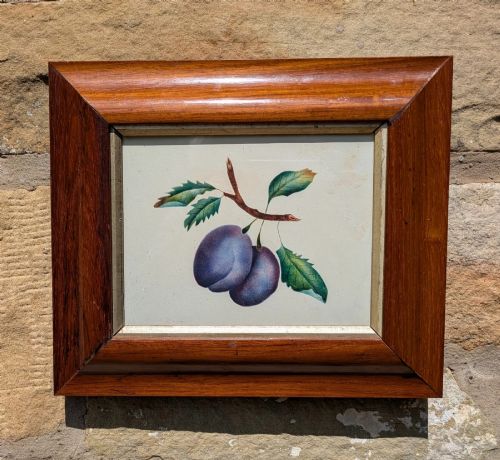
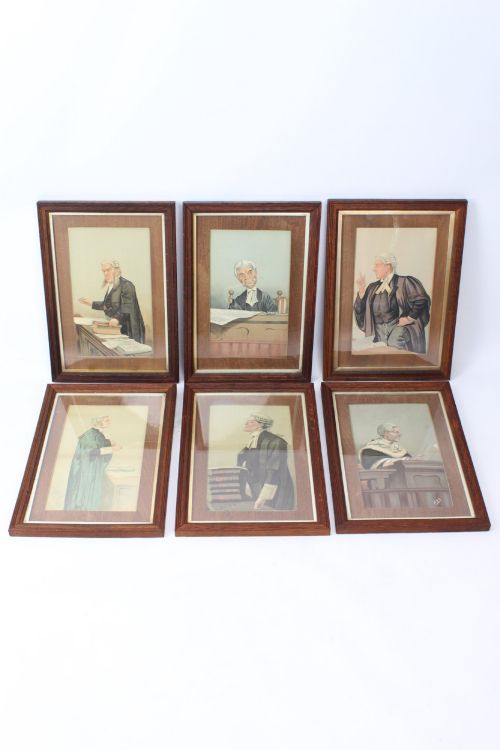
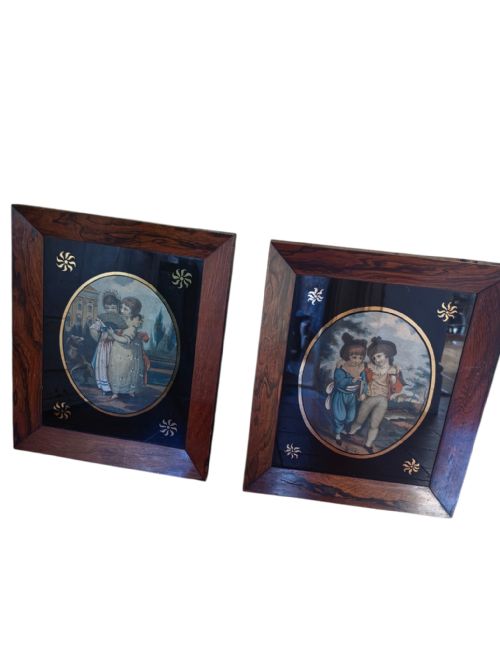
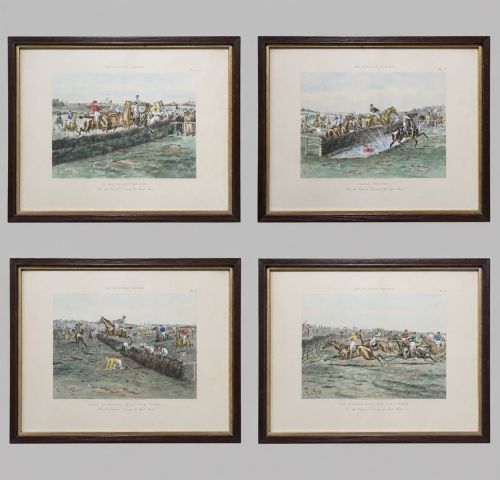
The most common examples on this page feature nineteenth-century engravings and Victorian works set within rosewood, oak, or dark-finished frames. Collectors also find Georgian reverse glass prints and Edwardian sporting sets sharing the same deep-toned moulding.
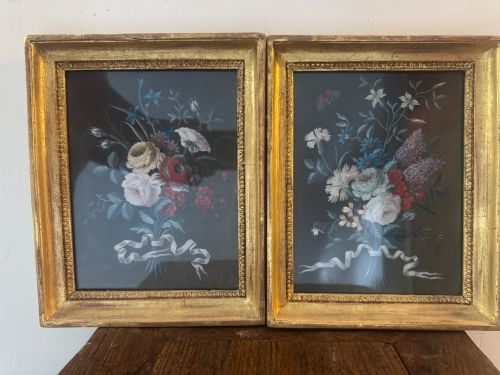
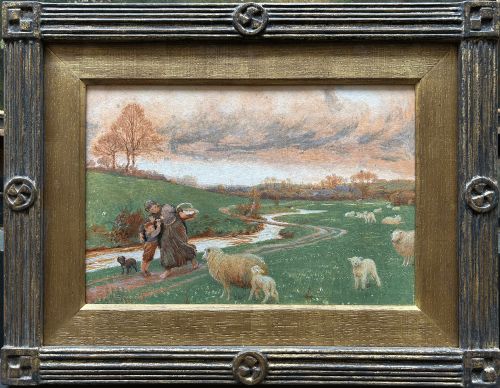
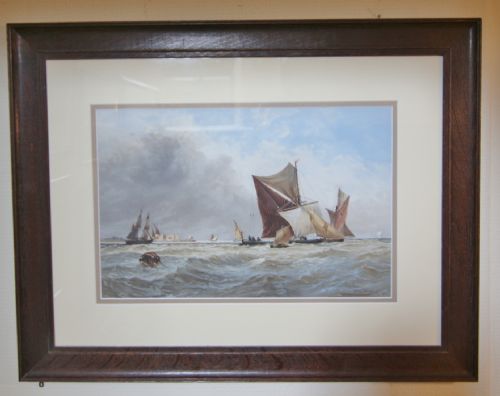
Subjects range from British sporting art and horse racing scenes to classical mythology, marine views, and architectural drawings. Each piece combines historical imagery with the substantial visual weight of a dark period frame.
Materials and Methods
The artworks themselves rely on traditional graphic and painting techniques, utilising ink, watercolour, and gouache on paper, vellum, or glass. Printmakers employed copperplate engraving, mezzotint, etching, and lithography to produce the foundational images.
Enclosing these works are frames fashioned from timber such as oak and rosewood, frequently accented with gold leaf or gilding. Reverse glass prints integrate the imagery directly onto the glass substrate, often paired with dark supportive backing.
Listings feature paper, glass, wood, gold leaf, ink, oak, watercolour, and gilded wood across Georgian, Victorian, and Edwardian periods.
Distinguishing Quality
Quality in these works is determined by the clarity of the impression, the skill of the original draughtsman or engraver, and the preservation of the paper or glass surface. Early impressions pulled from fresh plates display sharper lines and finer tonal gradations than later copies.
The integrity and originality of the surrounding frame also influence the piece, with period rosewood or oak mouldings retaining their original finish offering greater interest to collectors than later replacements.
William Bird MD FLS·James Macardell·Sir Peter Lely·William Hogarth·George Finch Mason·TB Hardy·Herbert Dicksee·J. C. Dollman·Edwin Henry Landseer·van Dyck·Titian·David Roberts RA·Louis Haghe·Gilray·Simon Pietersz Verelst·Thomas G Appleton·W. Collard·Abraham Cooper·Simon François Ravenet·W. Bishop
The Dark Framed Prints Glossary
- Engraving
- A printmaking technique where an artist cuts lines directly into a metal plate with a burin. This method produces crisp, enduring lines visible across many historical prints.
- Mezzotint
- A tonal printmaking process that allows for rich darks and subtle gradations of light. It gained popularity for reproducing portraits and paintings.
- Reverse Glass Print
- An image painted or printed directly onto the reverse side of a glass sheet to be viewed from the front. This technique creates a glossy surface finish particular to Georgian and Regency pieces.
- Aquatint
- An intaglio printmaking technique that produces areas of tone resembling watercolour washes. It frequently appears in nineteenth-century sporting and topographical art.
- Vellum
- A fine parchment prepared from calfskin used as a durable writing and drawing surface. Etchings pulled on this material offer a distinct tactile quality.
Dark Framed Prints: Frequently Asked Questions
What periods do these framed pieces cover?
The selection includes works from the seventeenth, eighteenth, nineteenth, and early twentieth centuries. Georgian, Victorian, and Edwardian eras are particularly well represented.
Buyers will also find pieces originating in the Regency period alongside eighteenth-century French and British productions.
How should I hang dark framed prints?
These pieces suit traditional interiors, libraries, and studies where dark wood furniture predominates. The heavy frames create a strong focal point on neutral walls.
Ensure placement avoids direct sunlight to protect antique paper, watercolours, and ink from fading over time.
Are the frames original to the art?
Many listings specify original or period frames, such as rosewood or oak surrounds dating from the nineteenth century. These housings complement the era of the print.
Buyers should examine individual descriptions to confirm whether a frame is period-correct or a later replacement.