


Antique Engraved Prints
Antique engraved prints capture centuries of portraiture, cartography and natural history on paper using ink and copper plates.
Antique Engraved Prints
Antique engraved prints encompass works produced from the seventeenth century through the mid-twentieth century, capturing subjects from formal portraiture and topographical maps to anatomical studies and ornithology. These pieces bridge historical documentation and domestic display, often preserving compositions by prominent painters through the medium of printmaking.
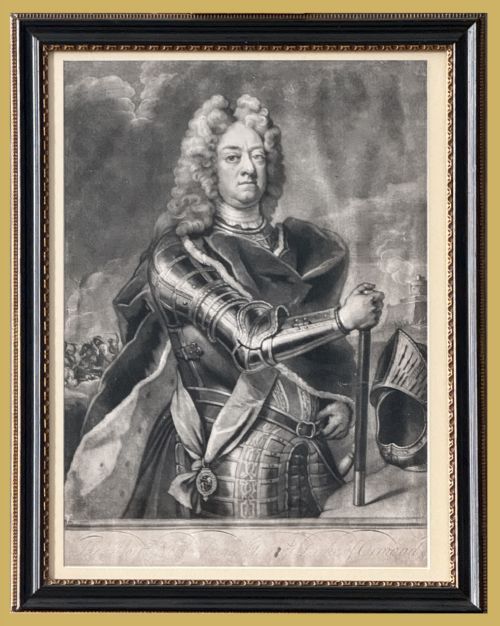
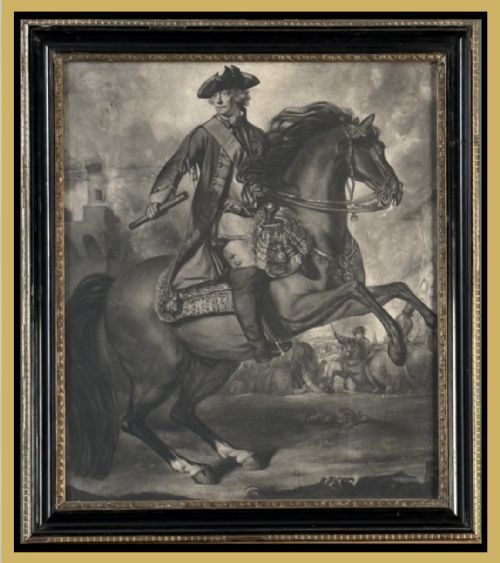
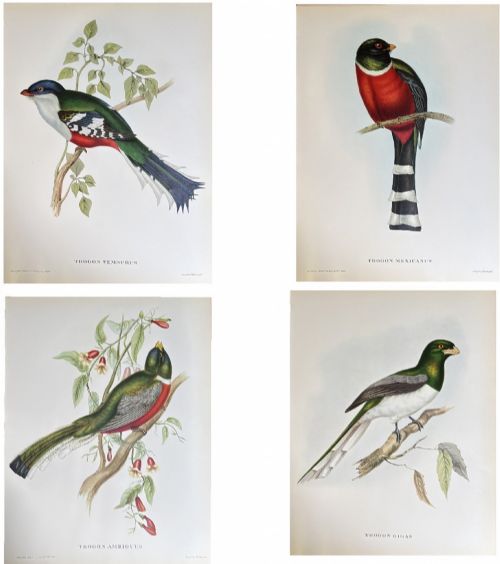
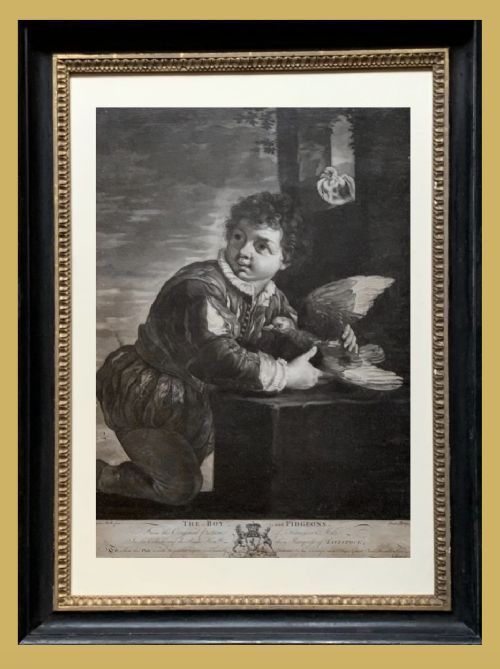
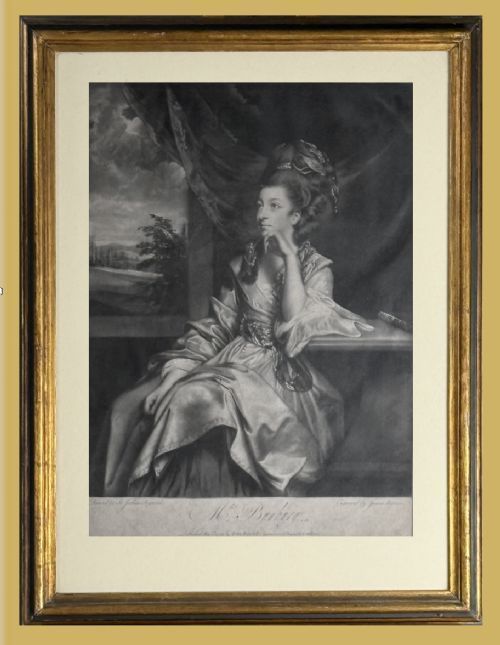
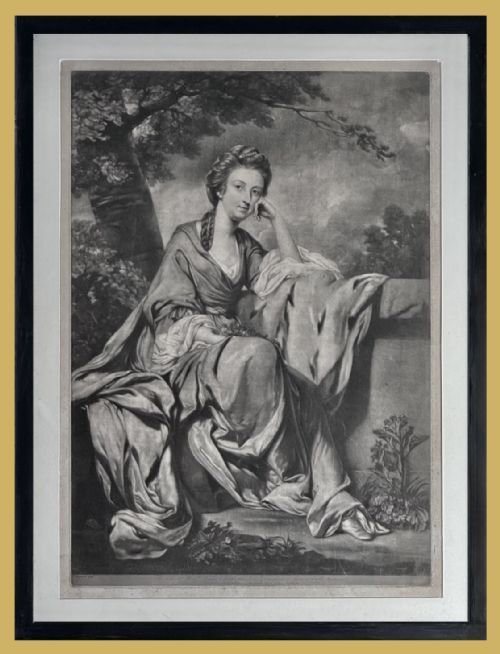
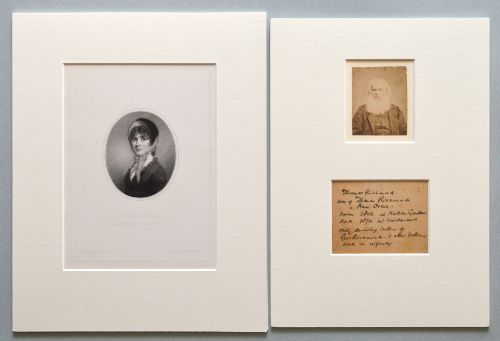
The version most commonly encountered on this page is the eighteenth-century mezzotint portrait, typically depicting nobility or historical figures after artists such as Sir Joshua Reynolds. Alongside these portraits, buyers frequently find hand-coloured botanical and bird plates, architectural engravings, and regional maps housed in period frames of oak or giltwood.
How They Were Made
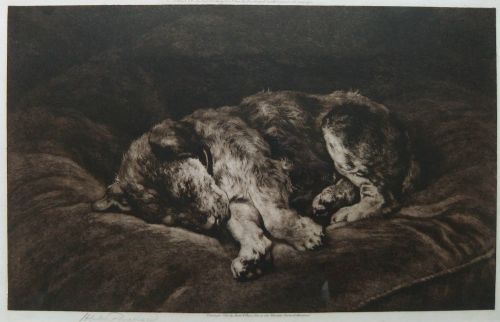
The production of these works relied on paper sheets impressed with dark ink from metal plates, utilising techniques such as engraving, etching, stipple, and mezzotint to achieve tonal depth and fine lines. Mezzotints required the copper plate to be roughened uniformly to hold ink for rich dark areas, while lighter tones were scraped away to create subtle gradients.
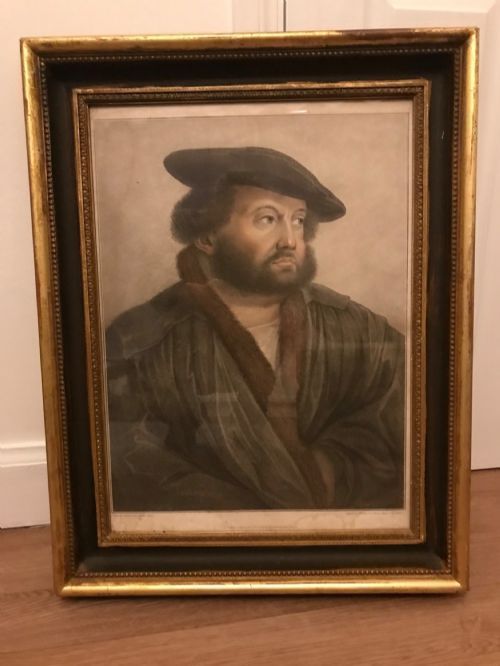
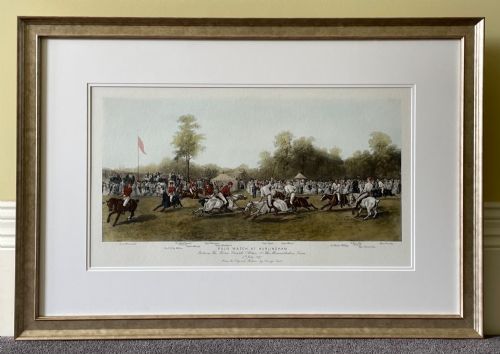
Many prints received additional visual character through manual application of watercolours directly onto the paper sheet shortly after printing. Framing materials included traditional woods like oak and gilded mouldings, occasionally complemented by protective glass layers or reverse glass painting techniques.
Framing materials recorded across the inventory include oak, giltwood, and traditional glass protection.
What Varies in Quality
The clarity of the impression on the paper surface separates superior examples from worn printings, as metal plates degraded gradually over repeated use. Early impressions show crisp plate marks and sharp delineation in the finer engraved lines, whereas later printings often present softened details and muddy tonal transitions.
The presence and precision of original hand colouring further influence the calibre of a piece, alongside the preservation of good margins around the printed image. Surviving historical frames, particularly period giltwood or Hogarth examples, add authenticity to the overall presentation.
John Smith·James Watson·Edward Fisher·Francesco Bartolozzi
The Antique Engraved Prints Glossary
- Mezzotint
- A printmaking process where the copper plate is roughened to produce dark tones, allowing smooth gradations of light and shade to be scraped into the surface.
- Stipple engraving
- A method of producing images using a dense pattern of dots rather than continuous lines, frequently employed for delicate flesh tones in portraits.
- Plate mark
- The indented impression left on the paper by the outer edges of the metal plate under the high pressure of the printing press.
- Drypoint
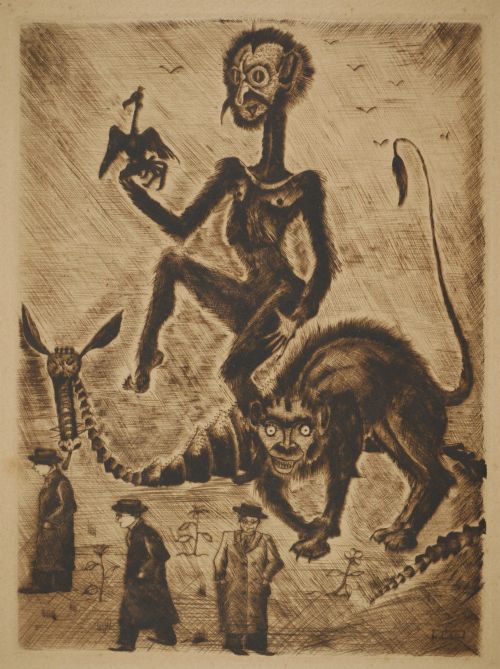
- A sharp needle is scratched directly into a metal plate, raising a burr of metal that holds ink to create velvety, rich lines.
Antique Engraved Prints: Frequently Asked Questions
How do I care for antique engraved prints?
Keep these paper works away from direct sunlight to prevent fading of both the ink and any applied hand colouring. Maintain stable indoor humidity levels to protect both the historic paper and its framing.
Ensure backing materials are acid-free if framing is updated, and use glass that offers ultraviolet protection to preserve the integrity of the print over time.
What is the difference between an engraving and a mezzotint?
An engraving uses sharp burins to cut direct lines into a metal plate, resulting in precise and structural imagery. A mezzotint builds up tonal areas from dark to light, creating soft and painterly shadows.
Mezzotints were especially popular for translating oil paintings into print form during the seventeenth and eighteenth centuries.
How can I tell the age of a print?
Examine the characteristics of the paper stock, which often shows chain lines and watermarks in pre-nineteenth-century sheets. Typographic styles in the lower margin lettering and the historical context of the sitter or subject also provide chronological clues.
Comparing the plate technique to established periods helps narrow down the decade of production.
Are these prints original to their stated period?
The listings comprise works printed during the era indicated, rather than modern facsimile reproductions. Original printings bear the physical characteristics of period press work, including ink absorption and plate indentation.
Documentation within the title usually references the primary artist and the contemporary engraver responsible for the plate.