

Victorian Botanical Artwork
Victorian botanical artwork captures the meticulous observation of nature through delicate watercolours, oils, and detailed prints.
Victorian Botanical Artwork
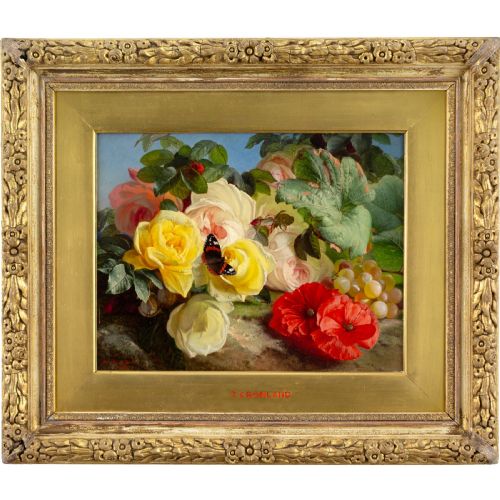
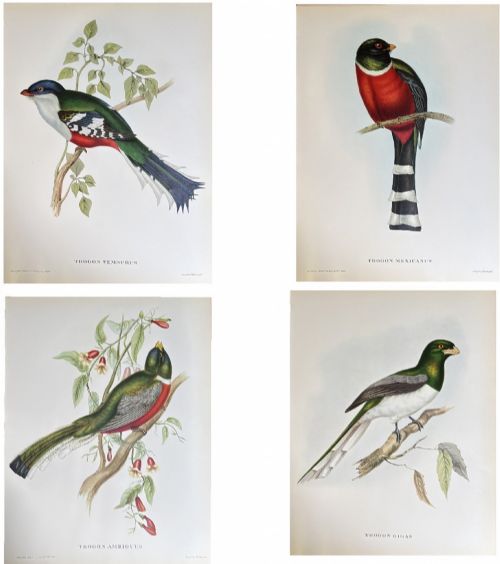
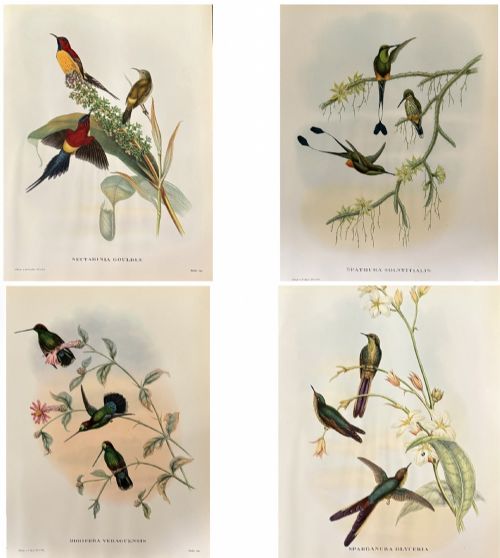
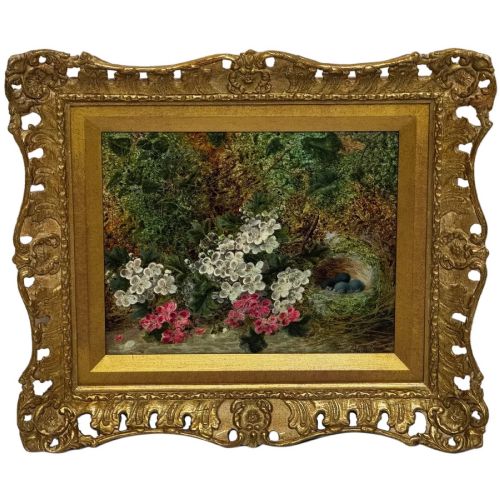
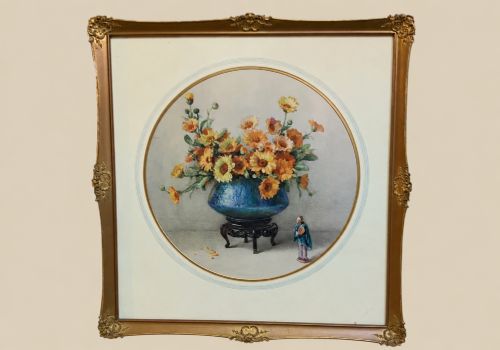
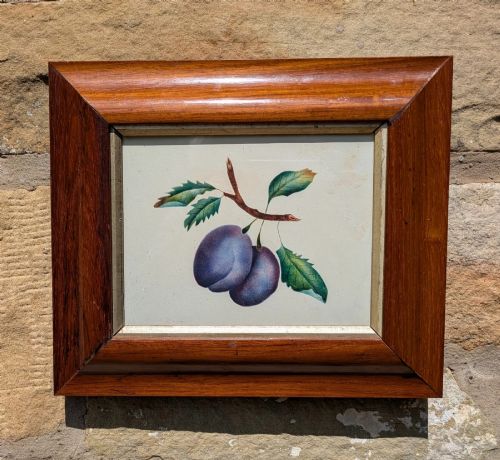
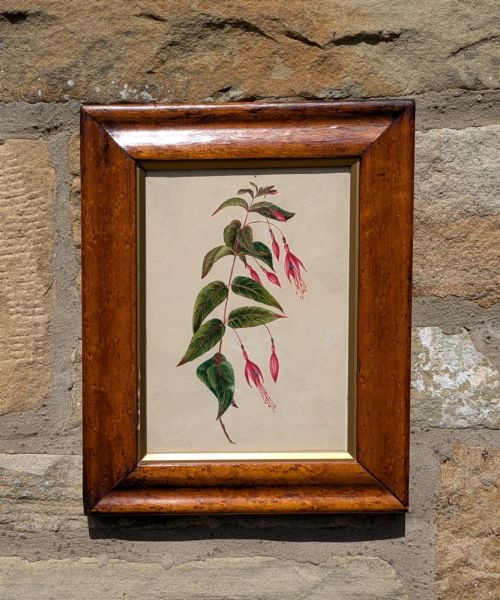
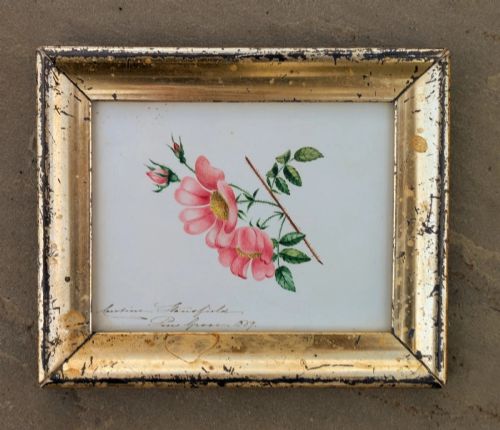
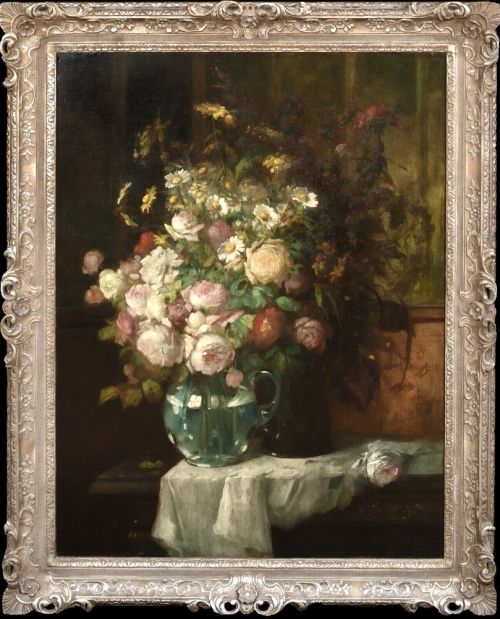
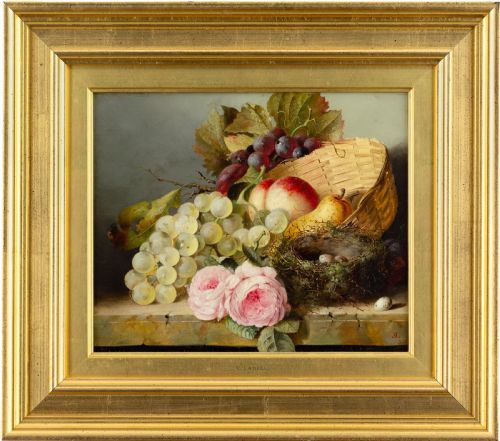
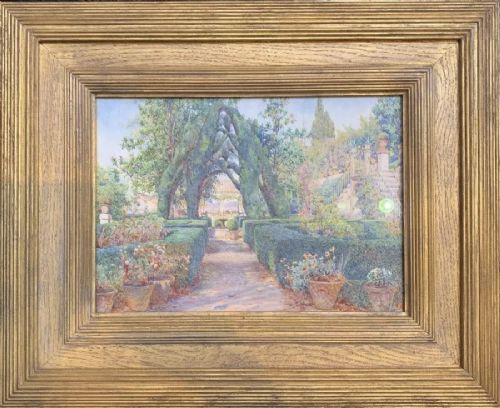
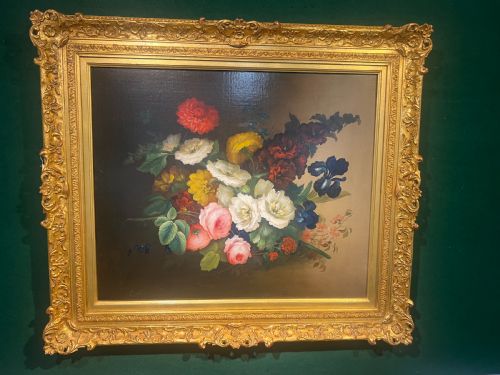
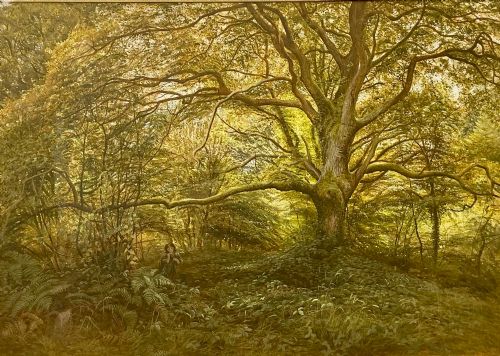
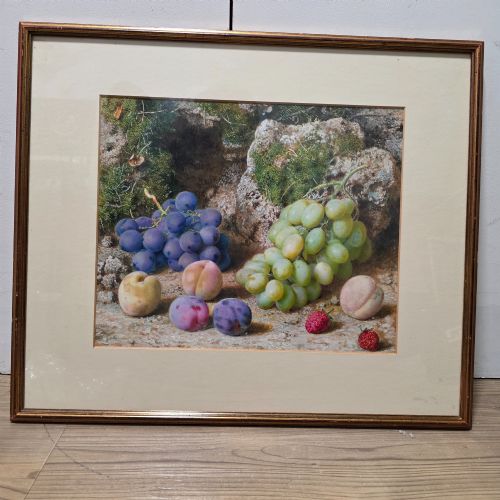
Victorian botanical artwork encompasses delicate watercolours, detailed oil paintings on canvas, framed prints, and embroidered panels celebrating flora and fauna. These pieces range from careful studies of garden blossoms like roses, fuschias, and pansies to broader naturalistic scenes featuring nests, fruit, and insects.
The selections on this page span the nineteenth century into the early twentieth century, reflecting a period of intense fascination with natural history and horticulture. Buyers will frequently encounter framed watercolours depicting single plant varieties alongside oil paintings of floral still lifes rendered in realistic and impressionist styles.
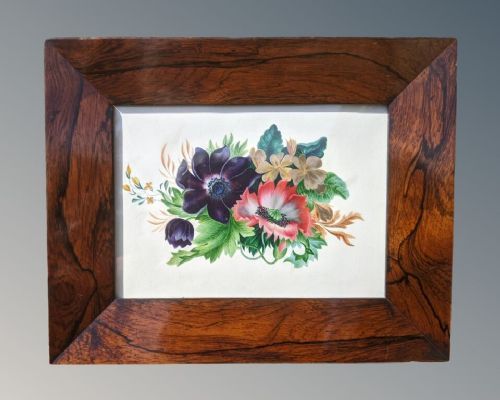
Originating predominantly from British and European studios, these works showcase the artistic interpretation of botanical subjects by named painters and anonymous hands alike. The formats vary from intimate watercolour studies housed in rosewood frames to larger oil paintings set within ornate period frames.
How they were made
Makers applied watercolour or oil paint to prepared paper or canvas surfaces, often employing fine brushes to achieve botanical accuracy in petal structures and foliage. Many of these works utilise glass for protection and are mounted in wooden frames, sometimes accented with gilt work.
The physical construction of these pieces relies on traditional framing techniques using wood such as rosewood or gilded mouldings to complement the painted imagery. Some works incorporate gouache highlights over watercolour bases to create depth in flower petals and bird plumage.
Listings feature works created across the nineteenth and early twentieth centuries, executed in watercolours, oils, engravings, and embroidered panels.
What varies in quality
Quality rests in the precision of the brushwork and the artist's ability to render the natural texture of petals, leaves, and accompanying fauna with anatomical conviction. Superior examples demonstrate a careful balance of composition and light, capturing the transient qualities of blooms before they fade.
The distinction between standard decorative pieces and finer works also lies in the integrity of the original framing, the preservation of the paper or canvas, and the strength of the provenance associated with known nineteenth-century painters.
Theude Grönland·Oliver Clare·Konstantin Stoitzner·Edward Ladell·Ernest Arthur Rowe·Edwin Steele·Catherine Thomas·Bonomi Edward Warren·John Sherrin·Alice Anne Renshaw·Gertrude Hayes·Harry Wanless·Henrietta Creswell·William Duffield·Lester Sutcliffe·Vincent Clare·William Andrews Nesfield·William Hough·Eloise Harriet Stannard·Edith Barrow·Grace Hastie·Marian Chase·Alfred W. Parsons·Jabez Bligh·Charlotte Isa James
The Victorian Botanical Artwork Glossary
- Watercolour
- A painting method in which the paints are made of pigments suspended in a water-based solution. This medium allows for translucent washes that mimic the delicate nature of flower petals.
- Oil on canvas
- A traditional painting technique utilising pigments mixed with drying oil applied to a stretched woven fabric support. This medium permits rich colour depth and textured impasto work.
- Gouache
- An opaque water-based paint type that includes a white pigment added to watercolour to create heavier, solid highlights. Artists used this to give luminous opacity to floral illustrations.
- Framed print
- A mechanical or hand-pulled reproduction of an original artwork placed behind glass within a protective border. These allowed popular botanical subjects to reach domestic interiors widely.
- Botanical naturalism
- An artistic approach focusing on the lifelike and scientifically accurate portrayal of plants in their natural habitats. This style dominated nineteenth-century illustration and painting.
Victorian Botanical Artwork: Frequently Asked Questions
What defines Victorian botanical artwork?
These pieces combine artistic representation with scientific observation, focusing on accurate depictions of flowers, fruit, and birds. They reflect the nineteenth-century obsession with natural history, gardening, and classification.
Most examples use watercolour or oil paint on paper or canvas, capturing specific plant species with careful attention to colour gradients and botanical structures.
How should I display these watercolours?
Watercolours are sensitive to bright light and require placement away from direct sunlight to prevent the pigments from fading over time. UV-filtering glass provides an extra layer of protection for fragile paper works.
Keeping these pieces in rooms with stable humidity levels protects both the paper support and the historical wooden frames from warping or deterioration.
Are these works scientifically accurate?
Many nineteenth-century botanical pieces balance artistic expression with exact observation, often reflecting the era's widespread interest in botany and horticulture. Some works function as detailed illustrations of specific plant species.
Other examples lean further into the still life tradition, arranging flowers aesthetically within bowls, jugs, or wicker baskets alongside fruit and birds' nests.