
Framed Floral Oil Painting
A framed floral oil painting brings centuries of botanical study into a room through pigment and canvas.
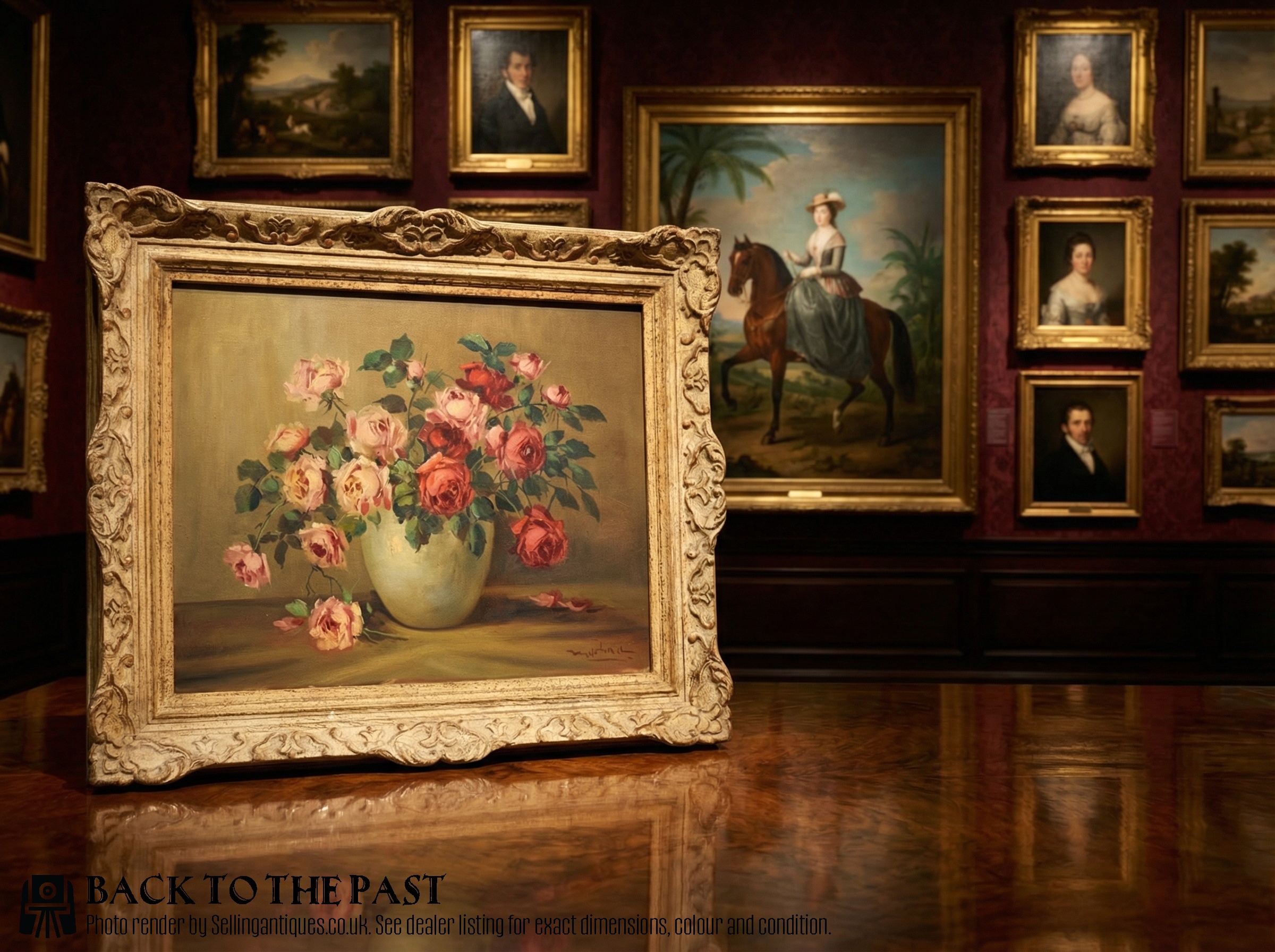
Framed Floral Oil Painting
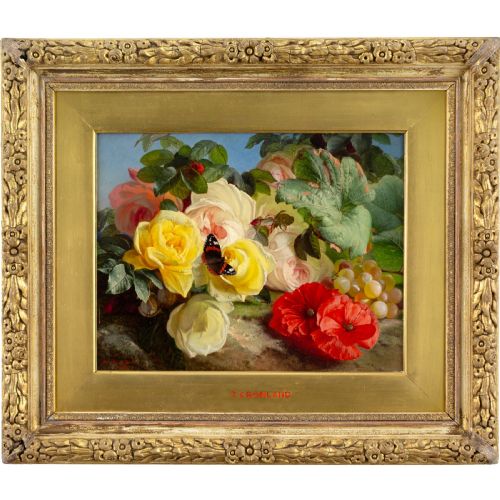
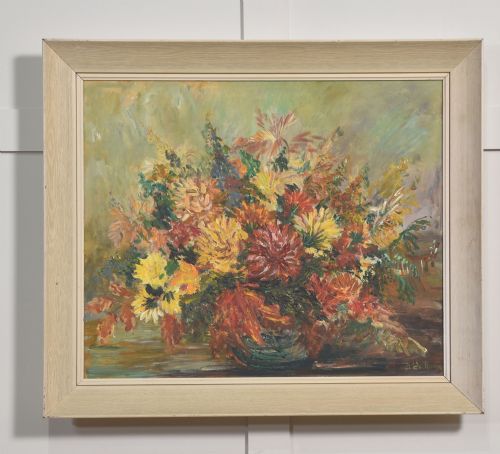
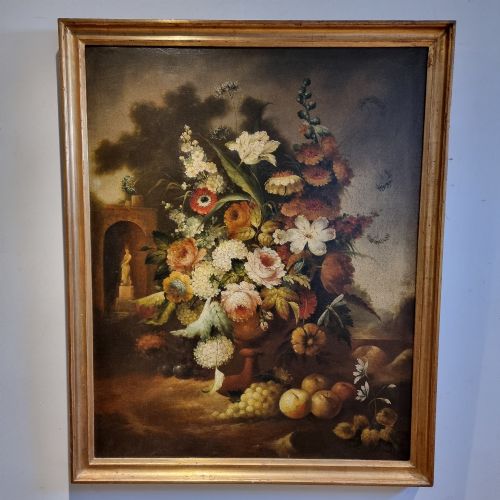
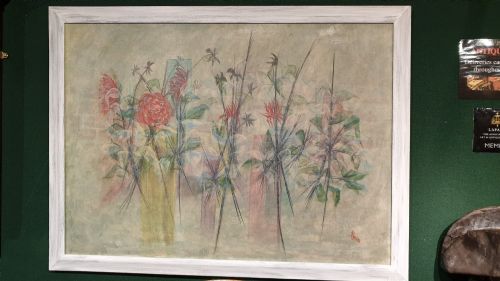
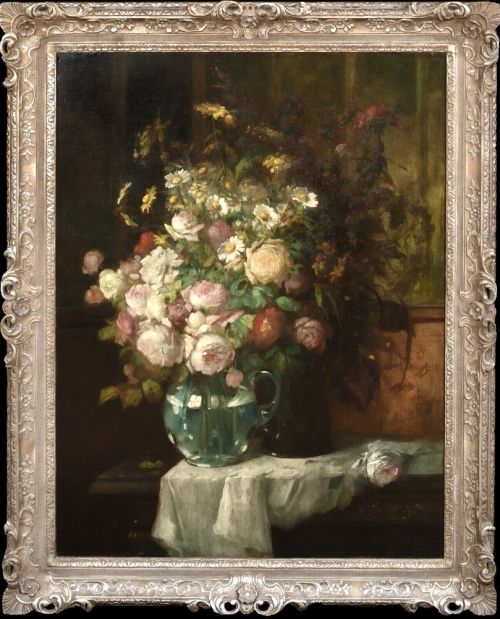
A framed floral oil painting represents botanical subjects rendered in oil paint on canvas, panel, or board, often enclosed in period surrounds. Buyers examine works spanning from the seventeenth century through the mid-twentieth century, encompassing British, Dutch, Belgian, and Austrian schools.
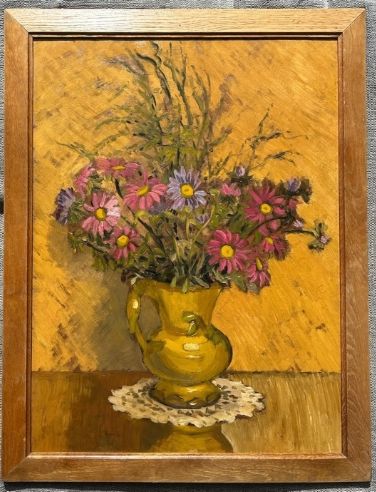
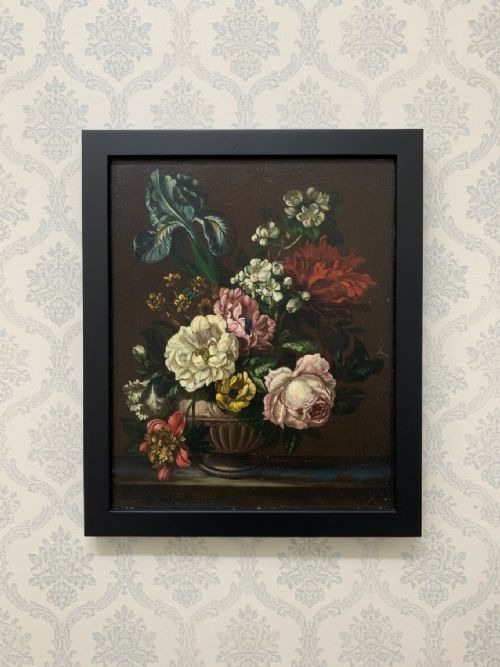
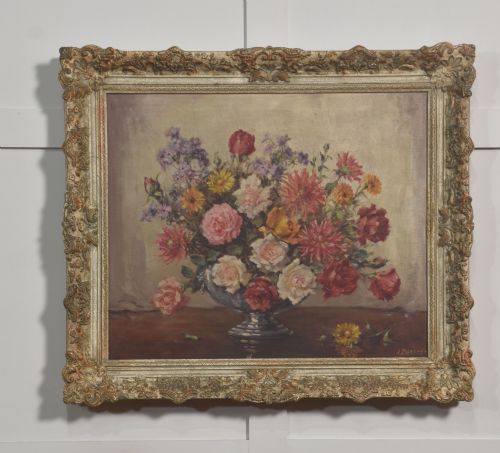
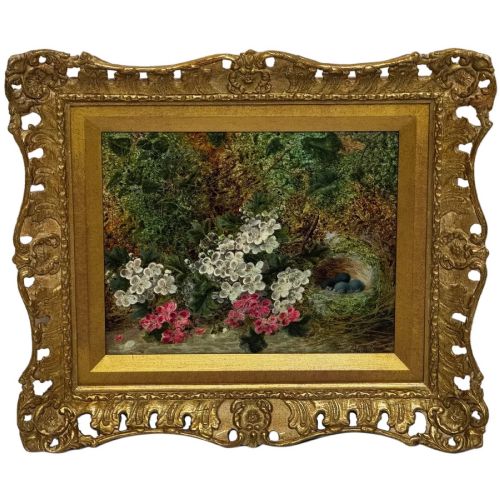
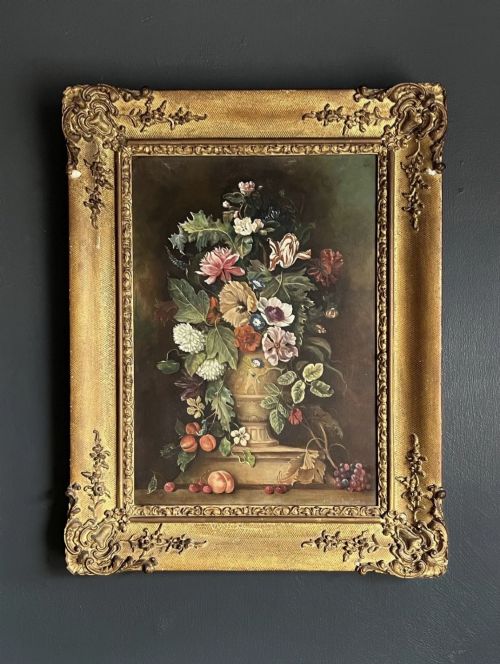
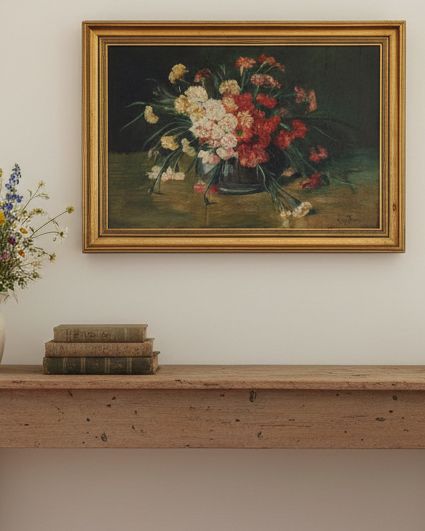
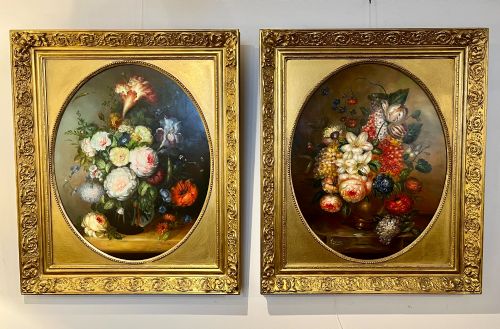
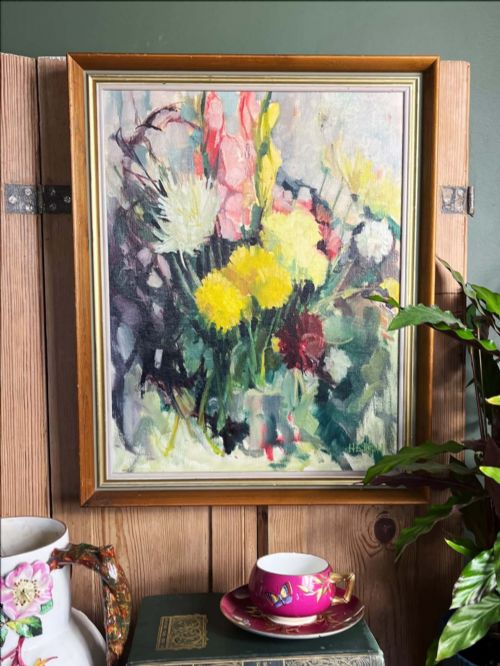
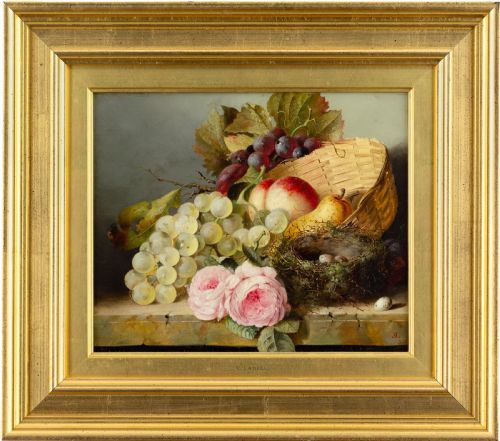
The selection on this page relies heavily on still-life compositions depicting roses, carnations, poppies, and seasonal hedgerow blooms. Mid-century impressionist and Victorian examples appear frequently alongside works styled after the Dutch Golden Age.
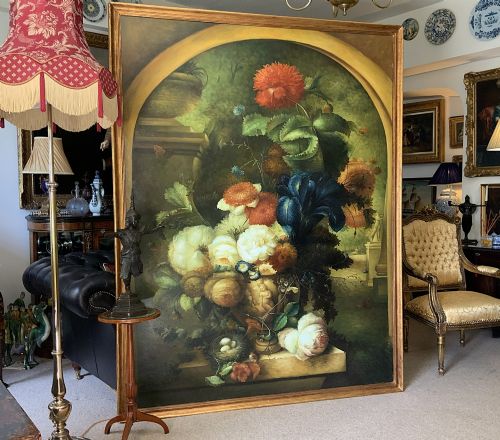
Most entries function as wall art presented in wood frames, frequently enhanced with gilt or gesso enrichment. Scale ranges from intimate cabinet pieces to monumental decorative canvases designed for prominent wall placement.
Materials and construction
Pigments suspended in drying oils were applied to stretched canvas or wooden panels using brushes and palette knives, allowing artists to build rich textures and tonal depth. Supports of wood or board provided rigid foundations for detailed compositions, while canvas offered traditional flexibility for larger formats.
Frames utilised solid wood moulded to various profiles, finished with layers of gesso to create smooth surfaces for gilding. Gold leaf and metallic paint applications completed the enclosure, protecting the edges of the painted support while providing visual contrast to the dark backgrounds common in floral works.
Framed Floral Oil Painting Retail Price Guide 2026
Typical asking prices for framed floral oil painting among the pieces listed under this phrase on Sellingantiques today, from the lower quarter to the upper quarter. They describe what is for sale here now, not the wider market.
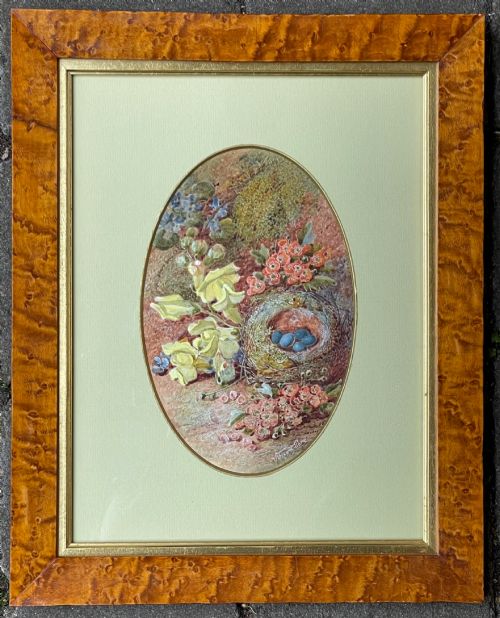
Several floral arrangements cleverly conceal small insects or stray birds nests among the petals to reward close inspection.
Factors determining quality
Technical execution distinguishes standard decorative works from master-level pieces, visible in the handling of light across petals and the naturalistic rendering of botanical forms. The depth of the pigment layering and the preservation of brushwork integrity contribute significantly to the visual weight of a composition.
The relationship between the painting and its frame determines overall preservation and period harmony. Original gilt gesso frames that match the age and style of the canvas elevate the integrity of the piece compared to later replacements.
Theude Grönland·Kenneth Cozens·Oliver Clare·Edward Ladell·Emma Fordyce MacRae·Gaspar Peeter Verbruggen·Edwin Steele·Manuela Bonati·William Thomas Wood·Owen Bowen·Simon Pietersz Verelst·Konstantin Stoitzner
The Framed Floral Oil Painting Glossary
- Gesso
- A plaster-like mixture applied to wood frames to create a smooth surface for gilding. This material was built up in layers and carved or moulded to form decorative relief patterns.
- Gilt
- Covered with a thin layer of gold leaf or metallic paint. This finish catches ambient light and accentuates the outer boundaries of the artwork.
- Oil on panel
- A painting executed on a wooden board rather than woven fabric. Panels prevent the cracking associated with aged canvas tension.
- Impressionism
- A style focused on capturing the visual impression of a moment, paying attention to light and colour rather than fine detail. Artists working in this manner used loose brushstrokes to suggest petals and foliage.
- Still life
- A work depicting inanimate subject matter, typically featuring natural objects such as flowers, fruit, and vessels. These arrangements allowed artists to explore form, colour balance, and texture.
Framed Floral Oil Painting: Frequently Asked Questions
How do I date an oil painting?
Dating relies on examining the stretcher frames, canvas type, pigment composition, and the style of the signature or framing materials. Historical clues within the botanical arrangement or clothing styles in background elements also offer clues.
Comparison with documented works by known schools or artists helps narrow the decade of creation. Experts also inspect the nails or screws used to secure the canvas to the wooden frame.
What is Dutch Golden Age style?
This style draws inspiration from seventeenth-century Netherlands traditions, featuring dark, shadowed backgrounds that make brightly lit floral arrangements stand out. Details often include insects, dew drops, and asymmetrical compositions.
Later artists adopted these conventions to evoke historical opulence and precise botanical observation. The palette typically emphasises deep greens, rich reds, and luminous whites.
How should I clean a framed oil painting?
Surface dust should be removed gently using a soft, dry brush without applying pressure to the pigment layer. Moisture and household cleaners must be avoided, as they can damage both the oil paint and the underlying support.
Professional conservators should handle discoloured varnish or embedded grime. Regular inspection of the reverse side ensures the canvas remains properly tensioned within the frame.
Are oil paintings on board durable?
Wooden panels and hardboards provide a rigid support that resists the sagging and puncturing risks associated with stretched canvas. This stability makes them suitable for smaller cabinet paintings and detailed still-life compositions.
Proper environmental conditions prevent the wood from warping or splitting over time. Changes in humidity represent the primary risk to panel integrity.