




Framed Botanical Fine Art
Framed botanical fine art brings nature indoors through detailed watercolours and oils depicting flowers, fruit and garden scenes.
Framed Botanical Fine Art
When searching for framed botanical fine art, buyers encounter a selection of paintings and works on paper focused on flora, gardens and still life subjects. These pieces span the nineteenth century up to mid-century periods, showcasing various British and European artistic movements.
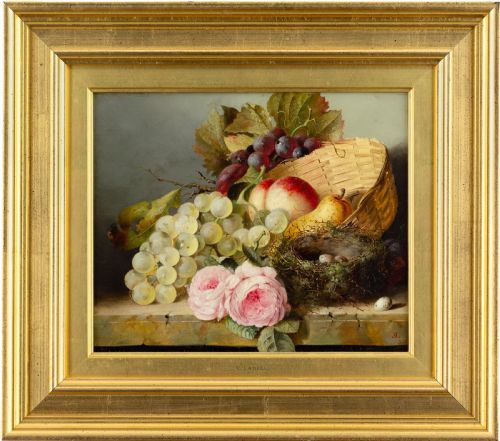
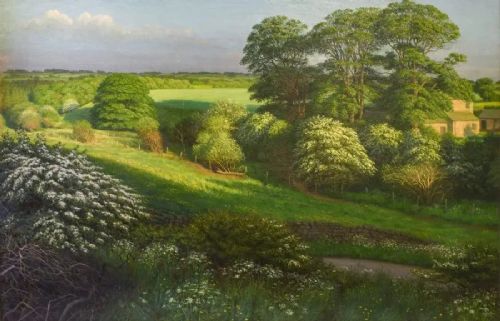
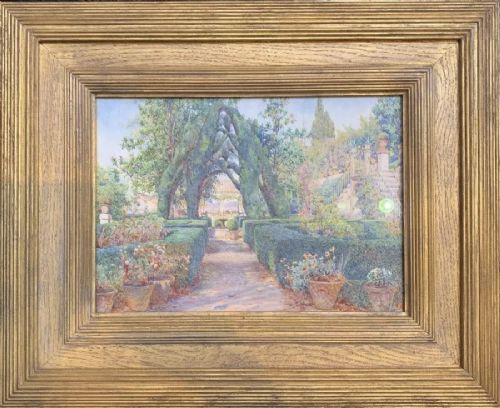
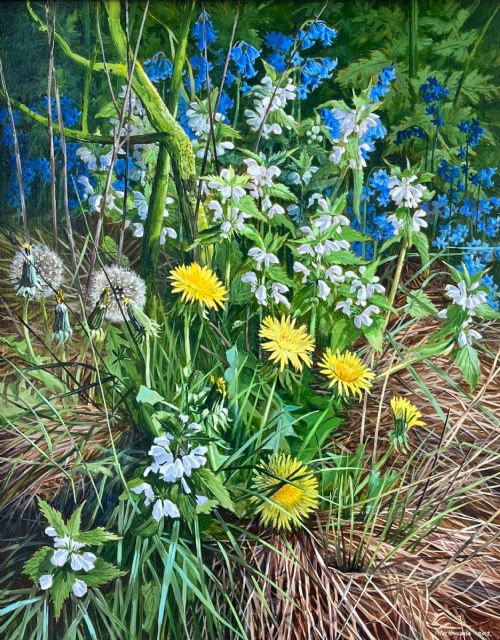
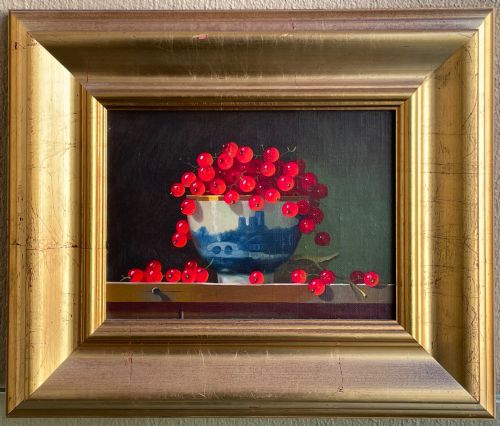
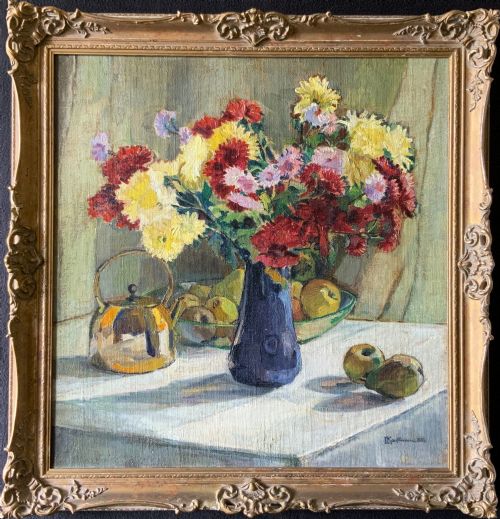
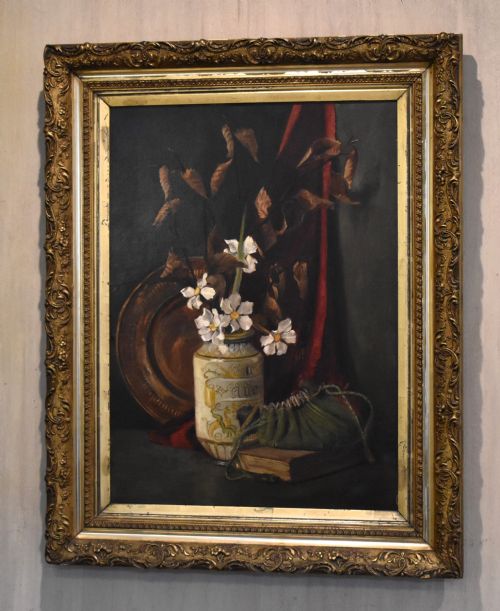
The most common examples on this page include oil paintings and watercolour works depicting flowers, fruit baskets and woodland blossoms. Artists render these subjects through styles ranging from Victorian realism to modernist interpretations.
The selection also incorporates needlework and beadwork pictures featuring floral and animal motifs, alongside traditional canvas works. Originating from distinct periods, these artworks preserve historical depictions of natural subjects within period frames.
Materials and Techniques
Artists create these works using oil paint on canvas or board, alongside delicate watercolour and gouache on paper. Canvases are stretched over wooden supports and paired with giltwood or period frames.
Selected pieces incorporate textile techniques, notably eighteenth-century English needlework and nineteenth-century American beadwork. These textile compositions utilise coloured threads and beads to render botanical and figurative subjects.
The inventory includes nineteenth-century American beadwork and eighteenth-century English needlework alongside traditional painted canvases.
Judging Quality and Execution
The distinction between standard works and finer examples lies in the precision of brushwork and the lifelike rendering of botanical details such as petals, fruit textures and foliage. Masterful tonal control and balanced composition elevate specific oils and watercolours above simpler decorative pieces.
Framing also influences the overall standard, with ornate period frames and original giltwood mounts enhancing the presentation of nineteenth-century canvases. The preservation of the pigment and the integrity of the support material determine the longevity of the artwork.
Edward Ladell·Raymond Booth·Ernest Arthur Rowe·Peter Newcombe·Ian Parker·Alice Anne Renshaw·William Duffield·Beatrice Parsons·Harold Edward Conway·John Sherrin·Cuthbert Edmund Swan·George Lance·WILLIAM B.HOUGH·Owen Bowen
The Framed Botanical Fine Art Glossary
- Watercolour
- A paint consisting of pigment suspended in a water-based solution, typically applied to paper to create translucent botanical illustrations.
- Gouache
- An opaque water-based paint that provides solid colour and dense coverage, frequently combined with watercolour in nineteenth-century floral paintings.
- Still life
- An artwork depicting inanimate subject matter, typically featuring collections of fruit, flowers in vases, or baskets.
- Giltwood
- Wood that has been coated with gold leaf or gold paint, commonly used for ornate antique picture frames.
Framed Botanical Fine Art: Frequently Asked Questions
What periods do these artworks date from?
The pieces span from the eighteenth century through the Victorian era and into the mid-twentieth century. Many date specifically from the nineteenth and early twentieth centuries.
Later works extend past nineteen sixty, reflecting mid-century and contemporary realism styles.
What mediums are used in these works?
Artists employ oil paint on canvas and board, alongside watercolour and gouache on paper. Some pieces utilise textile media including needlework and beadwork.
Wood is the primary material for stretchers and the surrounding decorative frames.
How should I display framed botanical art?
These pieces suit living rooms, studies and hallways, particularly when paired with traditional or period interiors. Hang them away from direct sunlight to preserve watercolours and oil pigments.
Ensure the wall fixings support the weight of the timber frames and glazed panels.