




Glass Vase Floral Artwork
Glass vase floral artwork brings centuries of painted blooms into a room, capturing delicate petals and stems preserved behind glass, canvas or board.
Glass Vase Floral Artwork
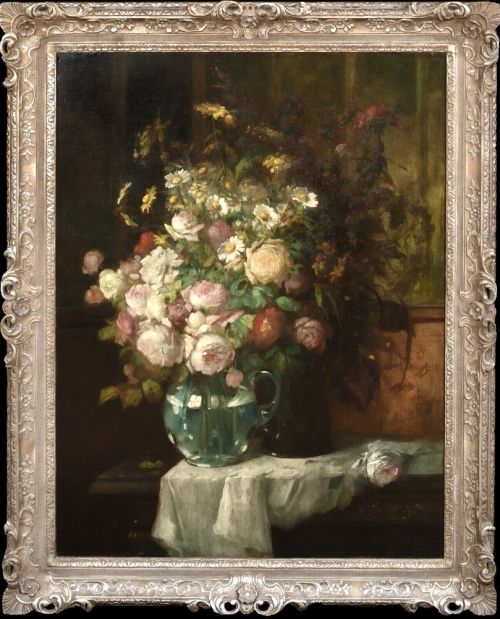
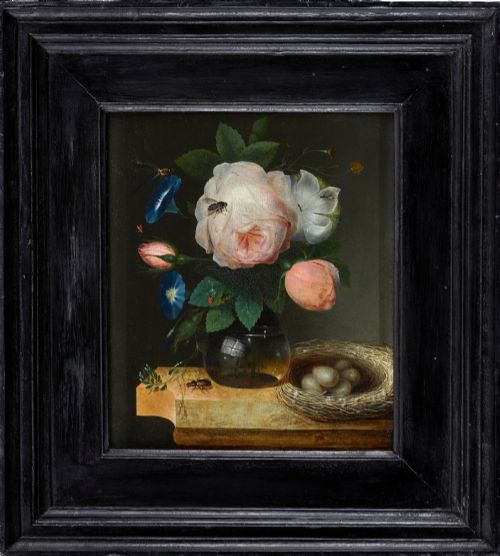
When searching for glass vase floral artwork, collectors encounter a diverse array of framed paintings depicting botanical arrangements. These pieces span from the 17th Century Flemish Baroque period through to mid-century modern interpretations.
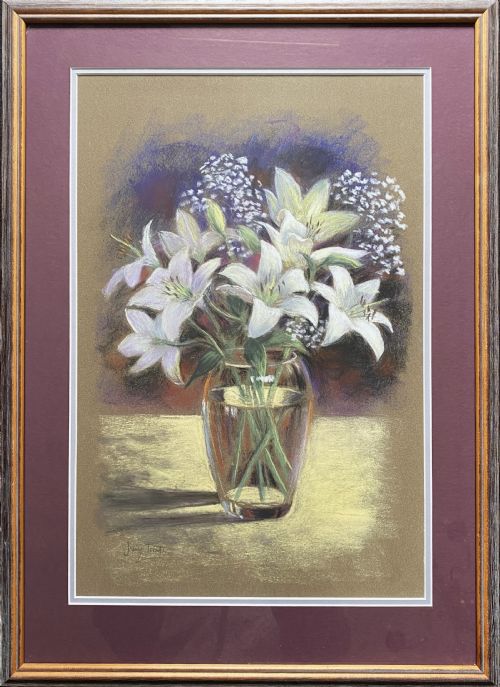
The selection ranges from detailed 19th Century Austrian impressionism to Edwardian realism and mid-century tempera or oil works. Common subjects focus on still life studies featuring roses, chrysanthemums, lilies and summer blooms.
Buyers are most likely to meet mid-century oil paintings and watercolour studies on this page, alongside earlier historical depictions of floral arrangements. Each piece offers a distinct window into how different eras rendered botanical beauty.
How they were made
Artists utilise oil paint, watercolour pigment and tempera applied to canvas, board, paper or gilded wood. These traditional media allow for nuanced rendering of light passing through glass vessels and delicate petal textures.
Works are typically preserved within wooden frames, occasionally complemented by paper backing or protective glass glazing. The choice of ground, whether canvas or board, shapes the final character and longevity of the brushwork.
One mid-century canvas specifically celebrates lily of the valley flowers depicted as a lucky charm from a Franco-British painter.
What varies in quality
Quality rests upon the handling of light, shadow and spatial depth within the glass vessel holding the flowers. Mastery of pigment application distinguishes accomplished works from simpler decorative studies.
The finesse of the brushwork across complex botanical forms and the harmony of the overall composition determine the standing of each piece within its period.
Konstantin Stoitzner·Gaspar Peeter Verbruggen·William Edward Fox·Stuart Armfield·Jennifer Toombs·Owen Bowen·Terence Loudon
The Glass Vase Floral Artwork Glossary
- Still life
- A painting or drawing depicting inanimate subject matter, typically everyday objects such as flowers in a glass vase. This genre allows artists to focus on colour, light and texture.
- Tempera
- A permanent, fast-drying painting medium consisting of coloured pigment mixed with a water-binder agent. It produces a flat, matte surface often seen in mid-century works.
- Impressionism
- A 19th-century art movement characterised by relatively small, thin yet visible brush strokes and an emphasis on accurate depiction of light. It informs many of the Austrian and British pieces here.
- Baroque
- An overly ornate style of European architecture, music, and art of the 17th and 18th centuries. In painting, it brings dramatic lighting and rich detail to floral compositions.
Glass Vase Floral Artwork: Frequently Asked Questions
What periods do these floral artworks cover?
The available selection spans several centuries, starting from the 17th Century and moving through the 19th Century, 1900, 1920, 1930, 1950 and 1960.
Each period brings distinct stylistic approaches, ranging from baroque detail to mid-century impressionism and tempera studies.
What materials are used in these pieces?
Artists employ oil paint, watercolour pigment, tempera and pastel applied to canvas, board, paper and gilded wood.
Many works are completed with traditional framing that complements the period of the painting.
How should I hang and live with these paintings?
These framed artworks suit a variety of interiors, from traditional english country houses to mid-century modern spaces. They add warmth and botanical colour when placed on domestic walls.
Keep them away from direct sunlight and excessive moisture to protect the canvas, board and pigments.
How do I identify the style of a floral painting?
Look at the brushwork, medium and colour palette to gauge the era, such as the visible strokes of impressionism or the matte finish of tempera. The framing and support materials also offer clues to the age of the piece.
Reference the listed period and artistic movement to understand the specific historical context of the artwork.