
Traditional Still Life Painting
A traditional still life painting brings fruit, flora and game into sharp, enduring focus.
Traditional Still Life Painting
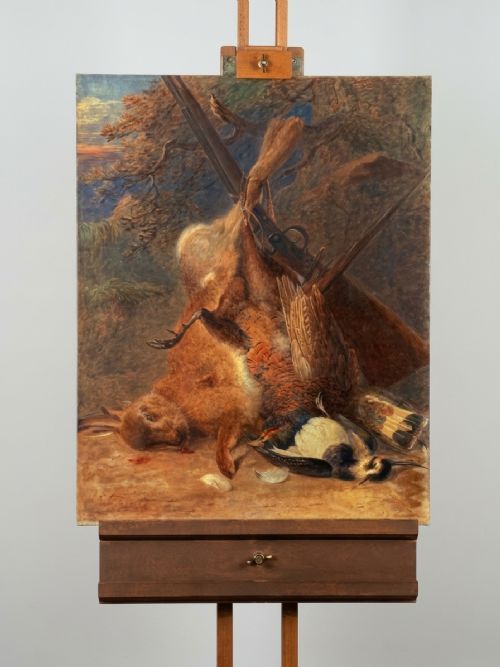
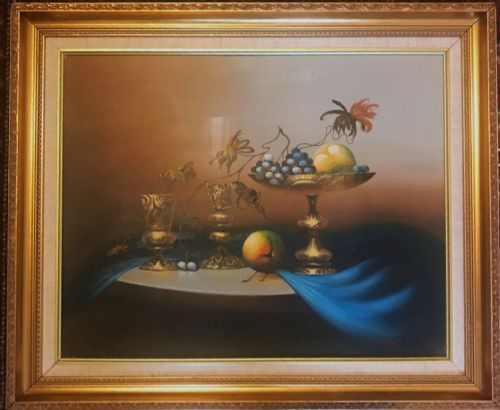
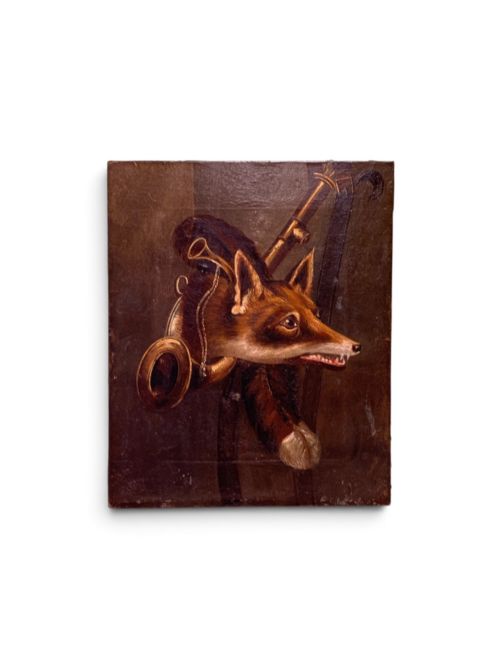
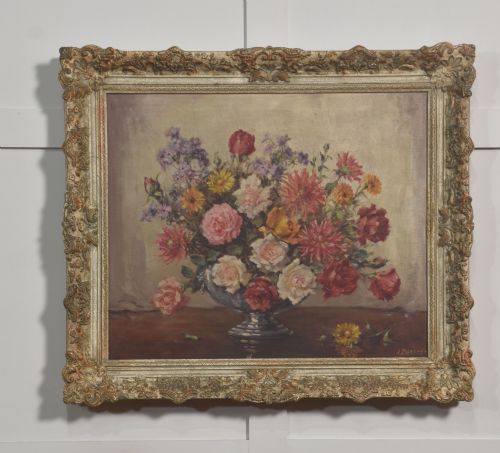
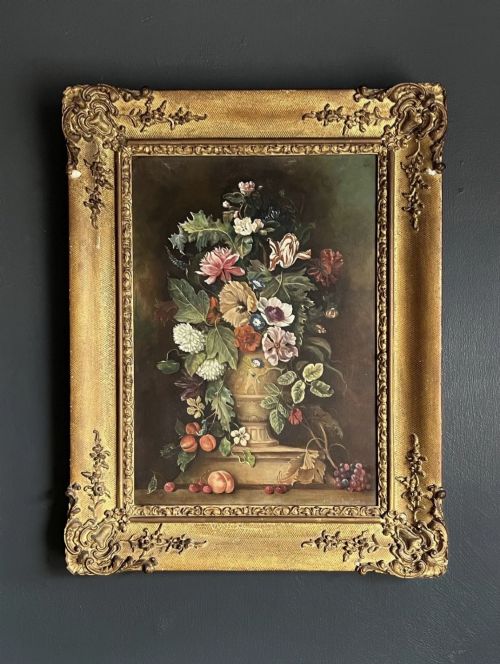
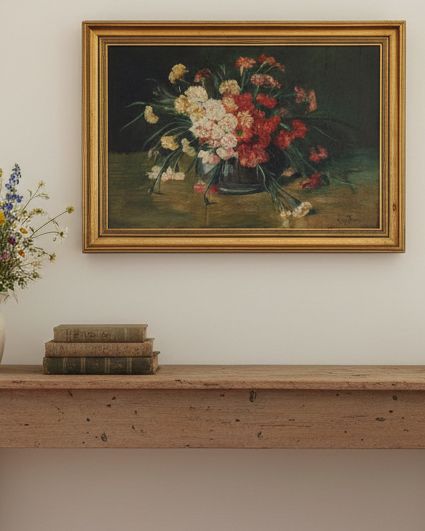
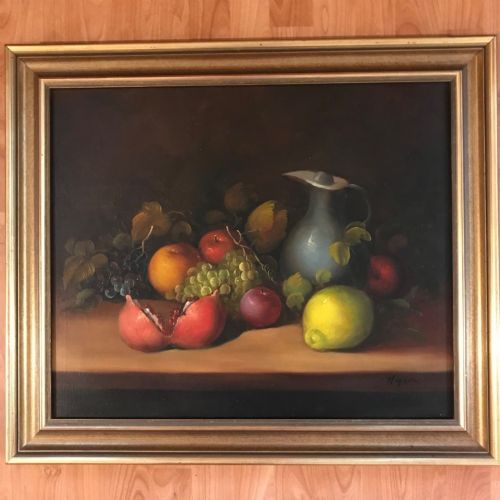
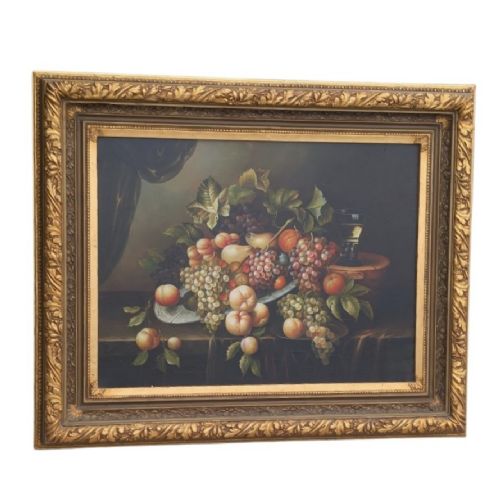
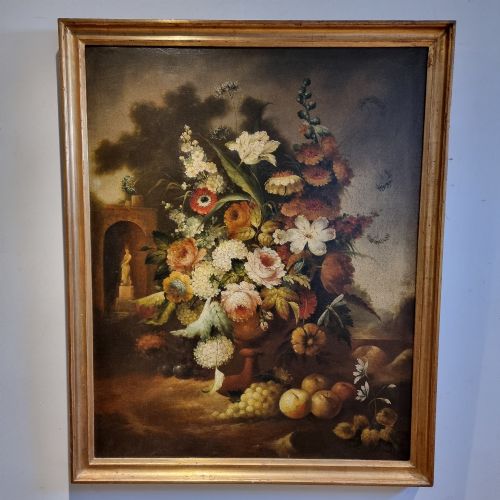
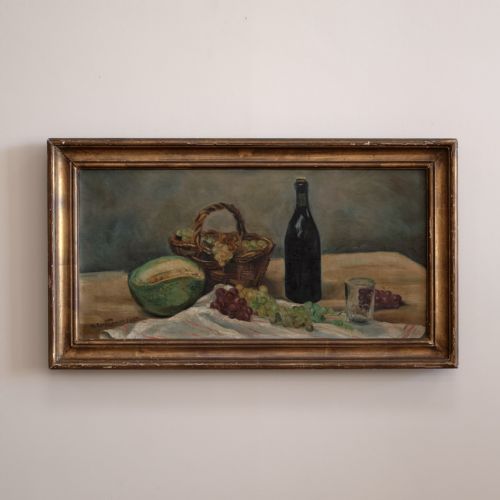
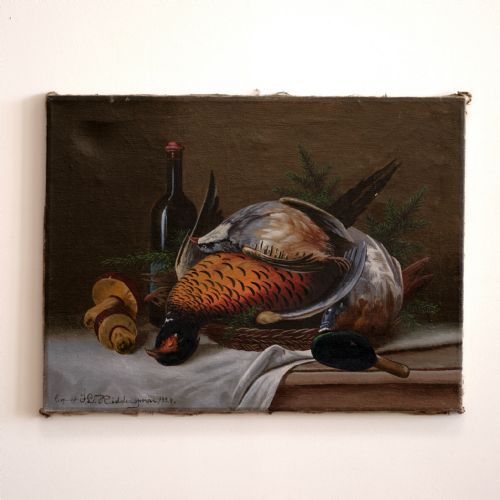
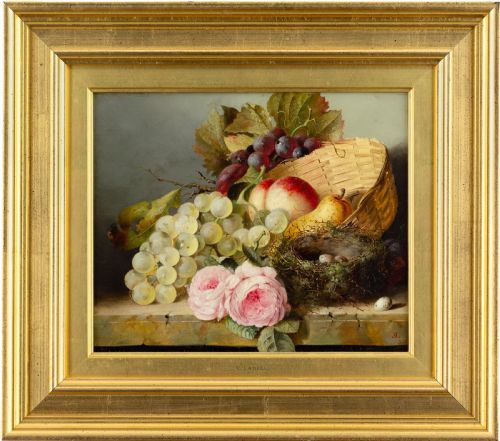
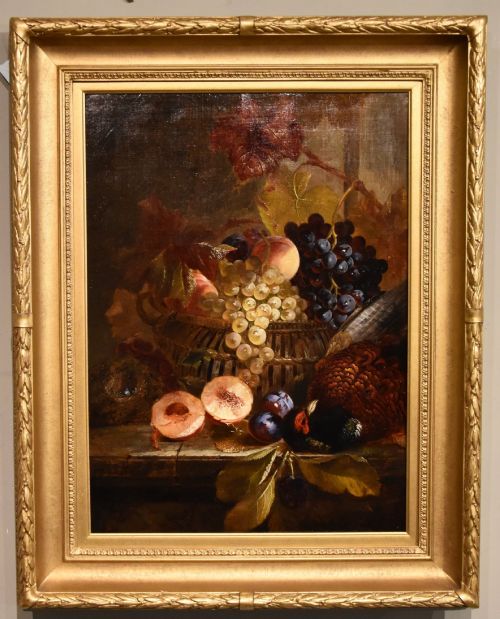
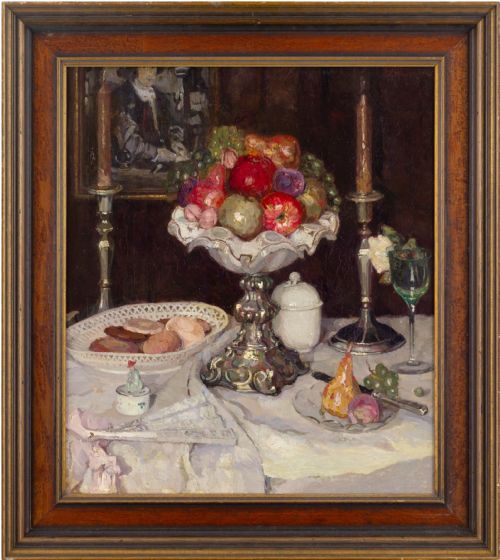
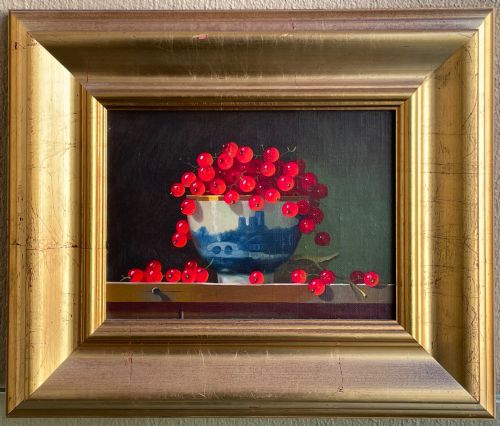
A traditional still life painting captures inanimate subjects such as fruit, flowers, game and household objects arranged in deliberate compositions. When searching this phrase, a buyer encounters works spanning the nineteenth century through the mid-twentieth century, alongside pieces referencing earlier Dutch and Flemish traditions.
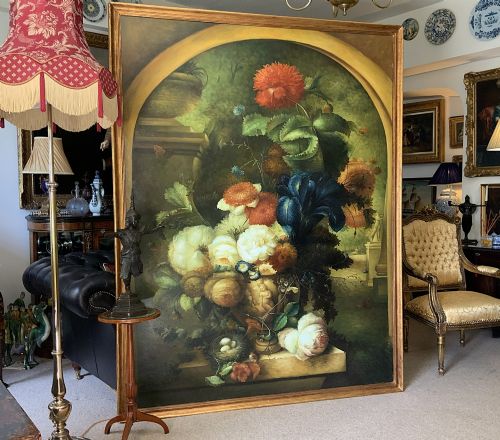
The most common versions met on this page are oil on canvas or wood panel, framed in gilt wood or gesso. Watercolours and prints also appear, alongside larger decorative canvases intended for grand interiors.
Origins vary across British, Dutch, Spanish and wider European schools, reflecting regional approaches to botanical and larder subjects. Dates range from Victorian compositions to early twentieth-century interpretations of classical themes.
Materials and methods
Artists relied primarily on oil paint applied to canvas or wood panels, building up layers to render the textures of fruit skins, delicate petals and feathered game. Watercolours and bodycolour on paper offer a lighter, more immediate medium.
Many of these works are housed in their original or period frames constructed from wood and finished with gesso and gold leaf. These frames range from simple solid wood profiles to elaborate gilded mouldings.
Listings feature works executed in oil on canvas, wood panel, and watercolour, spanning the nineteenth century to the mid-twentieth century.
Judging quality in composition and handling
Quality rests in the precision of the brushwork and the natural arrangement of light and shadow across the subjects. Stronger works demonstrate convincing depth in the depiction of fruit, glassware and foliage, while lesser examples rely on flat application and rigid symmetry.
The integration of the frame with the canvas matters significantly, as original gilt gesso surrounds enhance the integrity of period pieces. The confidence of the signature and the nuance in secondary details like insects, nests or tableware separate routine decorative studies from accomplished studio pieces.
George Sydney Shepherd·Jozsef Molnar·I Berezny·Edward Ladell·William Henry Ward·Else Preubner·Ian Parker·Harold Clayton·Edwin Steele·Manuela Bonati·Arthur Dudley·William Thomas Wood·Frans Snyders·Benjamin Blake·Gertrude Hayes·Evelyn Chester·Owen Bowen·William Edward Fox·Calzolari·William Duffield
The Traditional Still Life Painting Glossary
- Oil on Canvas
- Pigment bound in drying oil applied to a woven fabric support. This remains the primary medium for enduring European easel paintings.
- Gesso
- A plaster-like mixture applied to wood frames to create a smooth surface before gilding. It provides the base for decorative mouldings.
- Bodycolour
- Watercolour mixed with a white pigment to render it opaque. This technique adds solidity and highlights to paper works.
- Wood Panel
- A rigid wooden support used by artists before canvas became dominant. These panels offer a stable ground for detailed brushwork.
- Oleograph
- A mechanical colour lithograph printed on canvas to simulate an oil painting. These reproduction prints emerged in the nineteenth century.
Traditional Still Life Painting: Frequently Asked Questions
How do I date an old still life?
Dating relies on stylistic clues, canvas types and framing materials. Victorian and Edwardian works often feature specific handling of floral arrangements and heavy gilt gesso frames.
Signatures, artist records and stretcher construction provide further confirmation of the period of creation.
What subjects are most common?
Fruit, flowers and larder items dominate these compositions. Apples, grapes, roses and game birds appear frequently across different European schools.
Artists also arranged glassware, baskets and tableware to test their skill in reflecting light and texture.
Are frames usually original?
Many pieces retain their period wooden or gesso frames, though replacements occur over decades of display. Original frames complement the palette and era of the artwork.
Examining the corner joints and backboards helps determine whether the frame has remained with the canvas.
How should I hang a canvas?
Paintings require stable interior walls away from direct sunlight and excessive humidity. Proper picture wire and wall fixings distribute the weight safely.
Maintaining consistent room temperature protects both the canvas and the wooden frame from warping.