
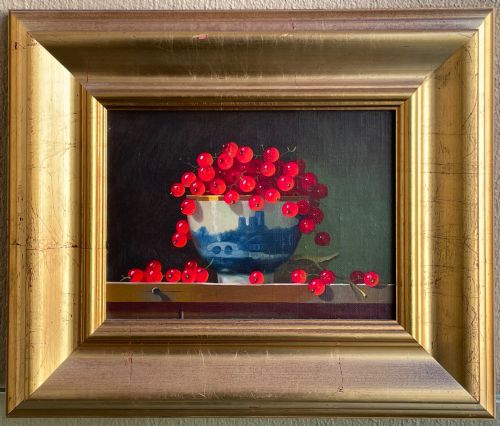
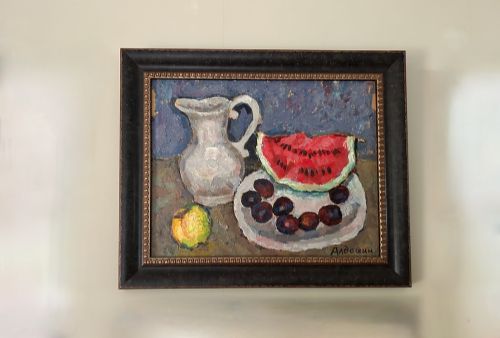
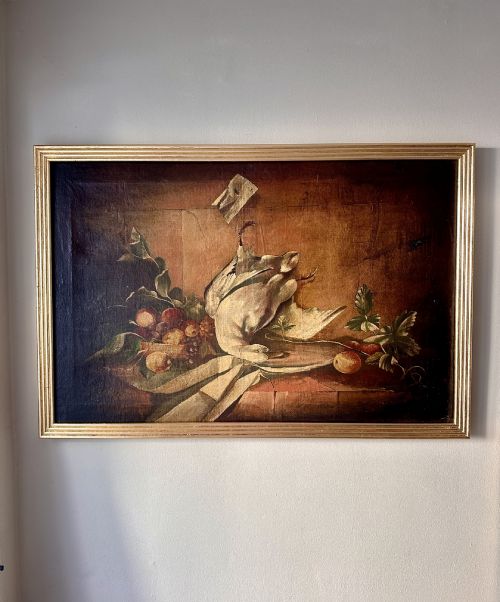
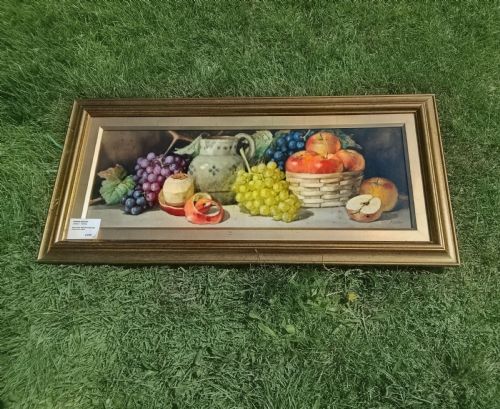
Framed Fruit Painting
Framed fruit painting compositions capture centuries of domestic abundance, bringing the tactile weight of apples, grapes and berries into your rooms.
Framed Fruit Painting
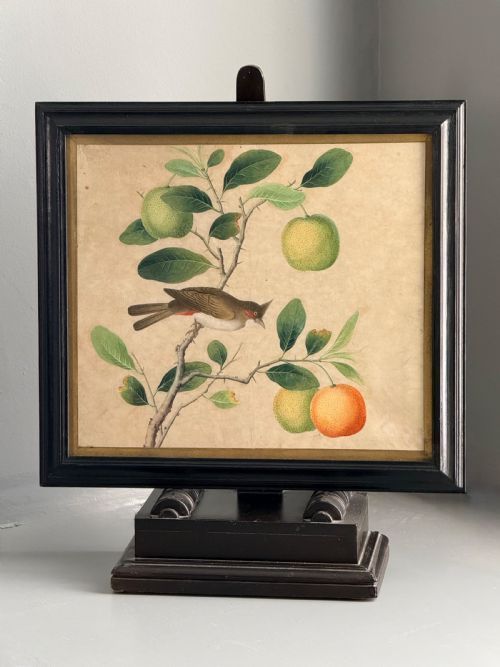
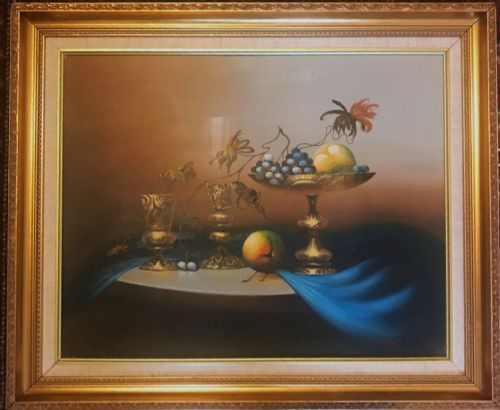
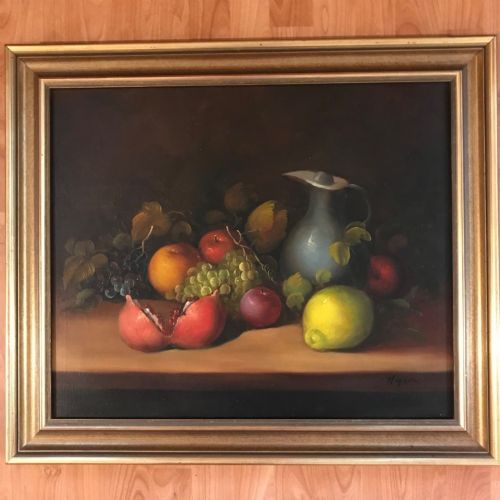
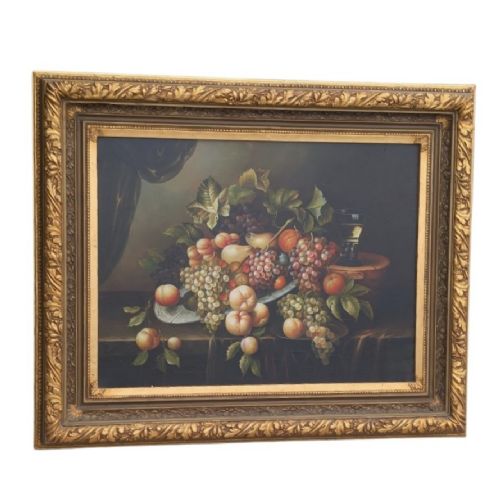
A framed fruit painting brings together centuries of still life traditions, ranging from Dutch-inspired seventeenth-century banquet scenes to brighter twentieth-century interpretations on canvas and wood panel. When you search for framed fruit painting, you encounter works spanning the Georgian, Victorian, Edwardian and mid-century periods, often executed in oil or watercolour.
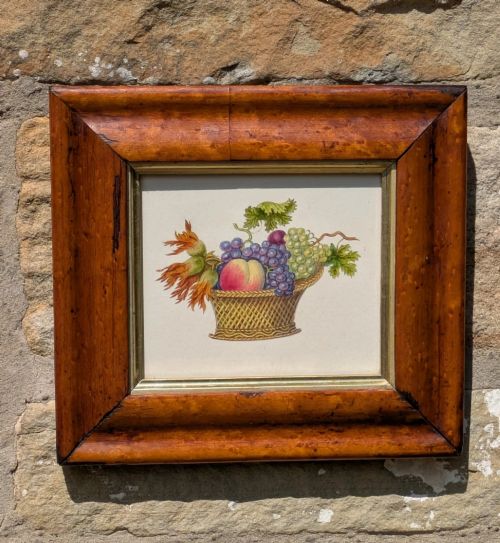
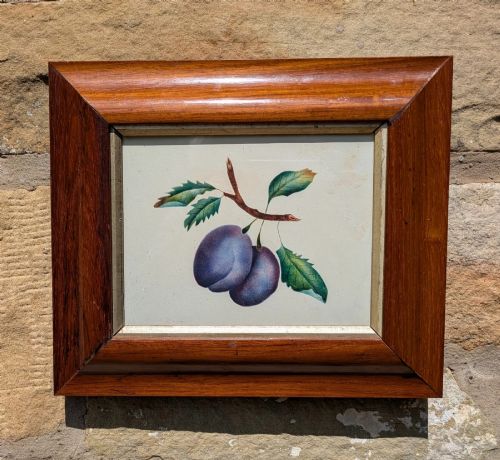
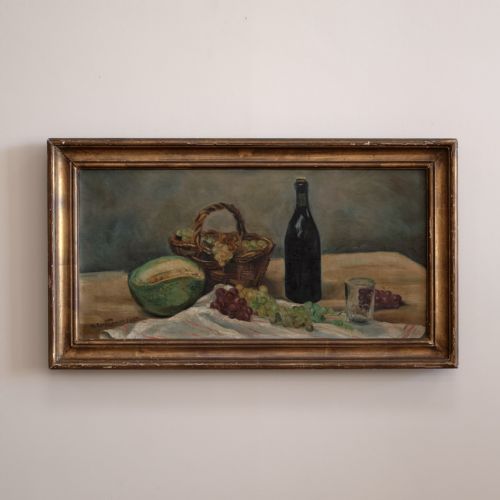
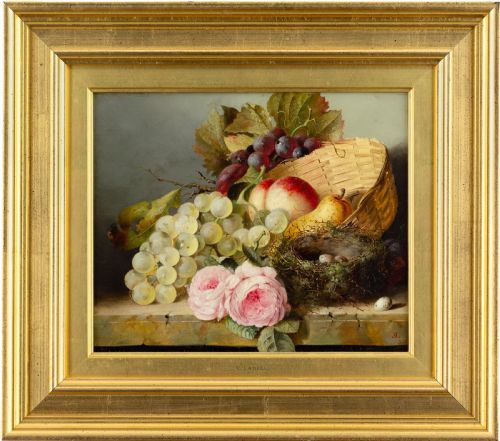
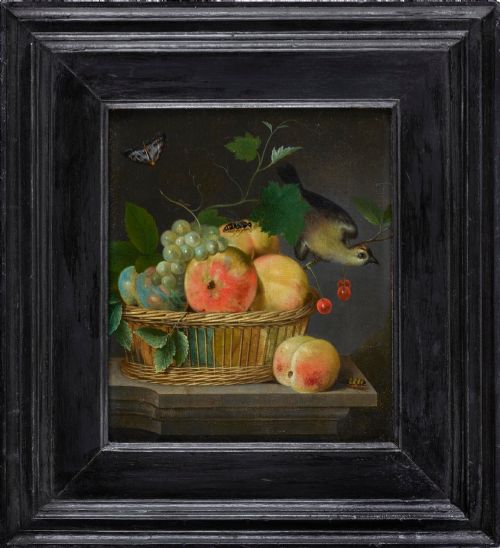
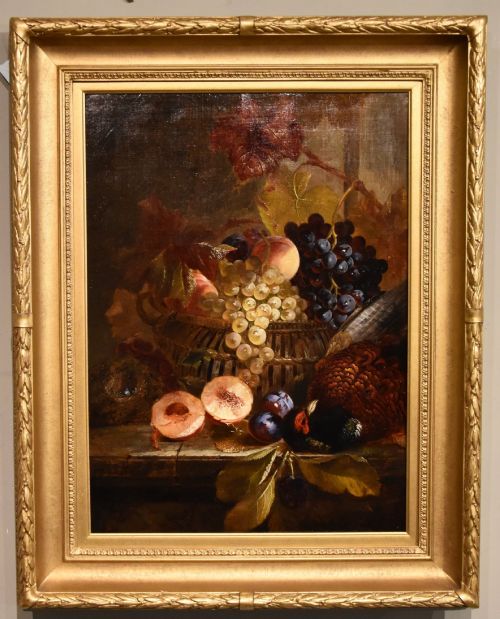
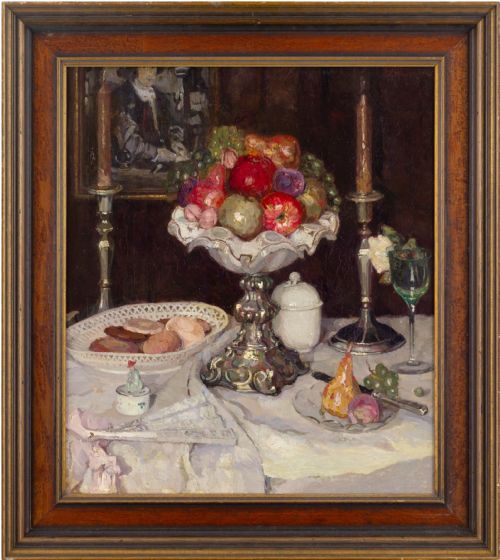
The most common examples on this page are nineteenth-century oil paintings on canvas and wood, alongside delicate watercolours housed in period rosewood or giltwood frames. Subjects frequently feature wicker baskets, porcelain bowls and glassware arranged alongside apples, plums, grapes and pomegranates.
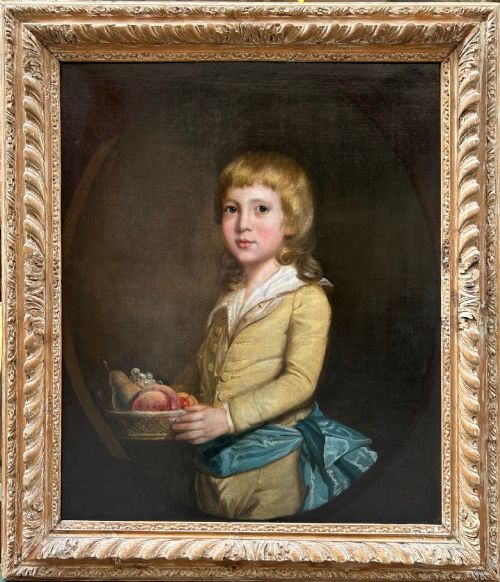
Beyond pure still life, some pieces incorporate botanical studies on pith paper, figurative portraits carrying harvest baskets, or broader kitchen and larder interiors. These works reflect both classical realism and later movements including post-impressionism and the Ubud school.
Materials and Technique
Artists painted primarily with oil on stretched canvas or wooden panels, building up layers of pigment to render the translucent skin of grapes and the velvet texture of peaches. Watercolours on paper or pith paper offered a lighter, more immediate medium favoured for botanical and illustrative depictions.
Frames play an integral structural and aesthetic role, constructed from carved wood, giltwood or solid rosewood to protect the fragile edges of the canvas or paper beneath glass.
Common framing materials across the inventory include solid wood, rosewood, and giltwood.
Qualities of Distinction
The distinction between ordinary decorative works and superior pieces lies in the artist's handling of light, shadow and spatial depth across the arrangement. Master painters achieved a convincing sense of volume and texture in the fruit, whereas lesser examples remain flat and formulaic in their composition.
Original period frames that match the age and scale of the artwork elevate a piece significantly, preserving the historical integrity of the object from its creation to the present day.
Edward Ladell·William Henry Ward·Arthur Dudley·John Sherrin·William Duffield·Vincent Clare·James Tower·Bela Balogh
The Framed Fruit Painting Glossary
- Still life
- An artwork depicting inanimate subject matter, typically commonplace objects such as fruit, flowers, tableware or game. These compositions allow artists to focus heavily on colour, texture and light.
- Giltwood
- Wood that has been coated with a thin layer of gold leaf or gilt powder. It is frequently found on nineteenth-century and earlier picture frames.
- Pith paper
- A delicate material made from the pith of the Tetrapanax papyrifer plant, used extensively in the nineteenth century for detailed botanical and figurative watercolours.
- Wood panel
- A rigid support surface for oil paintings used before stretched canvas became standard, and favoured later by artists seeking a smooth, stable ground for meticulous detail.
Framed Fruit Painting: Frequently Asked Questions
How do I date an antique fruit painting?
Dating relies on examining the canvas preparation, stretcher construction, framing style and pigment characteristics alongside any visible artist signatures. Period garments or domestic vessels depicted within the composition also offer reliable chronological clues.
Secondary indicators include panel stamps, nineteenth-century supplier marks on the reverse, and the specific mounting techniques used behind the frame.
Where should I hang a framed fruit painting?
These works traditionally hung in dining rooms, kitchens and breakfast parlours, where their harvest subjects complemented spaces dedicated to food and hospitality. They pair effectively with darker wood furniture and traditional interior palettes.
Ensure the artwork hangs away from direct sunlight and excessive humidity changes to protect both the paint surface and the wooden frame.
What is the difference between oil and watercolour fruit paintings?
Oil paintings utilise slow-drying pigmented linseed oil on canvas or wood, allowing for rich impasto textures, deep shadows and luminous layering. Watercolours employ water-soluble pigments on paper, producing a translucent, delicate finish usually preserved beneath glass.
Oils generally command a heavier physical presence and durability, while watercolours offer crisp botanical precision.
Why do some paintings include dead game or wine glasses?
Including game birds, fish, glassware and pottery alongside fruit relates to the traditional vanitas and banquet genres. These elements symbolised abundance, the passage of time, and the ephemeral nature of earthly pleasures.
Artists used these varied textures to demonstrate their technical skill in rendering glass reflections, fur, feathers and polished surfaces.