






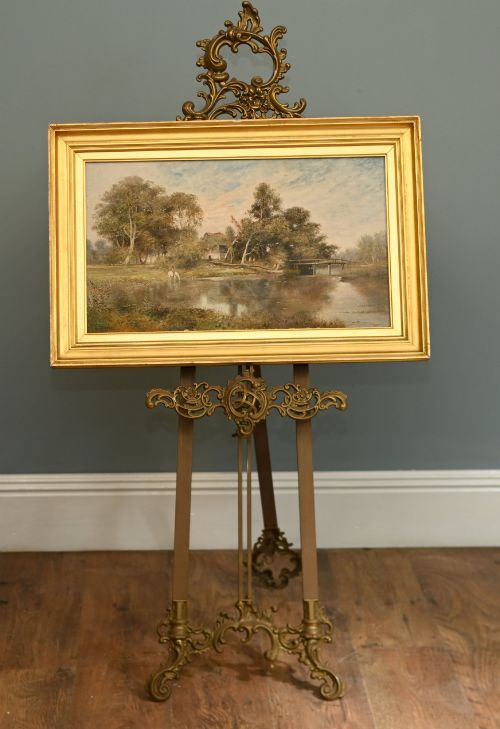
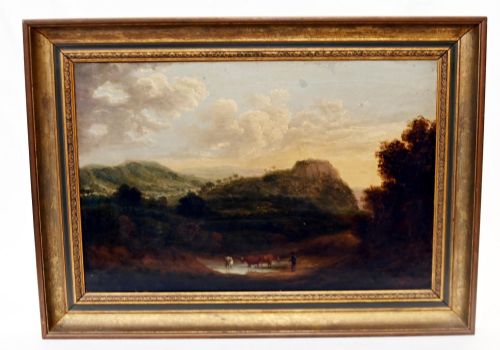
Victorian Gilt Frame Painting
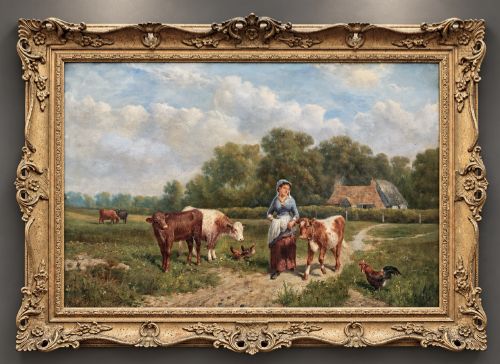
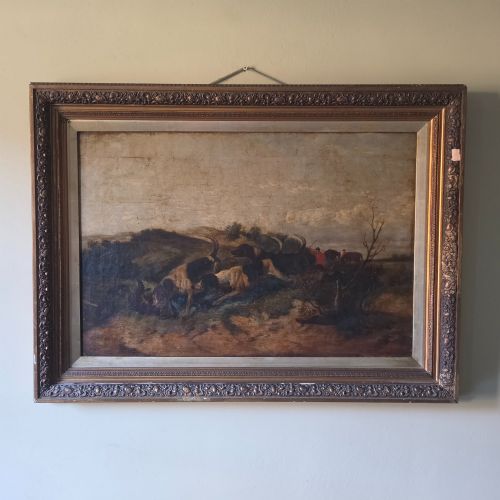
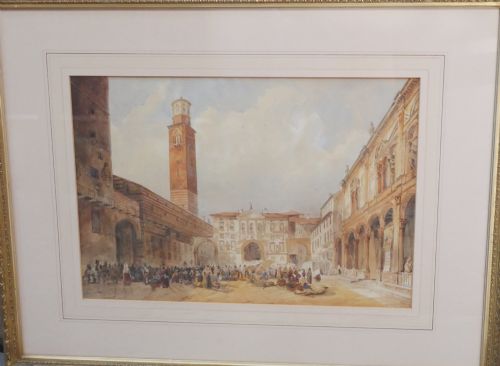
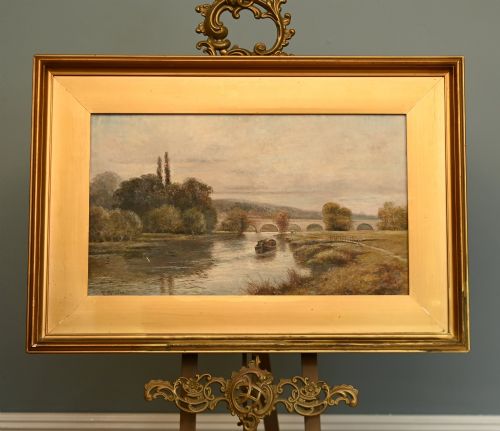
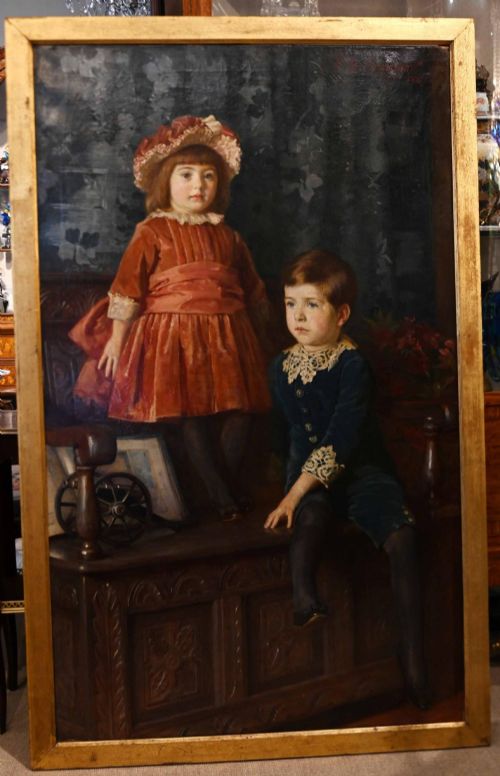
When you search for a victorian gilt frame painting, you encounter period canvases and panels paired with heavy decorative surrounds that define nineteenth-century display.
Victorian Gilt Frame Painting
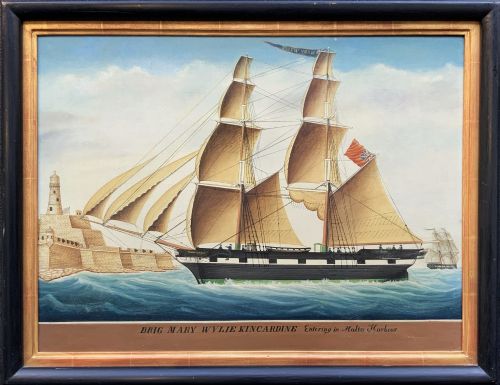
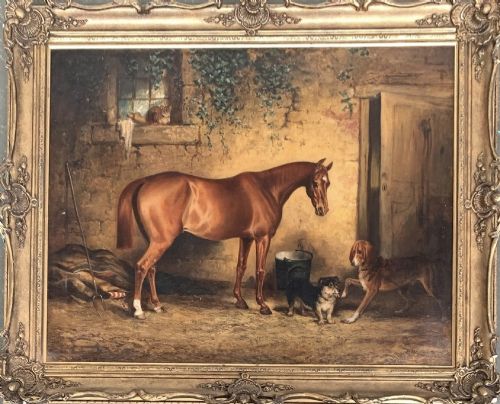
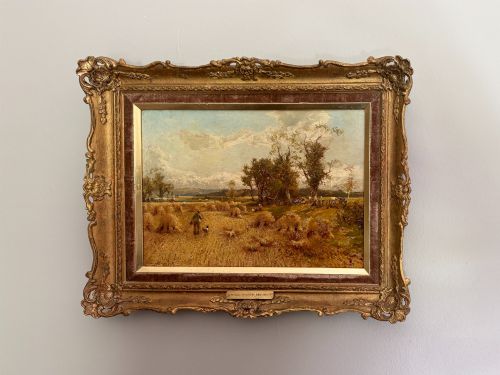
A victorian gilt frame painting brings together nineteenth-century canvas or panel art and ornate gilded housings originating from British and European studios. Buyers encounter landscapes, maritime scenes, portraits, and genre subjects created across the decades of the Victorian era and adjacent periods.
Many listings present original oil paintings on canvas or board accompanied by their period wooden frames finished in gilt, gesso, and plaster. These works range from intimate domestic interiors and still lifes to monumental historical and pastoral compositions.
The objects combine fine art execution with decorative framing techniques typical of nineteenth-century workshops. Surviving pieces demonstrate the close relationship between Victorian artists and the makers who built ornamental surrounds to complement their canvases.
Materials and construction methods
Painters utilised oil and sometimes watercolour on stretched canvas, wooden panels, or paper supports, employing pigments typical of nineteenth-century academic and realist palettes. The resulting artwork was then mounted into custom-built wooden structures.
Frames were constructed from timber carcasses built up with layers of gesso and plaster to form intricate moulded reliefs, ribbed patterns, or swept curves. These plaster ornaments were then gilded with gold leaf or metallic paint to achieve the characteristic luminous finish.
Several portraits preserve the stern gaze of Victorian gentlemen alongside loyal pet dogs and prize-winning shorthorn bulls.
Assessing quality in frames and canvases
Quality rests in the harmony between the artwork and its surround, where hand-carved wooden details and deep gesso mouldings outclass mass-produced plaster substitutes. Superior frames retain their original gilding depth and structural integrity without excessive past restoration.
On the canvas side, technical skill in handling light, proportion, and subject matter separates accomplished academy works from simpler decorative pieces. The best examples preserve the original pairing of painting and frame intact through the centuries.
William Oliver·Richard Sebastian Bond·William Beattie-Brown·Felix Stone Moscheles·John Maler Collier·William Howard Hardy·Arthur Wardle·John Horace Hooper·William McAlpine·Alfred Fontville de Breanski Jr·Oliver Clare·Edward Mills·William Banks Fortescue·Stephen Samuel Lewin·John Rose Miles·Vittorio Reggianini·Thomas W Lascelles·Mark William Langlois·David Bates·Leon Sprinck·Robert F Watson·Bennett Hubbard·A Collin·Julius Hare
The Victorian Gilt Frame Painting Glossary
- Gesso
- A plaster mixture applied to wood frames as a base for gilding. It provides a smooth, absorbent surface for carving and moulding ornate decorative details.
- Giltwood
- Timber that has been coated with thin sheets of gold leaf or gold paint. This material forms the primary luminous surface of nineteenth-century display frames.
- Swept frame
- A frame style featuring dynamic, curved moulding profiles with deep relief scrolls. These decorative elements were popular for displaying mid-nineteenth-century academic and landscape art.
- Genre painting
- Artwork depicting scenes from everyday life, involving ordinary people in domestic, social, or rural settings. These narratives formed a major category of Victorian visual culture.
- Watts frame
- A specific frame profile associated with nineteenth-century aesthetic taste, characterised by flat banded surfaces and restrained ornamentation. It provides a subtle architectural border for paintings.
Victorian Gilt Frame Painting: Frequently Asked Questions
What is a watts frame?
A Watts frame is a distinct nineteenth-century picture frame style characterised by flat wooden bands and subtle linear decoration. It was designed to complement paintings without overpowering the composition.
These frames offer a restrained alternative to heavily ornamented gesso surrounds, appealing to collectors who prefer minimalist Victorian aesthetics.
How do I identify a period frame?
Period frames feature wooden bases built up with gesso and plaster, finished with genuine gold leaf rather than modern synthetic paints. Close inspection often reveals hand-tooled ornament and age-related craquelure in the surface layers.
Many high-quality frames also include maker stamps or specific rebate dimensions tailored to nineteenth-century canvas standards.
Are these paintings always in original frames?
While many pieces survive with their original nineteenth-century surrounds, others have been paired with period-appropriate frames assembled later. Archive records show both matched pairs and individual frames acquired to fit loose canvases.
Checking the fit between the canvas edges and the frame rebate helps determine if the pairing is contemporary to the artwork.