

Botanical Oil on Canvas
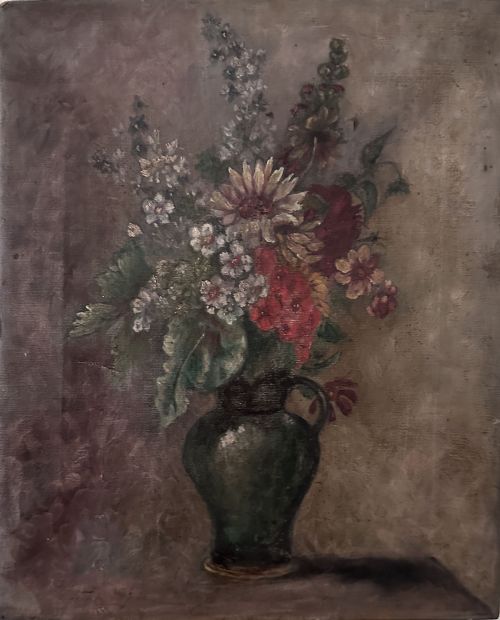
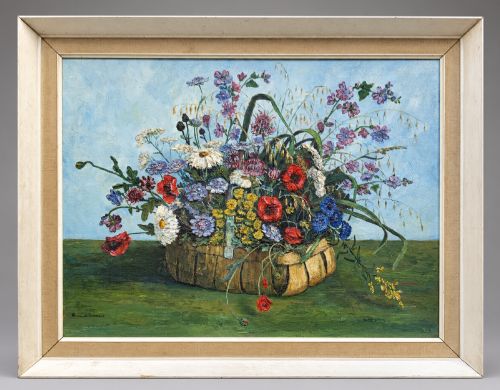
When you search for botanical oil on canvas, you are looking at centuries of floral still lifes and landscape plant studies rendered in oil paint.
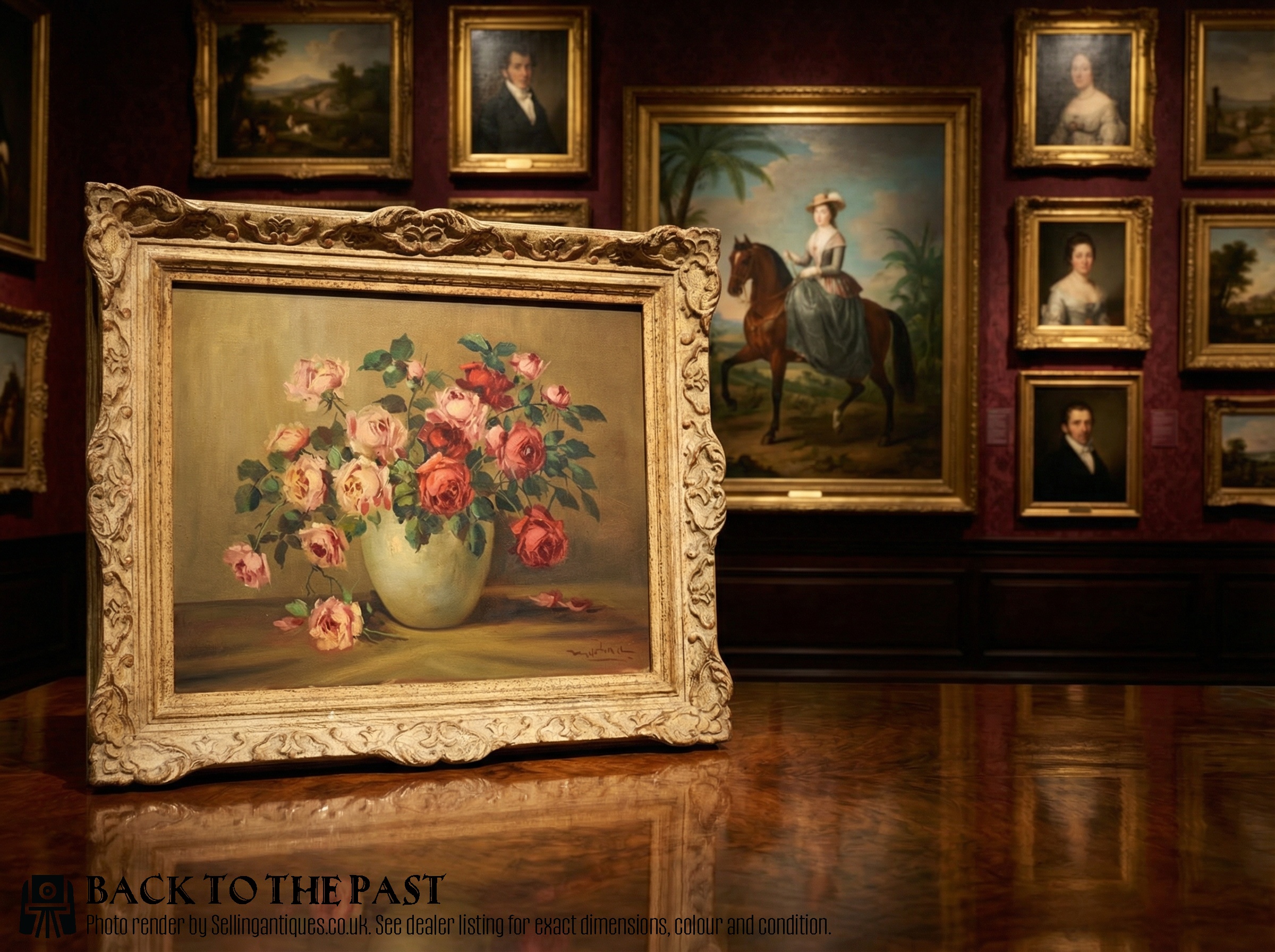
Botanical Oil on Canvas
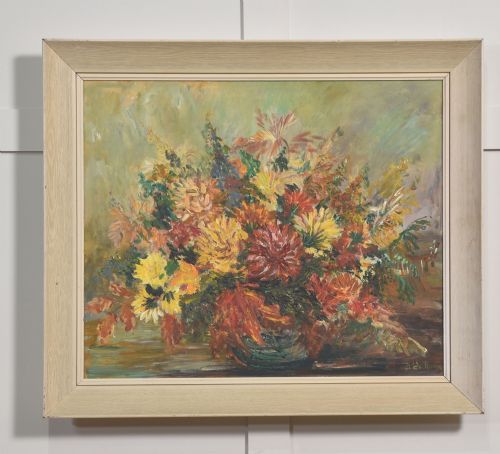
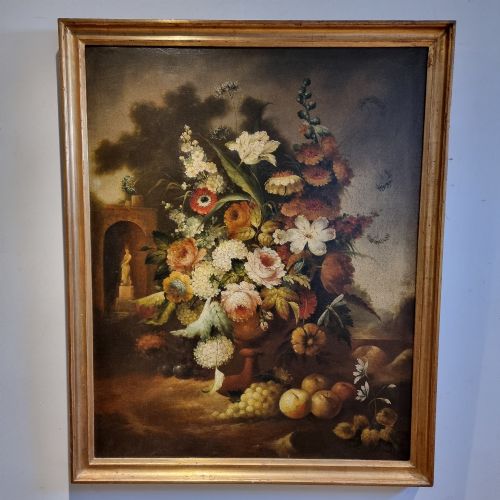
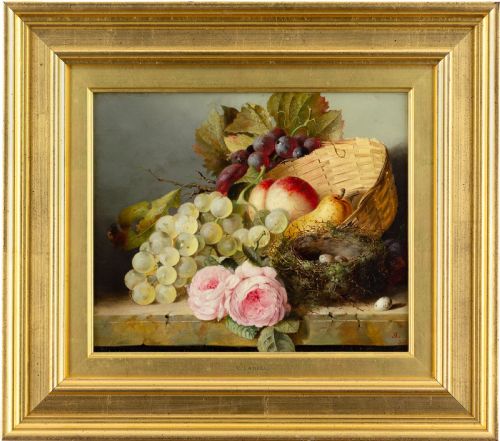
A botanical oil on canvas brings together centuries of artistic engagement with flowers, fruit, and natural landscapes. These works range from seventeenth-century Flemish Baroque and Dutch Golden Age compositions to nineteenth-century Victorian studies and mid-century impressionist interpretations.
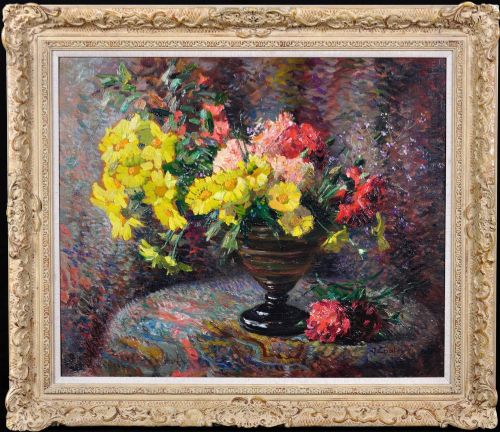
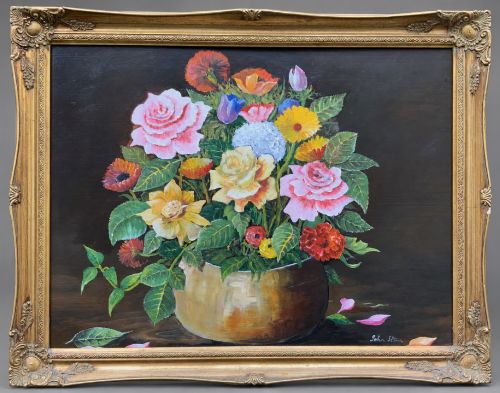
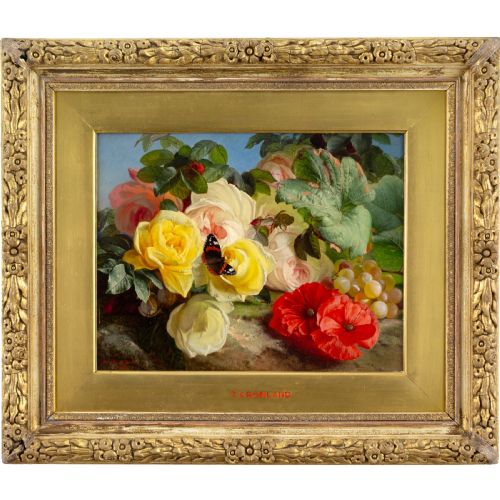
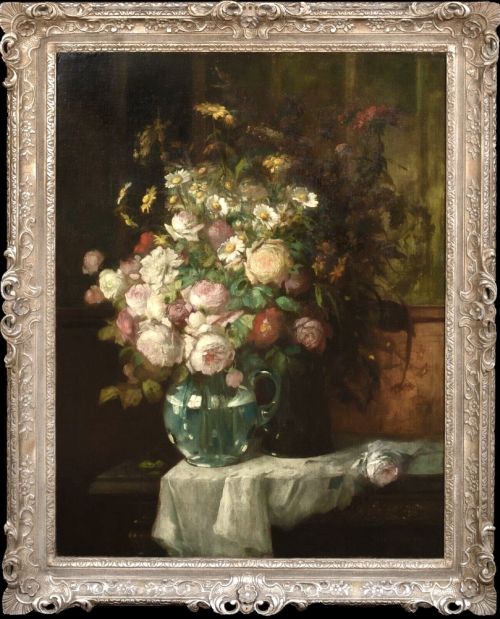
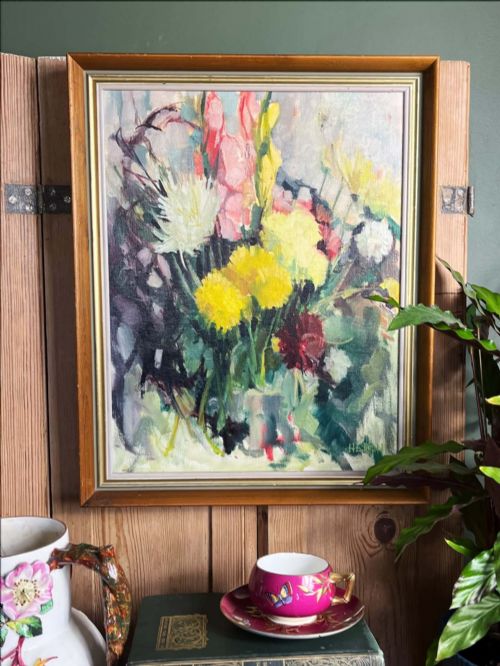
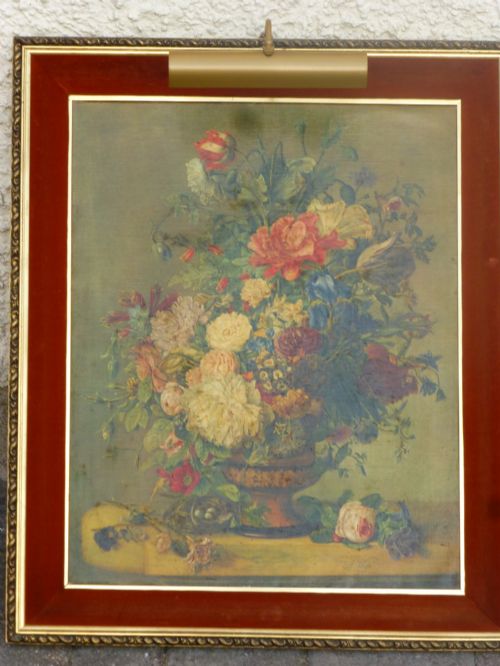
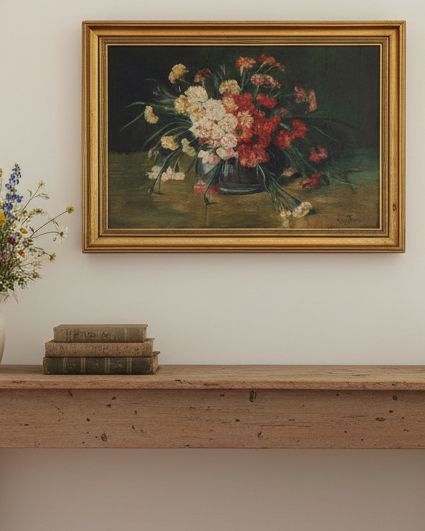
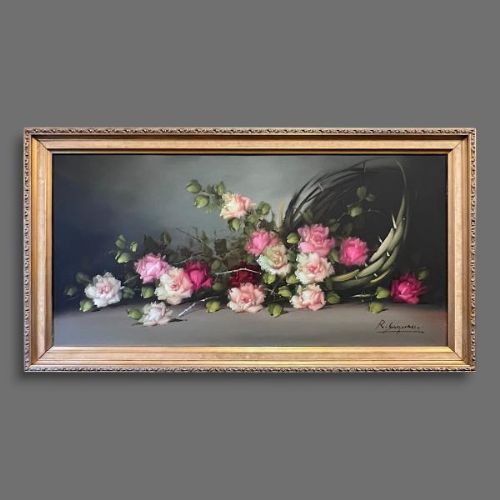
Most pieces encountered on this page focus on floral still lifes, often depicting roses, poppies, carnations, and seasonal garden displays arranged in vases or baskets. Alongside these traditional arrangements, you will find landscape water lilies, hedgerows, and woodland foliage captured across various European traditions.
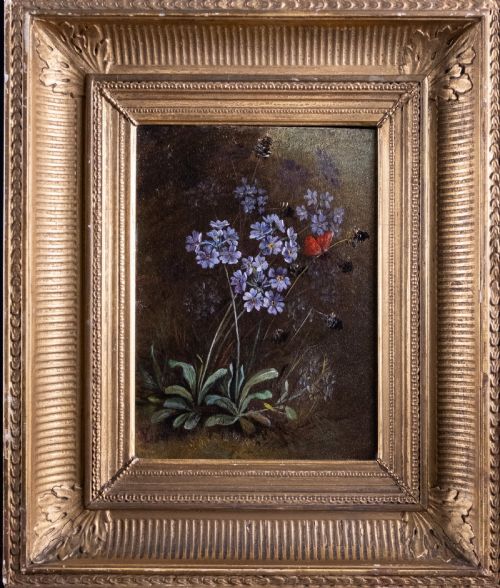
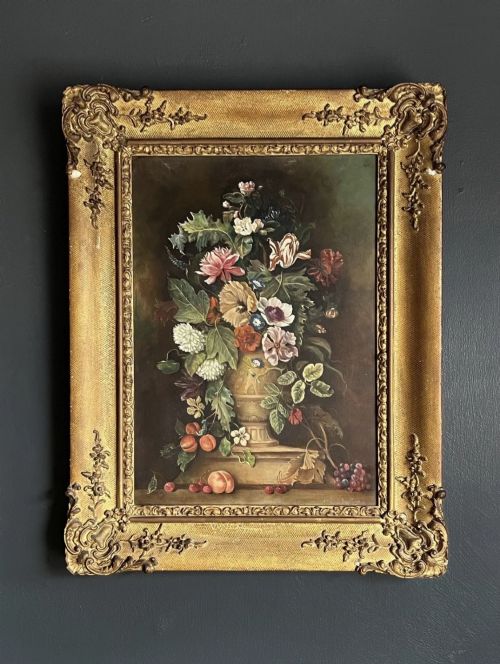
Dating spans from the seventeenth century through to the mid-twentieth century, encompassing periods such as the Victorian era, Art Deco, and Post-Impressionism. Canvases are frequently housed in period frames, including gilt gesso surrounds that complement the painted subject matter.
How They Were Made
Artists built these works using oil paint applied to stretched canvas, occasionally utilising wood supports or board. The physical structure of the piece often includes heavy wooden frames finished with gold leaf and moulded gesso detail.
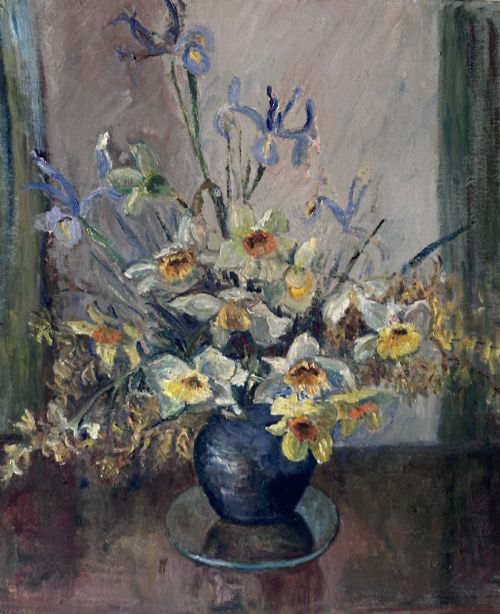
Techniques range from the meticulous realism of earlier Dutch and Flemish schools to the looser brushwork of British and continental impressionism. Painters layered pigments to create depth in petals, foliage, and natural light effects.
Botanical Oil on Canvas Retail Price Guide 2026
Typical asking prices for botanical oil on canvas among the pieces listed under this phrase on Sellingantiques today, from the lower quarter to the upper quarter. They describe what is for sale here now, not the wider market.
Materials across these listings combine traditional oil paint on canvas and wood with ornate gold leaf and gesso frames spanning several centuries.
What Varies in Quality
Quality rests in the precision of the brushwork and the structural integrity of the canvas and frame. Earlier seventeenth-century works and named nineteenth-century artists demonstrate refined handling of light, texture, and botanical accuracy.
The relationship between the painting and its original frame dictates much of the character of the piece. Gilt gesso frames that match the period of the canvas elevate the presentation compared to later or replacement framing.
Theude Grönland·Edward Ladell·Gaspar Peeter Verbruggen·Simon Pietersz Verelst·Konstantin Stoitzner·Edwin Steele·Owen Bowen·Amile Coppieters
The Botanical Oil on Canvas Glossary
- Canvas
- A heavy woven fabric stretched across a wooden frame to serve as a support for oil painting. It provides the primary surface texture for the majority of these works.
- Gesso
- A plaster-like mixture applied to wooden frames before gilding or painting. It creates a smooth base for intricate moulded relief work.
- Gilt
- Covered with a thin layer of gold leaf or gold paint. This finish enhances the decorative framing typical of nineteenth and twentieth-century pictures.
- Impressionism
- A style of painting emphasising loose brushstrokes and the accurate depiction of light. Mid-century and British examples on this page often adopt this approach.
- Baroque
- An artistic style originating in the seventeenth century, known for dramatic detail and rich contrast. Flemish and Dutch examples from this era depict elaborate floral arrangements.
Botanical Oil on Canvas: Frequently Asked Questions
How do I date a botanical oil painting?
Dating relies on stylistic clues, stretcher construction, and canvas preparation methods. Examining the frame and signature often provides additional historical context.
Earlier works from the seventeenth century display distinct Dutch or Flemish compositions, whereas mid-century pieces lean towards impressionist brushwork.
Are these paintings supplied with frames?
Many pieces retain their period frames, including gilt gesso or wooden surrounds recorded in the listing titles. Some artworks are housed in frames that reflect mid-century or Victorian aesthetics.
Framing details are noted in individual descriptions to indicate whether the work is sold ready to hang.
What is the difference between an oil on canvas and an oil on board?
Oil on canvas utilises a stretched textile support, which remains the traditional medium for fine art painting across most periods listed here. Oil on board uses a rigid wooden or composition panel instead of fabric.
Both methods employ oil paint, but the underlying support affects the texture and framing requirements of the artwork.
How should I care for an antique oil painting?
Protect the canvas from direct sunlight and maintain stable indoor humidity to prevent the paint layer from cracking. Dust the surface and frame gently with a soft, dry brush.
Avoid using water or chemical cleaning agents on the painted canvas or gilt gesso frame.