

Gold Gilt Framed Art
Gold gilt framed art brings together centuries of painted portraiture, landscapes, and mirrors held within ornate metallic borders.
Gold Gilt Framed Art
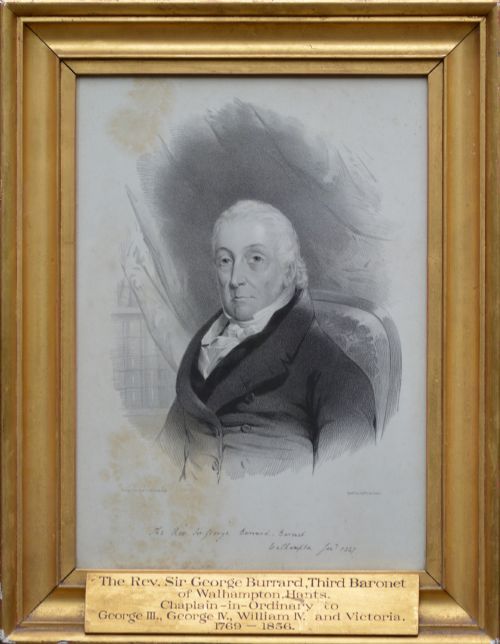
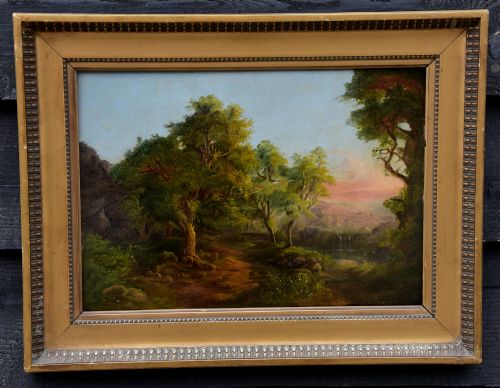
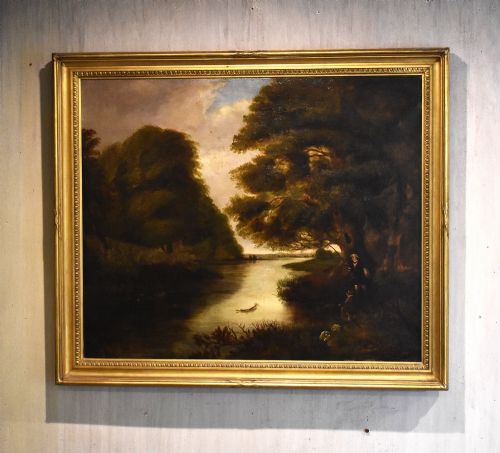
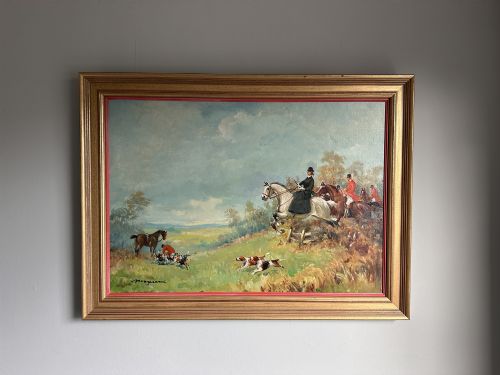
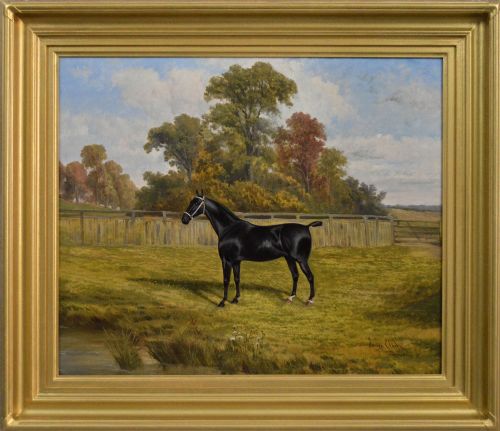
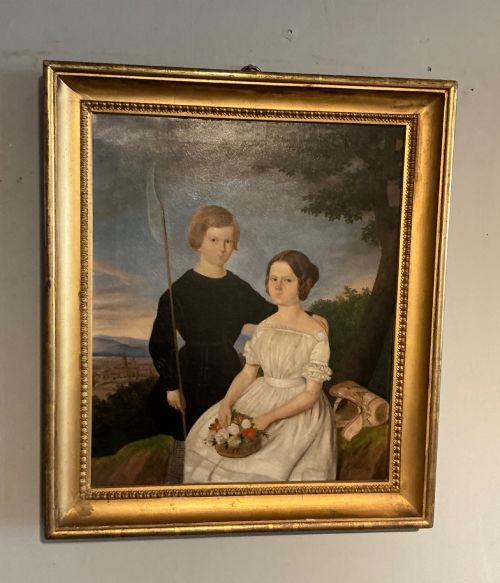
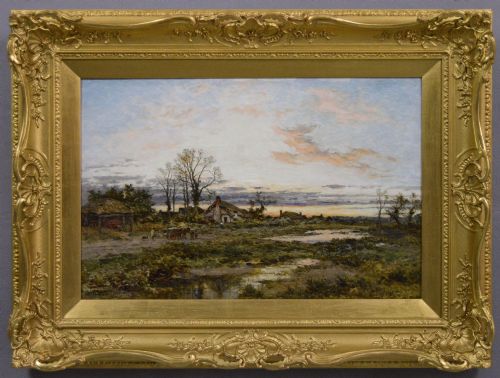
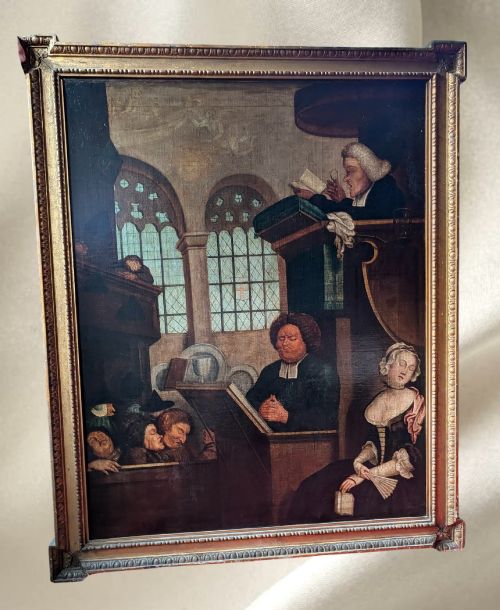
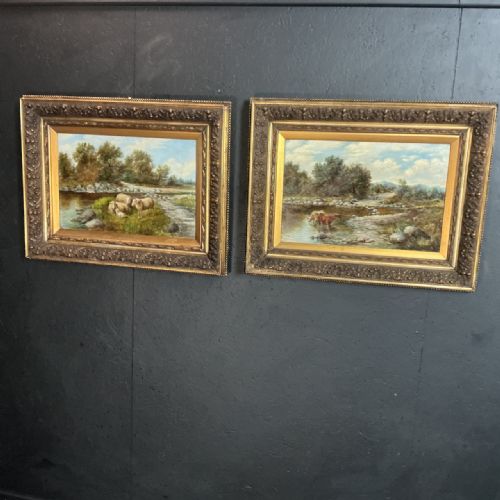
When searching for gold gilt framed art, buyers encounter centuries of oil paintings, watercolours, and engravings spanning the seventeenth century through to the mid-twentieth century. The selection ranges from formal British and European portraiture to pastoral landscapes, military subjects, and decorative trumeau mirrors.
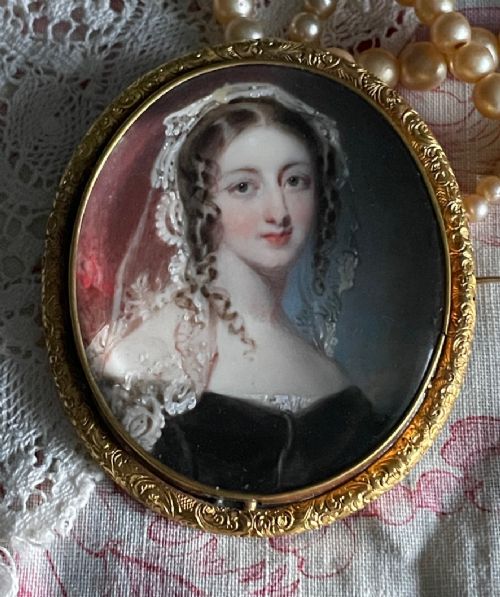
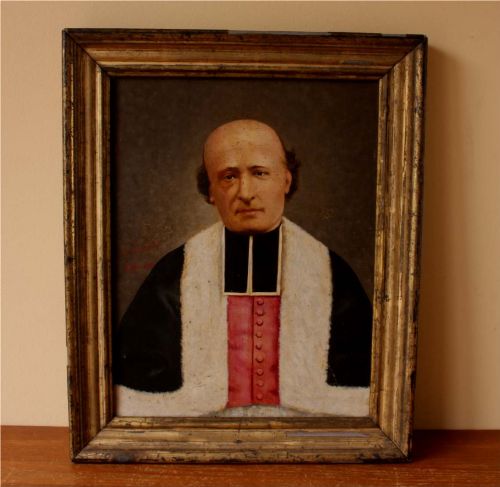
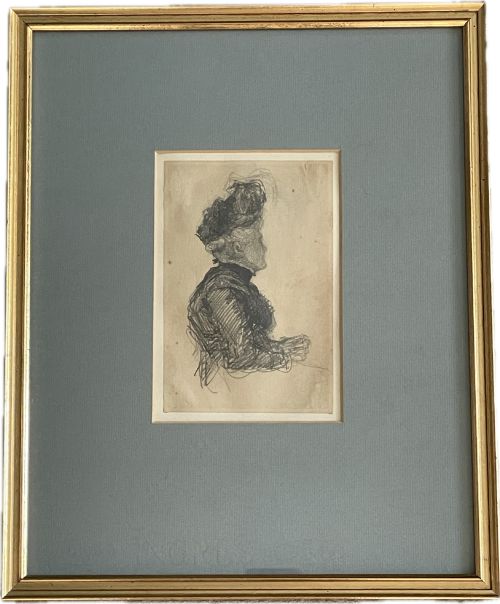
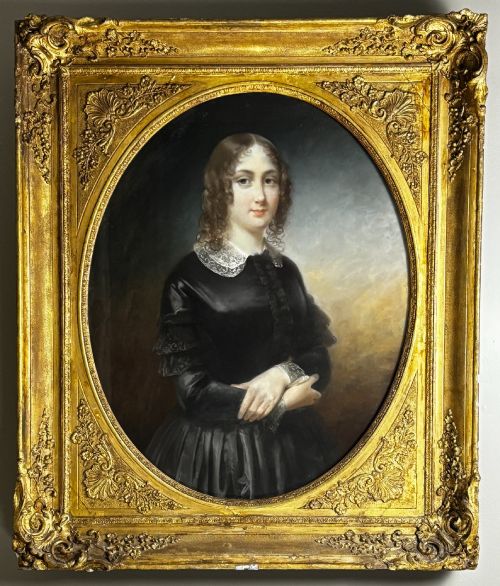
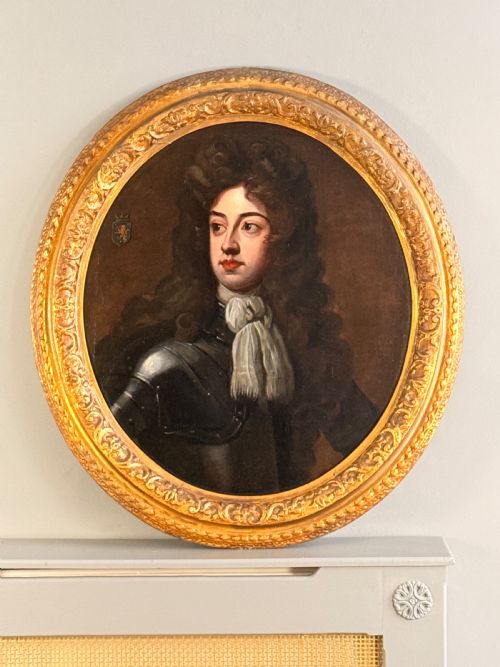
Portraits of nobility, gentlemen, and ladies dominate the offerings, often rendered in oil on canvas or panel by regional and continental schools. Alongside these traditional oils appear delicate pastel portraits, pencil life drawings, and vibrant still life studies of fruit and flora.
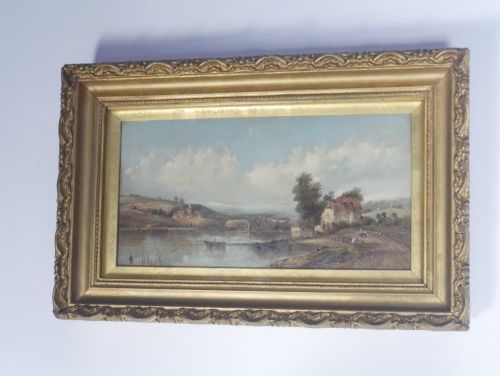
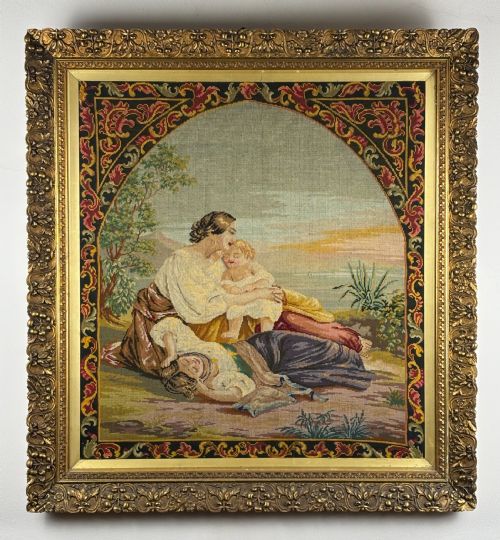
The enclosing frames match the historical periods of the artworks, showing styles from heavy carved wooden mouldings to French Rococo and Victorian decorative patterns. Pieces originate from diverse contexts, including English country houses, French chateaux, and Scottish landscapes.
Markers of distinction in craftsmanship
The excellence of gold gilt framed art rests upon the skill of the artist in handling paint, capturing anatomy, and rendering light across fabrics and skin. Master works demonstrate confident brushwork and depth, whereas lesser examples show stiffer composition and flat colour application.
Frame quality depends on the integrity of the wooden substrate and the depth of the original gilding. Intricately carved wooden mouldings retain sharper definition than cast composition ornaments applied to later or simplified frames.
Gold Gilt Framed Art Retail Price Guide 2026
Typical asking prices for gold gilt framed art among the pieces listed under this phrase on Sellingantiques today, from the lower quarter to the upper quarter. They describe what is for sale here now, not the wider market.
Several portraits preserve the intense gazes of gentlemen in dark doublets and ladies holding baskets of fresh apples.
Joseph Clover·George Armfield·Theude Gronland·James Hardy·Charles Antoine Coypel·Sir Joshua Reynolds·William Oliver·Jean Baptiste Van Loo·William Beattie Brown·Jozsef Molnar·Sir Martin Archer Shee·Felix Stone Moscheles·Sir Peter Lely
The Gold Gilt Framed Art Glossary
- Giltwood
- Wood that has been coated with gold leaf or gold paint. This technique provides a durable and reflective metallic finish to picture frames and architectural mirrors.
- Trumeau
- An architectural term for a pier glass mirror often paired with an oil painting set into the upper panel. These decorative wall pieces originated in eighteenth-century French interior design.
- Oil on canvas
- Pigment mixed with a drying oil applied to a woven fabric support. This medium allowed artists to achieve rich colour saturation and subtle blending.
- Panel painting
- An artwork created on a flat piece of wood rather than stretched fabric. This rigid support was favoured by early European masters for detailed miniature and portrait works.
- Pastel
- A medium consisting of powdered pigment and a binder rolled into sticks. Applied to paper or board, it produces a velvety surface requiring protective glass framing.
Gold Gilt Framed Art: Frequently Asked Questions
How do I date an old gold frame?
Dating relies on examining the construction joints, the profile of the wooden moulding, and the composition of the gesso beneath the gold leaf. Earlier frames feature hand-carved wooden details, whilst later nineteenth-century examples frequently incorporate moulded plaster ornaments.
Changes in gilding techniques and the ageing of the underlying wood provide further clues to the decade of manufacture. Comparing the style of the frame to the period of the inserted artwork often confirms whether they have remained together since creation.
Are these artworks original period pieces?
The listings comprise original paintings, drawings, and engravings created across the seventeenth, eighteenth, nineteenth, and twentieth centuries. Many works capture specific historical sitters or landscapes documented by contemporary records and signatures.
Certain items include later tributes or copies after master artists, such as nineteenth-century interpretations of seventeenth-century royal portraits. Examining the medium, canvas texture, and pigments helps distinguish contemporary studio work from later adaptations.
Where should I hang a gilt framed painting?
These pieces suit traditional drawing rooms, studies, and hallways where warm lighting enhances the reflective qualities of the gold leaf. Placing them away from direct sunlight protects both the delicate pigments of watercolours and the integrity of the canvas.
Solid wall fixings are essential due to the combined weight of the heavy wooden frames and stretched canvases. Pairing portraits with period furniture creates a cohesive historical interior display.
What is a trumeau mirror?
A trumeau is a decorative wall mirror that incorporates an oil painting into its upper wooden structure. Originating in French interiors, these dual-purpose furnishings were designed to hang between windows or above mantelpieces.
The maritime scenes or classical landscapes painted into the upper panels complement the framed mirror glass below. This combination served to reflect light around period rooms while displaying fine art.