



Continental Oil Painting
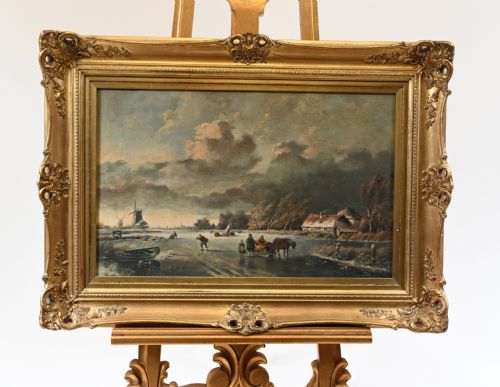
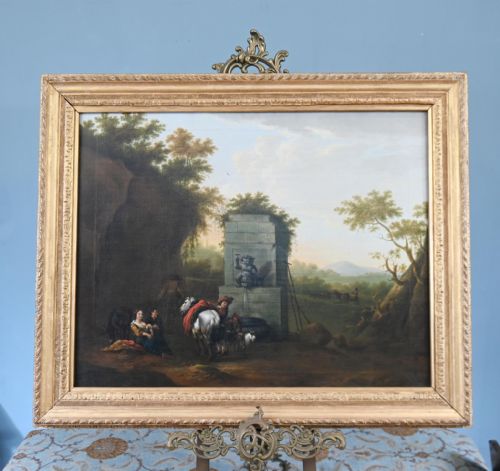
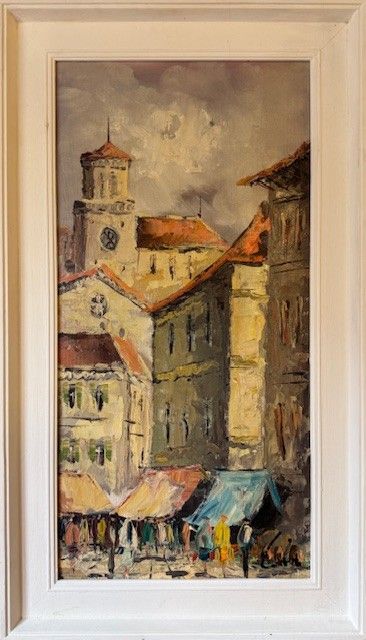
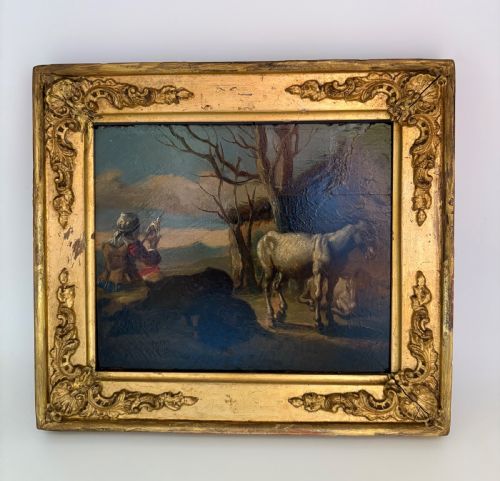
A continental oil painting brings centuries of European artistic tradition, from quiet Dutch landscapes to bustling Italian townscapes, into domestic interiors.
Continental Oil Painting
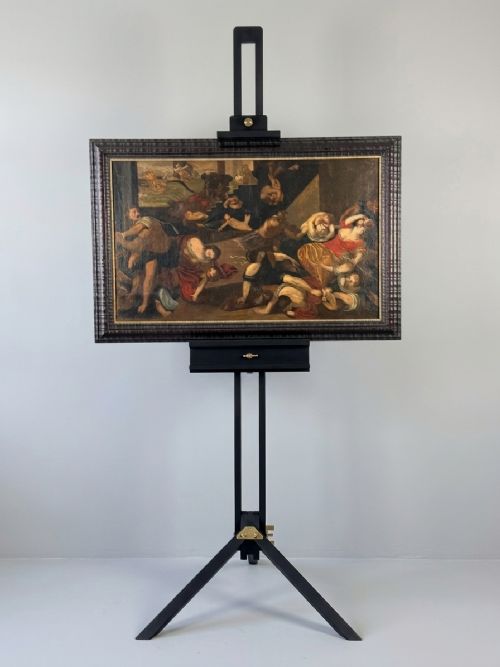
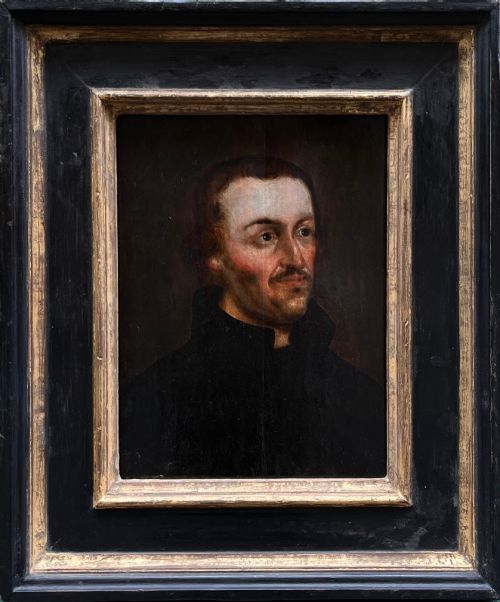
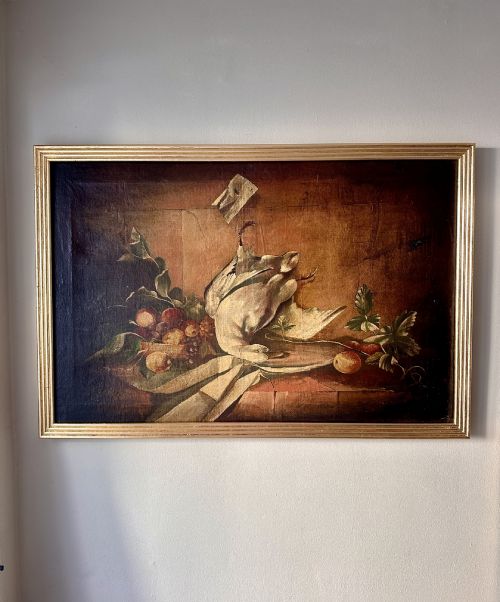
A continental oil painting encompasses works produced across Europe, spanning centuries from the seventeenth through the mid-twentieth century. Buyers encounter diverse subjects including dramatic historical scenes, detailed portraits, floral still lifes, and expansive landscapes.
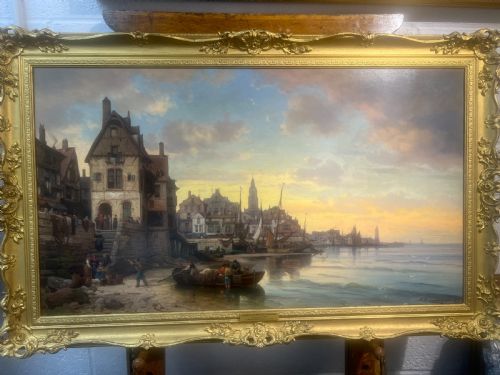
Rural idylls, architectural views of harbours and cities, and intimate genre scenes dominate the surviving output available to collectors. These pieces reflect the prevailing aesthetic movements of their respective eras, including realism, romanticism, and mid-century impressionism.
Materials and construction
Painters utilised oil paint applied to stretched canvas, wooden oak panels, copper plates, tin, or heavy board substrates. Wood panels and copper sheets offered stable, smooth surfaces particularly favoured in earlier centuries for intricate detail.
Pigments bound in drying oils allowed for rich colour saturation, subtle blending, and the building of impasto textures. Many historical works retain their period giltwood frames, ornamented with gesso and gold leaf to complement the composition.
Continental Oil Painting Retail Price Guide 2026
Typical asking prices for continental oil painting among the pieces listed under this phrase on Sellingantiques today, from the lower quarter to the upper quarter. They describe what is for sale here now, not the wider market.
Listings feature works spanning the seventeenth through the mid-twentieth century, utilising canvas, oak panel, copper, and tin.
Judging the works
Quality rests upon the confidence of the brushwork, the handling of light and perspective, and the expressive depth achieved in portraits or landscapes. Works displaying meticulous anatomical accuracy or atmospheric command distinguish themselves from routine studio output.
The integrity of the original surface, the harmony of the composition, and the presence of a matching period frame contribute significantly to a piece's standing among collectors.
Charles Euphraisie Kuasseg·T Bergman·Philipp Peter Roos·E A Minardo·R Palnay·William George Meadows·Lewis J Wood·William Raymond Dommersen·Armand Guillaumin·Karel Frans Philippeau·Ludwig Hermann·Marcel Brunery·Clifford Montague·Henry Foley·Clarkson Stanfield·M T
The Continental Oil Painting Glossary
- Continental School
- A term applied to works originating from mainland European artists rather than British painters. It often denotes a piece where the specific artist remains unrecorded.
- Impasto
- Paint applied thickly to a canvas or board so that the strokes stand proud of the surface. This technique creates physical texture and catches light dynamically.
- Genre painting
- Artwork depicting scenes from everyday life, such as market squares, domestic interiors, or peasants working. These subjects offer insight into historical social conditions.
- Giltwood
- Wood that has been coated with a thin layer of gold leaf or gold paint. Frames finished in this manner frequently accompany period paintings.
Continental Oil Painting: Frequently Asked Questions
How do I identify the period of a continental oil painting?
Examine the substrate material, stretching methods, and the style of the gilt frame alongside the clothing and architecture depicted within the scene. Canvas texture and panel preparation techniques also provide reliable indicators of age.
Historical costume and painting conventions typical of movements like baroque or impressionism help narrow down the decade of creation.
What is the difference between canvas and panel paintings?
Canvas supports became widely adopted for their portability and flexibility, accommodating larger compositions with textured brushwork. Wooden panels and copper sheets provide rigid, smooth surfaces that preserve fine detail over centuries.
Panel works often originate from earlier centuries or specific regional schools that valued a rigid, unyielding ground for miniature precision.
How should I care for an antique oil painting?
Keep paintings away from direct sunlight, high humidity, and rapid temperature fluctuations that can cause canvas slackening or panel warping. Professional conservation prevents the accumulation of soot and dust from damaging the oil layer.
Avoid using water or chemical cleaners on the paint surface or the delicate gesso of period frames.
What does Continental School mean?
The designation refers to artists trained and working within mainland Europe, distinguishing their output from contemporaneous British art. It frequently applies when an individual hand cannot be definitively identified through a signature.
These works embody the distinct stylistic traditions and academies of France, Italy, Germany, and the Netherlands.