



Antique Wall Decor
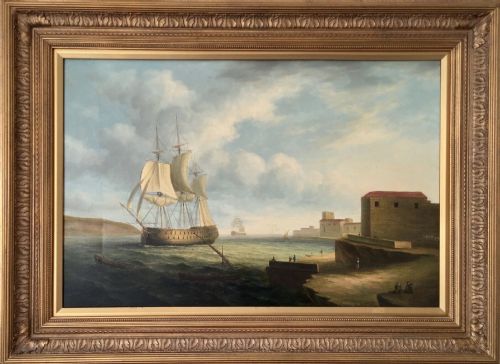
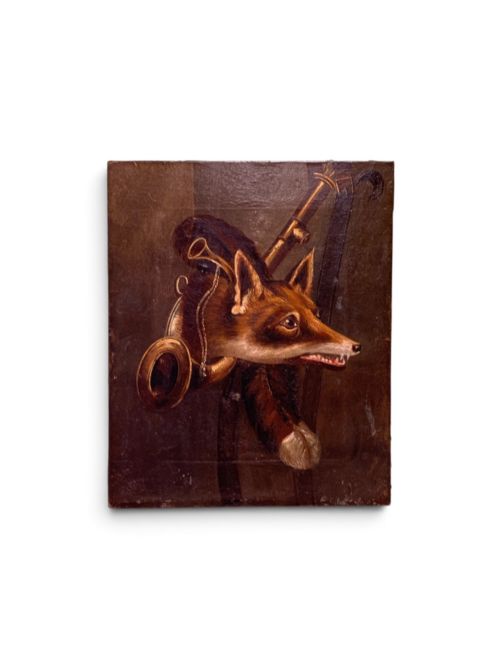
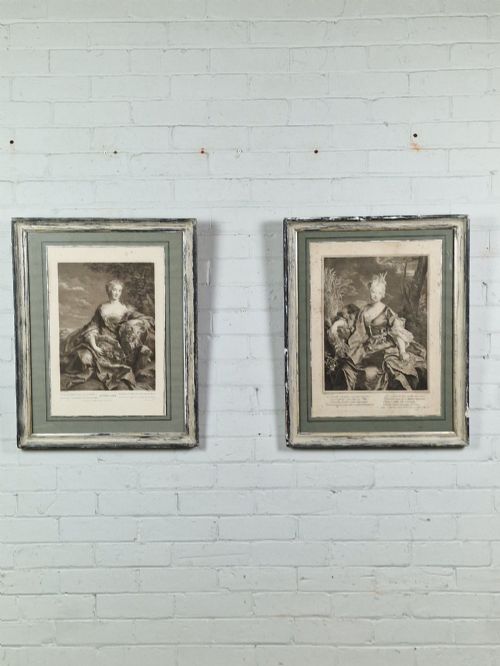
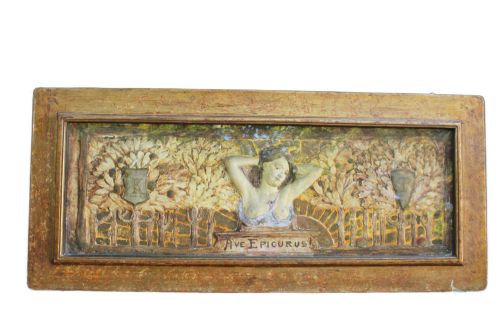
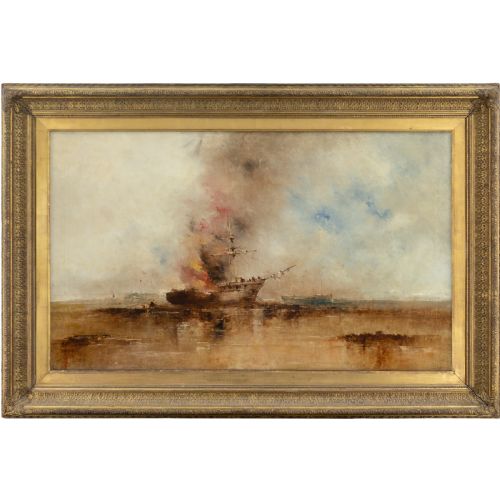
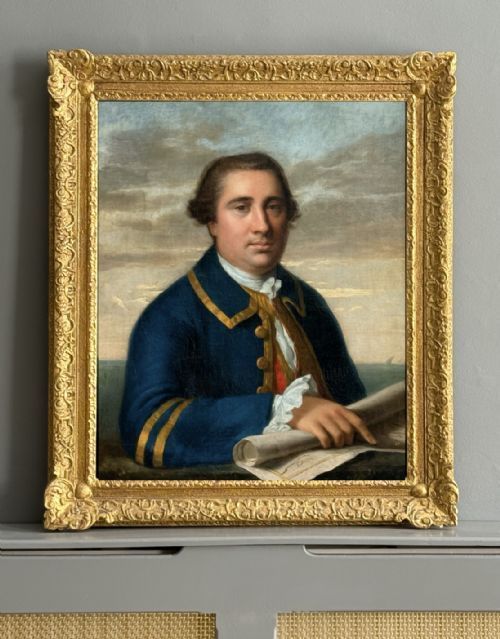
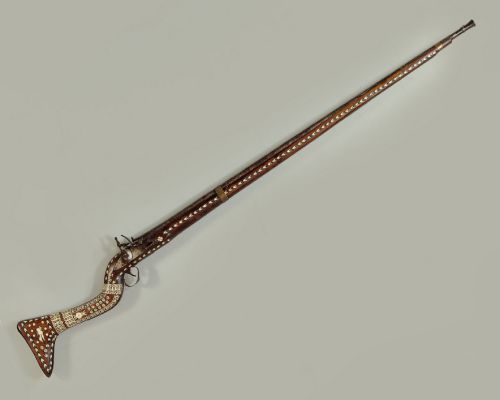
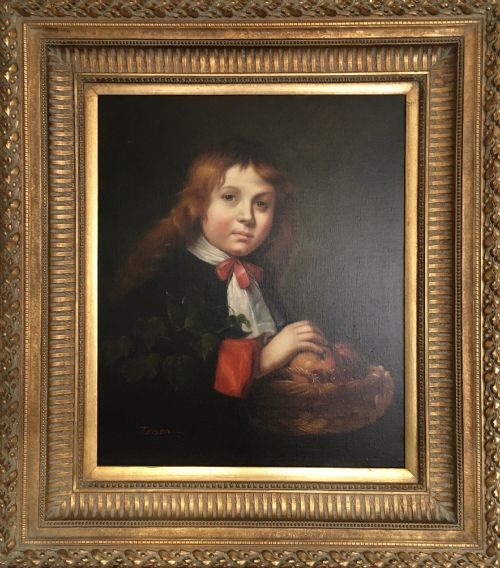
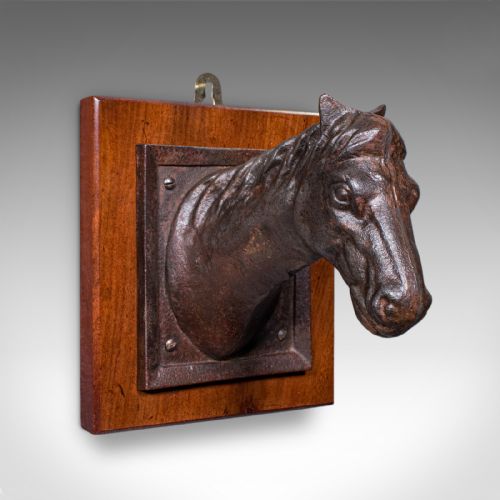
Antique wall decor covers everything from oil paintings and mirrors to carved panels and taxidermy intended for domestic vertical display.
Antique Wall Decor
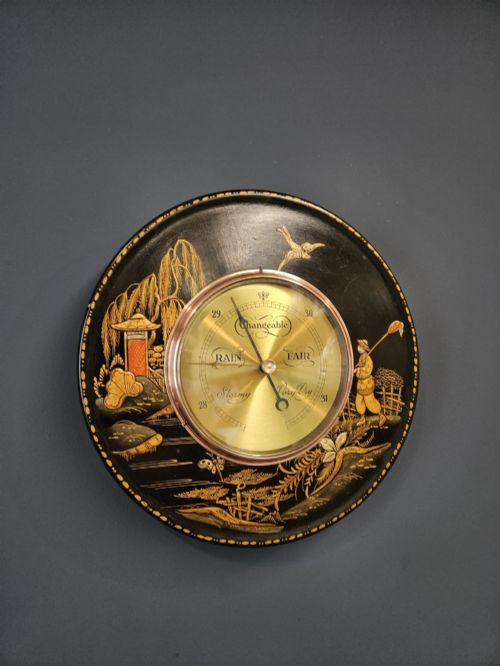
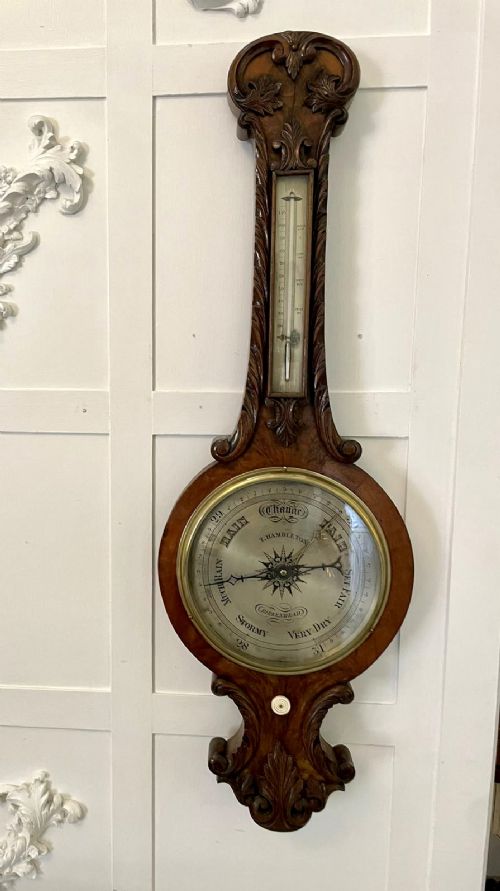
Antique wall decor encompasses a broad spectrum of items designed to embellish interior vertical surfaces across various historic periods. The selection includes fine art paintings, gilt overmantel mirrors, carved wooden panels, barometers, and textiles.
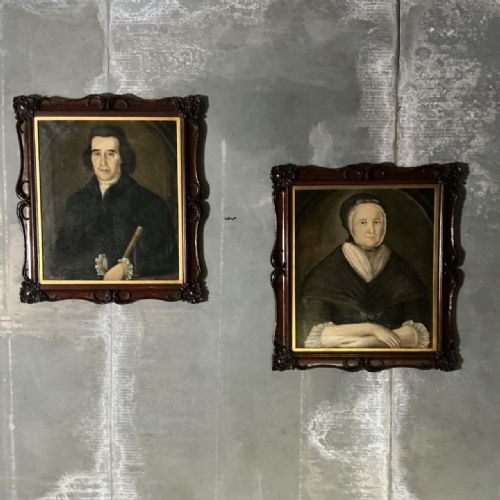
Buyers frequently encounter framed oil paintings, decorative wall mirrors with gilt gesso frames, and regional wall hangings originating from the eighteenth, nineteenth, and early twentieth centuries. These objects served domestic, advertising, or commemorative purposes in period interiors.
How they were made
Makers utilised traditional materials such as wood, glass, canvas, brass, oil paint, paper, and plaster to construct these wall pieces. Techniques range from hand-carved woodwork and oil painting on canvas to reverse glass mezzotints and repoussé metalwork.
Framing and structural support often involved gilt bronze, burr walnut, ebonised wood, and needlepoint tapestry stitching, reflecting the predominant craft standards of Georgian, Victorian, and Edwardian workshops.
An eighteenth-century glass mezzotint depicts the touching domestic scene of feeding the poor.
What varies in quality
The standard of execution in antique wall decor depends largely on the fidelity of the craftsmanship, such as the depth and precision of hand-carving on wooden panels or the clarity of detail in oil paintings and reverse glass work.
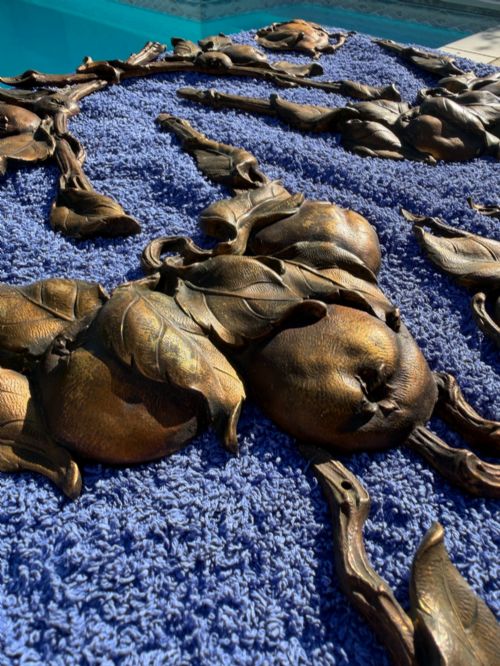
Originality of surface finish, including the preservation of primary gilding on mirrors or untouched patination on bronze sconces and taxidermy mounts, elevates specific examples above standard production.
John Hayls·Poix Blin·Fletcher·Sebastiaan Vrancx·Alfred Young Nutt·William McAlpine·Lemuel Francis Abbott·Jean-baptiste Greuze·Marcellin Auzolle·Alice Gates·Ulugary & Sons·John Holland Senior·John Wallace
The Antique Wall Decor Glossary
- Overmantel
- A large mirror or decorative panel designed specifically to be hung on the wall immediately above a fireplace mantelpiece. These frames often feature ornate gilt gesso or carved wood mouldings.
- Mezzotint
- A printmaking process where the copper plate is roughened to produce dark tones, allowing for subtle gradations of light and shade. Reverse glass examples are painted directly onto the underside of the glass sheet.
- Toleware
- Metal objects, usually iron or steel, coated with tin and finished with opaque dark lacquers or painted decorations. Trade signs and hat containers frequently utilised this durable technique.
- Gesso
- A plaster-like mixture applied to wood or canvas as a base for moulding and gilding. Historic frames rely on this compound to create crisp, raised relief ornament before applying gold leaf.
Antique Wall Decor: Frequently Asked Questions
How do I hang heavy antique mirrors safely?
Heavy pieces require fixing directly into wall studs or using appropriate load-bearing wall anchors suited to the weight of the timber frame and glass.
Professional mirror plates screwed into the structural wooden backing provide a secure distribution of the load.
Can oil paintings be cleaned at home?
Surface dust should be removed gently with a soft, dry artist brush without applying pressure to the aged oil paint or canvas.
Chemical cleaners or moisture should be avoided to prevent damage to the historic varnish layers.
What defines a Victorian overmantel mirror?
These large mirrors feature substantial gilt frames designed to reflect light and fill the prominent vertical space above a fireplace.
They frequently display elaborate cushion mouldings, crestings, or ebonised details characteristic of nineteenth-century interior aesthetics.
How are textile wall hangings preserved?
Textiles such as embroidered ilgich pieces or needlepoint tapestries benefit from being kept away from direct sunlight to prevent fading of the historic dyed threads.
Mounting them on breathable acid-free backing boards supports the fabric evenly across the entire surface.