

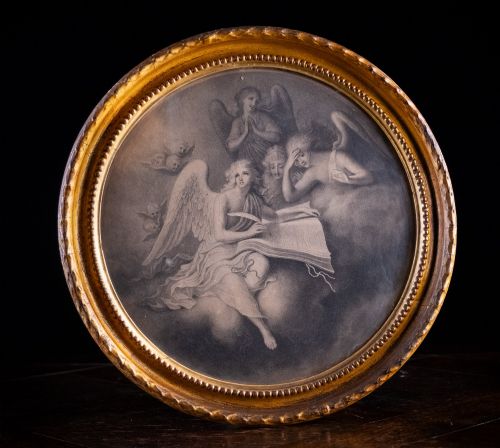
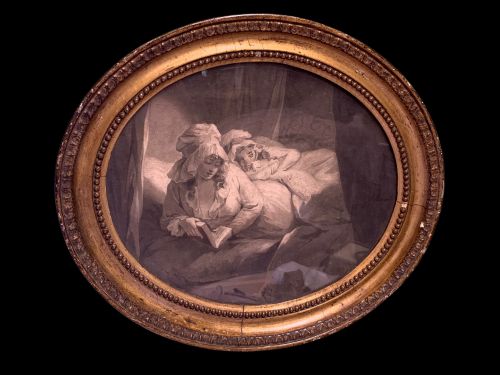
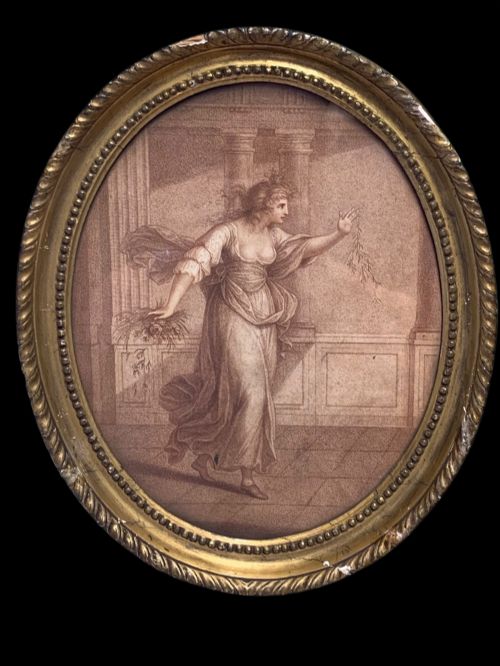
Gold Framed Print
A gold framed print brings character to a wall, bridging centuries of graphic art and fine framing.
Understanding the gold framed print
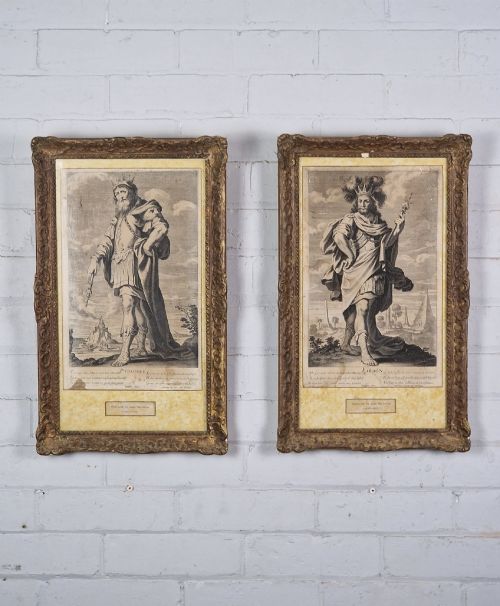
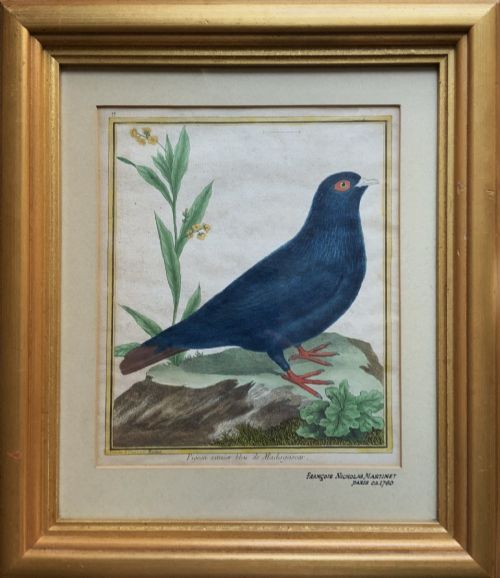
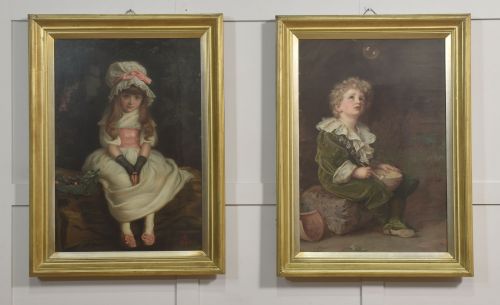
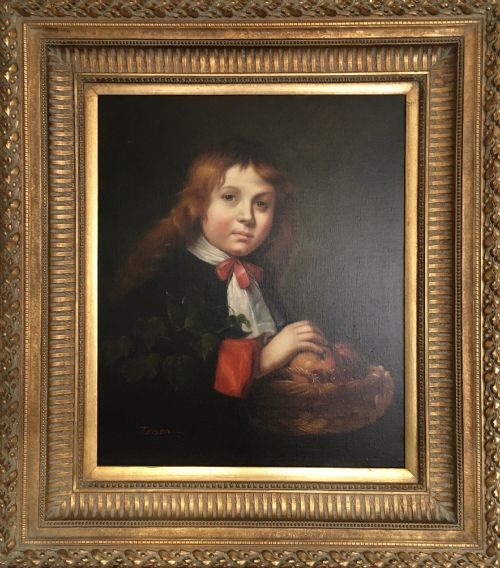
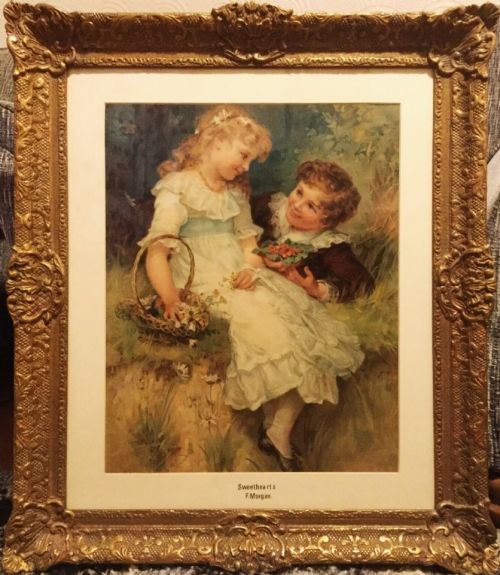
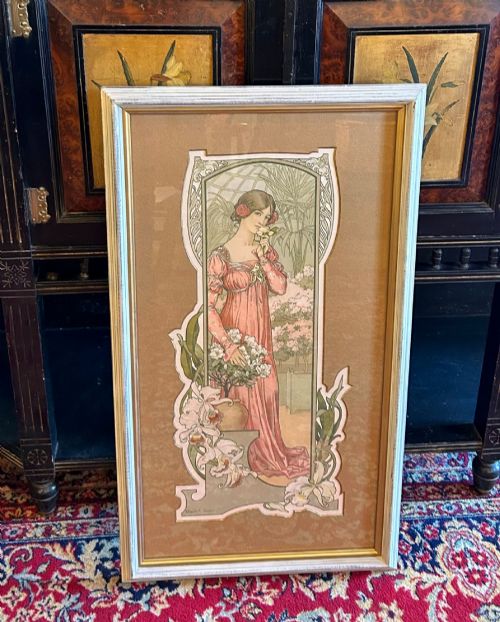
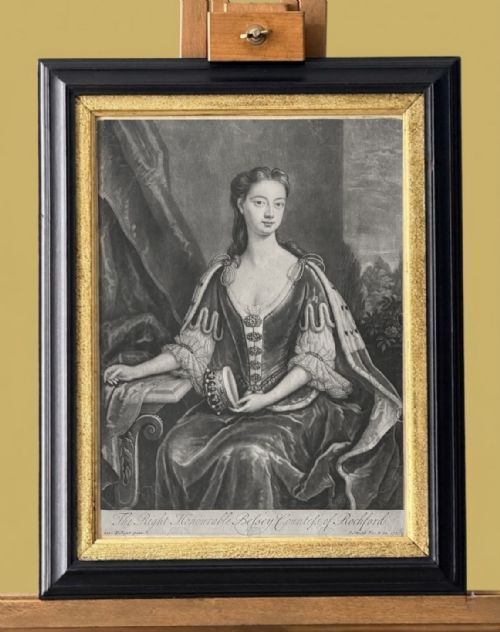
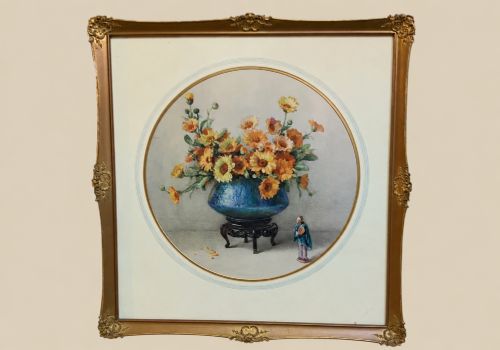
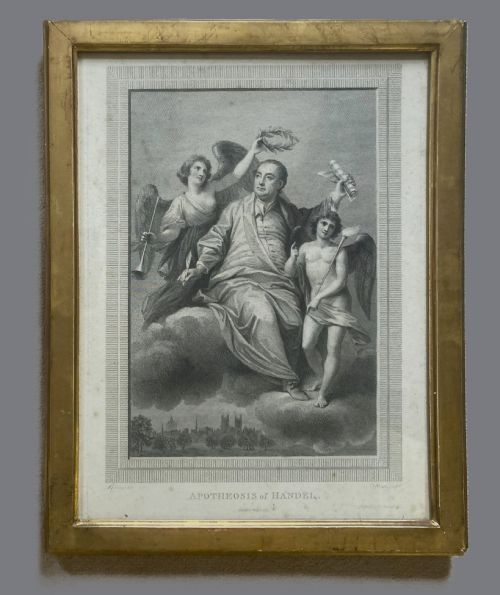
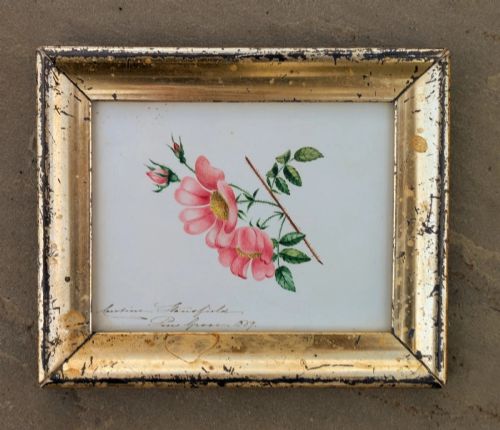
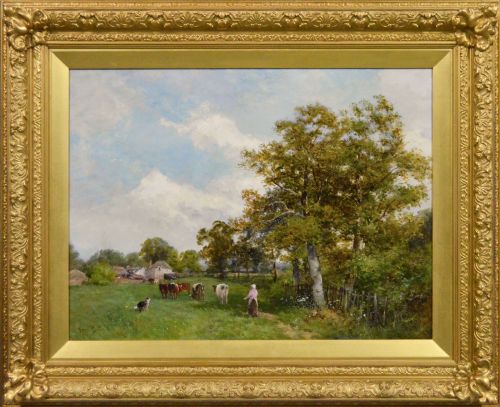
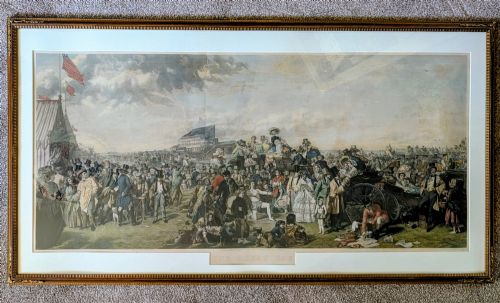
A gold framed print encompasses a diverse range of wall art, including etchings, lithographs, engravings, and woodcuts enclosed within gilded borders. Buyers searching for a gold framed print encounter pieces spanning several eras, from eighteenth-century engravings to twentieth-century limited edition lithographs.
Forms include wall art presented as etchings, woodcuts, and lithographs on paper, protected by glass and housed in frames finished with gold leaf or gesso. These pieces combine historic imagery with traditional framing techniques.
Materials and construction
The prints themselves utilise paper, ink, and traditional printmaking techniques such as etching, engraving, lithography, and woodcut printing. These methods produce detailed imagery that is subsequently preserved behind glass.
Frames rely on wood as a foundation, enhanced with gesso and finished in gold leaf or gilt wood to create the characteristic metallic lustre. The combination of paper art and gilded wooden framing defines the physical construction of these pieces.
Retail Price Guide 2026
Typical UK retail prices for gold framed print, calculated from the Sellingantiques database of over a million retail prices indexed since 2003. This retail price guide relies exclusively on Sellingantiques data; no external sources or auction records are used, so the figures do not describe the wider market.
Works on this page encompass etching, engraving, lithography, and woodcut techniques executed on paper.
Distinguishing quality
Quality in a gold framed print rests upon the fidelity of the printmaking technique and the craftsmanship of the frame. Finer works display crisp lines in etchings and engravings, alongside skilled application of gold leaf and gesso on the surrounding wood.
The interaction between the artwork on paper and its protective housing dictates the overall cohesion of the piece. Superior examples demonstrate a careful alignment between the period of the print and the style of the gilded frame.
John Bond·Herbert Dicksee·Charles Edward Wilson·Hall Thorpe
The Gold Framed Print Glossary
- Etching
- A printmaking process where lines are incised into a metal plate with acid before being inked and pressed onto paper. This technique allows for fine, expressive detail.
- Lithograph
- A planographic printmaking method based on the repulsion of oil and water, enabling the reproduction of painterly tones and distinct textures on paper.
- Gesso
- A plaster-like mixture applied to a wooden frame as a smooth base for subsequent gilding. It provides the foundation for traditional gold leaf finishes.
- Gilt wood
- Wood that has been coated with a thin layer of gold leaf or metallic powder. It forms the primary visual structure of the frames found in this category.
Frequently Asked Questions
What periods do these prints cover?
The available selection spans several distinct eras, beginning with eighteenth-century engravings through to nineteenth-century Victorian genre art and early twentieth-century works.
Later pieces extend into mid-twentieth-century contemporary British lithographs, offering a broad chronological spread of styles and subjects.
How should I care for a framed print?
Protect the paper artwork and the gilded wooden frame by keeping them away from direct sunlight and damp environments. The glass front shields the ink and paper from dust and atmospheric moisture.
Clean the glass gently with a dry or slightly damp cloth while avoiding any moisture contact with the gold leaf and gesso frame.
What framing materials are used?
Frames are constructed from wood finished with gesso and layered with gold leaf or gilt wood. This traditional approach creates a reflective metallic border around the artwork.
Prints themselves are executed on paper using ink via techniques such as etching, engraving, lithography, and woodcut.
How do I identify a neoclassical print?
Neoclassical pieces in this category often depict subjects such as classical antiquities, Roman statues, and historical motifs inspired by archaeological discoveries. These works date back to the eighteenth century and reflect an academic interest in classical forms.
The imagery is typically rendered through fine-line engraving on paper, paired with period-appropriate gilded framing.